


 中文简体
中文简体

High Pressure Car Wash Adjustable Foam Pot
Cat:Pressure Washer Foam Pot
The High-pressure car wash adjustable foam pot can adjust the foam concentration as needed, which allows the High-pressure car wash adjustable foam po...
See Details2025-10-15
A pressure washer foam pot is an attachment designed to mix detergent with water under pressure and generate a dense foam that clings to surfaces during cleaning. This foam layer allows detergents to remain in contact with dirt, grease, and grime for a longer period, which helps loosen contaminants before rinsing. In principle, the foam pot functions as a pre-treatment tool that enhances the efficiency of cleaning by using less water and distributing detergent more evenly.
The foam pot is typically composed of a detergent container, a nozzle assembly, and an adjustable valve to control the detergent-to-water ratio. Most designs are compatible with pressure washers through quick-connect fittings. The nozzle converts the liquid into a fine foam by mixing air, water, and detergent, creating a stable layer that adheres to surfaces. This mechanism is similar across domestic and industrial applications, though industrial foam pots are often larger and more durable to handle extended use.
In household scenarios, foam pots are commonly used for vehicle washing, patio cleaning, and exterior surface maintenance. Their advantage is in producing an even spread of foam with reduced manual effort. For cars and small equipment, the foam softens debris, making it easier to remove without scratching surfaces. This level of cleaning is sufficient for light-duty applications where contaminants are not deeply embedded.
Industrial cleaning environments involve a higher level of dirt, oil, grease, or residue compared to domestic cleaning. Factories, warehouses, and production facilities often require removal of stubborn residues from machinery, floors, or storage areas. In such conditions, cleaning equipment must be designed for longer operating cycles, higher durability, and stronger detergents that can address industrial-level contaminants. Whether a foam pot is suitable depends on its compatibility with these requirements.
While foam pots can be applied in industrial cleaning, their suitability is influenced by factors such as detergent compatibility, chemical resistance, container volume, and nozzle durability. Industrial cleaning often requires larger foam output and more chemical-resistant materials. A standard foam pot designed for domestic use may not withstand strong alkaline or acidic detergents used in industrial cleaning. Therefore, specialized foam pots with reinforced components are typically recommended for industrial scenarios.
Industrial foam pots are usually made from reinforced plastics, stainless steel, or chemically resistant polymers. These materials help extend service life when exposed to harsh detergents and frequent use. The connectors and valves are often metal-based to handle high water pressure and prevent premature wear. Durability is a significant factor in evaluating whether a foam pot is appropriate for long-term industrial operations.
One key difference between domestic and industrial foam pots lies in chemical compatibility. Industrial cleaning may involve detergents with high alkalinity, acidic cleaners, or solvents. A foam pot that is not resistant to these chemicals may degrade quickly, leading to leakage or malfunction. Manufacturers often specify the types of chemicals their foam pots can safely handle. Industrial users should select foam pots with verified chemical resistance to avoid operational disruptions.
In industrial applications, cleaning often involves large surface areas. Foam pots designed for industry typically feature larger containers to reduce refill frequency. This allows workers to maintain efficiency during long cleaning sessions. Higher output capacity also ensures that foam is distributed consistently across extensive surfaces such as factory floors or heavy machinery. In comparison, domestic foam pots may require frequent refills and are more suited for smaller cleaning tasks.
Pressure washers used in industrial settings usually operate at higher pressures and flow rates than domestic models. A foam pot must be designed to match these operational levels without causing leaks or structural damage. Industrial foam pots often incorporate reinforced fittings and stronger seals to withstand higher pressure. Inadequate pressure compatibility may lead to irregular foam production or system failure.
Industrial environments require equipment that can be maintained easily due to the high frequency of use. Foam pots intended for such environments are designed with detachable components that facilitate quick cleaning and replacement. For example, nozzles and valves may be removable to allow thorough rinsing of detergent residues, which prevents clogging. This feature is particularly important in industrial facilities where downtime directly impacts productivity.
The cost of an industrial foam pot is typically higher than that of domestic models, but the investment is justified by increased durability and performance. Industrial-grade models reduce the need for frequent replacements and provide greater reliability in heavy-duty applications. Companies must weigh the upfront cost against long-term operational benefits when choosing foam pots for industrial cleaning purposes.
The following table highlights the key differences between domestic and industrial foam pots in terms of suitability for cleaning applications:
| Feature | Domestic Foam Pot | Industrial Foam Pot |
|---|---|---|
| Material | Plastic (basic grade) | Reinforced plastic, stainless steel, or chemical-resistant polymers |
| Volume Capacity | 0.5L – 1L | 2L – 5L or more |
| Chemical Resistance | Compatible with mild detergents | Compatible with strong detergents and solvents |
| Pressure Compatibility | Up to 150 bar | Up to 300 bar or higher |
| Maintenance | Basic cleaning | Designed for frequent disassembly and thorough cleaning |
When using foam pots in industrial cleaning, safety considerations must be taken into account. High-pressure water combined with strong chemicals may pose risks if not handled correctly. Workers must be trained to operate foam pots safely and use appropriate protective equipment, including gloves, masks, and eye protection. Industrial foam pots should also have reliable safety mechanisms to prevent leaks or bursts under high pressure.
Despite their usefulness, foam pots may not be suitable for all industrial cleaning scenarios. Heavy residues such as hardened grease, rust, or paint often require mechanical cleaning or specialized chemical application methods beyond the capability of foam pots. Additionally, foam pots primarily provide surface treatment and may not reach deep crevices or enclosed machinery parts. These limitations highlight the importance of using foam pots as part of a broader cleaning strategy.
In many industrial environments, foam pots are integrated with other cleaning systems such as steam cleaners, high-pressure nozzles, or automated cleaning equipment. This integration allows for greater flexibility and efficiency in addressing different types of contamination. Foam pots serve as a useful pre-treatment tool, while other systems handle the final stages of cleaning and sanitization.
Foam pots are employed in several industries, including food processing, automotive maintenance, and heavy machinery cleaning. In the food sector, they help apply sanitizing foam to production surfaces. In automotive facilities, foam pots are used for cleaning engines, chassis, and assembly lines. For heavy machinery, foam pots assist in pre-washing equipment before more intensive cleaning steps. These examples demonstrate the adaptability of foam pots in different industrial contexts.
Performance evaluation of foam pots in industrial cleaning often involves measuring foam density, cling time, detergent efficiency, and coverage area. Consistent foam output is a key performance indicator, as it ensures uniform detergent distribution. Long cling time improves cleaning effectiveness by allowing detergents to penetrate dirt before rinsing. Regular evaluation helps facilities determine whether foam pots meet operational needs.
Ongoing innovations in cleaning technology are influencing foam pot design. Newer models are being developed with adjustable spray patterns, higher chemical compatibility, and improved durability. Some designs incorporate digital flow control to optimize detergent use, reducing waste. These developments suggest that foam pots will continue to play a role in both domestic and industrial cleaning applications as technology advances.
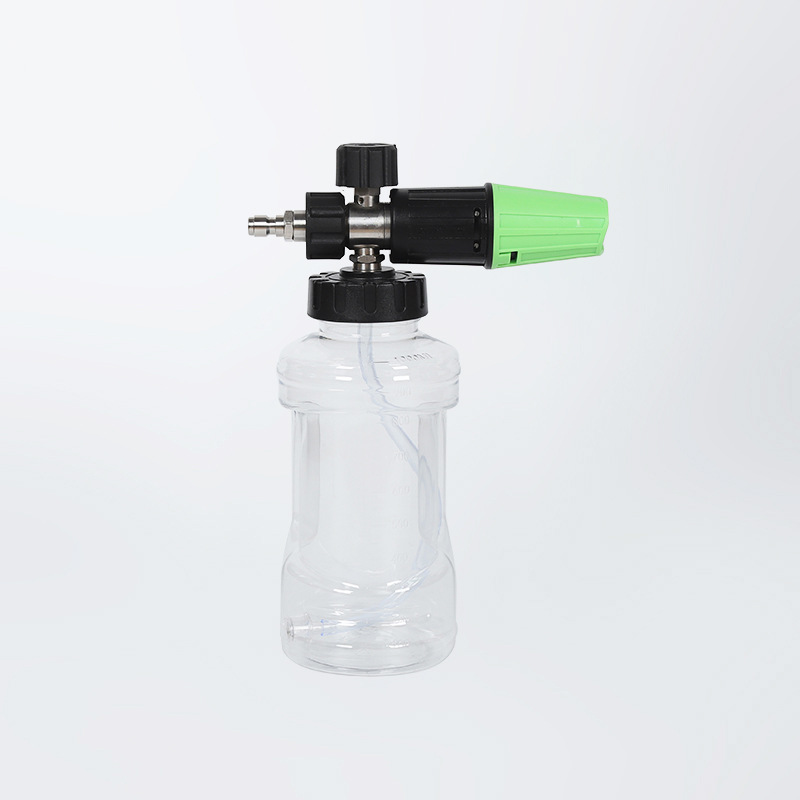
The High-pressure car wash adjustable foam pot can adjust the foam concentration as needed, which allows the High-pressure car wash adjustable foam po...
See Details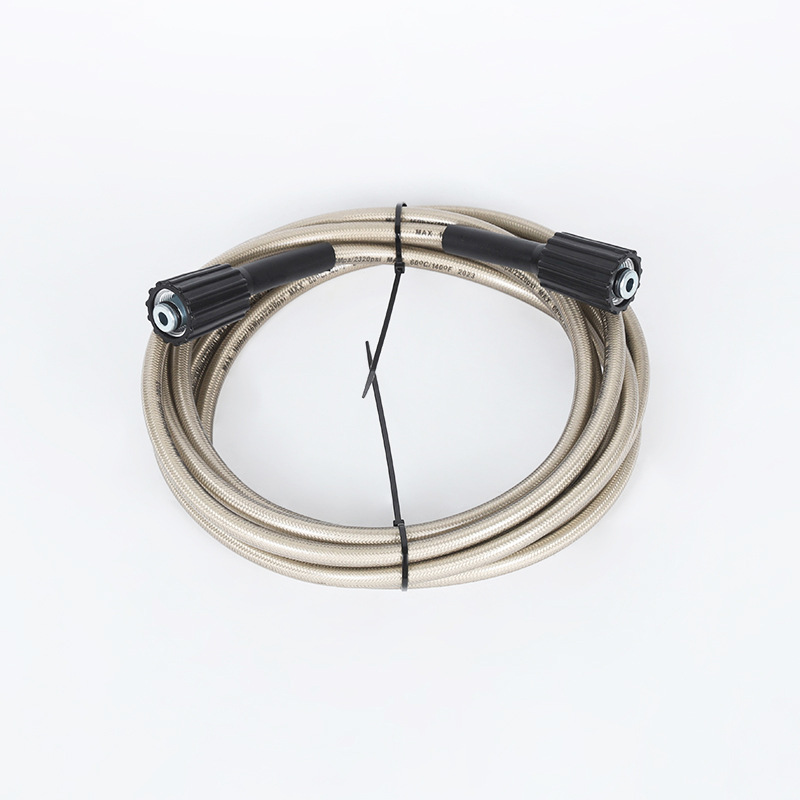
Household portable high-pressure car washing machine water pipe is equipped with connectors at both ends, which can easily connect to various cleaning...
See Details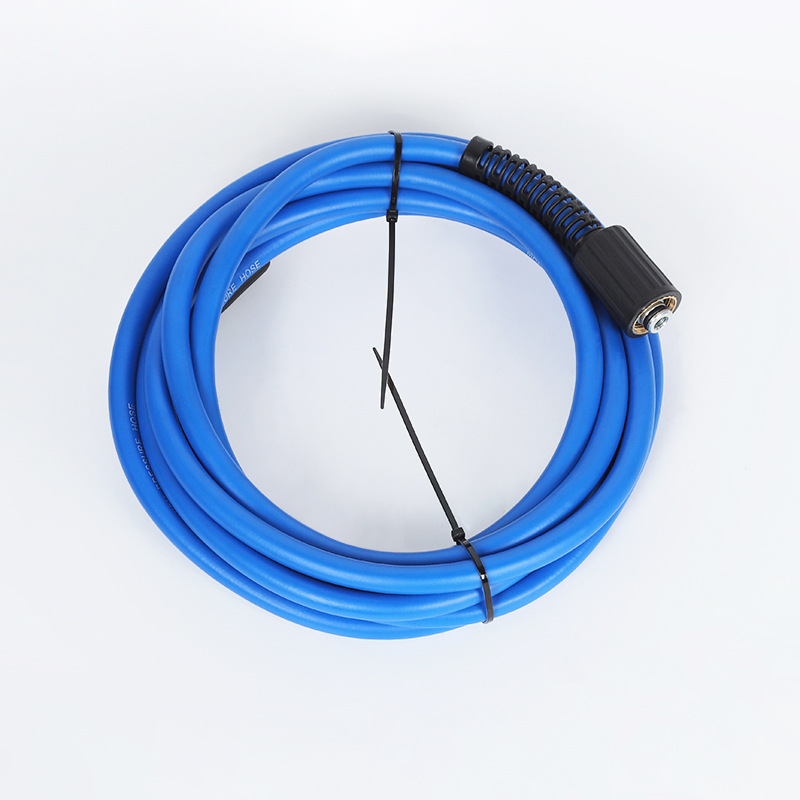
The washing machine's high-pressure car wash water outlet rubber pipe has corrosion resistance and can maintain long-term durability under water erosi...
See Details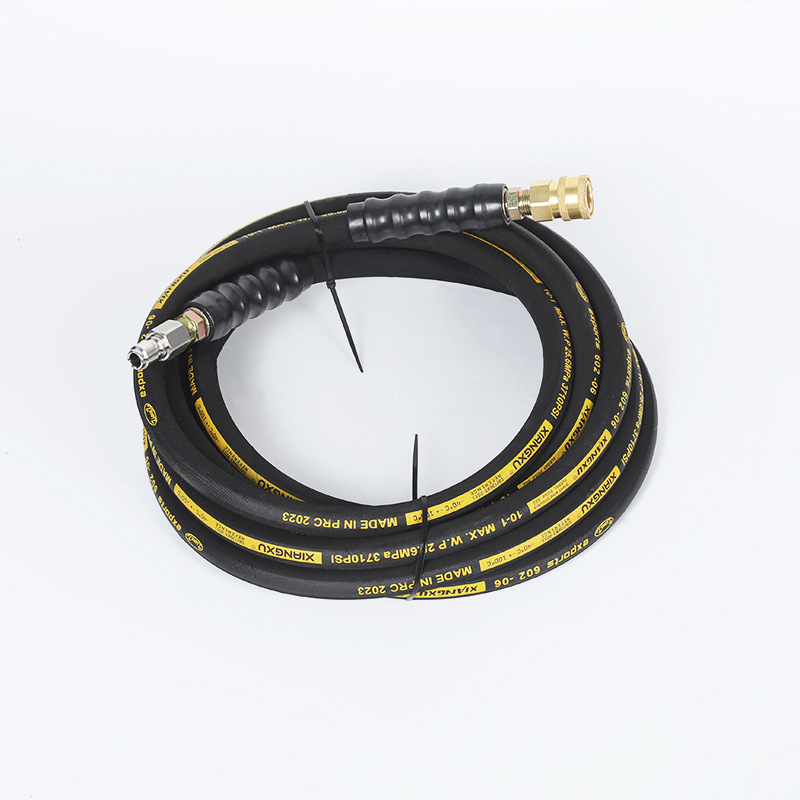
Garden watering high-pressure hose is more suitable for garden irrigation. The high-pressure water flow can fully cover the range of green plants you ...
See Details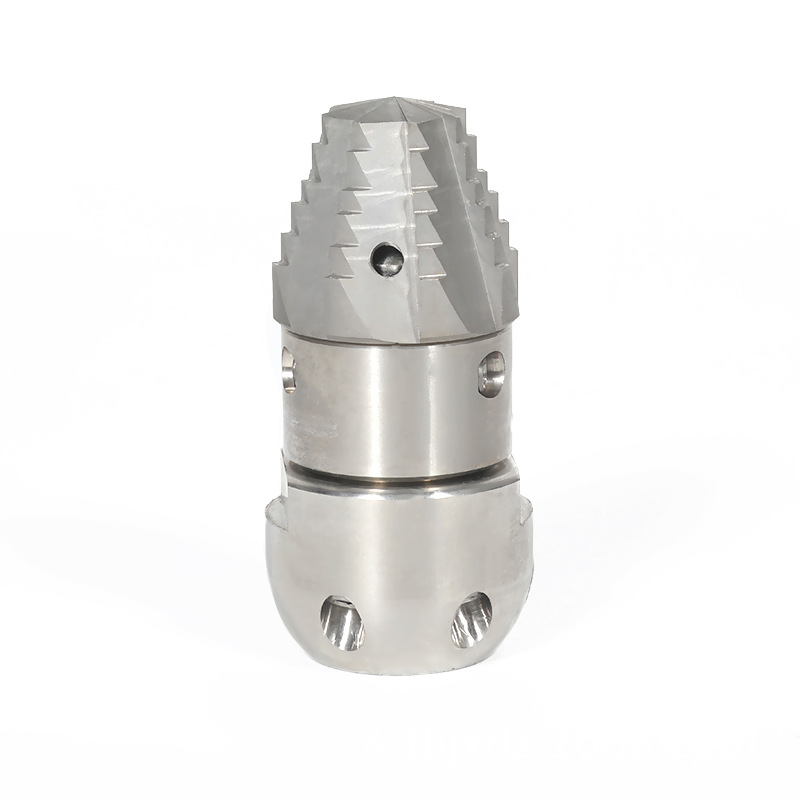
Sewer flushing and unblocking nozzle 40L is made of durable materials, which have strong durability and stability and can withstand long-term use. The...
See Details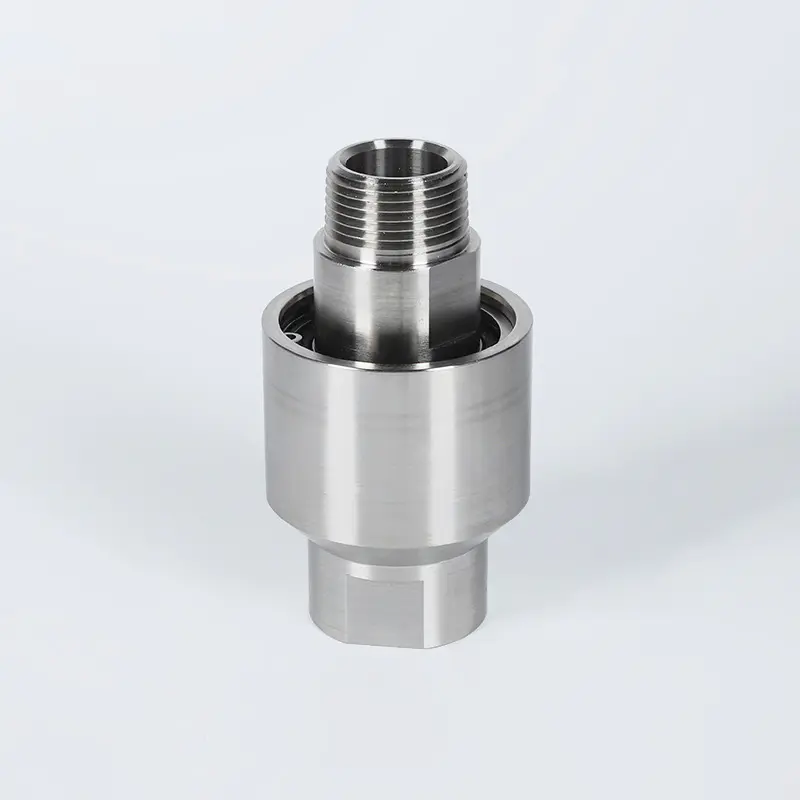
The hydraulic rotary joint 360-degree universal rotary joint can achieve a full range of rotation in both horizontal and vertical directions. It is ma...
See Details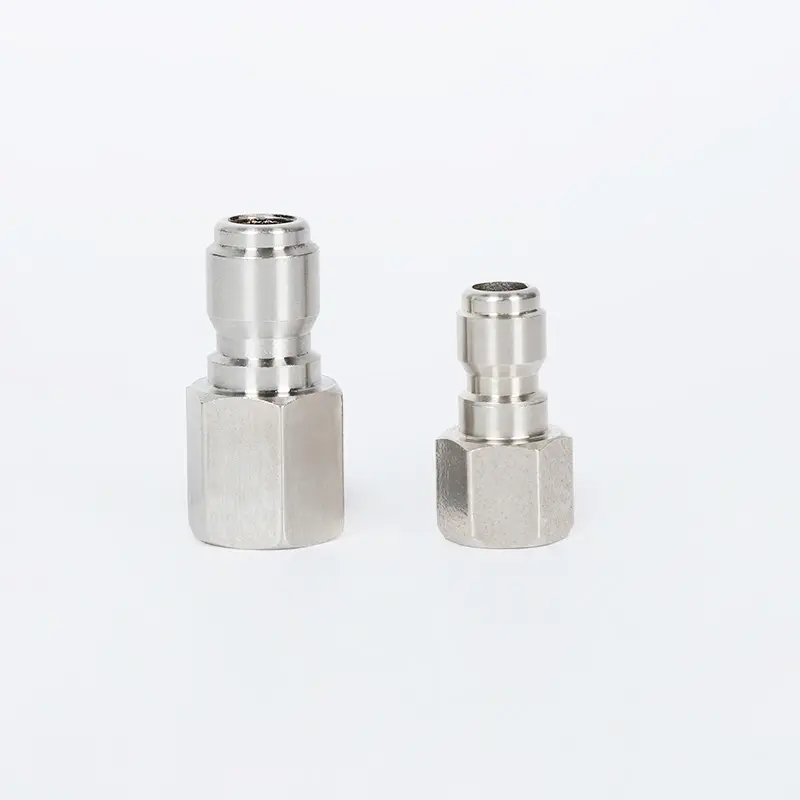
High-pressure cleaning machine straight through rotary quick connector adopts a straight-through design, which can directly transfer high-pressure wat...
See Details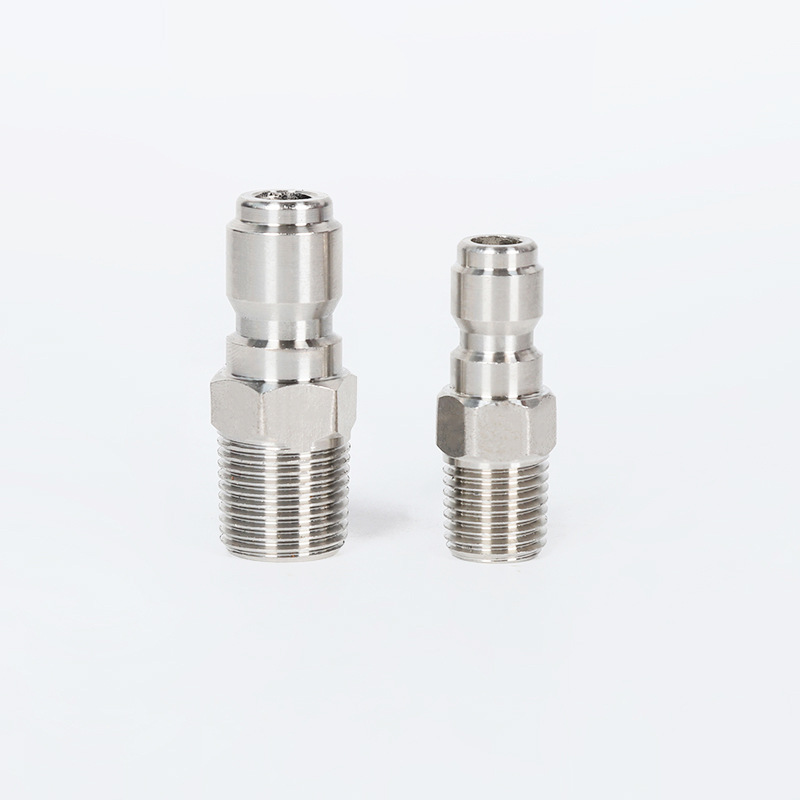
Stainless steel quick connector 3/8 quick plug accessories are quick connector accessories used to connect pipes, hoses, or equipment. The connector a...
See Details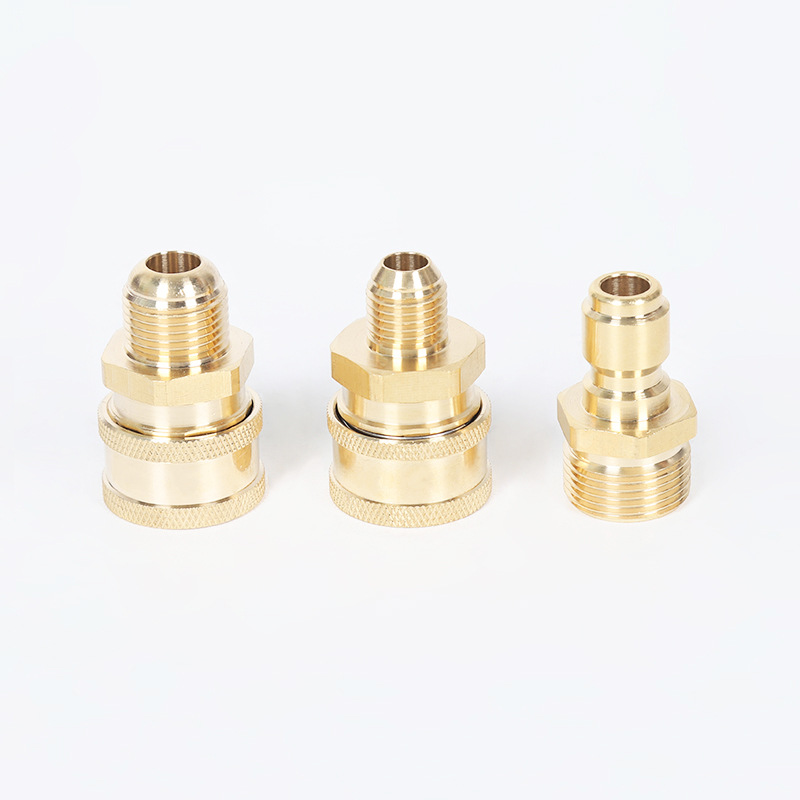
High-pressure car washing machine cleaning machine copper 3/8 quick plug has good sealing performance, which can effectively prevent water leakage and...
See Details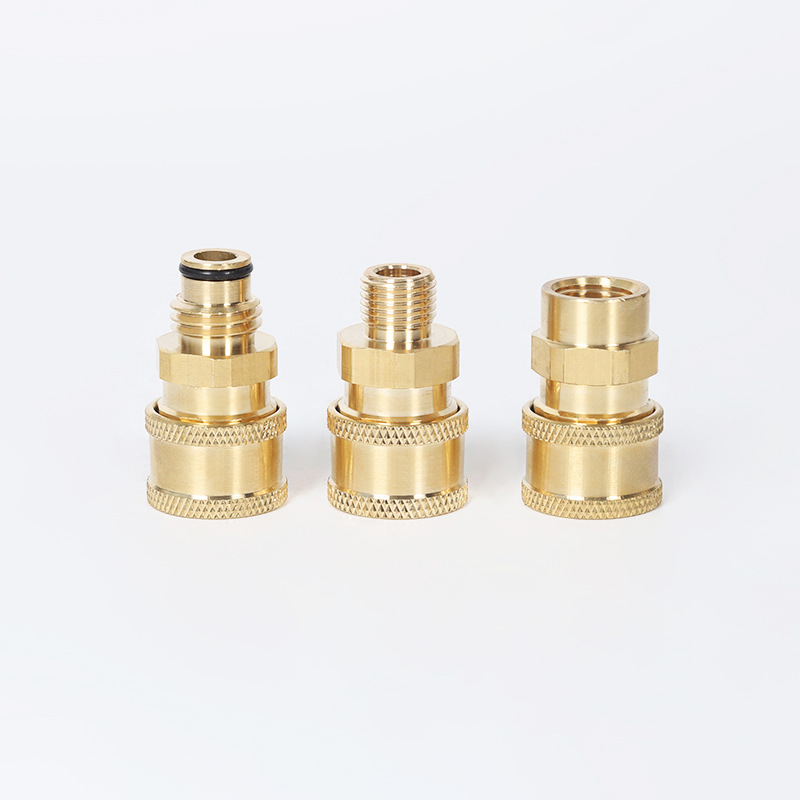
Car wash water nozzle head conversion 1/4 union quick plug is suitable for various types of car wash water guns and car wash equipment, providing more...
See DetailsCopyright © Yuyao Fuhua Machinery Equipment Co., Ltd. Rights Reserved.
Wholesale High Pressure Cleaning Tools/Accessories Manufacturers


