


 中文简体
中文简体

Large Mouth Pressure Washer Foam Generator
Cat:Pressure Washer Foam Pot
The Large Mouth Pressure Washer Foam Generator has a simple design and is easy to operate. When used in conjunction with a high-pressure water gun, it...
See Details2026-02-12
Pressure washer hoses are essential components in high-pressure cleaning systems, providing the conduit for water or cleaning solutions from the machine to the spray nozzle. Their performance relies heavily on chemical resistance and corrosion resistance, particularly when used with detergents, solvents, or in outdoor environments. Understanding the materials, construction, and environmental factors affecting these hoses is crucial for ensuring long-term reliability and safety.
Pressure washer hoses are typically constructed from materials such as reinforced rubber, thermoplastic, polyurethane, and synthetic polymers. The inner tube must resist degradation from water, detergents, or chemical additives, while the outer layers provide mechanical strength and protection against environmental exposure. Rubber hoses offer flexibility and moderate chemical resistance, whereas thermoplastic and polyurethane hoses provide improved resistance to oils, solvents, and high-pressure conditions.
Chemical resistance refers to the hose's ability to withstand exposure to various cleaning agents without swelling, softening, or breaking down. Pressure washer hoses must be compatible with common cleaning solutions such as detergents, degreasers, and mild acids or bases. Exposure to incompatible chemicals can cause the inner tube to soften, leading to leaks, reduced pressure tolerance, and premature failure. Material selection and hose specification sheets often indicate the types of chemicals each hose can tolerate safely.
While the inner hose material primarily faces chemical challenges, the outer layers and fittings are often exposed to moisture, ultraviolet radiation, and outdoor elements. Corrosion resistance is crucial for metal couplings and connectors, which are typically made from stainless steel, brass, or nickel-plated alloys. Proper coating and sealing prevent rust formation, ensuring a secure connection and maintaining pressure integrity. Even hoses with robust inner tubes can fail if fittings corrode or leak over time.
Pressure washer hoses must endure high water pressures, which can range from 1,500 to over 4,000 psi, depending on the machine. Elevated pressure combined with temperature fluctuations can accelerate chemical and mechanical degradation. High-temperature water or steam can weaken certain polymers, while freezing conditions may make hoses brittle. Selecting hoses rated for the expected pressure and temperature range enhances chemical and corrosion resistance by preventing material stress beyond designed limits.
Hoses exposed to incompatible chemicals may experience softening, blistering, or delamination of the inner tube. Detergent residues can cause discoloration or surface roughening, affecting flow and hose flexibility. Over time, these chemical interactions can reduce the lifespan of the hose and potentially compromise safety during use. Choosing hoses labeled as chemical-resistant and avoiding prolonged exposure to harsh substances mitigates these risks.
| Material | Chemical Resistance | Corrosion Resistance | Pressure Tolerance | Flexibility |
| Reinforced Rubber | Moderate | High with metal fittings | Medium | High |
| Thermoplastic | High for detergents and mild chemicals | High | High | Moderate |
| Polyurethane | High, resistant to solvents | High | High | Moderate |
| Nylon Reinforced | Moderate to high | High | Very high | Low to moderate |
Metal fittings are vulnerable to corrosion if not properly treated or maintained. Stainless steel, brass, and nickel-plated connectors provide significant resistance to rust. Regular inspection and cleaning, as well as avoiding exposure to corrosive chemicals, enhance the durability of these components. Fittings often determine the overall lifespan of the hose, as leaks or corrosion at the connection point can render a chemically resistant hose ineffective.
Proper handling of pressure washer hoses minimizes exposure to chemicals and environmental stress. Avoiding sharp bends, kinks, or dragging across abrasive surfaces prevents mechanical damage to the inner tube and outer layers. Storing hoses in shaded or protected areas reduces UV exposure, which can degrade certain polymers. When using chemical detergents, it is recommended to rinse hoses with clean water after use to prevent prolonged chemical exposure.
Routine maintenance ensures continued chemical and corrosion resistance. Regular inspections for cracks, blistering, or wear identify early signs of degradation. Cleaning the hose after chemical use, drying thoroughly, and storing it coiled without tension prolongs material life. Periodic replacement of worn fittings or damaged sections prevents leaks and maintains pressure integrity.
Long-term use of pressure washer hoses may reveal minor surface wear, slight hardening or softening of the inner tube, and fading of outer layers. Chemical residues can accumulate, but rinsing and preventive care mitigate these effects. Corrosion of fittings may occur over years in outdoor or high-humidity environments, highlighting the importance of using corrosion-resistant materials and protective coatings. Well-maintained hoses can remain functional for extended periods under typical use conditions.
When selecting pressure washer hoses, consider material composition, chemical compatibility, pressure rating, and environmental exposure. Stainless steel or brass fittings, polyurethane or thermoplastic inner tubes, and reinforced layers provide a balance of chemical resistance, corrosion resistance, and mechanical durability. Avoiding prolonged exposure to incompatible chemicals and following proper maintenance routines ensures safe, reliable, and long-lasting performance.
Pressure washer hoses perform effectively in a range of chemical and environmental conditions when designed with appropriate materials and reinforced fittings. Chemical resistance protects the inner tube from degradation, while corrosion-resistant fittings ensure secure connections and maintain pressure integrity. Proper selection, handling, and maintenance significantly extend hose life, enabling reliable and safe operation for high-pressure cleaning tasks over extended periods.
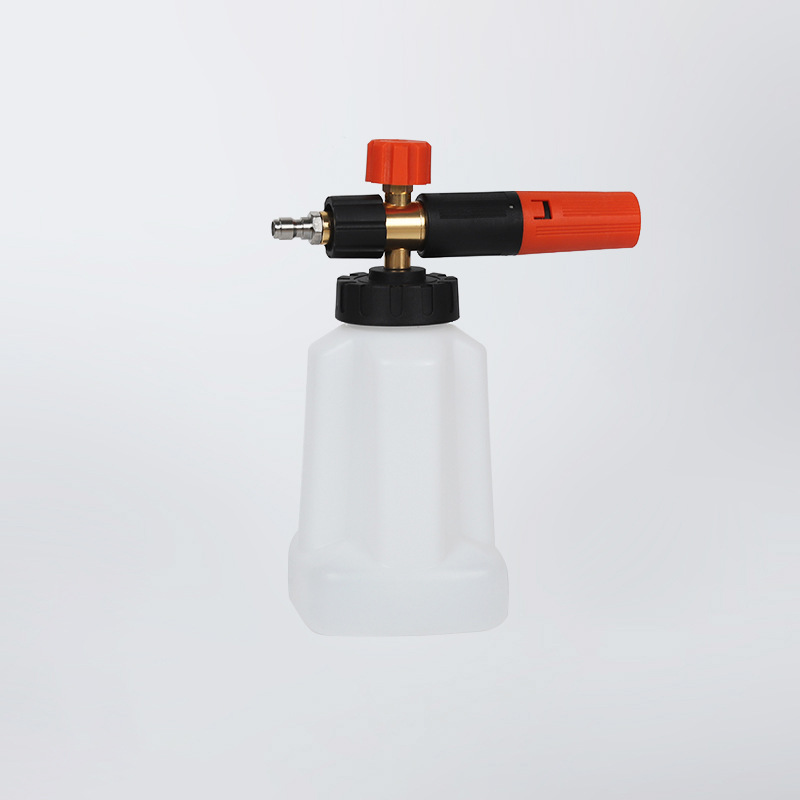
The Large Mouth Pressure Washer Foam Generator has a simple design and is easy to operate. When used in conjunction with a high-pressure water gun, it...
See Details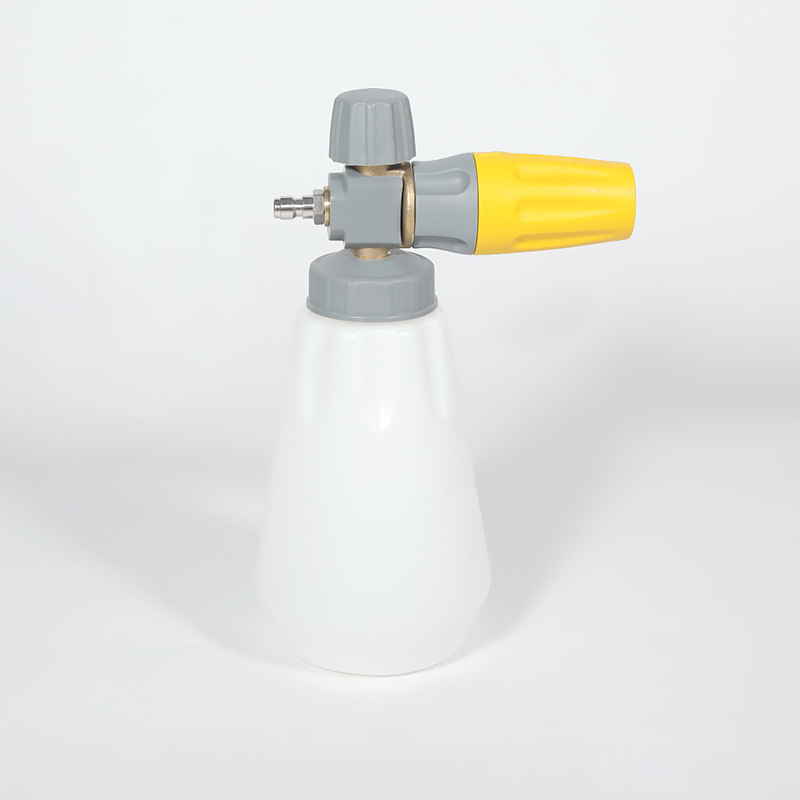
The reason why the High-pressure car wash water gun snow foam pot can spray high-density and more stable foam is because this product combines the foa...
See Details
The large mouth design of the High-pressure PA foam large mouth pot allows users to more easily inject detergent into the tank during use, and the pro...
See Details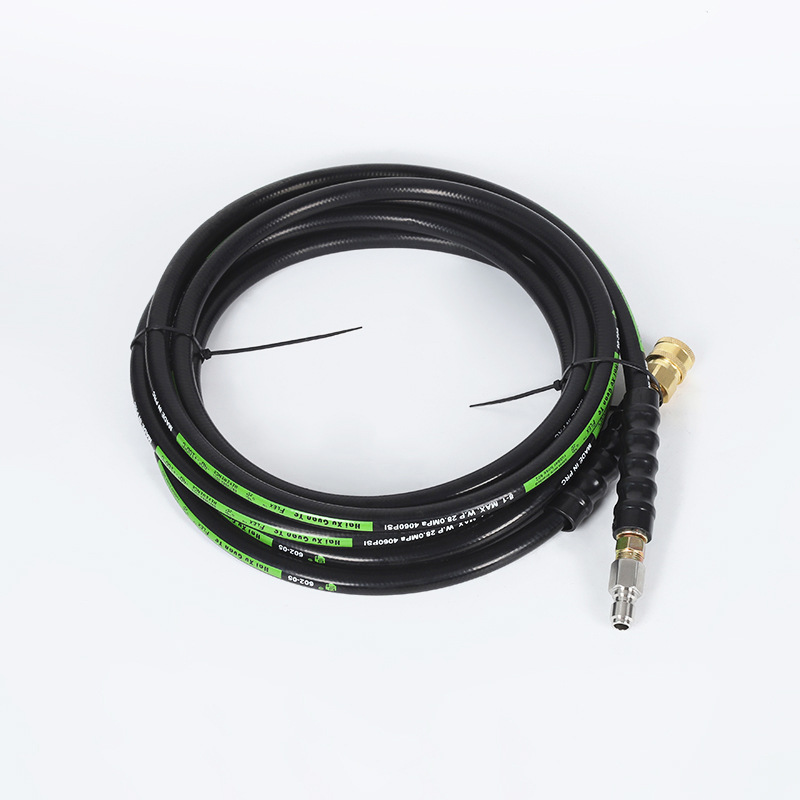
The characteristic of this product is that it can help remove dirt, sediments, and blockages in the pipeline through the impact of high-pressure water...
See Details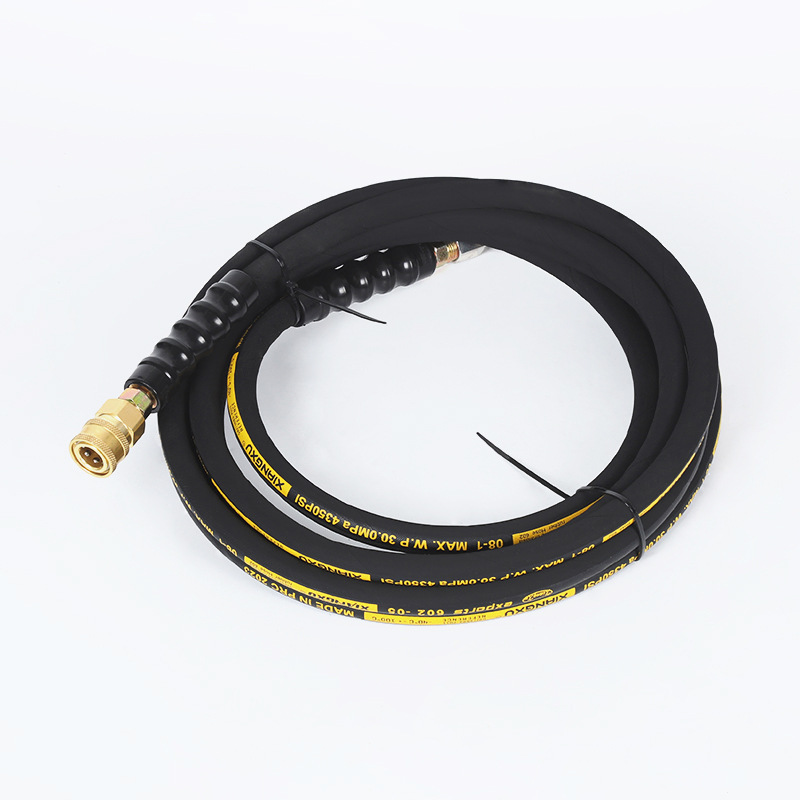
High-pressure car washing machine water outlet rubber hose is made of rubber, which has better durability and corrosion resistance than other material...
See Details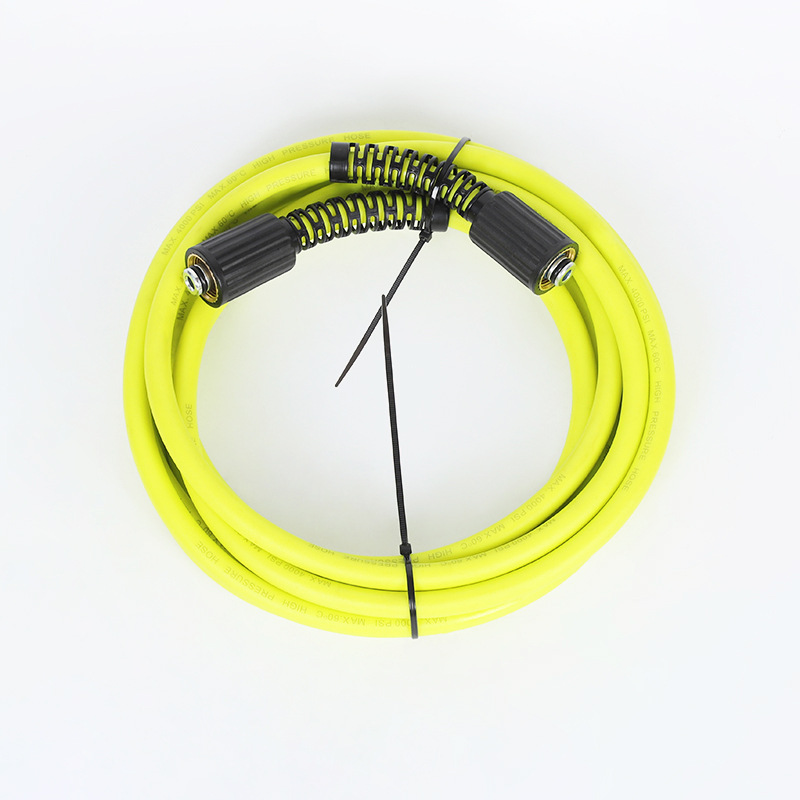
Household high-pressure cleaning machine wear-resistant braided water outlet hose is more suitable for home use. It is small in size and light in weig...
See Details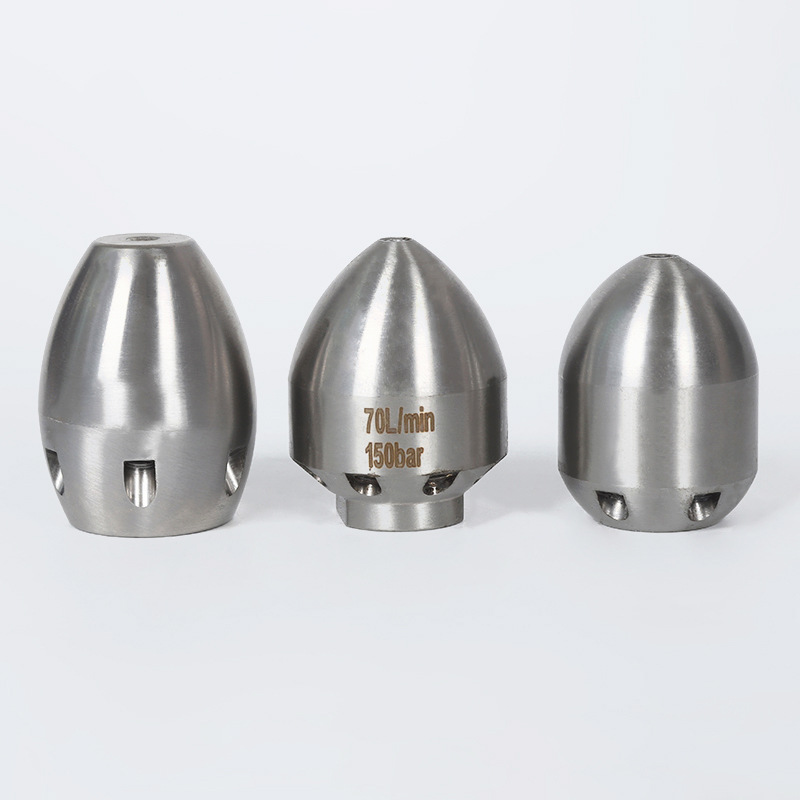
70L 150bar cleaning machine high-pressure cleaning and dredging nozzle is a high-pressure nozzle for cleaning and dredging. It is suitable for cleanin...
See Details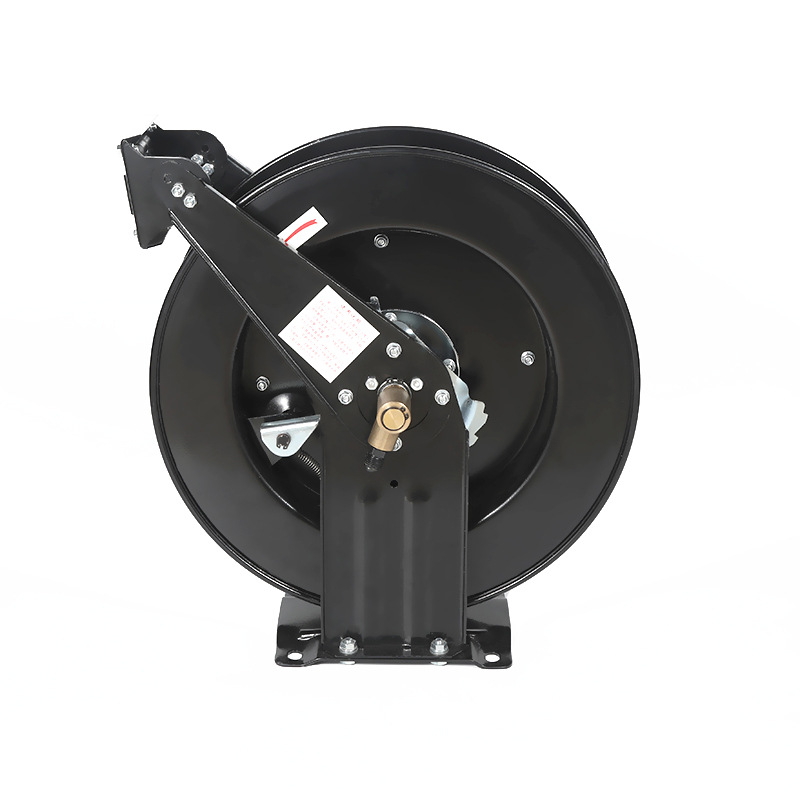
Industrial high-pressure automatic shrink tube reel has an automatic shrinking function and can automatically retract the water gun cable, making the ...
See Details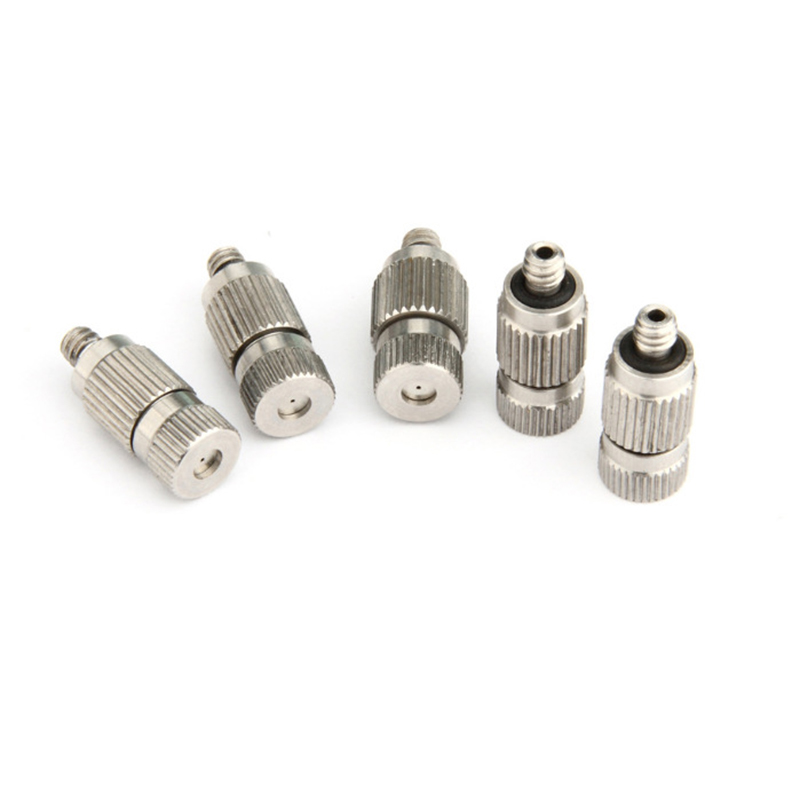
A stainless steel solid cone fine atomizing nozzle is designed to atomize water flow into very fine water droplets, creating a uniform and fine atomiz...
See Details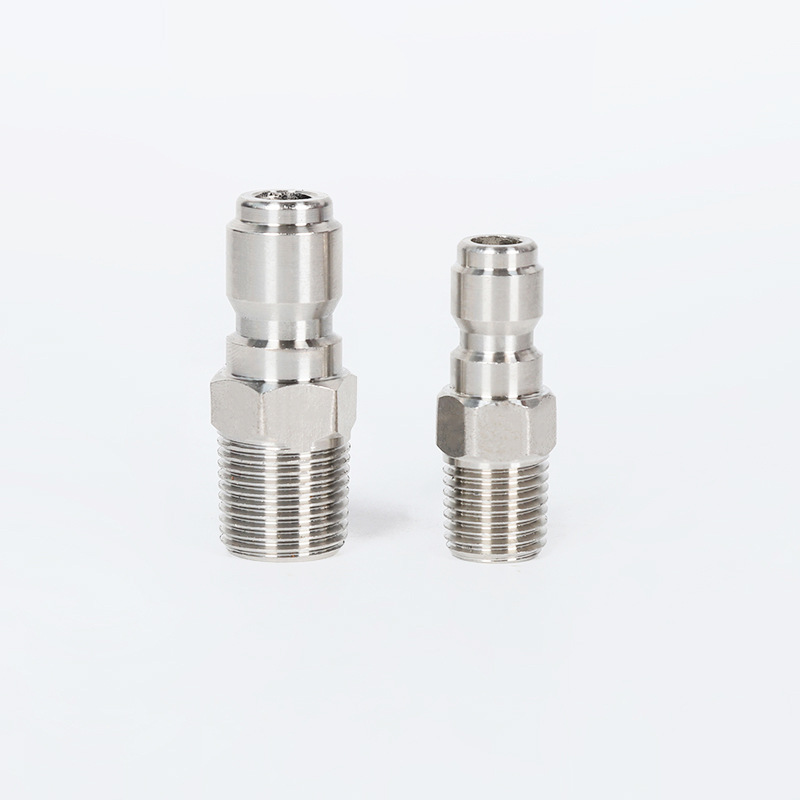
Stainless steel quick connector 3/8 quick plug accessories are quick connector accessories used to connect pipes, hoses, or equipment. The connector a...
See DetailsCopyright © Yuyao Fuhua Machinery Equipment Co., Ltd. Rights Reserved.
Wholesale High Pressure Cleaning Tools/Accessories Manufacturers


