


 中文简体
中文简体

Sector-Shaped High-Pressure Car Wash PA Foam Pot
Cat:Pressure Washer Foam Pot
The installation of the Sector-shaped high-pressure car wash PA foam pot is relatively simple and can be easily installed on cleaning machines and oth...
See Details2026-09-10
A maintenance supervisor walks up to a high-pressure cleaning system that has just been serviced, yet the spray still sputters and the operator reports shorter production cycles. The visible pump and motor may look healthy, but the real fault is often downstream: an eroded nozzle, a quick connector that leaks air, or a hose that is too soft for the line pressure. For industrial cleaning equipment, the components between the pressure source and the surface determine whether the system delivers a precise, repeatable result or wastes water, chemicals and time. The practical conclusion: matching the right nozzle, connector, hose and auxiliary tooling to the application is as important as the power rating of the cleaning unit itself.
Industrial cleaning tasks range from removing heavy grease from machinery to unclogging municipal drain lines, from dust suppression in workshops to sanitizing food production areas. Each application requires a specific combination of pressure, flow, spray angle and impact force. A pressure washer might deliver 150 bar, but if the nozzle orifice is too large, the pressure at the surface drops dramatically. If the orifice is too small, the pump may cycle excessively or overheat. The nozzle geometry controls the water jet shape, the droplet size and the kinetic energy delivered to the surface. This is why experienced buyers of industrial cleaning equipment spend time specifying nozzles and not just comparing maximum pressure figures.
In heavy-duty operations, rotating nozzles are often preferred because they combine a forward jet with high-speed rotating spray patterns that break up compacted dirt. For instance, a high-pressure cleaning and unblocking rotating nozzle can clear a blocked pipe faster than a conventional straight jet because the rotary action distributes impact along the pipe wall. The same logic applies to surface cleaning: a rotating spray bar under a shroud stabilizes the cleaning speed and leaves a uniform finish on concrete floors or truck bays. These are not optional upgrades; they are the functional core of the system.
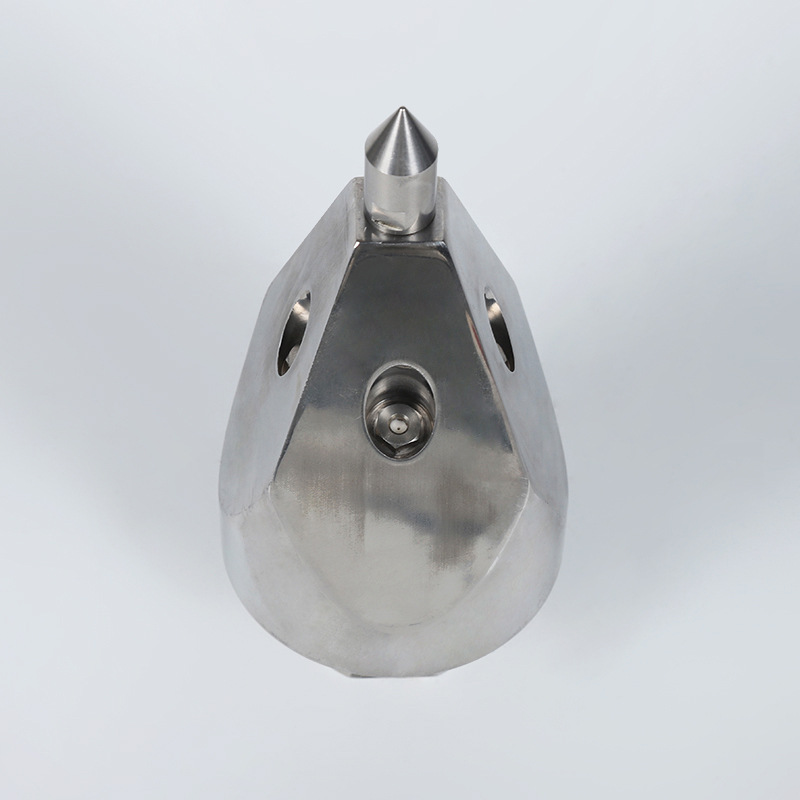 Custom High Pressure Cleaning And Unblocking Rotating Nozzle Manufacturers, FactYuyao Fuhua Machinery Equipment Co., Ltd. is China High Pressure Cleaning And Unblocking Rotating Nozzle manufacturers,High Pressure Clea...View Product →
An effective industrial cleaning setup is usually built around a pressure source, a delivery system and purpose-built attachments. The table below summarizes common tasks and the components that affect their outcome.
| Industrial Task | Core Equipment | Critical Component |
|---|---|---|
| Concrete floor and yard cleaning | High-pressure surface cleaner | Rotating nozzle bar and stabilizing shroud |
| Drain and sewer maintenance | Pipe cleaning nozzle | Rotary jets with forward and rear orifices |
| Fleet washing and vehicle preparation | Pressure washer and foam applicator | Foam pot with adjustable dilution ratio |
| High-pressure line connection and repair | Pressure washer and hose assembly | Stainless steel quick connectors and reliable hose reinforcement |
For surface cleaning, a high-pressure washer surface cleaner with wheels keeps the spray nozzles at a fixed height and angle. That consistency prevents streaking and minimizes operator fatigue. Instead of sweeping a wand back and forth, one person can clean large floor areas in a single pass. The wheels also protect the machine from abrasive contact with the ground, which extends the service life of the shroud and nozzle assembly.
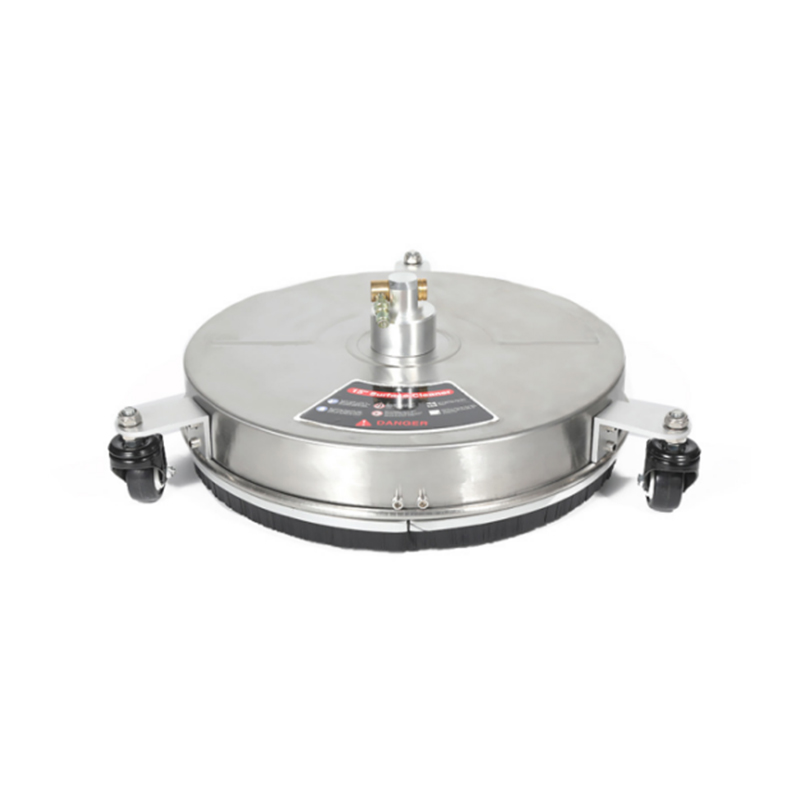 Custom High Pressure Washer Surface Cleaner With Wheels Manufacturers, Factory -Yuyao Fuhua Machinery Equipment Co., Ltd. is China High Pressure Washer Surface Cleaner With Wheels manufacturers,High Pressure Washer Su...View Product →
Pipe and sewer cleaning demands a different tool. A pipe cleaning nozzle with rear-facing jets does double duty: the rear jets create a pulling force that drives the hose deeper into the pipe, while the forward or front jets break up debris. If the nozzle does not rotate, the jet stream tends to drill a narrow hole instead of scouring the full circumference. A rotating unblocking nozzle solves that problem by spinning the spray pattern, making the tool effective in sewer lines, truck washout drains and industrial floor drains.
Foam applicators are often overlooked in industrial environments. A good foam system is not just for show; it allows cleaning detergents to dwell on vertical surfaces, loosening oil and grime before the high-pressure rinse removes them. When washing vehicles, equipment housings or production lines, a foam pot with an adjustable mixing ratio helps the operator control chemical consumption and contact time.
On the delivery side, connectors and hoses carry the high-pressure water from the pump to the work point. A leaking connector at 200 bar not only reduces cleaning efficiency but also creates a hazardous whip line. Stainless steel quick connectors resist corrosion and hold up to repeated coupling cycles, which is essential in workshops where machines are disconnected at the end of every shift.
Nozzle material directly affects maintenance intervals. Industrial cleaning nozzles are commonly made from stainless steel, brass or hardened ceramics. Stainless steel nozzles are corrosion-resistant and handle abrasive debris well, making them a standard choice for wash bays and plant maintenance. 304 stainless steel is suitable for most industrial water and detergent applications; 316 stainless steel offers additional resistance to chlorides and harsh chemicals. If you are cleaning surfaces with aggressive chemical residues, specify 316 for critical wetted parts.
Thread standards matter more than they appear to at first glance. A mismatch between a metric thread and a BSP thread can cause cross-threading, chattering, and eventual seal failure. Quick connectors with hardened steel or brass bodies reduce wear from frequent coupling. In areas where the connector will be exposed to moisture and chemicals, use a stainless steel quick connector to avoid corrosion. A reliable connector should seat firmly with a positive click and release cleanly under pressure without losing its sealing edge.
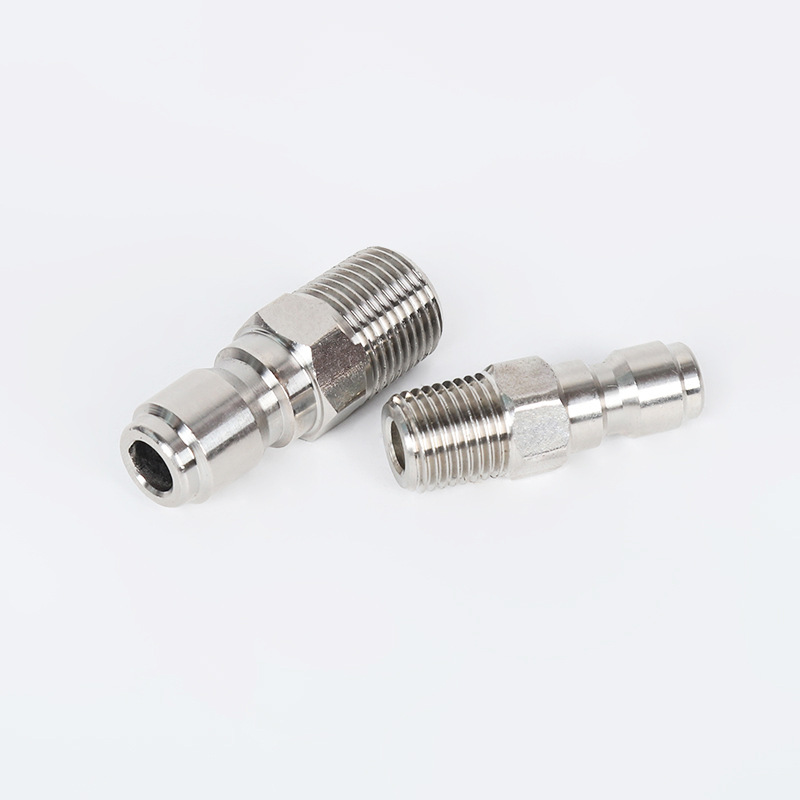 Custom Stainless Steel Quick Connector 3/8 Quick Plug Accessories Manufacturers,Yuyao Fuhua Machinery Equipment Co., Ltd. is China Stainless Steel Quick Connector 3/8 Quick Plug Accessories manufacturers,Stainless Ste...View Product →
For more detail on connector matching, see the guide on choosing the right pressure washer connector. It walks through compatibility, flow ratings and common installation mistakes.
Hose ratings are not suggestions. A hose marked for 150 bar should not be used in a circuit that sees intermittent pressure spikes above that level. Over time, temperature, UV exposure and abrasive contact degrade the outer jacket. Braided stainless steel or synthetic reinforced hoses offer the best combination of flex life and pressure resistance. The inner tube material must also be compatible with the chemicals being sprayed. If you use solvent-based detergents, confirm that the hose seals and washers are compatible before connecting them.
Even well-designed components fail quickly when maintenance steps are skipped. The most common error is ignoring nozzle wear. When the orifice erodes, pressure drops, cleaning time lengthens, and operators often respond by raising the pump pressure. That loop accelerates wear on the pump and other parts. Check the nozzle, not the pump, when pressure seems weak.
Another mistake is leaving water in the system after cleaning. In cold environments, freezing water can crack hoses and connectors. In hot environments, stagnant water encourages scale and microbial growth inside lines. Flushing the system with clean water and draining hoses after each shift is one of the cheapest durability measures you can implement.
Quick connectors also fail silently. A torn O-ring or damaged locking sleeve may not cause a major leak at rest, but under working pressure it releases fine mist jets that erode nearby surfaces and waste energy. Inspect seals during routine maintenance, and replace connectors at the first sign of stiffness or click failure.
When a drain becomes blocked, the temptation is to use any nozzle within reach. A tool with the wrong jet pattern can push the clog deeper instead of cutting through it. Use a nozzle specifically designed for pipe cleaning, such as a rotating pipe cleaning nozzle that can cut through debris while keeping the hose moving through bends.
Industrial cleaning equipment is rarely purchased as a single branded box. Most facilities assemble a system from pressure units, nozzles, hoses, connectors, foam pots and custom mounting brackets. This is why a supplier with strong manufacturing depth is valuable. When a company can produce precision-machined parts in-house, it can control tolerances, respond quickly to new specifications and provide components that fit existing equipment without improvisation.
We speak from experience as a workshop that has spent over 16 years producing precision mechanical parts for cleaning systems. From rotating nozzles and quick connectors to custom metal parts, the focus is on eliminating the small deviations that cause premature wear. The same product range that supports our own high-pressure cleaner lines is also available to equipment manufacturers and maintenance teams who need reliable spares. Explore our industrial cleaning equipment range to see how the individual pieces of a high-pressure system are designed to work together.
At the end of the day, cleaning performance comes down to pressure at the surface, not pressure at the pump. By selecting the right equipment and maintaining each component, you turn a simple water jet into a controlled industrial tool.
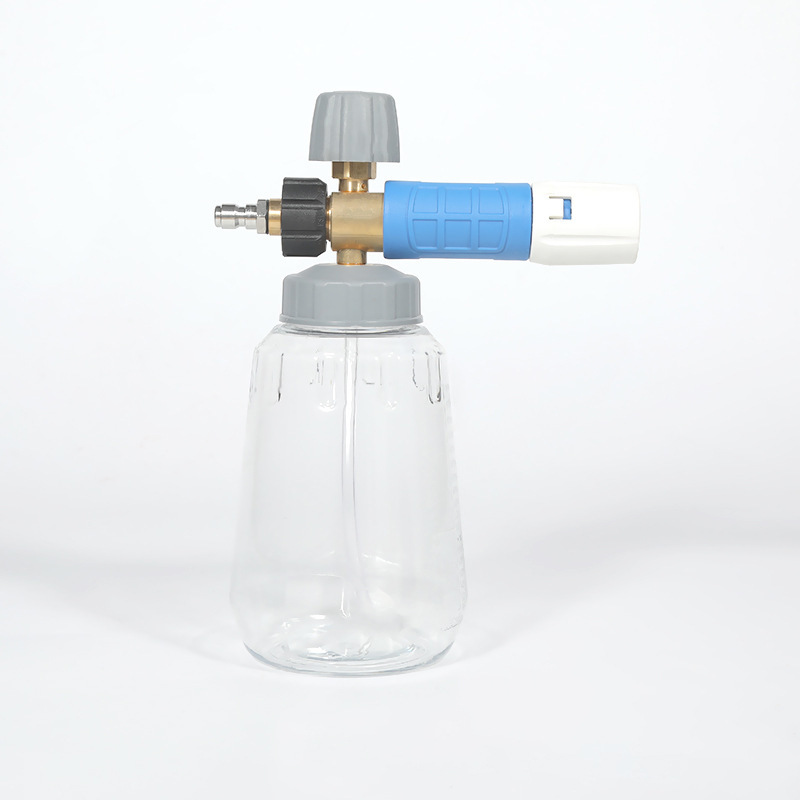
The installation of the Sector-shaped high-pressure car wash PA foam pot is relatively simple and can be easily installed on cleaning machines and oth...
See Details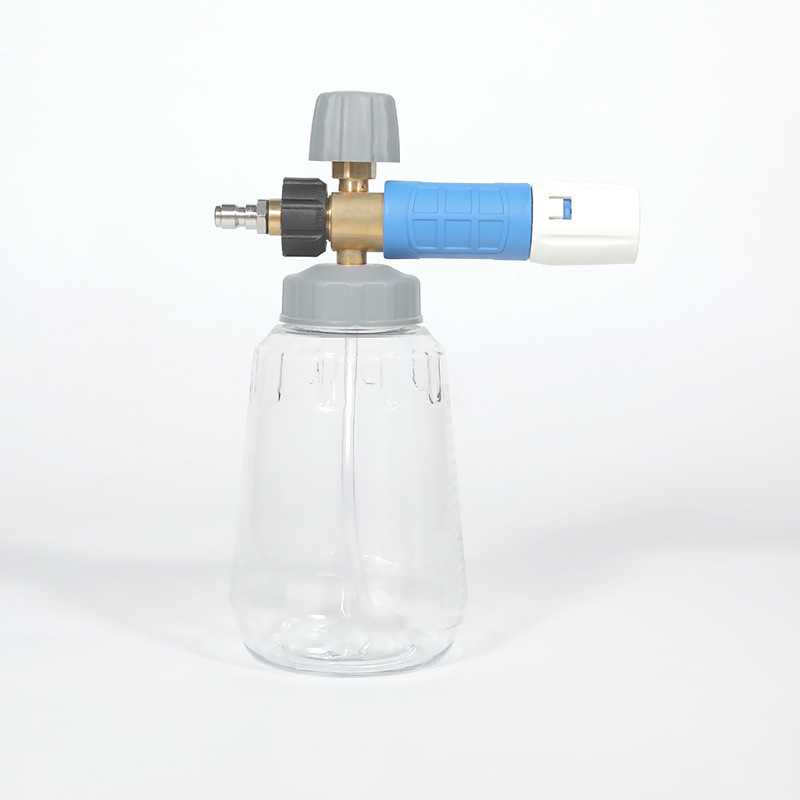
Commercial high-pressure transparent car wash PA pot large mouth foam pot uses high-quality materials with high-pressure resistance and can withstand ...
See Details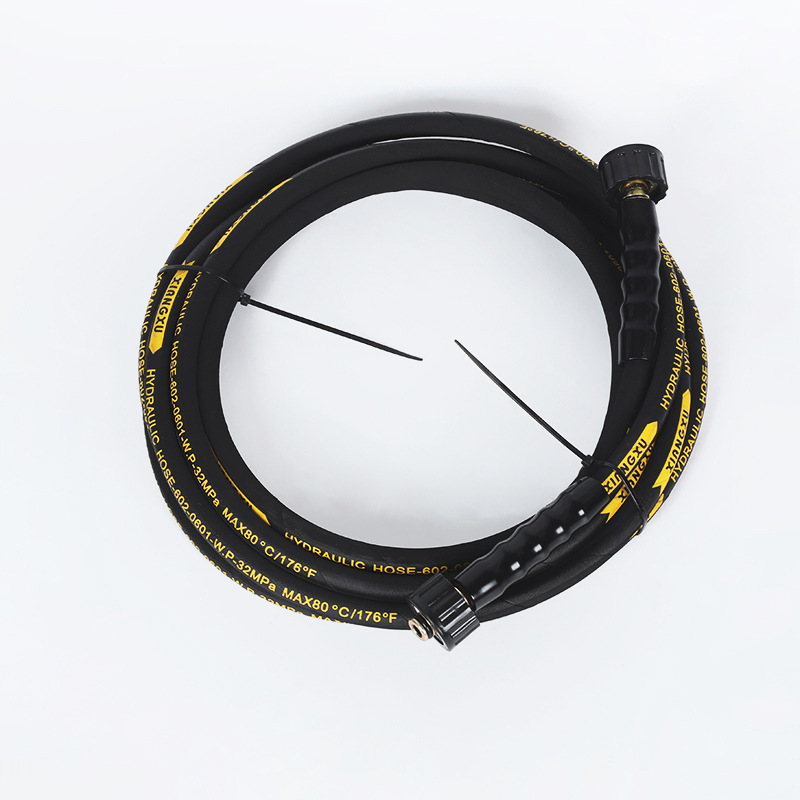
Household water outlet hose suitable for high-pressure water guns is one of the essential tools for household cleaning. This hose can be used with a h...
See Details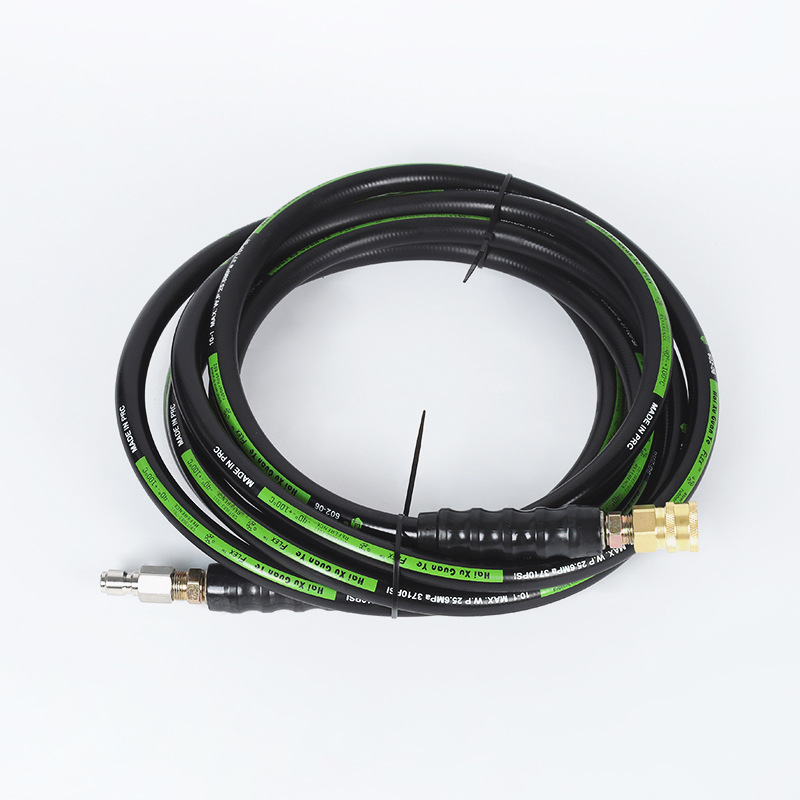
Car washing machine high-pressure water gun adapted to sewage hose is specially designed for car washing and is suitable for various car beauty shops ...
See Details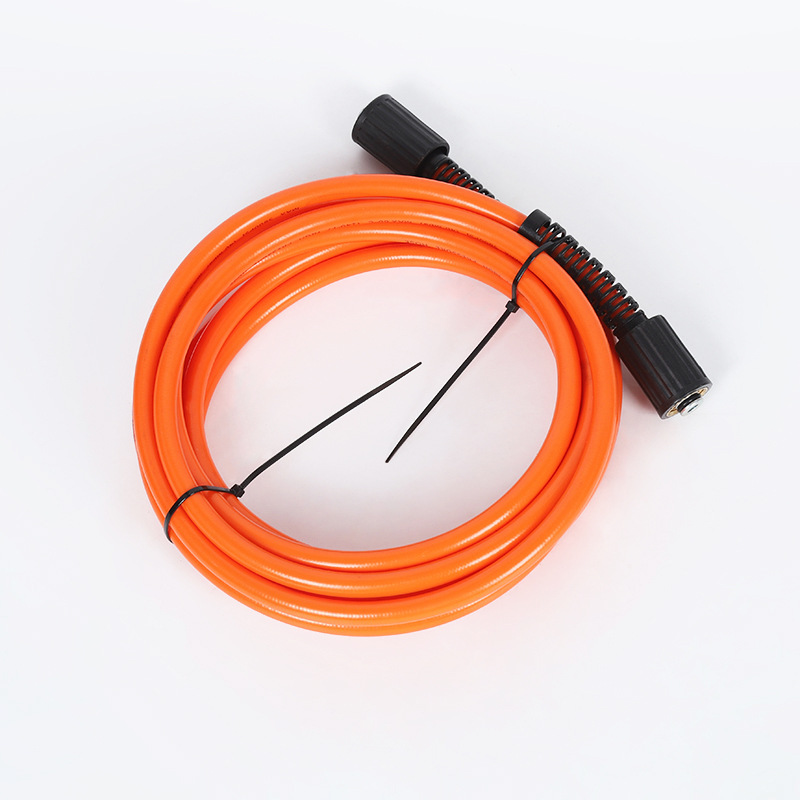
Car washing machine high-pressure wear-resistant water pipe The hose has outstanding wear resistance, which means that when washing the car, there is ...
See Details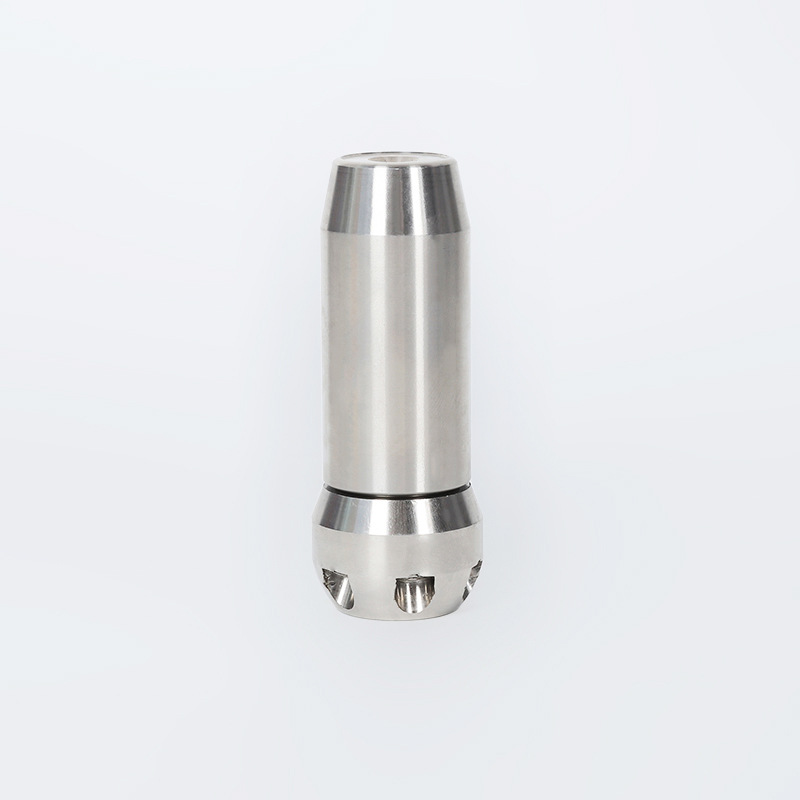
The ceramic nozzle of the 60L 200bar sewer dredging pipe mine ceramic nozzle has wear resistance and can resist the impact of high-pressure water flow...
See Details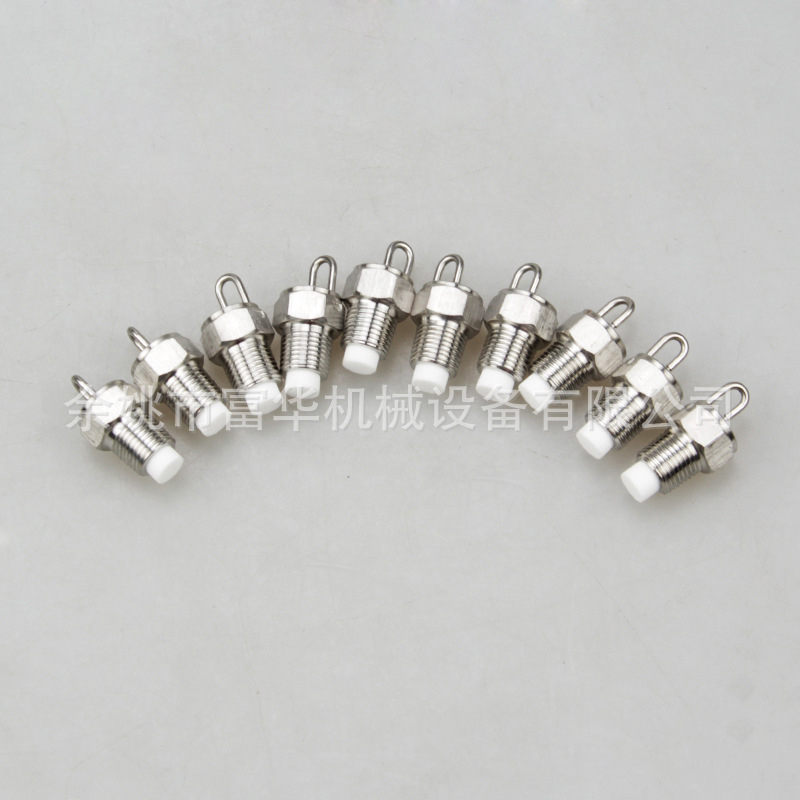
Pipe cleaning round thimble atomizing nozzle is suitable for pipes of different diameters and can clean the inner wall of the pipe in all directions. ...
See Details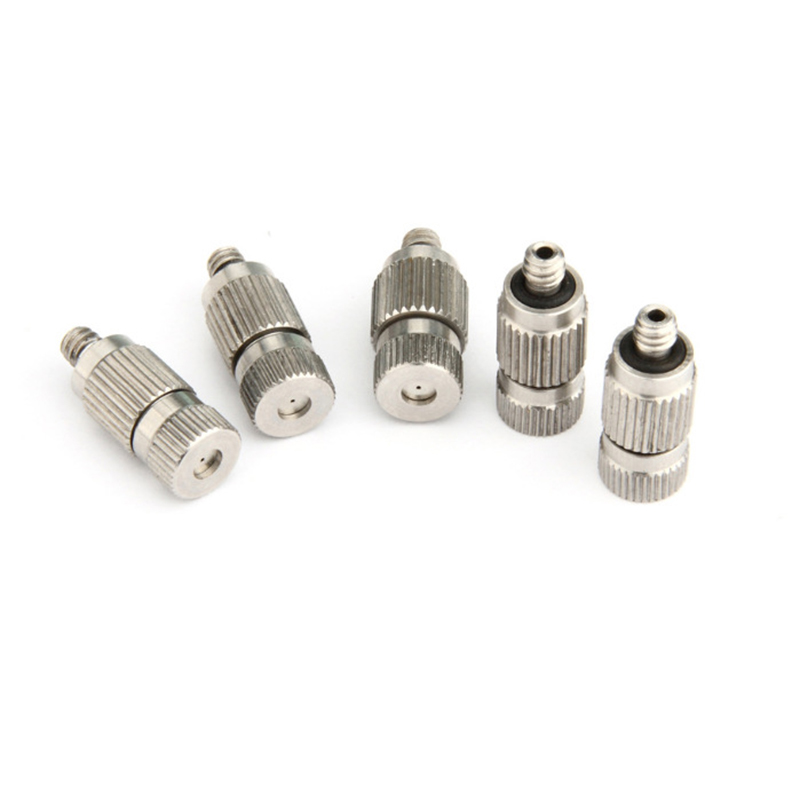
A stainless steel solid cone fine atomizing nozzle is designed to atomize water flow into very fine water droplets, creating a uniform and fine atomiz...
See Details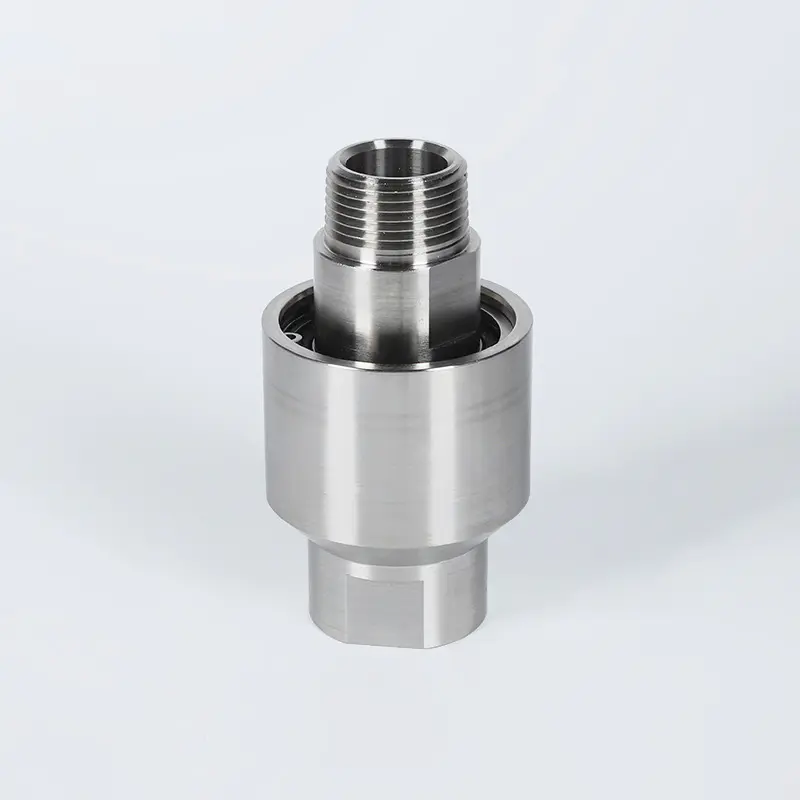
The hydraulic rotary joint 360-degree universal rotary joint can achieve a full range of rotation in both horizontal and vertical directions. It is ma...
See Details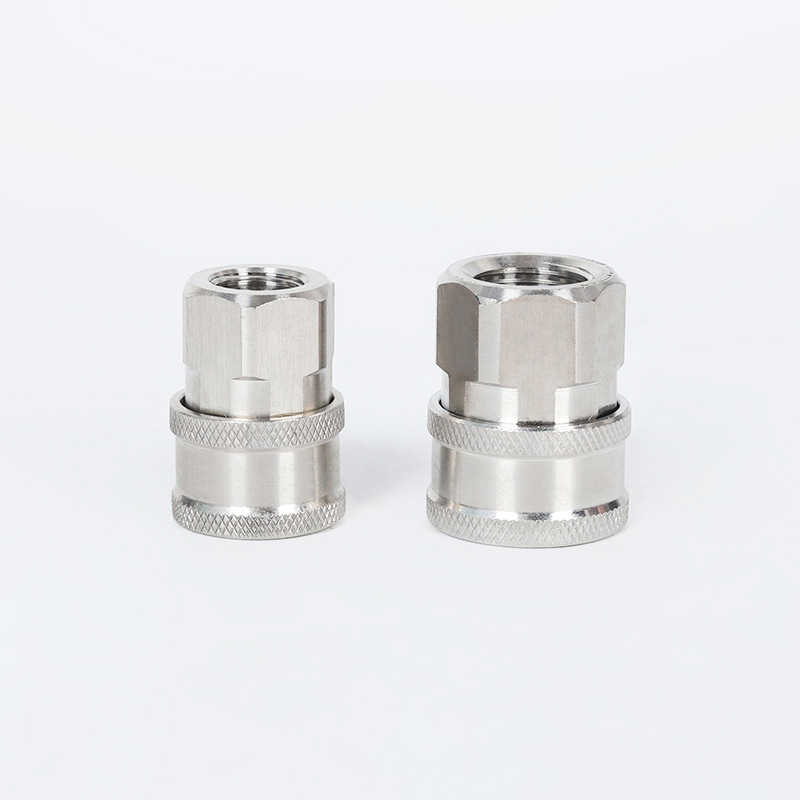
Car wash machine gun water outlet adapter can connect to water source interfaces of different specifications to ensure compatibility with various type...
See DetailsCopyright © Yuyao Fuhua Machinery Equipment Co., Ltd. Rights Reserved.
Wholesale High Pressure Cleaning Tools/Accessories Manufacturers


