


 中文简体

High Pressure Car Wash Adjustable Foam Pot
Cat:Pressure Washer Foam Pot
The High-pressure car wash adjustable foam pot can adjust the foam concentration as needed, which allows the High-pressure car wash adjustable foam po...
See Details2026-11-26
A weekend detailer fits a new 25-degree tip, pulls the trigger, and the fan looks weaker than the tip it replaced. Nine times out of ten the angle is not the problem, the orifice is. A tip drilled for 7 L/min on a machine that actually delivers 5 L/min produces a thin, broken fan, so the operator steps closer to compensate, and that is how paint gets marked and door seals get driven through.
The short version before the detail: in a car cleaning tool kit, three parts decide the final result, the nozzle (orifice and angle together), the foam pot (how steadily it holds a dilution ratio), and the quick connector (whether it leaks air or drops pressure at the joint). Brushes, mitts and towels matter for finish, but they are cheap to replace and easy to correct. The three parts above are the ones that quietly ruin a job.
Orifice size sets flow; spray angle sets how that flow is spread. They are independent variables, and confusing them is the most common buying mistake we see. Two tips both marked 25 degrees can differ by 40% in flow if the orifice sits one size apart, and no amount of trigger technique hides that difference.
The figures are rounded and calculated at a discharge coefficient of about 0.9. What matters is the shape of the curve: one step in orifice diameter moves flow by roughly 20%, which is enough to push a 5 L/min machine onto a 7 L/min tip it cannot feed. When flow is starved the fan collapses into streaks, and the natural reaction is to move closer rather than change the tip.
Buy for measured pressure at the lance, not the number printed on the pump label. A machine rated at 130 bar commonly delivers 110 to 115 bar at the nozzle once the hose, connector, inlet filter and unloader have taken their share.
| Angle | Typical marking | Best use on a car | Risk if misapplied |
|---|---|---|---|
| 0 degrees, pencil | Red | Wheel arches, caked mud, chassis rails | Etches clearcoat and lifts decals at close range |
| 15 degrees | Yellow | Sills, lower panels, wheels | Can peel edge seals and trim tape |
| 25 degrees | Green | General body rinse and pre-wash | Marks paint inside a 200 mm standoff |
| 40 degrees | White | Glass, roof, seam flushing | Too soft for dried mud, wastes water |
| 65 degrees | Black | Chemical application, engine bay rinse | Dilutes impact, slow across large panels |
| Rotating 0 degrees | None | Flat concrete and surface cleaner heads | Never on painted panels |
A practical rule for a mixed-use kit: one 15-degree tip for arches and sills, one 25-degree for the body, one 40-degree for glass, roofs and seam flushing. A colour-coded quick-connect set keeps that decision to one hand movement, which is why it is usually the first accessory worth adding.
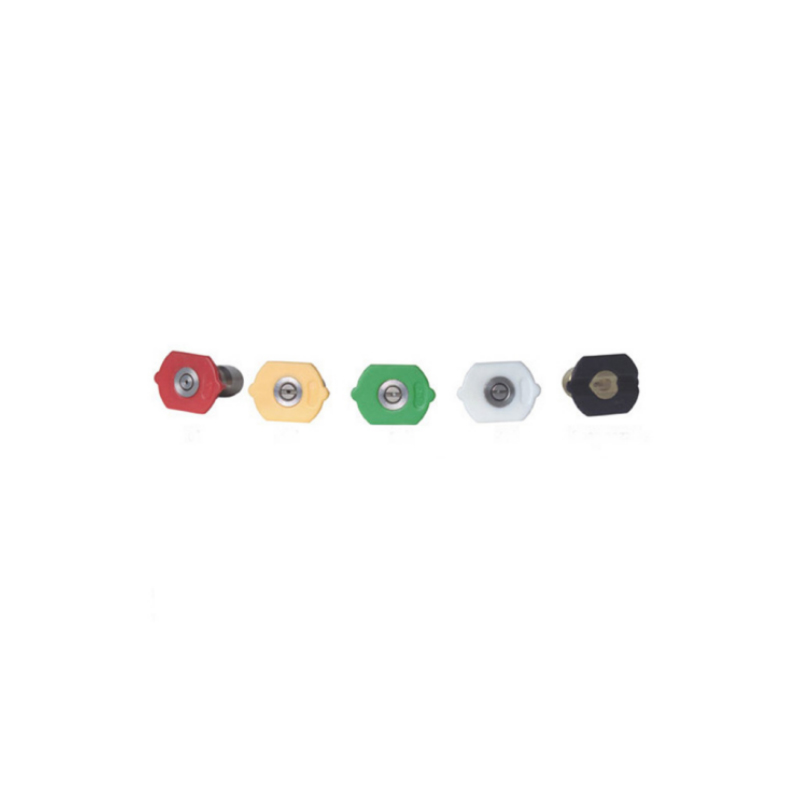 Quick-Connect Five-Angle Pressure Washer NozzleFive spray angles and a secure quick connection make it useful for switching between body, glass and arch cleaning tasks.View Product →
Snow foam is a dilution device, not a soap dispenser. A pot that drifts from 1:20 to 1:8 halfway across a panel leaves a streaky, half-dwelled layer that dries before it lifts anything, and dried foam on a warm bonnet is harder to remove than the road film it was meant to soften.
Two features control consistency: the metering jet inside the pick-up tube and the air intake at the nozzle. The jet is a fixed orifice, and if it is drilled loosely the ratio moves with every trigger pull. The air intake is adjustable on most pots, and the right setting is the one that produces foam which clings for three to five minutes rather than sliding off in sheets.
 Large-Mouth Pressure Washer Foam PotThe large opening simplifies detergent filling, while the durable, corrosion-resistant pot is intended for pressure-washer foam and detergent use.View Product →
Three tolerances are worth asking a supplier about: whether the metering jet is a machined insert or a moulded hole, whether the bottle thread seals on a flat face or an O-ring, and whether the pot is rated for the pressure you actually run. A pot rated at 100 bar on a 160 bar machine is a leak waiting for a warm afternoon.
If you would rather understand the mechanism than the shopping list, this explanation of how a foam pot changes the cleaning process walks through the mixing stage in more detail.
Every kit is a chain of joints, and most of the pressure a pump produces is lost at the connections rather than in the nozzle. It helps to sort the whole kit by the job each part performs:
Fittings are where kits from different suppliers stop talking to each other. The two you will meet most often are 1/4-inch quick connect for lances and foam pots, and 3/8-inch for hose and pump-side work. Brass is acceptable for light duty; stainless is the safer choice wherever water sits in the fitting between jobs, because dezincification cracks brass from the inside out.
O-ring material matters more than most buyers expect, and it is where an inexpensive connector shows its age first.
A worn O-ring costs 5 to 10% of line pressure and produces the fine mist that makes an operator blame the nozzle. Replace seals at the first drip, not at the first failure.
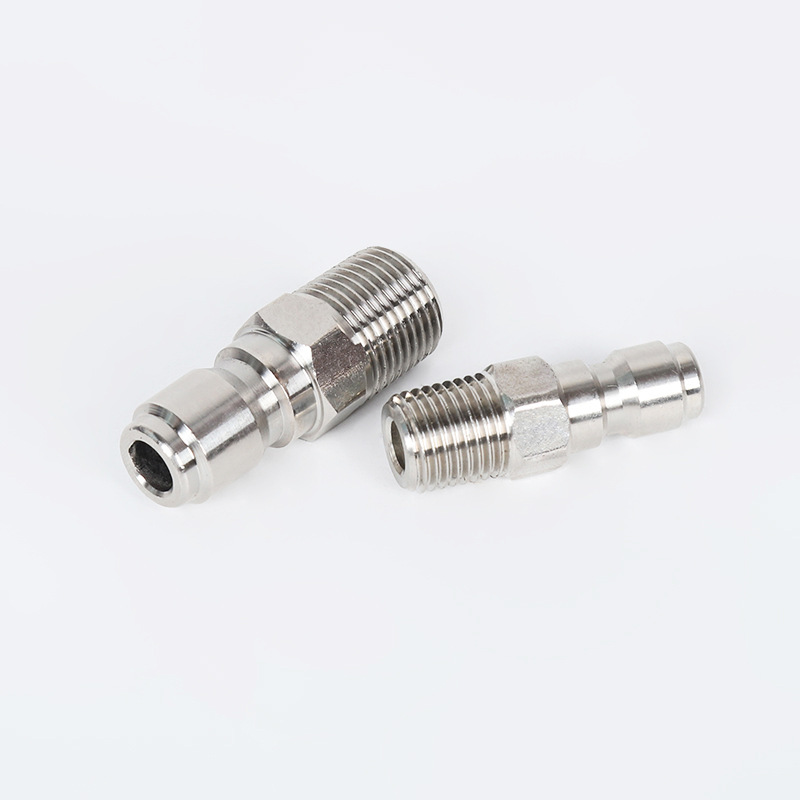 3/8 Stainless Steel Quick Plug Pressure Washer ConnectorStainless-steel quick plug design speeds repeated coupling and uncoupling of pressure-washer hoses, pipes or equipment while supporting easier installation and disassembly.View Product →
Most returns we see trace back to a specification that was never stated on the listing. Six items cover the great majority of disputes:
Standoff distance is the other variable nobody prices in. The same 25-degree tip at 50 mm and at 300 mm behaves like two different tools.
That curve is why technique and hardware have to be chosen together. A 40-degree tip held at 100 mm delivers roughly what a 25-degree tip delivers at 250 mm: comparable cleaning power, wider coverage, and far less risk to trim, badges and clearcoat edges.
Consumables in a car cleaning kit fail in predictable ways, and each failure has a visible early warning. Watching for those signals is cheaper than replacing a whole assembly after a job goes wrong.
| Part | Wear signal | Action |
|---|---|---|
| Quick-connect O-ring | Drip or mist at the joint | Replace at first sign, keep a bag of spares |
| Nozzle tip | Fan turns streaky, flow creeps up | Replace the tip, check the orifice with a pin gauge |
| Foam pot metering jet | Ratio drifts, foam thins out | Clean, then replace the jet insert |
| High-pressure hose | Bulge, blister, or abrasion to the braid | Retire immediately, do not tape and continue |
Two habits keep a kit working: flush the nozzle and inlet filter in clean water after each job, and coil hoses without a sharp bend at the crimp. Most hose failures begin at the crimp rather than in the middle of the tube.
None of this is expensive. The gap between a kit that frustrates and a kit that works is usually one orifice size, one seal material and one metering jet, three parts that cost less than the detergent you save by getting the dilution right. We have spent 16 years machining high-pressure cleaning components, and the same three failure points come back again and again: orifice, seal and jet.
So start with the nozzle, size it to measured flow at the lance, and build the rest of the kit around joints that hold pressure and a foam pot that repeats the same ratio every time. The brushes and towels can wait.
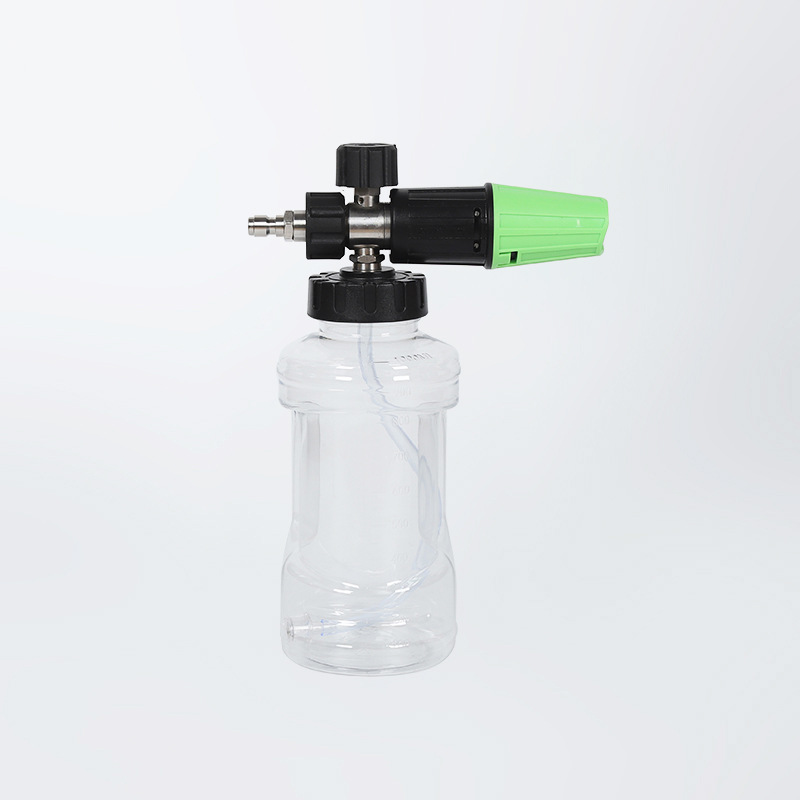
The High-pressure car wash adjustable foam pot can adjust the foam concentration as needed, which allows the High-pressure car wash adjustable foam po...
See Details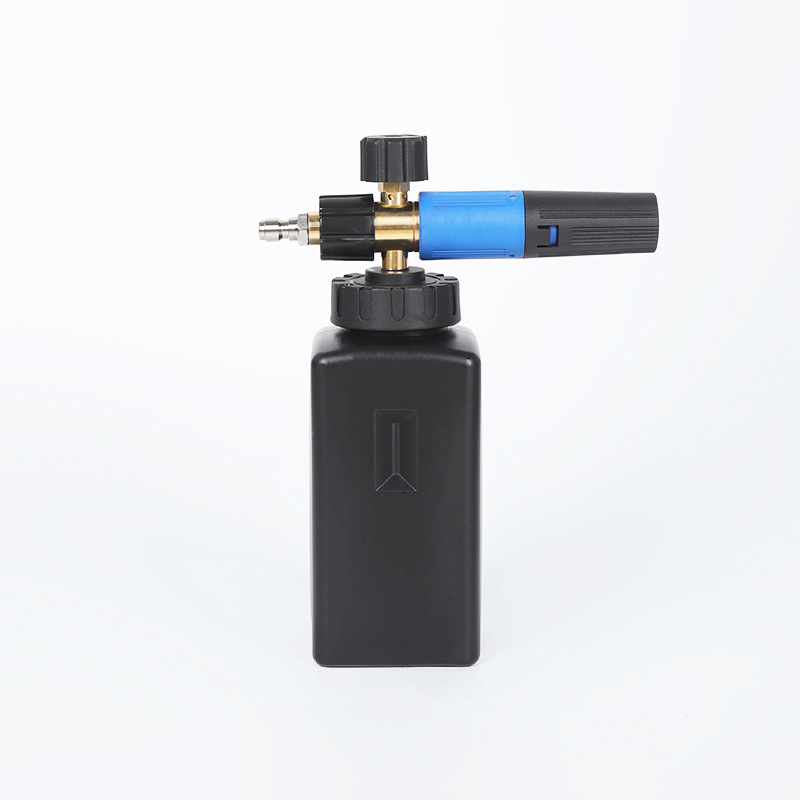
Handheld design, easy to use, and easy to carry.Equipped with a high-pressure pump to pressurize the cleaning agent and spray foam easily during use, ...
See Details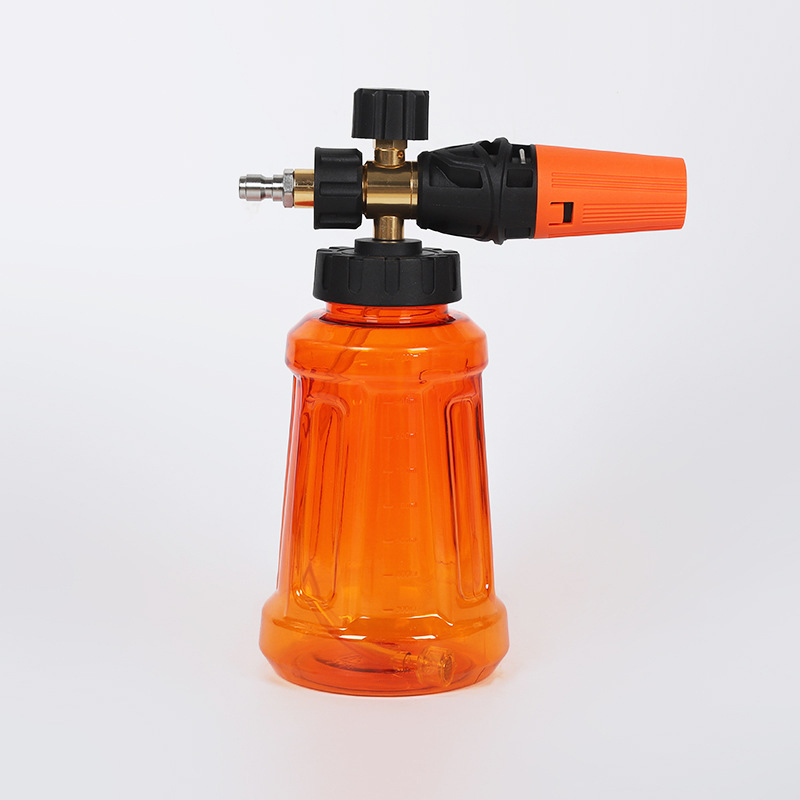
High-pressure water gun 1/4 quick plug foam pot is equipped with a 1/4 quick connect plug, which can easily connect a pressure washer or other cleanin...
See Details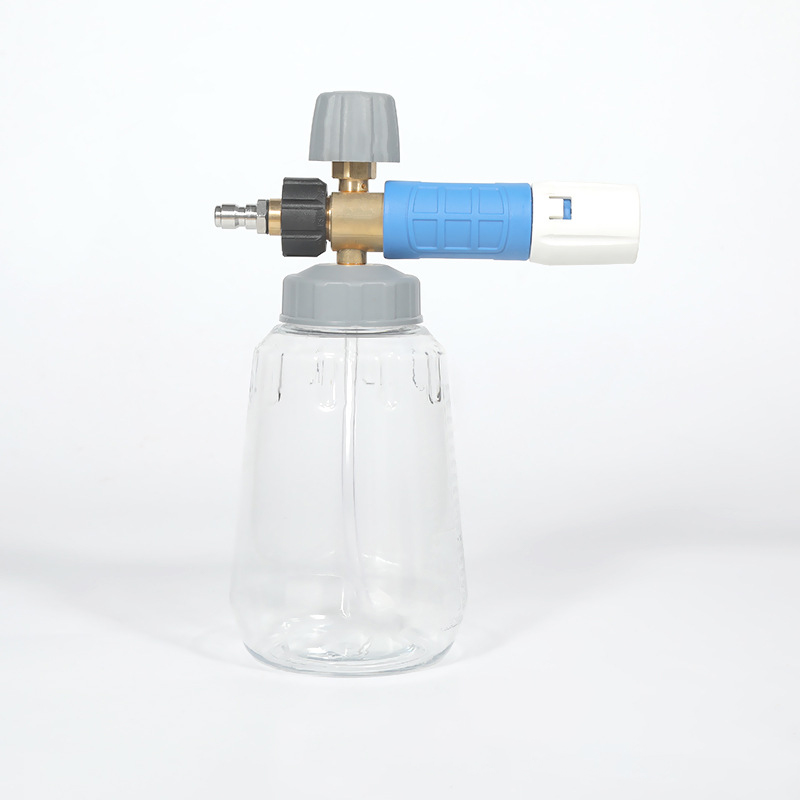
The installation of the Sector-shaped high-pressure car wash PA foam pot is relatively simple and can be easily installed on cleaning machines and oth...
See Details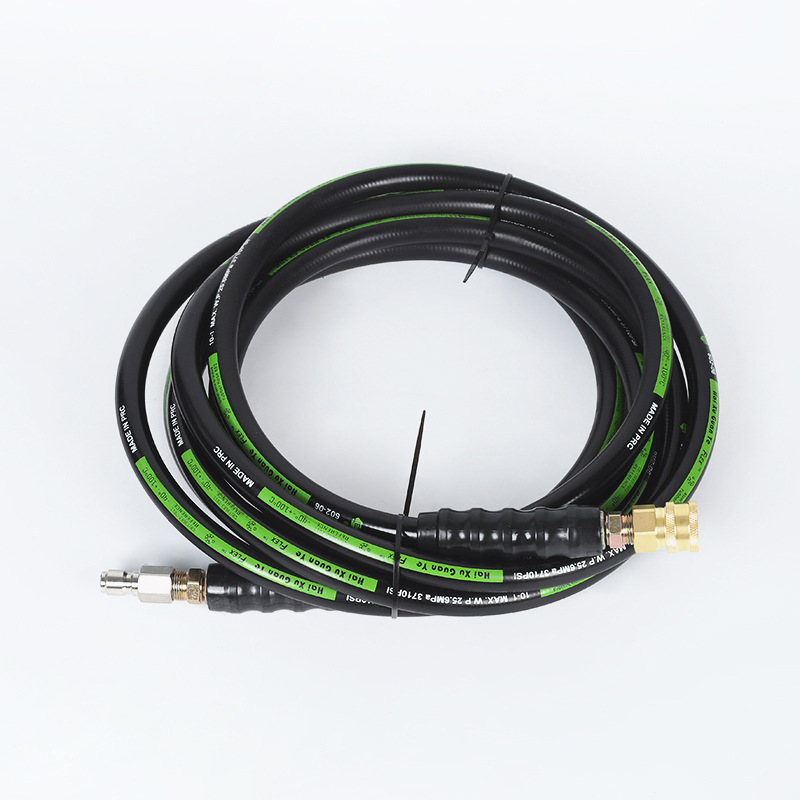
Car washing machine high-pressure water gun adapted to sewage hose is specially designed for car washing and is suitable for various car beauty shops ...
See Details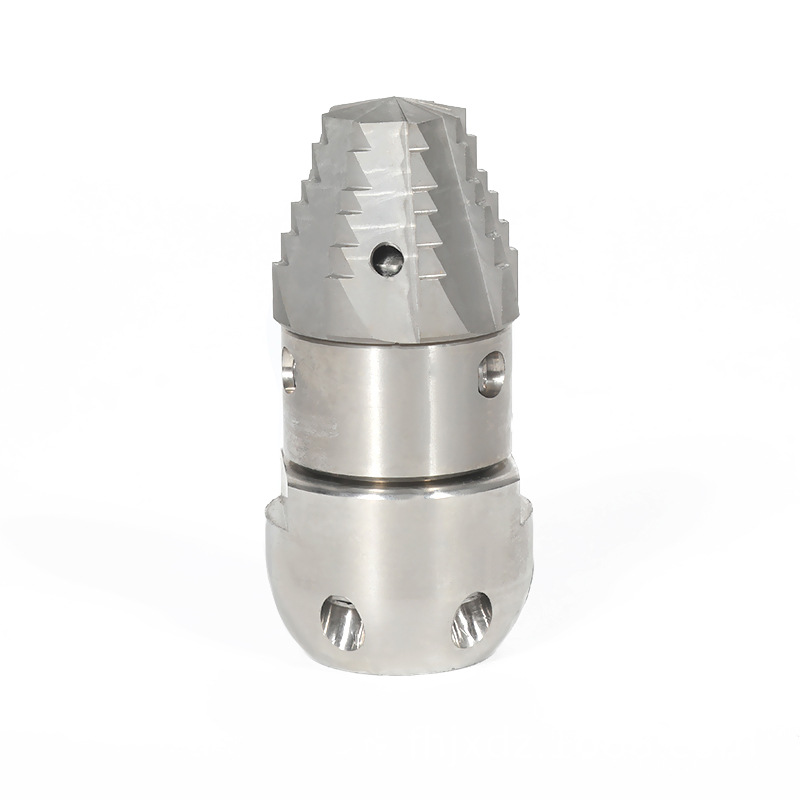
Sewer flushing and unblocking nozzle 40L is made of durable materials, which have strong durability and stability and can withstand long-term use. The...
See Details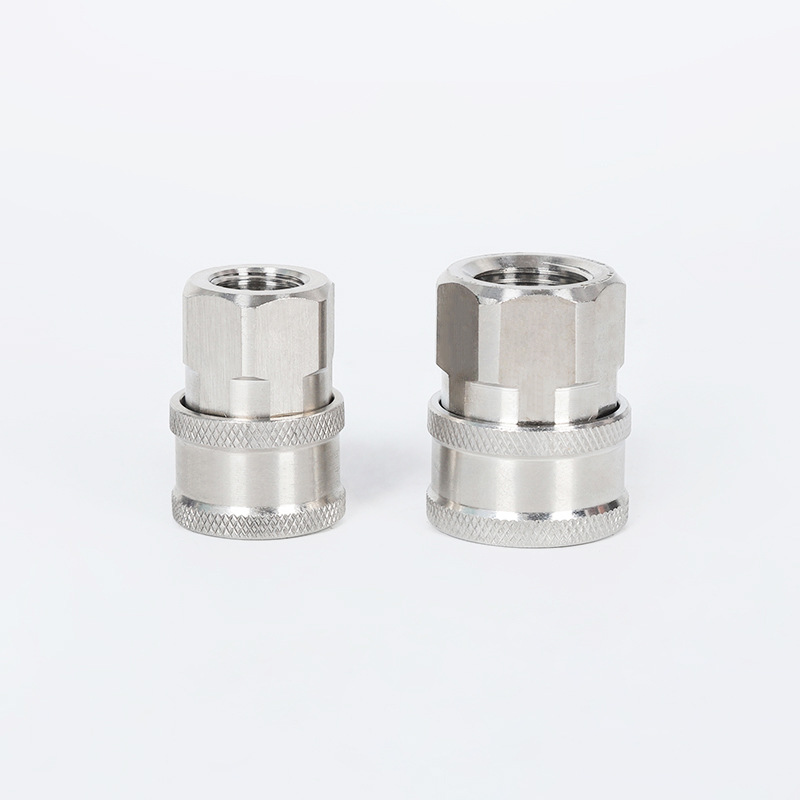
Car wash machine gun water outlet adapter can connect to water source interfaces of different specifications to ensure compatibility with various type...
See Details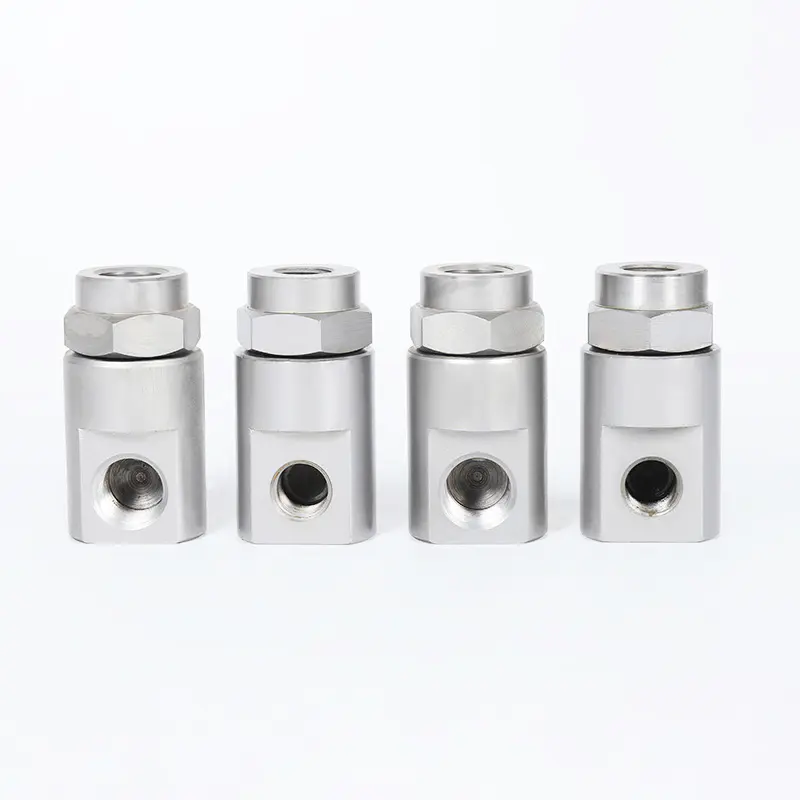
High pressure stainless steel rotary joint is a device used to transfer media in high-pressure liquid systems. The rotary joint can realize the transm...
See Details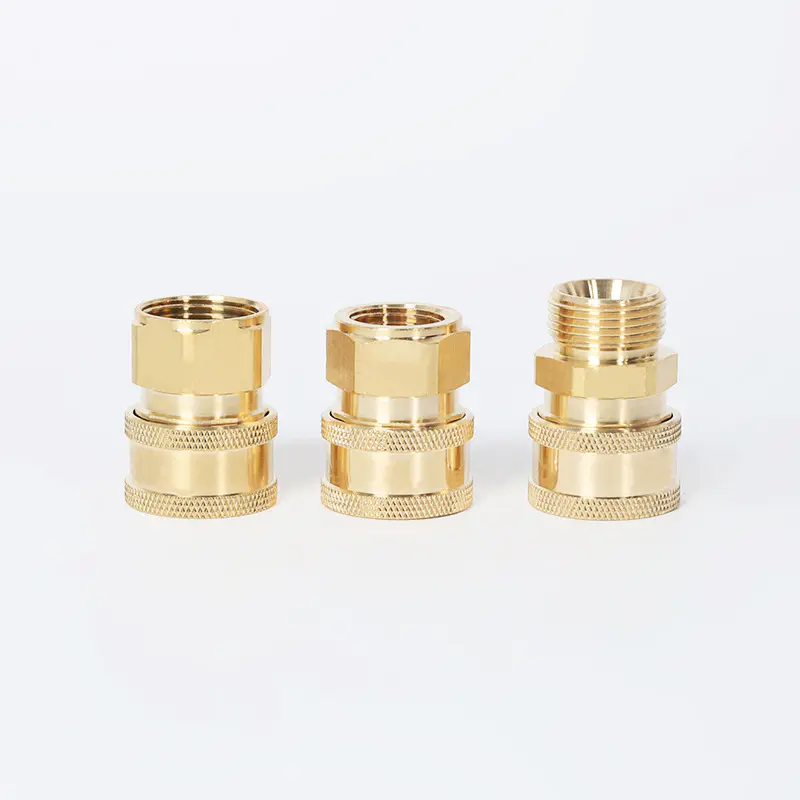
High-pressure cleaning machine quick change 1/4 union quick plug can realize the quick connection between different parts or equipment, making it conv...
See Details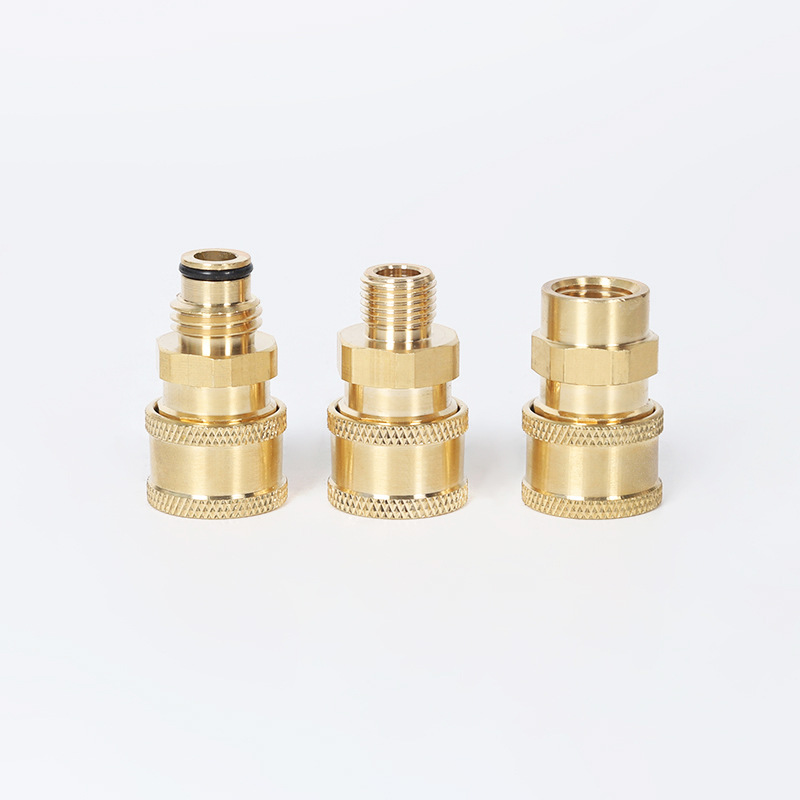
Car wash water nozzle head conversion 1/4 union quick plug is suitable for various types of car wash water guns and car wash equipment, providing more...
See DetailsCopyright © Yuyao Fuhua Machinery Equipment Co., Ltd. Rights Reserved.
Wholesale High Pressure Cleaning Tools/Accessories Manufacturers


