


 中文简体

High Pressure Large Mouth White Foamer
Cat:Pressure Washer Foam Pot
The large diameter design is one of the outstanding features of the High-pressure large-mouth white foamer. This design allows this product to spray a...
See Details2026-11-19
Two quotes land on the same desk. One is for a 200 bar pressure washer, the other for a box of nozzles, quick-connects and a 20 m hose. The machine gets the meeting; the accessories get the scrutiny. For most facilities that is the right way round.
Here is the short version: in commercial cleaning equipment, the power unit is the least variable part of the package. A 150 bar machine from one supplier behaves much like a 150 bar machine from another. What changes the result, and what stops work when it fails, is the layer in between: nozzle orifice, connector standard, hose bore and foam ratio. Buy the machine to a standard, and buy the accessories to the task.
Commercial cleaning equipment is a category defined by duty rather than shape. Distributors group it into floor scrubbers and buffers, carpet extractors, sweepers, wet and dry vacuums, air movers and pressure washers, then split each group by walk-behind, ride-on or portable format. In procurement, the split that matters is the duty cycle: how many hours a day the unit runs and how hard the operator pushes it.
| Duty class | Pump pressure | Flow | Common coupling | Component that wears first |
|---|---|---|---|---|
| Residential and light duty | 90–150 bar | 5–8 L/min | 1/4 in quick-connect, M22 | Hose, plastic bayonet fittings |
| Contract cleaning | 100–160 bar | 8–12 L/min | 1/4 in or 3/8 in quick-connect | Nozzle orifice, o-rings |
| Industrial and municipal | 150–250 bar, up to about 1,380 bar for jetting guns | 15–40 L/min and above | 3/8 in quick-connect, threaded | Ceramic orifice, swivel joint, hose crimp |
The water path is easier to specify as a diagram than as a parts list, because every branch has its own failure mode:
A machine that "loses pressure" is more often a worn nozzle or a swollen o-ring than a failed pump. That is why the accessory layer deserves its own line in the maintenance budget.
Spray angle and orifice size do two different jobs, and mixing them up is the most common reason a perfectly healthy machine "does not clean". The orifice sets the flow: a larger orifice at the same pump pressure moves more water and cleans faster, but the pressure at the tip drops. The spray angle sets the footprint: a 0 degree pencil jet cuts, a 15 to 25 degree fan strips, and a 40 degree fan rinses or floods a surface.
Three practical rules hold across most sites:
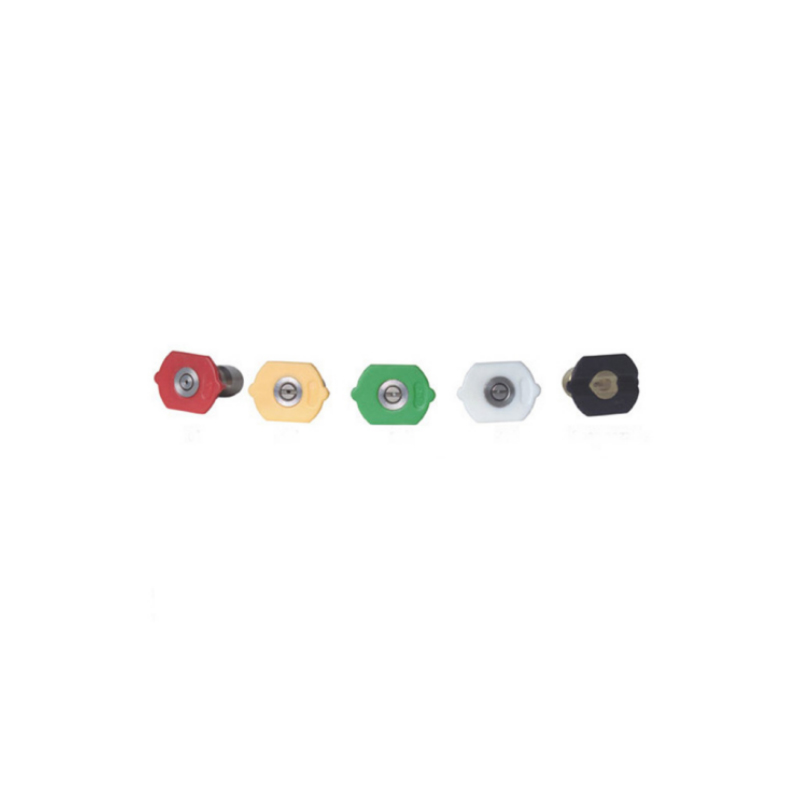 Multicolour Quick-Connect High-Pressure Spray NozzleA five-angle quick-connect nozzle for lances and wands; colour coding helps standardise fittings across car-wash and cleaning tasks.View Product →
Colour-coded multicolour quick-connect sets are a low-cost way to standardise: the same 1/4 in plug fits most lances, foam pots and undercarriage wands, so a single spare set covers several tasks.
Inside a drain line, pressure is rarely the limiting factor. Flow is. What lifts debris and carries it downstream is water volume plus a jet pattern that pulls the hose forward: usually one forward jet to break the blockage and three or four rear jets angled backwards to flush and propel.
Rated flow of three drain-cleaning nozzles (L/min, from published product data)
Read that chart against the pump, not against the catalogue. A 60 L/min nozzle on a machine that delivers 15 L/min will simply run at low pressure and poor forward thrust. Match the nozzle rating to the pump output first, then choose the jet pattern for the pipe diameter.
 60 L/min Ceramic Sewer Dredging NozzleA wear-resistant ceramic nozzle rated 60 L/min and 200 bar for pipeline dredging; choose it where grit would wear a brass tip.View Product →
Ceramic orifices are worth the premium in drain work because the water carries grit. A hardened insert keeps its bore and its jet angle far longer than a drilled brass tip, which matters when the same nozzle is used several times a week.
Quick-connect failures are boring and expensive. A worn o-ring, a 1/4 in plug forced into a 3/8 in socket, or a brass coupler dropped once too often will cost more operating hours than a pump service. Three rules cover most of it: standardise on one coupling family across the fleet, match coupler material to duty, and treat o-rings and couplers as consumables kept on the shelf rather than parts to order.
Hose choice follows the same logic. Bore and length both cost pressure, so a long, narrow hose on a high-flow machine gives away performance that the pump has already paid for. Braided and wire-reinforced constructions resist kinking and abrasion on concrete and kerbs; rubber stays flexible in cold weather. Hose reels are not a convenience item either, since dragging a loose hose over edges is one of the fastest ways to damage the outer cover.
If the fleet mixes brands, the guide to choosing the right pressure washer connector is a useful reference for matching plug, socket and swivel before ordering in bulk.
On flat surfaces, a rotary surface cleaner with wheels beats a hand lance on the three measures clients actually notice: speed, finish evenness and water containment. The same logic applies at the top end of the pressure range. A 20,000 psi (roughly 1,380 bar) class overflow gun and its rotary joints are wear items by design, so they should be bought as serviceable components with spares available, not as sealed units.
 Stainless Steel High-Pressure Surface Cleaner with WheelsA wheeled stainless steel cleaner for floors and industrial equipment; positioned for faster, more even flat-surface cleaning than a hand lance.View Product →
Foam is where consistency is won or lost. Detergent ratio, air intake and nozzle restriction together decide whether the foam clings for two minutes or runs off in ten seconds. The practical answer is a metering tip chart taped inside the van, plus a small range of pressure washer foam pots so that one pot is always clean and loaded while the other is in use.
Accessory quotes are hard to compare because catalogue names rarely match the real specification. Six fields close most of the gap:
Where no standard part exists, custom machining is a reasonable route rather than a last resort. A supplier with a precision mechanical parts background, such as Yuyao Fuhua Machinery Equipment Co., Ltd., which describes 16 years of experience and more than 1,000 executed projects, can usually quote from a sample or drawing, including non-standard threads, angled bodies and mixed stainless and brass assemblies.
Run one test before signing anything: can the working end of the machine be rebuilt from a single spares box? If a nozzle set, an o-ring kit, one coupler and a length of hose are not on the shelf, the next breakdown turns into an order-and-wait event, and the crew goes back to a broom.
None of these items is expensive next to a pump. Together they decide how many hours a week the equipment is actually available.
Commercial cleaning equipment is judged on the surface but built at the connection points. Before comparing machines on price, compare the specification of what hangs off them: the orifice that sets flow, the coupling that keeps crews interchangeable, the hose that preserves pressure and the foam pot that makes results repeatable. Get that layer right and a mid-range machine will out-clean a premium one fitted with mismatched parts.
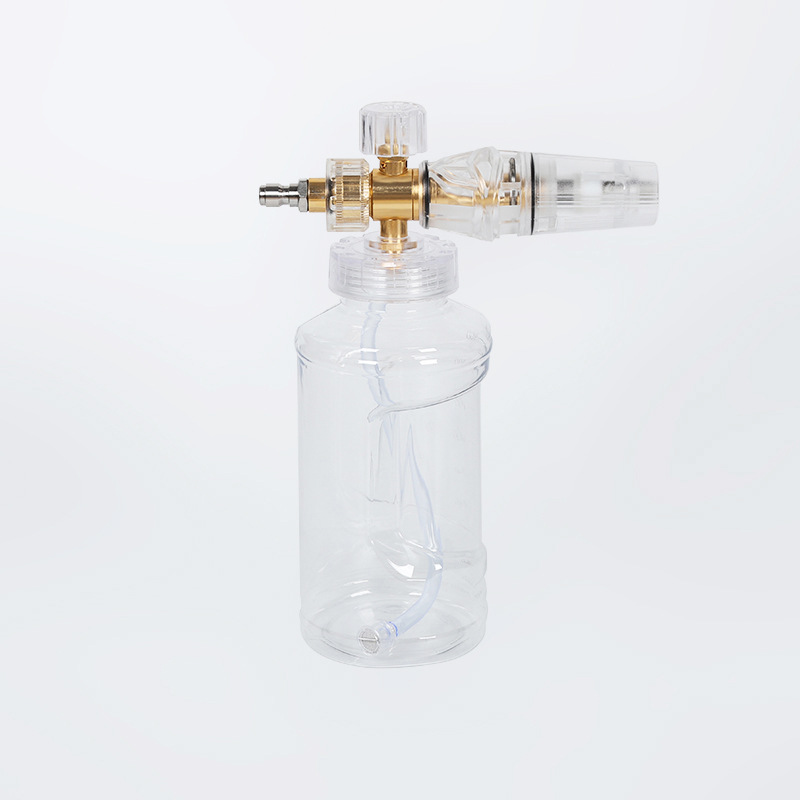
The large diameter design is one of the outstanding features of the High-pressure large-mouth white foamer. This design allows this product to spray a...
See Details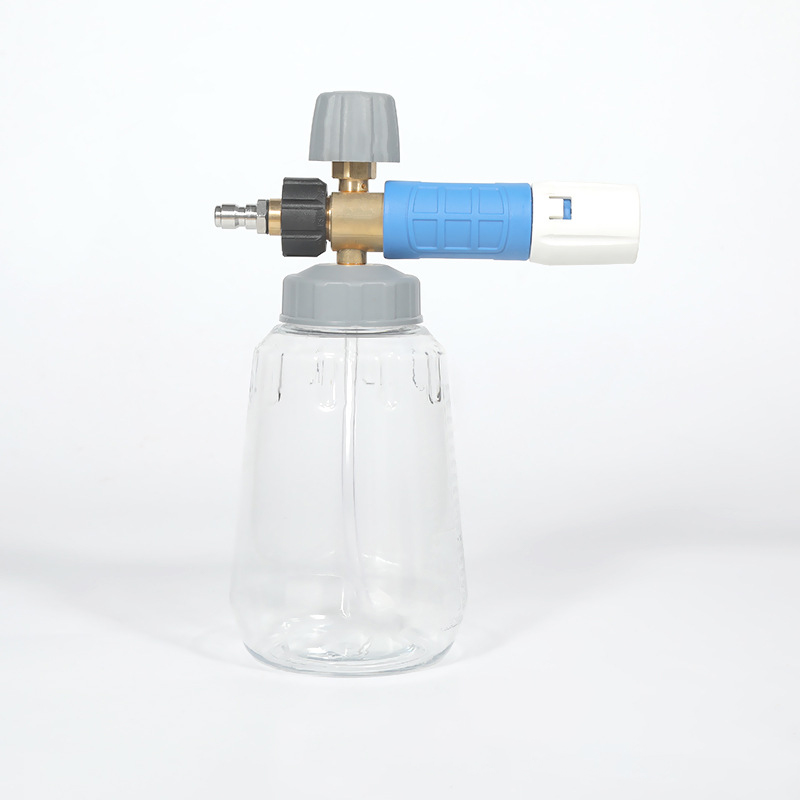
The installation of the Sector-shaped high-pressure car wash PA foam pot is relatively simple and can be easily installed on cleaning machines and oth...
See Details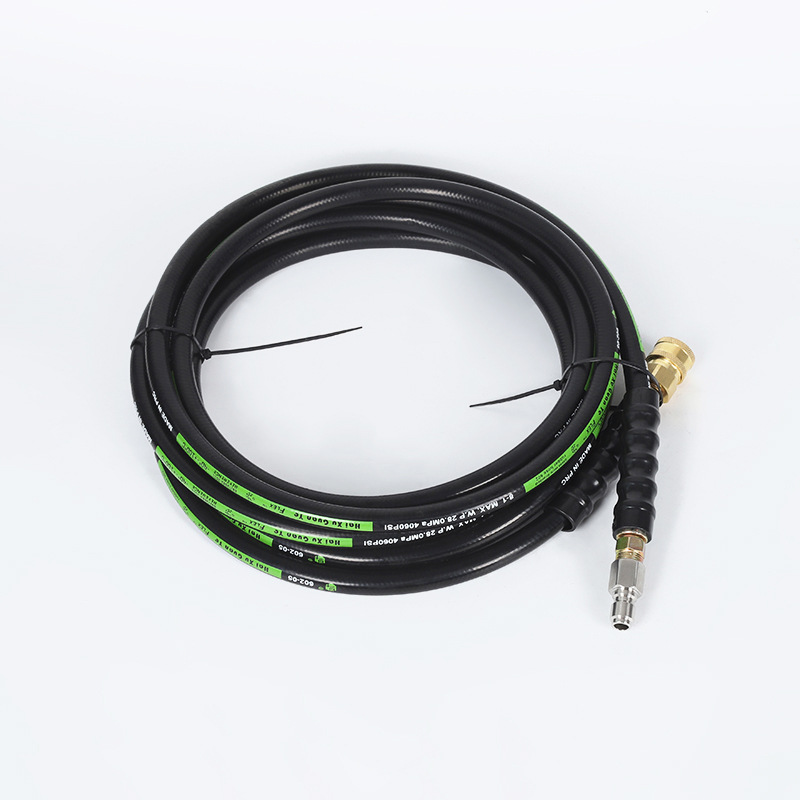
The characteristic of this product is that it can help remove dirt, sediments, and blockages in the pipeline through the impact of high-pressure water...
See Details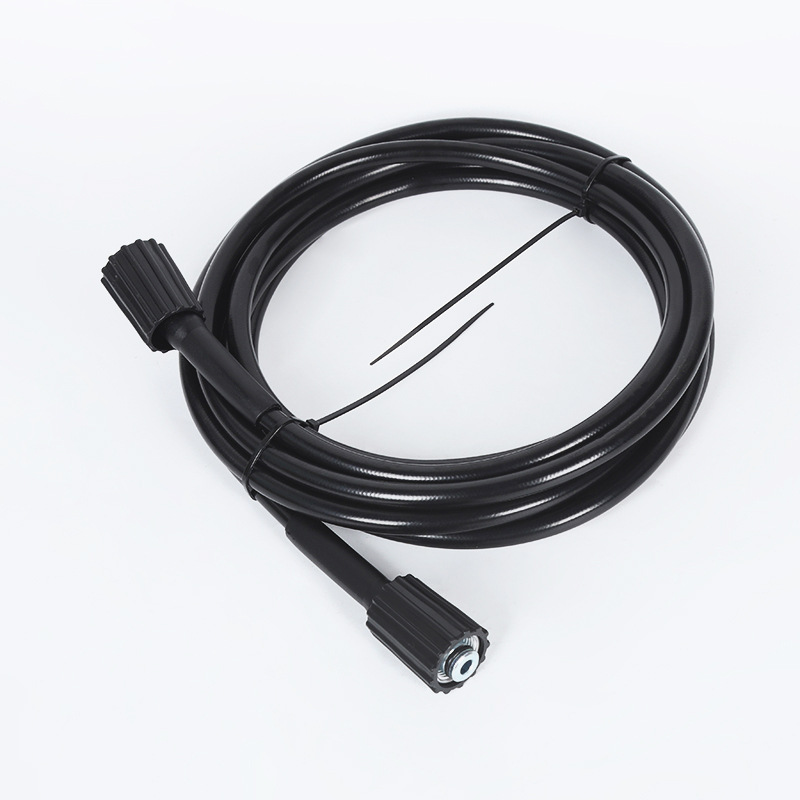
When not in use, the Cleaning machine adapter high-pressure hose can be easily rolled up for easy storage without taking up much storage space. This p...
See Details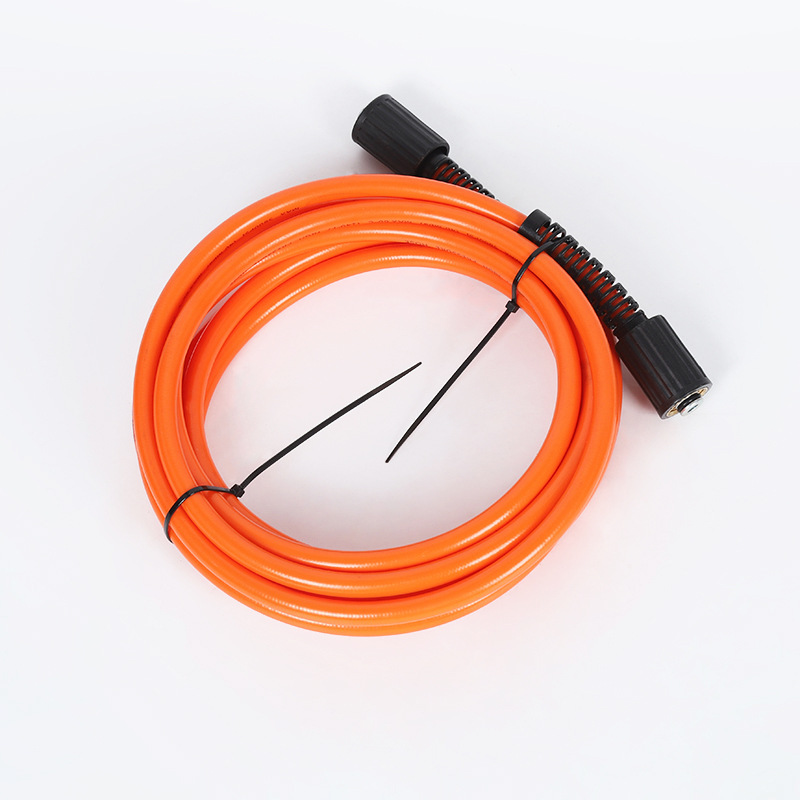
Car washing machine high-pressure wear-resistant water pipe The hose has outstanding wear resistance, which means that when washing the car, there is ...
See Details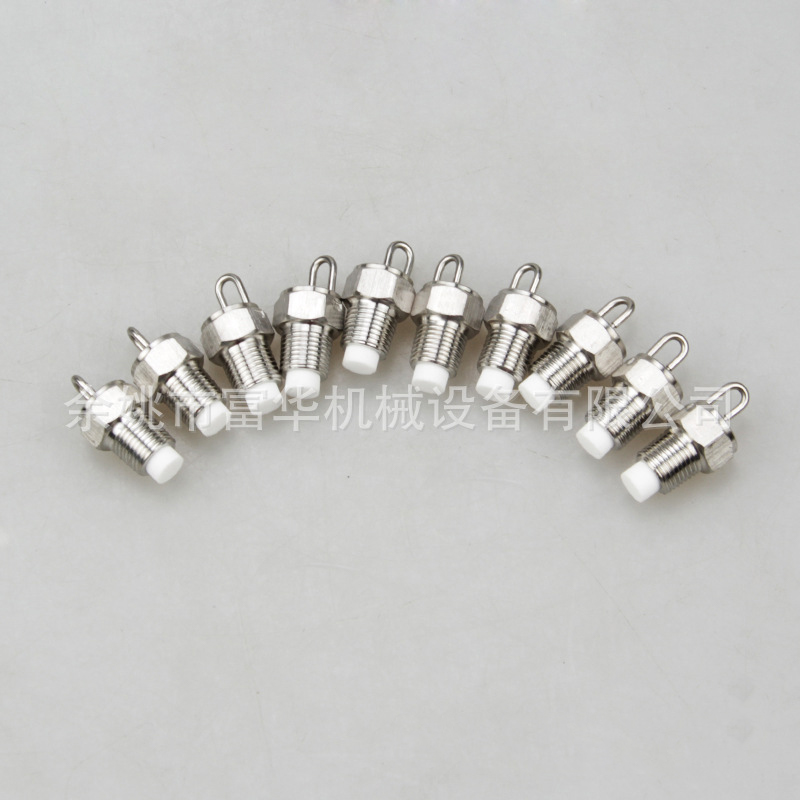
Pipe cleaning round thimble atomizing nozzle is suitable for pipes of different diameters and can clean the inner wall of the pipe in all directions. ...
See Details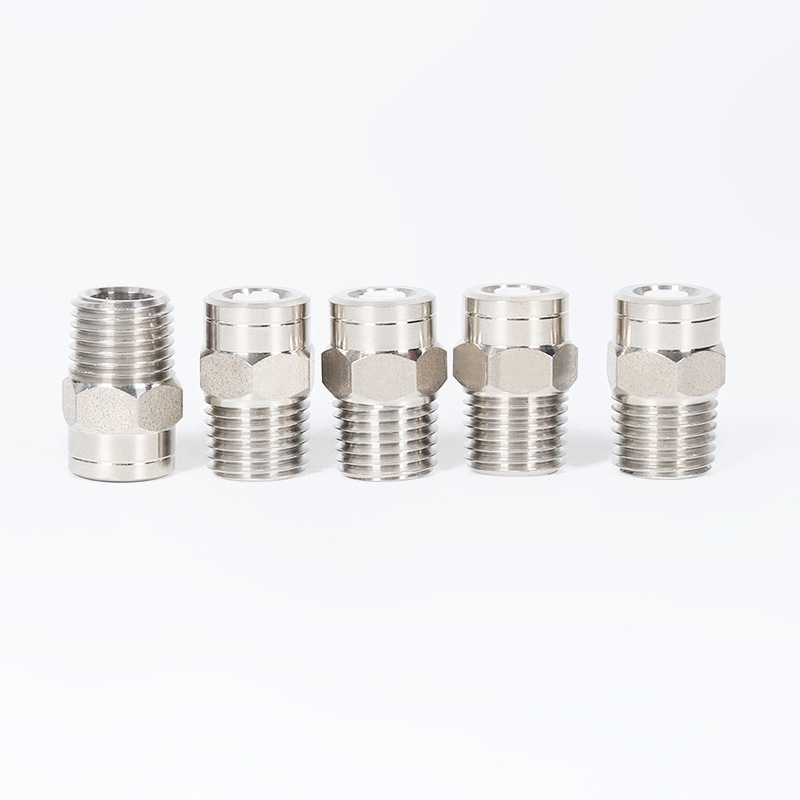
Flushing dust cone atomizing nozzle can provide high-pressure water flow, which can effectively flush dust and dirt, and the cleaning effect is remark...
See Details
Special nozzle for washing machine car wash station is a nozzle product specially designed for car washing machines. It can effectively clean dirt, se...
See Details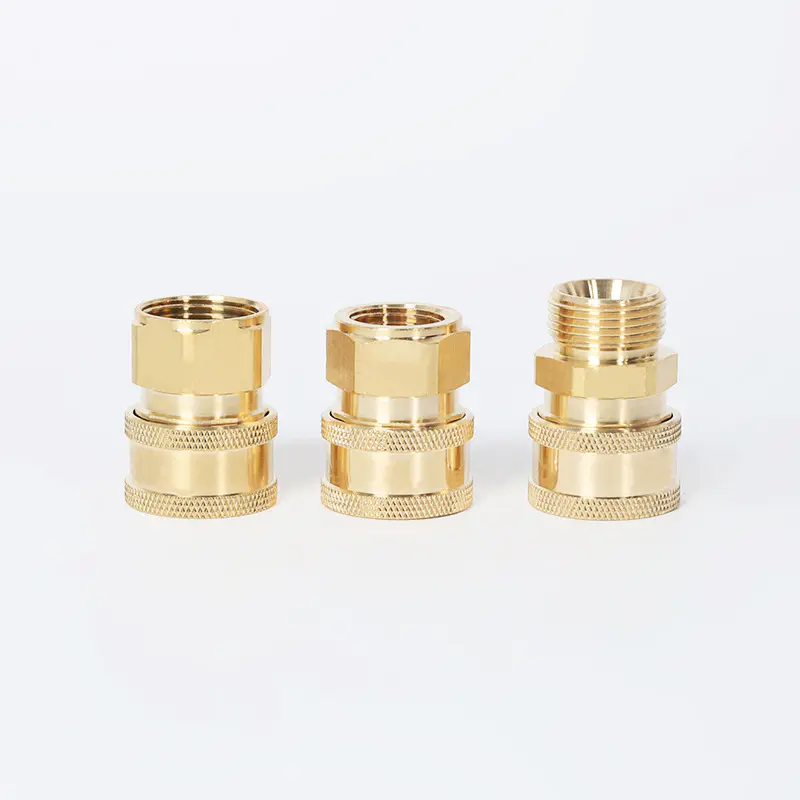
High-pressure cleaning machine quick change 1/4 union quick plug can realize the quick connection between different parts or equipment, making it conv...
See Details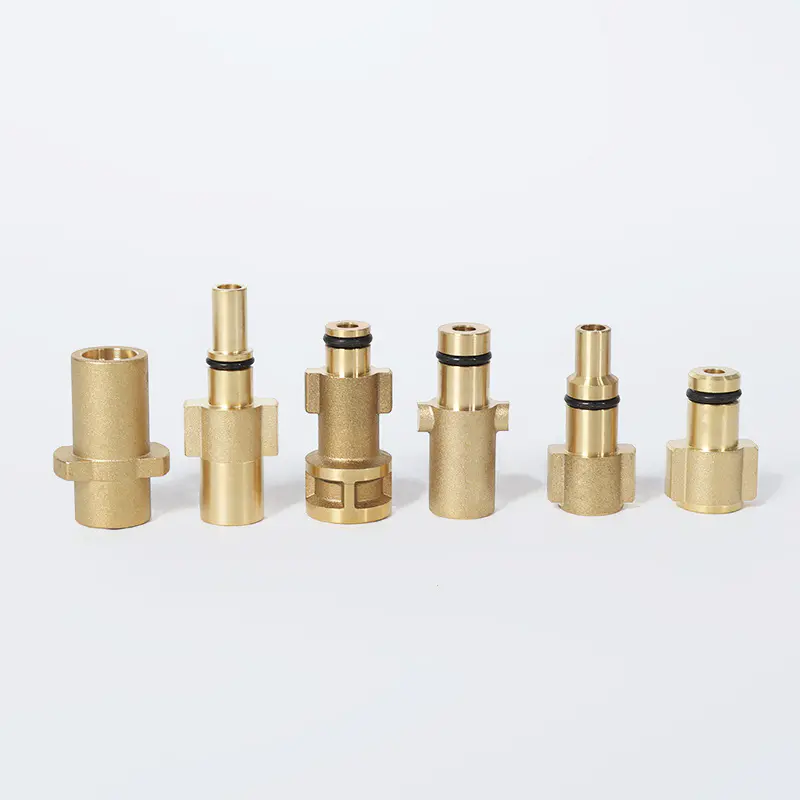
The main body of the High-pressure car washing machine pure copper connector is made of pure copper, which has electrical and thermal conductivity, as...
See DetailsCopyright © Yuyao Fuhua Machinery Equipment Co., Ltd. Rights Reserved.
Wholesale High Pressure Cleaning Tools/Accessories Manufacturers


