A 2,000 psi high pressure cleaner with a 1.2 GPM pump and a worn 25° nozzle can leave a concrete driveway streaky, while a 1,500 psi unit moving 1.6 GPM with the right nozzle can rinse it faster. The difference is not pressure alone. Cleaning energy depends on pressure, flow, nozzle orifice, hose losses, and connector condition. For most buyers, the practical rule is to choose the lowest pressure that cleans the surface, then confirm enough flow and the right accessory to carry debris away. That protects paint, seals, and hoses while reducing wasted water and time.
Pressure and Flow Decide Cleaning Power
Pressure, measured in bar or psi, is the force at the nozzle. Flow, measured in L/min or GPM, is the volume moving through the system. Hydraulic cleaning power rises roughly with pressure multiplied by flow, so a 150 bar machine at 10 L/min usually does more work than a 180 bar machine at 6 L/min. Pressure helps break the bond between soil and surface; flow carries loosened material away and rinses faster.
That is why a “3,000 psi” label without a flow figure is incomplete. Ask for both numbers at the same operating point, and check whether the pump is rated for continuous use. A small axial pump may suit occasional car washing; a triplex pump is a better match for daily commercial work. The table gives practical starting ranges; final selection still depends on surface condition, nozzle size, and hose length.
Table 1. Typical high pressure cleaner classes and the accessory decisions that follow from them.
| Class |
Typical pressure |
Typical flow |
Typical work |
Main risk |
| Light-duty |
80–120 bar (1,160–1,740 psi) |
5–7 L/min (1.3–1.8 GPM) |
Car body, bikes, patio furniture |
Close-range damage to paint and seals |
| Medium-duty |
120–160 bar (1,740–2,320 psi) |
7–10 L/min (1.8–2.6 GPM) |
Driveways, siding, small fleet washing |
Hose and coupler wear under daily use |
| Heavy-duty |
160–250 bar (2,320–3,600 psi) |
10–15 L/min (2.6–4.0 GPM) |
Concrete, farm equipment, commercial washing |
Operator fatigue and surface etching |
| Ultra-high-pressure |
250+ bar (3,600+ psi) |
15+ L/min (4.0+ GPM) |
Industrial drain and pipe cleaning, surface preparation |
Rated fittings, trained operators, and PPE are essential |
 High Pressure Washer Cleaner Machine for General Outdoor CleaningReview this machine when comparing pressure and flow claims, pump duty, and whether the hose, gun, and nozzle suit the cleaning task.View Product →
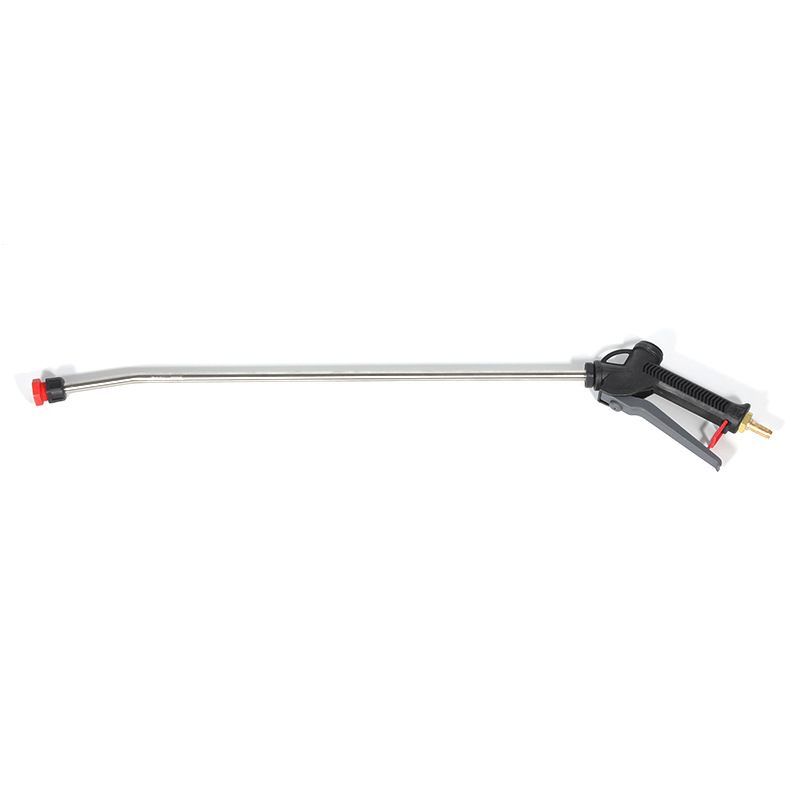
Confirm that the pump, hose, gun, and nozzle are matched as a system. A high pressure cleaner that arrives with a short, narrow hose and a single nozzle may need immediate accessory upgrades to reach its stated performance.
Nozzle Choice Changes the Job More Than Most Buyers Expect
The nozzle is the last restriction before water hits the surface. A smaller orifice raises pressure at the nozzle but can overload the pump if it is outside the machine’s flow range. A larger orifice lowers pressure and may leave the surface wet rather than clean. Fan angle also matters: 0° and 15° nozzles concentrate force for concrete and metal; 25° is a general angle for siding and vehicle prewash; 40° is safer for delicate paint and rinsing. Keep the wand moving, because a concentrated jet can etch wood, strip paint, or damage seals.
- 0–15°: concentrated cleaning for concrete, metal, and stubborn stains.
- 25°: general-purpose cleaning for siding and vehicle prewash.
- 40°: delicate surfaces, chemical rinse, and wider coverage.
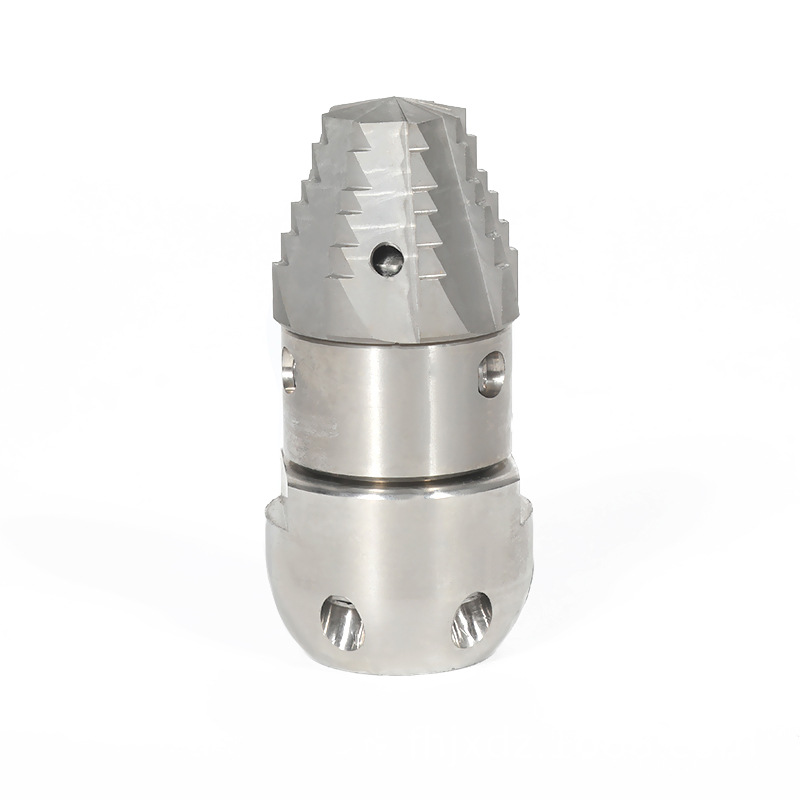
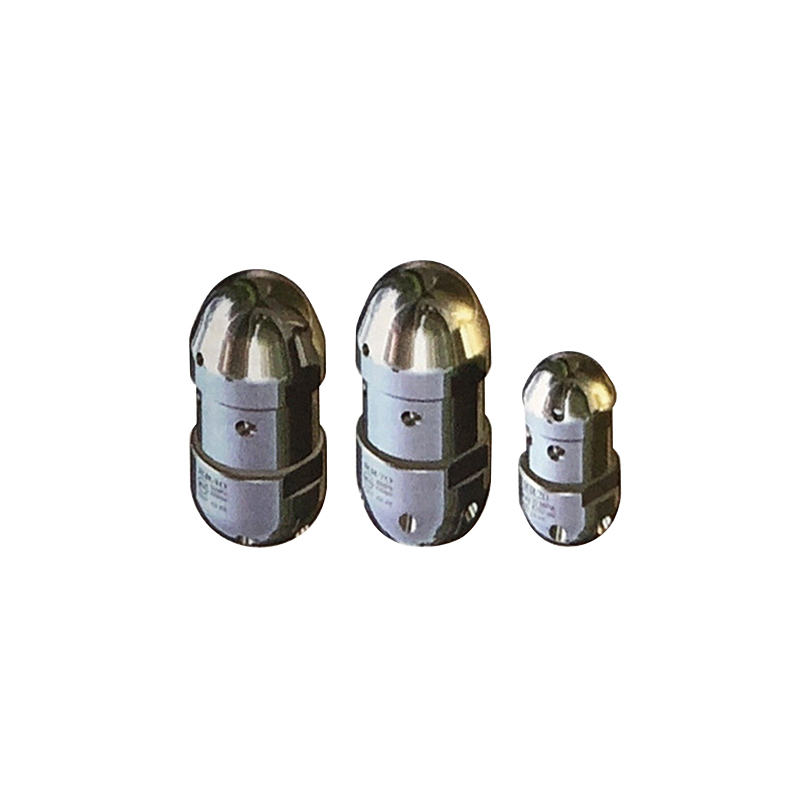
- Rotating or pipe nozzle: drain lines and internal pipe cleaning; confirm hose and coupler ratings.
 Quick Connect High Pressure Spray Nozzle with Five AnglesChoose this multi-angle quick-connect nozzle when matching spray width and orifice to pump flow for car washing, rinsing, and general cleaning.View Product →
For drain lines, a forward/rear jet nozzle uses a forward jet to penetrate and rear jets to pull the hose forward. Match the nozzle to the pump flow; an oversized nozzle wastes water, while an undersized one raises pressure beyond the pump’s intended range.
Hose, Connectors, and Foam Accessories Complete the System
A 10 m hose at 3/8 in. inside diameter usually loses less pressure than a longer 1/4 in. hose, but it is heavier and costs more. Match length to the work: 6–10 m is practical for cars and patios; 15–20 m may be needed for driveways and fleet washing. Check the burst rating and bend radius, not just the outside appearance.
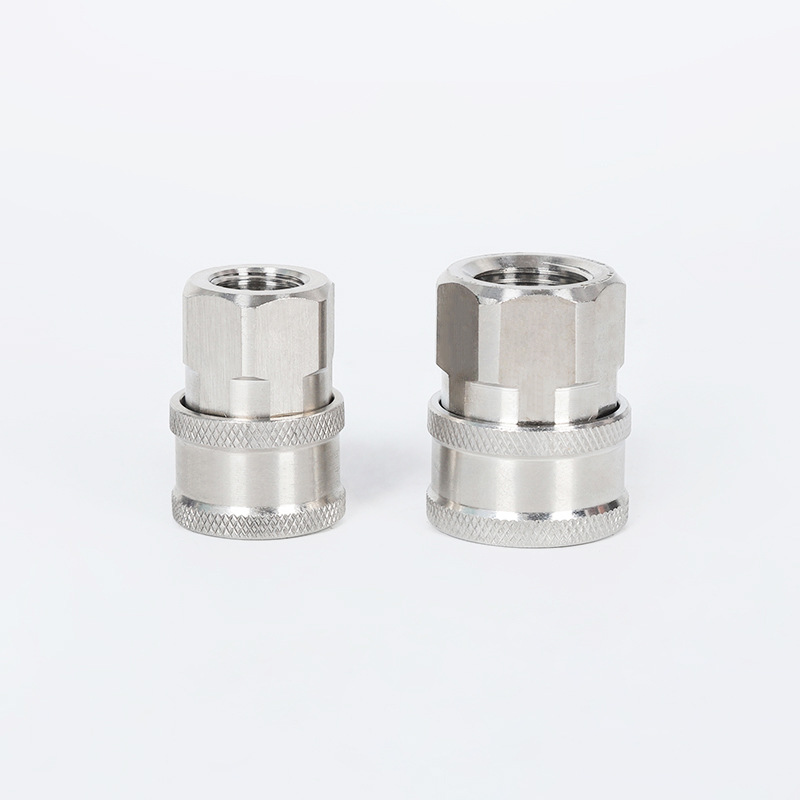
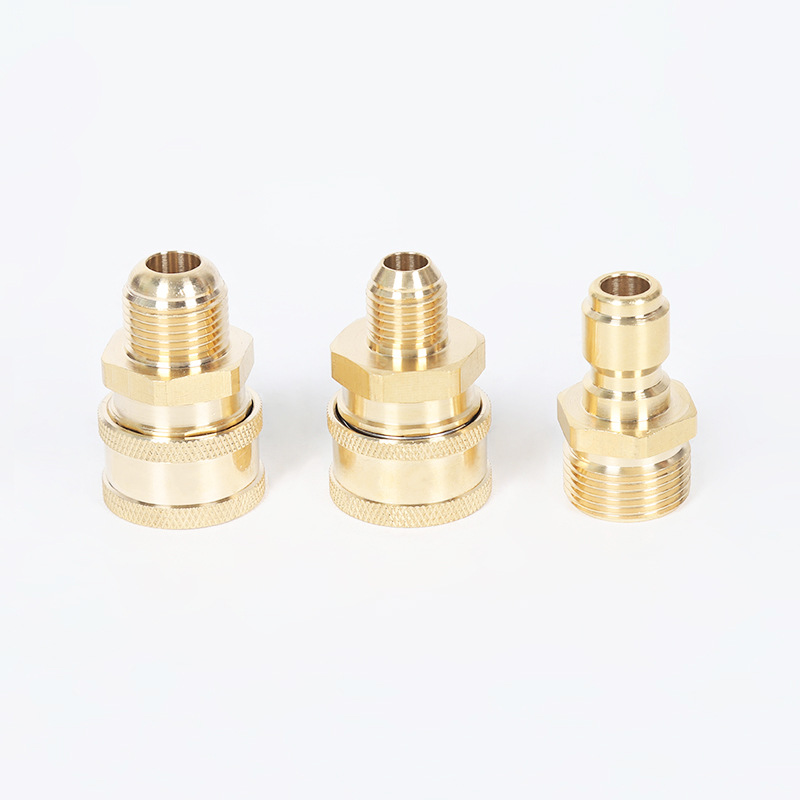
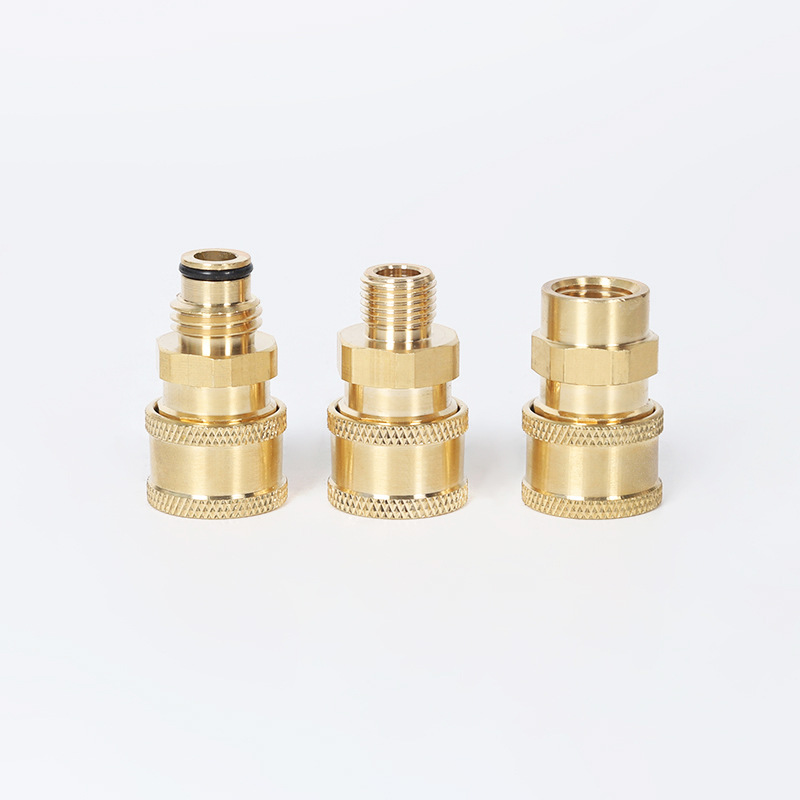
Connectors are a common source of leaks and downtime. Quick couplers should match the gun, wand, and hose in both size and type; a 1/4 in. plug will not seal correctly in a 3/8 in. socket. Stainless steel bodies resist corrosion, while brass is common in lower-pressure lines. Replace O-rings at the first sign of weeping. For a deeper comparison, see this connector selection guide.
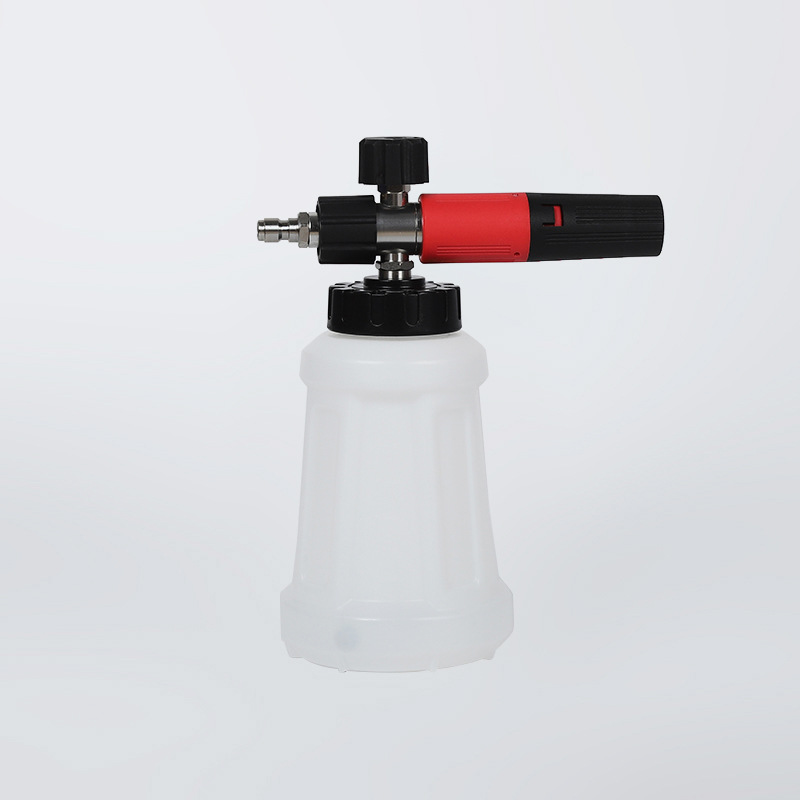
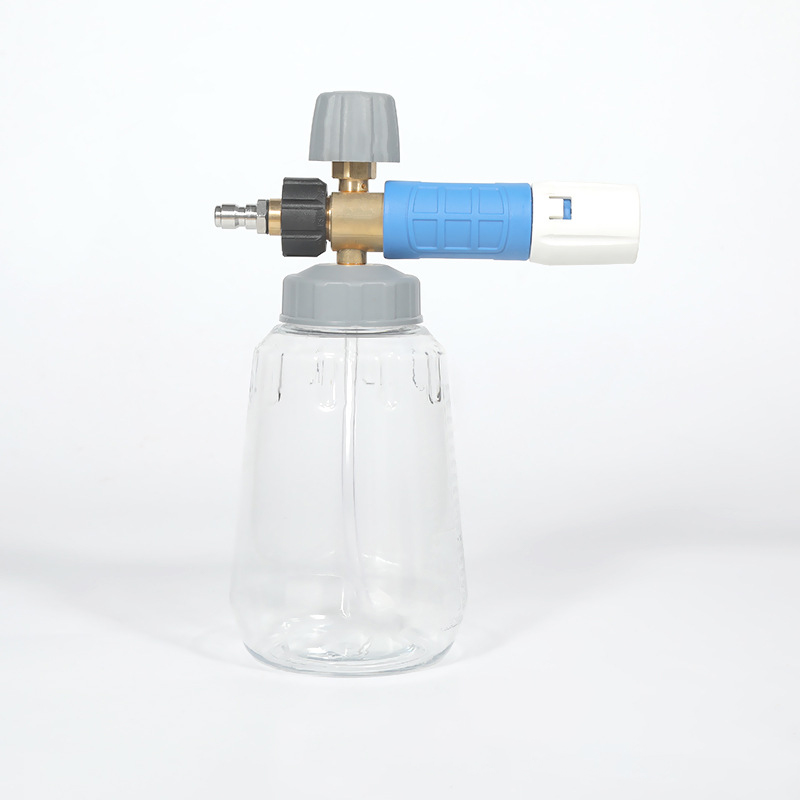
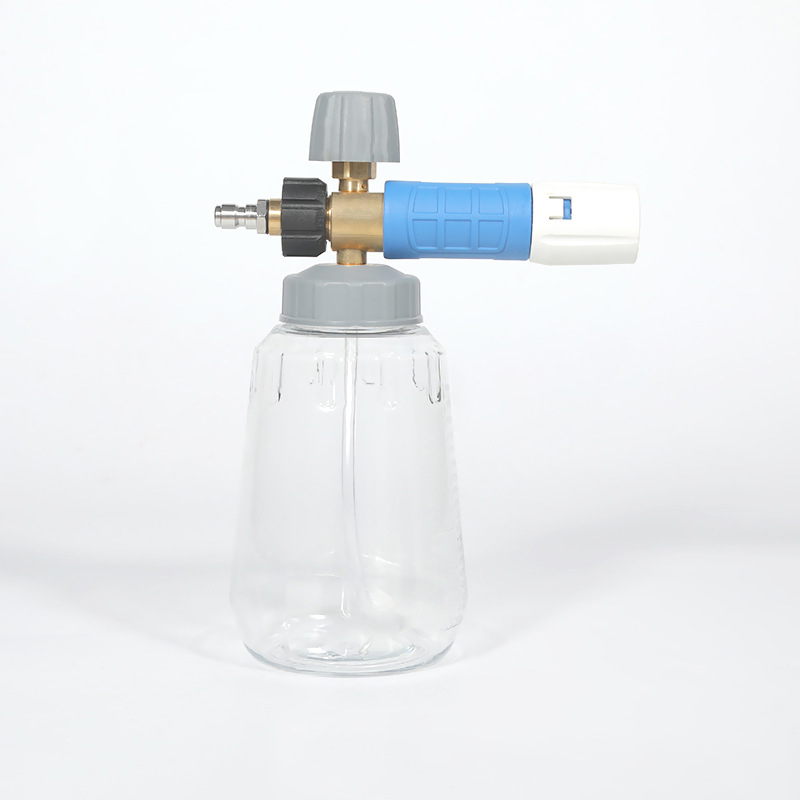
Foam pots add prewash capability, but foam quality depends on dilution ratio, chemical viscosity, and the nozzle fitted to the pot. A pot that produces thin foam may need a different metering tip or a higher concentration, not simply more pressure. Rinse the pot after each use because dried chemical can clog the pickup tube and air passages.
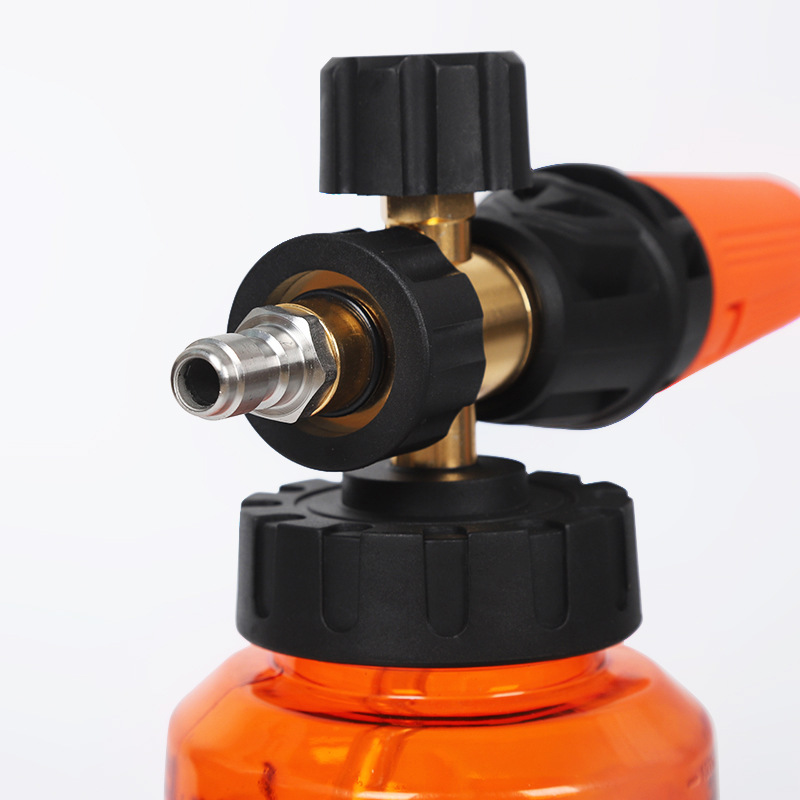 1/4 Quick Plug Pressure Washer Foam Pot AttachmentUse this quick-connect foam pot for prewash when dilution, chemical viscosity, and nozzle choice matter more than simply increasing pressure.View Product →
Selection Tree for Common Cleaning Tasks
Use this tree from task to pressure to accessory. If two branches overlap, start at the lower pressure and test a small area before increasing force.
- Vehicle body and wheels
- 80–120 bar (1,160–1,740 psi)
- 25–40° nozzle; foam pot for prewash
- Concrete driveway or patio
- 120–180 bar (1,740–2,610 psi)
- 15–25° nozzle or surface cleaner
- Drain or pipe
- 150–250 bar (2,175–3,600 psi)
- Forward/rear jet pipe nozzle; rated hose and couplers
- Industrial equipment or heavy grease
- 160–250 bar (2,320–3,600 psi)
- 15° nozzle, hot water if available, and PPE
- Garden furniture and siding
- 80–120 bar (1,160–1,740 psi)
- 25–40° nozzle; keep a safe distance
Materials and Maintenance: Where Cheap Components Fail
Most premature failures show up at seals, couplers, and hose ends rather than the pump housing. Hard water leaves scale in the nozzle; an inlet filter and regular flushing reduce the problem. Nozzle orifices wear over time, so a nozzle that once cleaned well may gradually lose impact. Keep spare O-rings, a spare nozzle, and a hose repair kit for commercial work.
- Check pressure and flow at the same operating point, not separately.
- Confirm coupler size and type before buying replacement guns or wands.
- Use hoses and nozzles rated above the machine’s maximum pressure.
- Drain the pump and hose before freezing weather; trapped water can crack housings and fittings.
- Wear eye protection and boots, and never point the gun at a person or an animal.
Procurement risk is highest when a buyer compares only headline pressure. A low-cost unit may use a short hose, a plastic coupler, or a nozzle that is hard to replace. Those details affect downtime more than a small difference in pressure rating.
A Practical Specification Example
For a small property-maintenance team washing three to five driveways a week and doing occasional vehicle prewash, a sensible specification is 150 bar (about 2,175 psi), 10 L/min (about 2.6 GPM), a 10 m 3/8 in. hose, 1/4 in. quick couplers, 15° and 25° nozzles, a surface cleaner, and a foam pot. The flow rinses a driveway without wasting time, the pressure is high enough for concrete but manageable on siding, and the 3/8 in. hose reduces pressure loss.
For car washing only, 100–120 bar and 7 L/min with 25° and 40° nozzles is easier to control. For drain cleaning, 150–200 bar with a forward/rear jet pipe nozzle is more useful than a higher-pressure fan nozzle, provided the hose and couplers are rated for the job. The high pressure cleaner is only as good as the nozzle, hose, and connector chosen with it.
The Buying Decision in One Paragraph
Choose a high pressure cleaner by matching pressure and flow to the surface, then select a nozzle that fits the machine’s flow range. Confirm hose length, coupler size, and replacement-part availability before you buy. If the work includes vehicles, add a foam pot and a 40° nozzle; if it includes drains, add a pipe nozzle and a rated hose. The best system is not the one with the highest pressure number, but the one that delivers stable pressure, enough flow, and compatible accessories for the jobs you actually do.



 中文简体