A maintenance supervisor in a food plant, a contractor cleaning sewer lines, and a car-wash operator all search for the same category: industrial cleaning equipment that removes heavy dirt without damaging the surface underneath. The quickest way to a correct buying decision is to treat high-pressure cleaning as a system of matched components, not a single machine. The pump delivers pressure and flow; the nozzle creates the cleaning pattern; the hose carries the energy; and the connectors determine how much of that energy actually reaches the work end. A well-matched 150-bar setup can outperform a poorly equipped 250-bar machine on the same job.
What Counts as Industrial Cleaning Equipment
Industrial cleaning equipment includes everything between the water supply and the surface being cleaned. In a typical high-pressure setup, that means four layers:
- Pressure generation
- High-pressure washers and cleaning machines
- Overflow guns and pressure-regulating valves
- Flow delivery
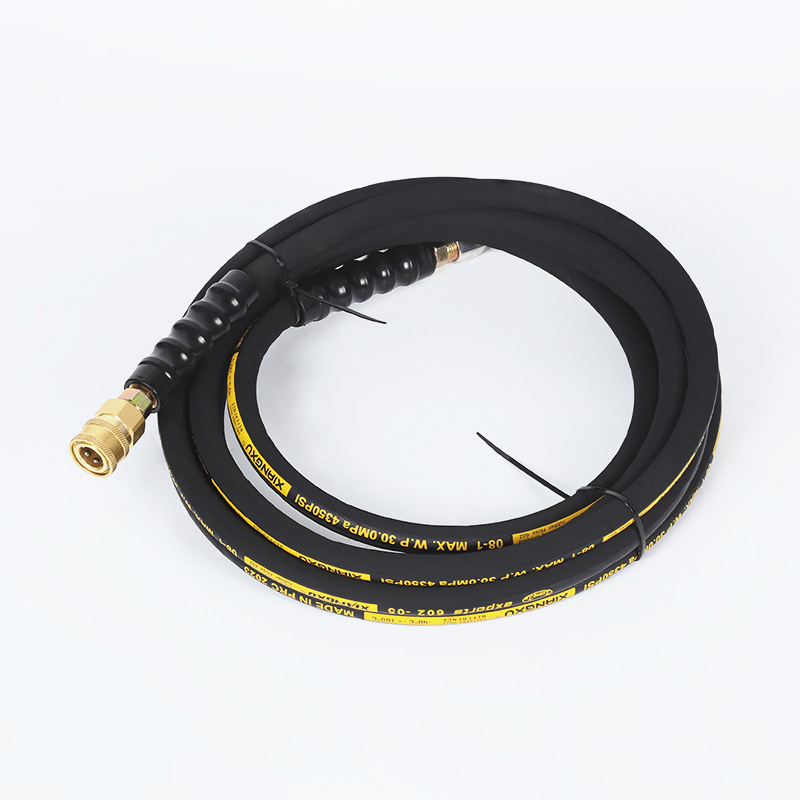
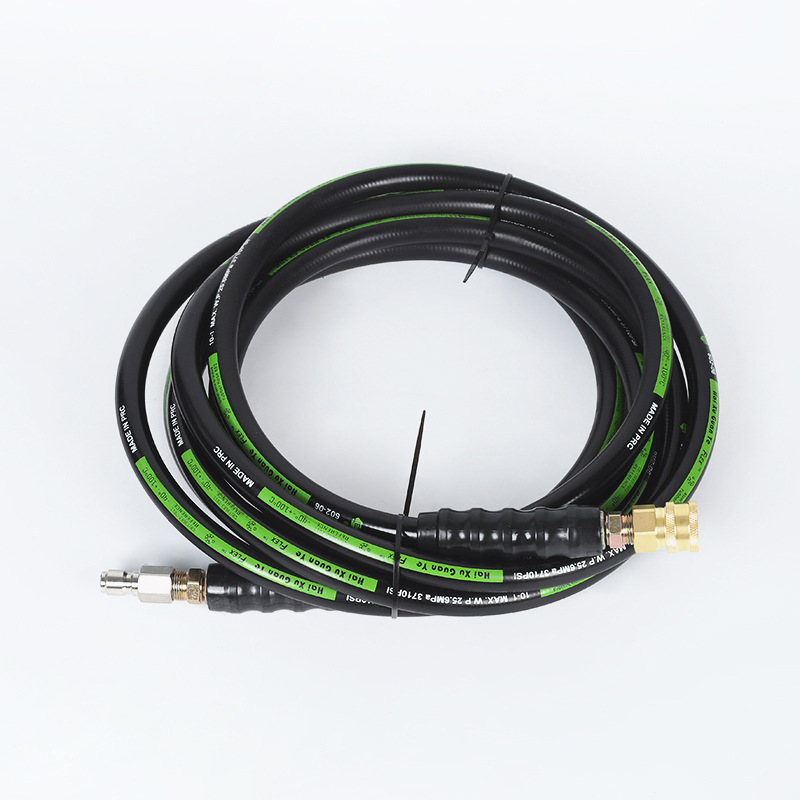
- High-pressure hoses and hose reels
- Quick connectors, adapters, and rotary joints
- Work-end tools
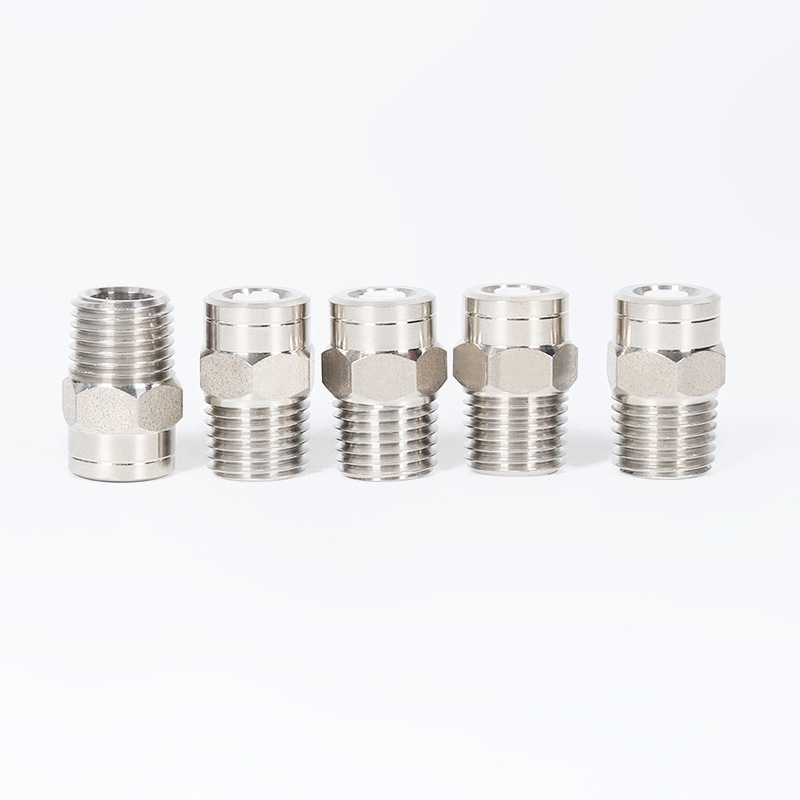
- Rotating, flat-fan, and atomizing nozzles
- Pipe cleaning and sewer jetting nozzles
- Surface cleaners and floor cleaning heads
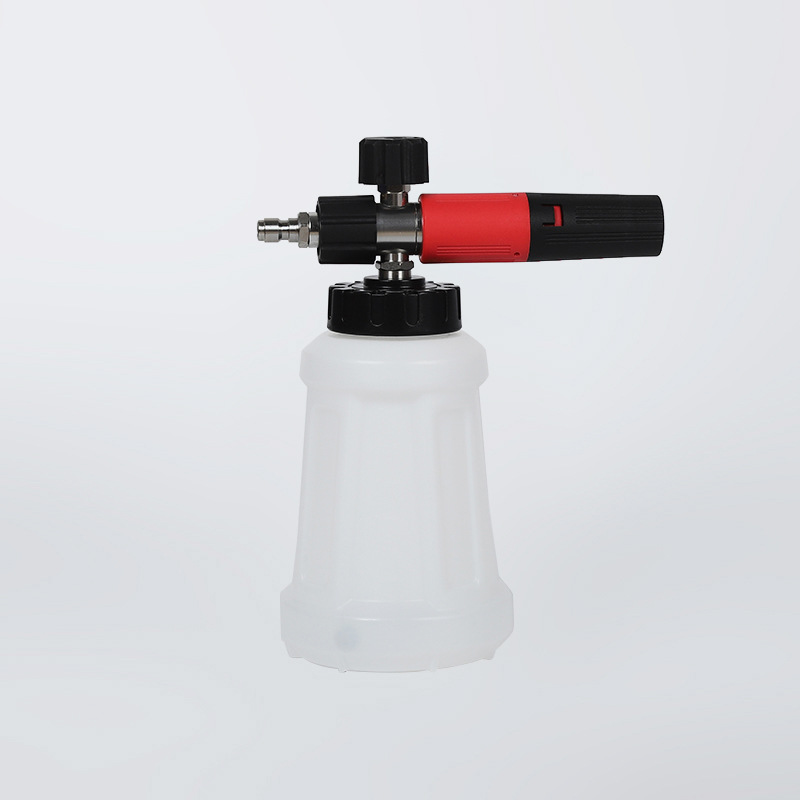
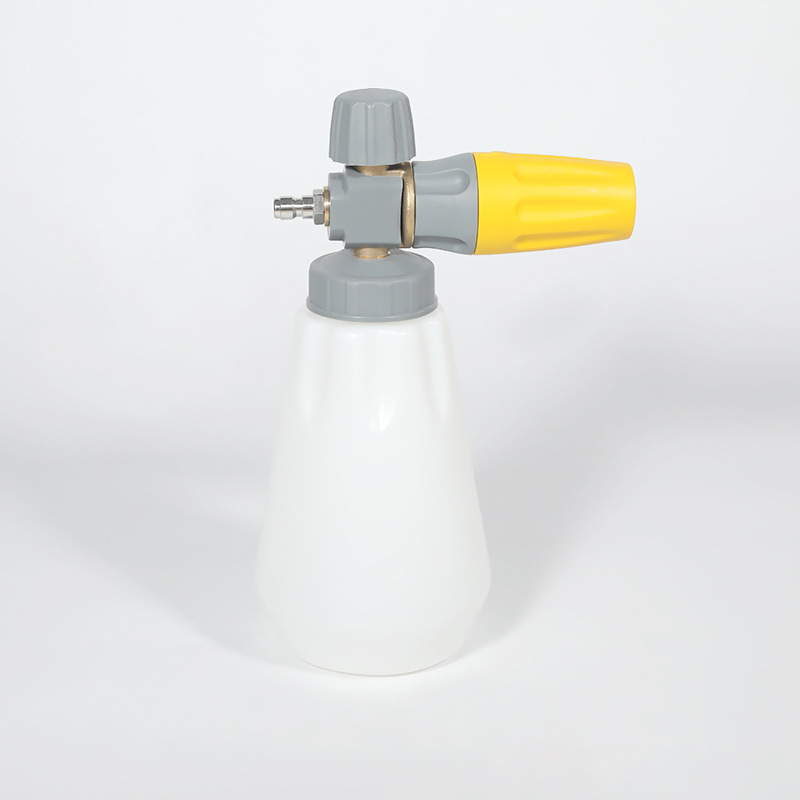
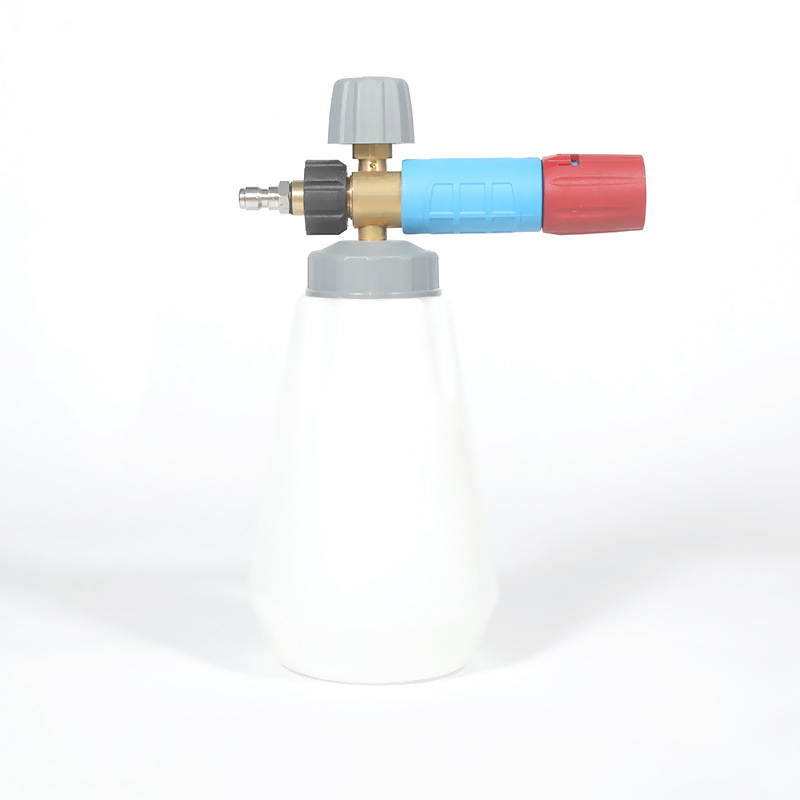
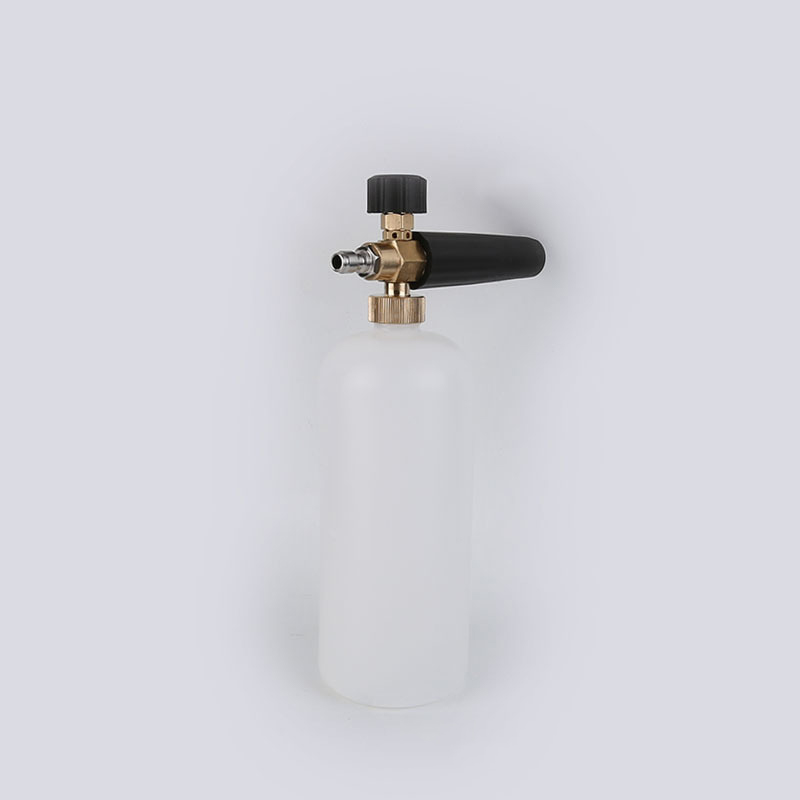
- Foam pots, lances, and extension wands
Because each layer can be replaced independently, most facilities standardize on one pressure source and swap work-end tools for different tasks. This is why component selection, rather than the brand of the washer itself, often decides whether an operation runs smoothly or stops for unplanned repairs.
Start with Pressure and Flow, Not Brand
The first decision is a specification, not a product. Define the contaminant and the surface material before looking at any machine. Soft substrates such as painted vehicle panels require lower pressure and higher flow so dirt and road film can be moved without eroding the paint. Hard surfaces such as concrete slabs, steel structures, and stone facades tolerate higher pressure, which is what breaks up oil, scale, and cement residue.
The bar chart below shows typical working-pressure ranges for five common tasks. Use it as a sanity check when comparing data sheets.
Pressure and flow targets for common industrial cleaning tasks
| Application |
Pressure |
Flow rate |
Main selection driver |
| Fleet and vehicle washing |
80–150 bar |
10–15 L/min |
Paint-safe pressure, foam coverage |
| Floor and facade cleaning |
120–250 bar |
8–20 L/min |
Even flat coverage |
| Sewer and pipe jetting |
150–200 bar |
40–70 L/min |
Rear-jet thrust that pulls the hose |
| Descaling and heavy removal |
300–1400 bar |
15–40 L/min |
Component ratings at ultra-high pressure |
Flow rate matters just as much as pressure. A sewer nozzle needs high flow to push debris backward, while a car-wash lance needs lower flow to protect paint and keep detergent on the panel. When the specification exceeds 200 bar, check the rated pressure of every component in the path, including hoses, couplings, and the gun, because a single undersized part becomes the next failure point.
For operators who need one dependable cleaning machine for general workshop and depot duty, the high-pressure washer cleaner machine covers the 80–150 bar range used in most vehicle and equipment washing tasks.
 High Pressure Washer Cleaner Machine for General CleaningA versatile cleaning machine for the 80–150 bar range, ideal for vehicle and equipment washing, with nozzle selection as the key factor for results.View Product →
Nozzle Types: What the Geometry Does
Conclusion first: nozzle geometry is the single most influential factor in cleaning result. The same pump can strip paint, flush a drain, or humidify a hall simply by changing the nozzle at the end of the lance.
- Rotating nozzles concentrate the full flow into a small high-impact circle that breaks up compacted dirt and scale. They are the default choice for concrete, road film, and blocked drains.
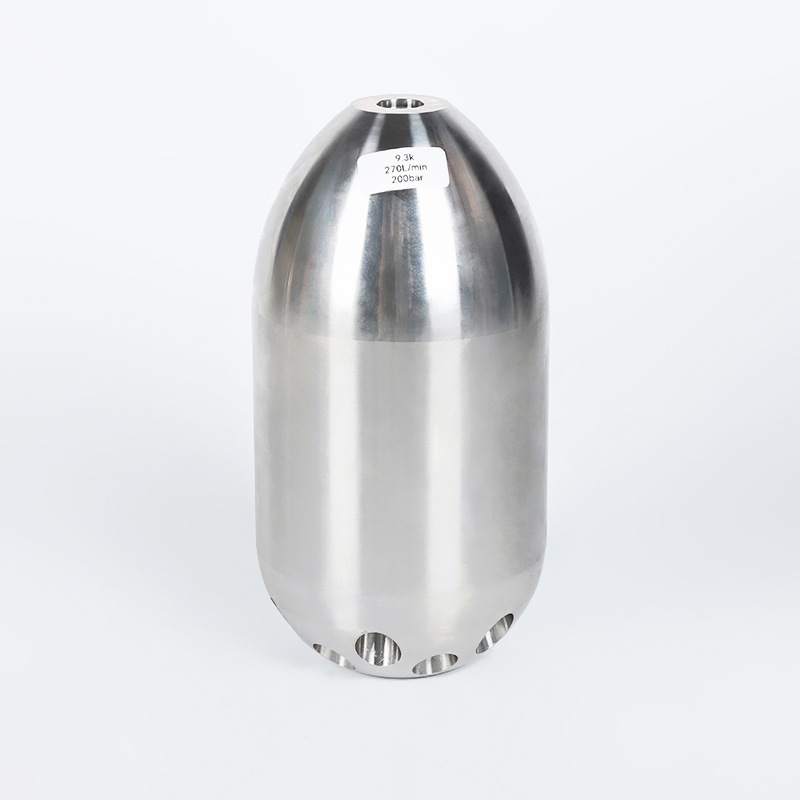
- Pipe cleaning nozzles use rear-facing jets to generate thrust that pushes the hose forward into the pipe. Forward jets break up the blockage while rear jets flush debris back toward the access point.
- Atomizing nozzles convert water into fine droplets. Typical jobs include dust suppression, evaporative cooling, and humidification in production areas.
- Flat-fan nozzles deliver a consistent strip pattern for surface preparation and general washing where full coverage matters more than impact force.
Nozzle selection guide
| Nozzle family |
Cleaning pattern |
Best suited for |
Typical flow |
| Rotating / turbo |
Circular high-impact jet |
Concrete, paint removal, blockages |
10–20 L/min |
| Pipe cleaning |
Forward plus rear jets |
Sewers, pipes, drains |
20–70 L/min |
| Atomizing |
Fine mist |
Dust control, cooling, humidification |
2–10 L/min |
| Flat fan |
Even fan strip |
Surfaces, vehicles, equipment |
5–15 L/min |
Nozzle wear is a hidden cost. An oversized or eroded orifice lowers pressure and raises flow, which reduces cleaning efficiency. Check nozzle openings for rounding and replace them when the spray pattern becomes uneven.
For blocked drains and sewer lines, a rotating high-pressure pipe cleaning nozzle provides the self-propelling action that keeps the hose moving through long runs.
 Rotary Sewage Cleaning Nozzle for Blocked DrainsA self-propelling rotary nozzle that clears stubborn deposits in sewage pipes, helping maintain effective pressure and reducing downtime caused by blockages.View Product →
Connectors and Hoses: Where Energy Gets Lost
Hoses and connectors are usually the last items on a shopping list and the first cause of downtime on site. Every coupling is a potential leak point. A worn or mismatched quick connector can reduce effective nozzle pressure by 20 to 30 percent, turning a supposedly powerful machine into a slow, wasteful tool.
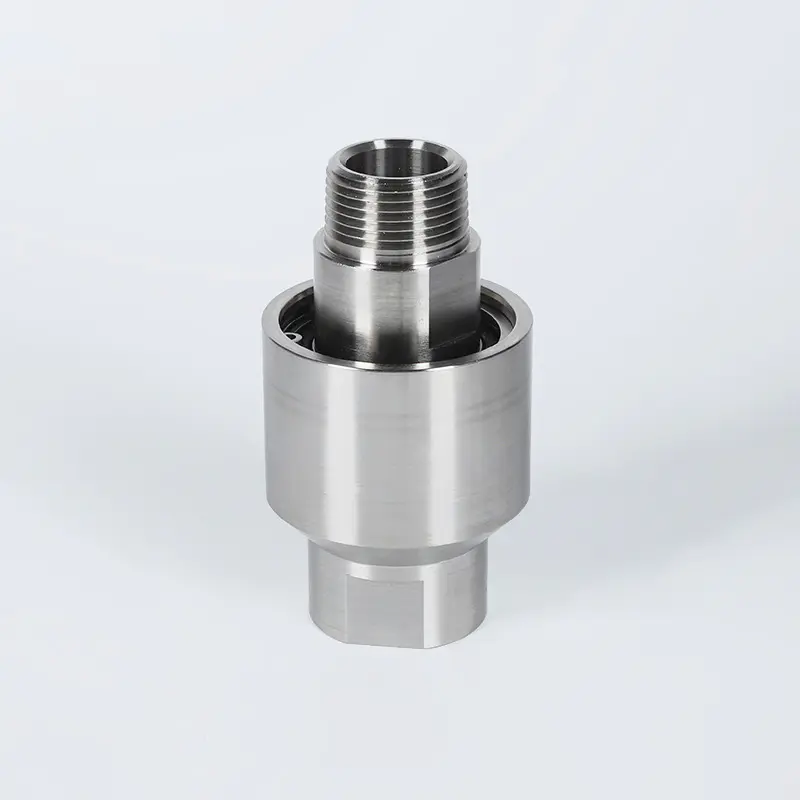
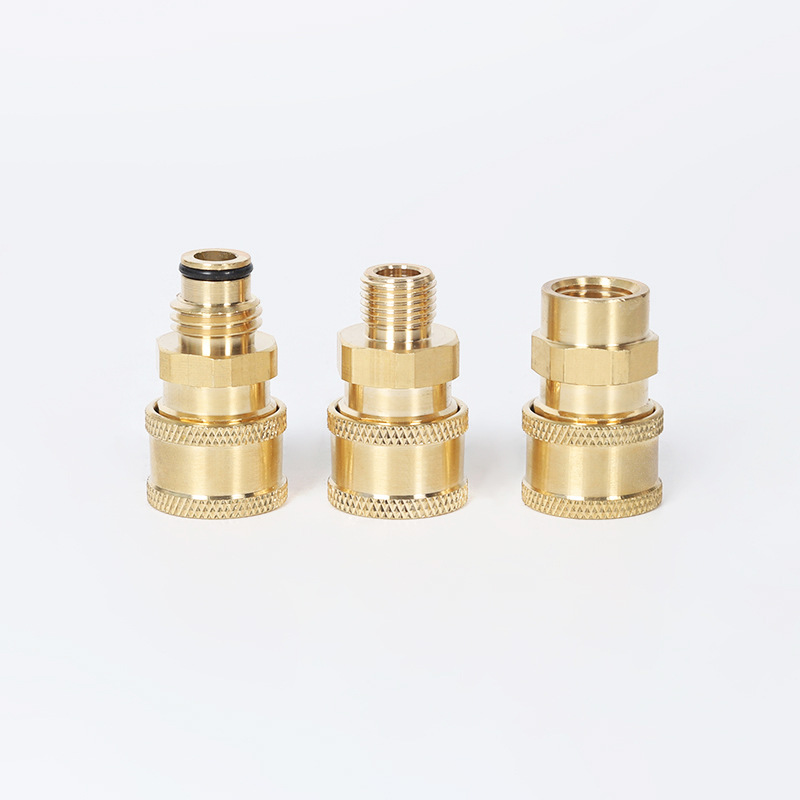
Stainless steel and brass are the two dominant materials for industrial connectors. Brass is easier to machine and costs less, which makes it the standard for moderate pressure. Stainless steel resists corrosion and mechanical wear better, which is why it appears on high-pressure pumps, rotating joints, and cleaning guns that operate above 300 bar.
The right choice depends on thread type, working pressure, and how often the operator connects and disconnects the line. The choice of pressure washer connector has a direct effect on cleaning efficiency because a stable, leak-free connection keeps full pressure available at the nozzle.
- Match the connector working pressure to at least the machine maximum, not the average operating pressure.
- Use rotary joints where hoses would otherwise twist, such as hose reels and surface cleaners.
- Inspect hose covers for cuts; exposed reinforcement reduces the safe working pressure dramatically.
Matching Equipment to the Job Site
Once pressure, nozzle, and connection are defined, the remaining decisions are application-specific. Four scenarios cover most industrial demand.
Vehicle Fleets and Detailing
Fleet washing combines a lance or foam pot for detergent application, a rotating nozzle for wheels, and a lower-pressure flat fan for paint panels. Foam pots are selected by capacity and connection size; a PA foam pot produces thicker foam that clings longer and reduces water use.
Sewer and Pipe Maintenance
Municipal and plant maintenance teams choose pipe cleaning nozzles by pipe diameter and debris type. Rear jet angle determines thrust, and a correct match keeps the hose moving without jamming or stalling in long runs.
Production Floors and Building Surfaces
A surface cleaner with wheels keeps the spray at a fixed distance from the floor and covers a wider strip than a handheld lance. That reduces operator fatigue and produces more consistent results on factory floors, parking decks, and facades.
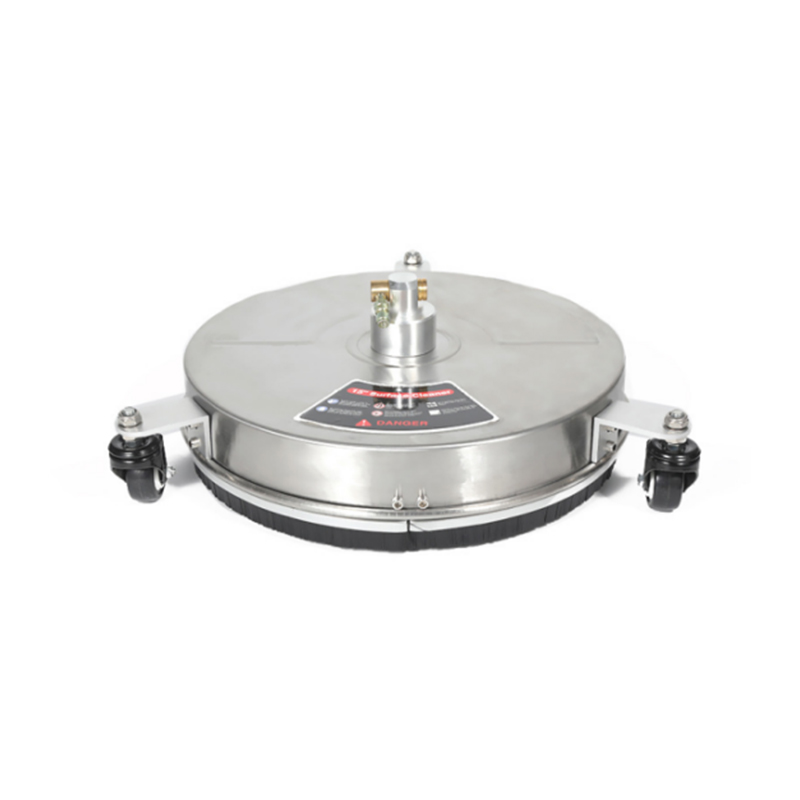 Wheeled Surface Cleaner for Consistent Floor CoverageA wheeled surface cleaner that maintains fixed spray distance and wider coverage, reducing operator fatigue on factory floors and parking decks.View Product →
Dust Suppression and Humidification
Atomizing nozzles are mounted around crushers, conveyor transfer points, and greenhouse areas to bind dust or control humidity. The key specification here is droplet size rather than pressure.
Maintenance, Safety, and Operating Discipline
Most premature failures in industrial cleaning equipment can be traced to three causes: undersized connectors, clogged inlet filters, and damaged hoses. None of them is a flaw in the pump. A simple operating routine prevents the majority of these failures.
- Clean or replace the inlet filter before every shift. A clogged filter starves the pump and causes cavitation damage.
- Never exceed the rated pressure of hoses, guns, and fittings. The rating must be above the machine maximum output, not its nominal output.
- Inspect the high-pressure hose along its full length for cuts, bulges, or flat spots before each use.
- Keep the nozzle clean and matched to the machine flow. Overfeeding an old nozzle with a larger orifice reduces pressure and can damage the pump.
Operator safety is part of equipment selection. A high-pressure jet can cut skin even at pressures that seem modest. Always verify that the trigger gun locks, the pressure relief valve functions, and operators wear face protection and waterproof clothing when working with rotating or ultra-high-pressure nozzles.
The practical takeaway is not to buy the largest machine in the catalog, but to build a system around the actual contaminant and surface. Start with a realistic pressure and flow specification, choose the nozzle geometry that produces the correct cleaning pattern, and verify that every connector and hose is rated above the machine output. When those conditions are met, a mid-range industrial washer will deliver consistent results, fewer repairs, and lower water and energy consumption. A manufacturer with 16 years of precision machining experience can supply the complete range of nozzles, connectors, hoses, foam pots, and surface cleaners from a single product catalog, which simplifies specification and keeps spare parts compatible.



 中文简体