


 中文简体

High Pressure Large Mouth White Foamer
Cat:Pressure Washer Foam Pot
The large diameter design is one of the outstanding features of the High-pressure large-mouth white foamer. This design allows this product to spray a...
See Details2026-10-29
A maintenance crew at a municipal vehicle depot watched a gray film stay on the concrete bay after two passes with a 1,200 psi pressure washer. The machine was new, the hose was uncrimped, and the trigger gun worked. The failure was in the tool kit: a worn 40-degree nozzle had been mounted to make the job “less damaging,” and the wide, diffused spray was smearing the oil instead of cutting it. That situation is common across workshops, wash bays, and industrial sites. Deep cleaning tools are not optional accessories; they are the components that turn a pump’s flow into a controlled, repeatable cleaning outcome. The practical sequence is to define the surface, the soil, and the level of cleanliness you need, then select the pressure, flow, and delivery tools in that order.
The first conclusion an experienced buyer reaches is that high pressure on its own is not enough. Cleaning energy is the product of pressure and flow. The pump produces flow, measured in litres per minute or gallons per minute, and the nozzle converts that flow into pressure, measured in psi or bar. If the nozzle orifice is too small, the pump starves, the unloader valve cycles constantly, and the water heats. If the orifice is too large, the pressure drops, the spray softens, and the operator adds passes to get the same result.
Nozzle charts are published for a reason. A 1.6 mm orifice on a machine rated at 600 L/h produces a very different pressure from the same orifice on an 800 L/h machine. The correct deep cleaning tool is therefore not the most expensive nozzle on the shelf; it is the nozzle with the orifice size that matches the machine’s rated flow and produces the spray angle needed for the surface.
Every deep cleaning setup is a chain that begins at the pump outlet and ends at the dirt. A change in any link changes the result. The chain has four functional layers.
An undersized hose creates friction loss and reduces effective pressure. A hose reel with sharp bends adds resistance. Worn quick couplings leak flow and cause pressure spikes. A clogged inlet screen makes the pump hammer and can crack the nozzle tip. The nozzle is the only component that actually contacts the soil, so its condition, angle, and orifice decide whether the energy reaches the surface. When performance suddenly drops, inspect the chain in order: pump output, hose inner diameter, connectors, and nozzle tip.
Nozzle choice is the fastest way to adapt one machine to many tasks. The spray angle determines how much surface area is covered and how hard the jet hits it. A narrower fan concentrates the energy; a wider fan spreads it for rinsing or chemical application.
| Nozzle Type | Spray Pattern | Typical Pressure Range | Best Use |
|---|---|---|---|
| Straight jet (0°) | Pencil jet | 1,500–5,000 psi | Stubborn residues, pipe descaling, edging |
| Fan nozzle, 15° | Narrow fan | 2,000–4,000 psi | Concrete stains, heavy grime |
| Fan nozzle, 25° | Medium fan | 1,500–3,500 psi | General surface cleaning |
| Fan nozzle, 40° | Wide fan | 1,200–2,500 psi | Rinsing, vehicles, light soil |
| Turbo / rotating nozzle | Rotating jet | 1,500–4,000 psi | Flat surfaces, layered grime, large areas |
| Pipe cleaning nozzle (rear jet) | Multi-directional | 1,000–20,000 psi | Drain, sewer, and pipe descaling |
Rotating or turbo nozzles produce a circular jet that breaks up layered grime and reduces streaking on large flat surfaces. Pipe cleaning nozzles use backward-angled jets that pull the nozzle forward through a drain while flushing the debris back toward the access point. For a fleet owner or a facility manager, carrying two or three interchangeable nozzles is usually more practical than owning several machines.
The first selection step is to set a working pressure range based on the dirt. The bar chart below shows typical pressure ranges chosen by operators for common deep cleaning tasks.
When pressure is raised, flow must not be sacrificed. At the same pressure, the stream with the higher flow does the scoring work. Foam and detergent require a different setup: a foam pot or low-pressure chemical injector, a wide fan nozzle, and enough dwell time for the chemistry to soften the soil. A turbo nozzle should never be used to apply foam because it breaks the foam down before it can stick.
304 stainless steel is adequate for fresh-water and most general-purpose cleaning. 316 stainless steel resists chloride and acid environments, which makes it a better choice for marine washing, chemical rinse stations, and municipal sewer work. Brass bodies hold up well on standard pressure fittings, but plated steel should be avoided where the tool is exposed to constant humidity.
Thread standards vary by region: NPT and BSP threads are not interchangeable, and quick-coupling sizes differ between machine brands. Always check the thread type, the coupling size, and the pressure rating printed on the component. One wrong thread can turn a good purchase into a leak that damages the pump.
For car and equipment fleets, a five-in-one nozzle lets an operator switch from a wide rinse to a narrow scrub without stopping. A PA-style foam pot produces thick foam that clings to body panels and engine bays; the foam lifts traffic film and road grime, after which a 25-degree fan nozzle removes the foam and the dirt in one pass. Wheel hubs and undercarriages get the 15-degree fan tip because they carry baked-on brake dust and oily residue.
Rotary pipe-cleaning nozzles with hardened steel jets are the standard tool for descaling drains and sewer laterals. The nozzle body is fitted with forward and backward jets; the backward jets drive the nozzle down the line while the forward jets break up the blockage. Stainless steel bodies resist the abrasive slurry, and the rated working pressure of the nozzle should always be equal to or higher than the machine’s output.
Wheeled surface cleaners turn a vertical jet into a wide, shielded spray bar and cut cleaning time on flat concrete by a significant margin. They are used on factory floors, loading docks, and municipal parking areas. For seasonal maintenance, a telescopic gutter cleaner reaches roof gutters from the ground and avoids the cost and risk of putting a worker on a ladder.
The best deep cleaning tool will fail early when it is operated against its ratings. A few habits keep the tool chain reliable.
Deep cleaning tools are best treated as a system, not a collection of parts. The machine matters far less than the way the nozzle, hose, connectors, and chemical delivery components convert its flow into useful work. Choose components that match the pump’s rated flow, the connection standard of your equipment, and the actual soil you encounter. Keep them clean, inspected, and rated for the operating pressure. That discipline delivers more consistent cleaning results, fewer replaced nozzles, and less downtime than any single “high pressure” number on a brochure.
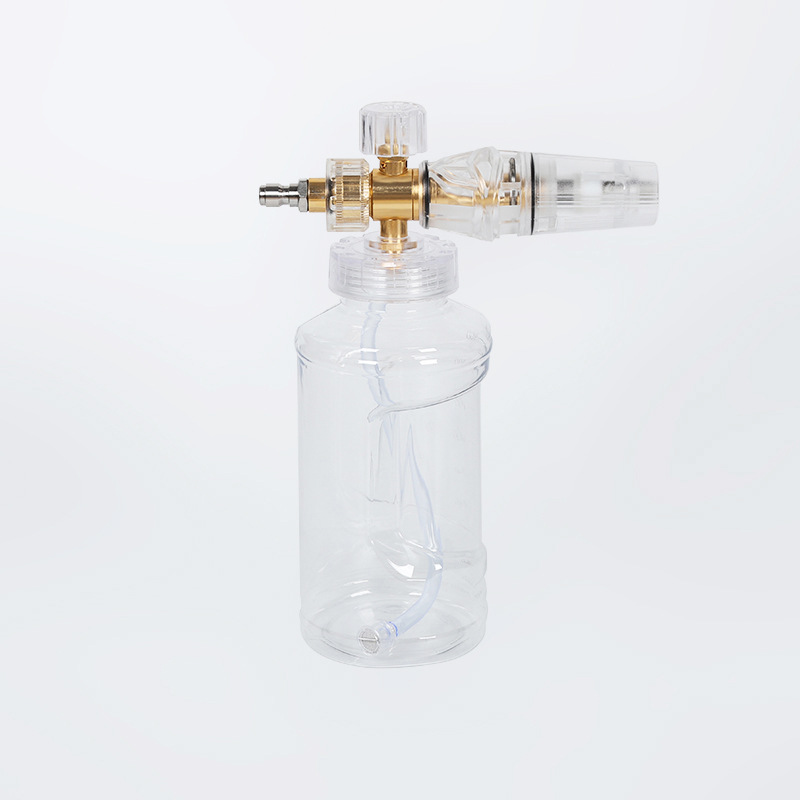
The large diameter design is one of the outstanding features of the High-pressure large-mouth white foamer. This design allows this product to spray a...
See Details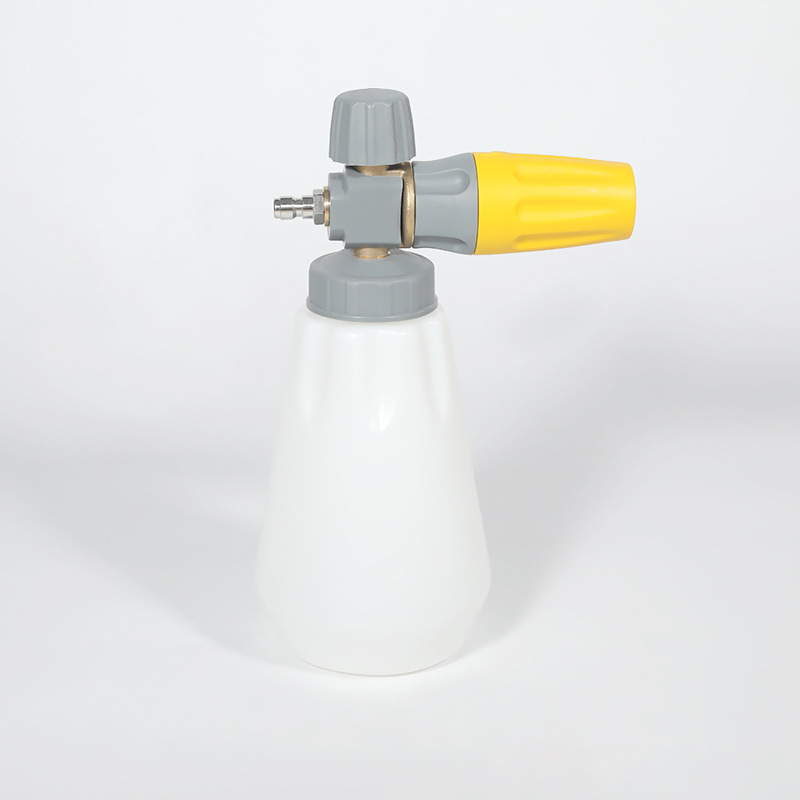
The reason why the High-pressure car wash water gun snow foam pot can spray high-density and more stable foam is because this product combines the foa...
See Details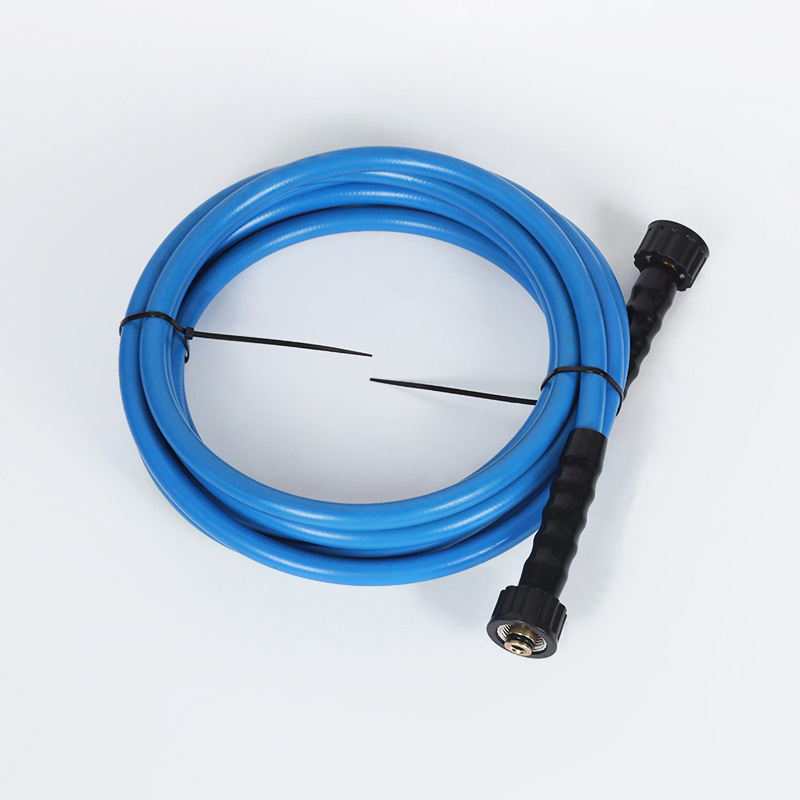
The Blue high-pressure high power cleaning machine hose has a certain degree of flexibility and can be easily bent or moved without causing distortion...
See Details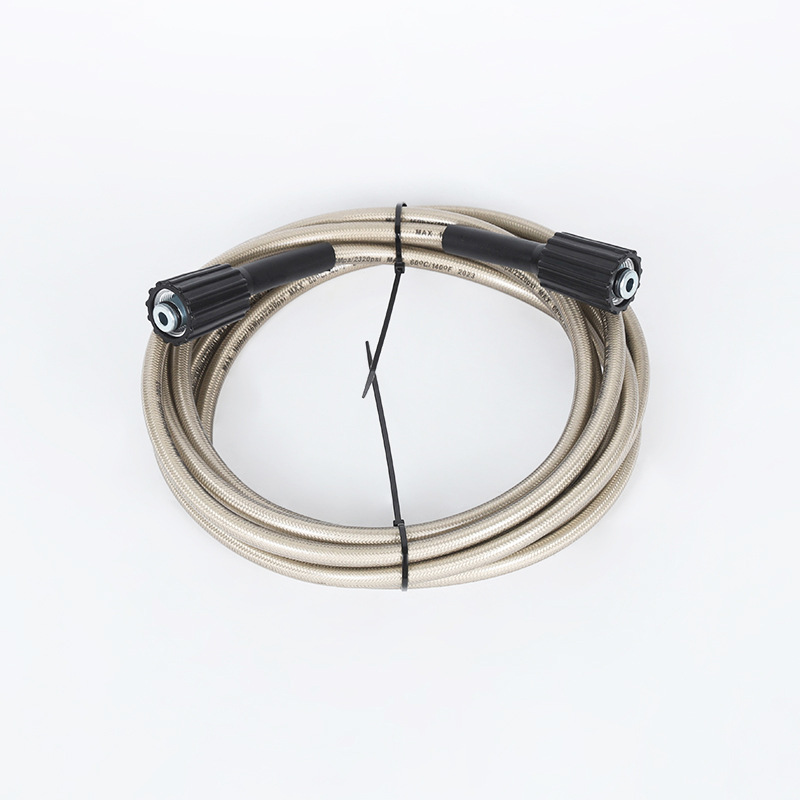
Household portable high-pressure car washing machine water pipe is equipped with connectors at both ends, which can easily connect to various cleaning...
See Details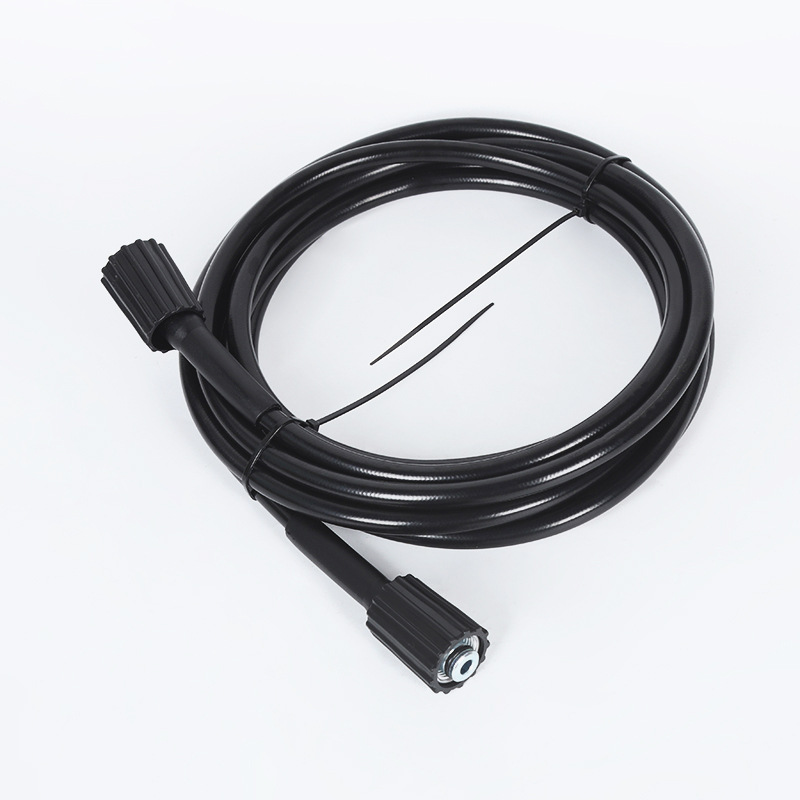
When not in use, the Cleaning machine adapter high-pressure hose can be easily rolled up for easy storage without taking up much storage space. This p...
See Details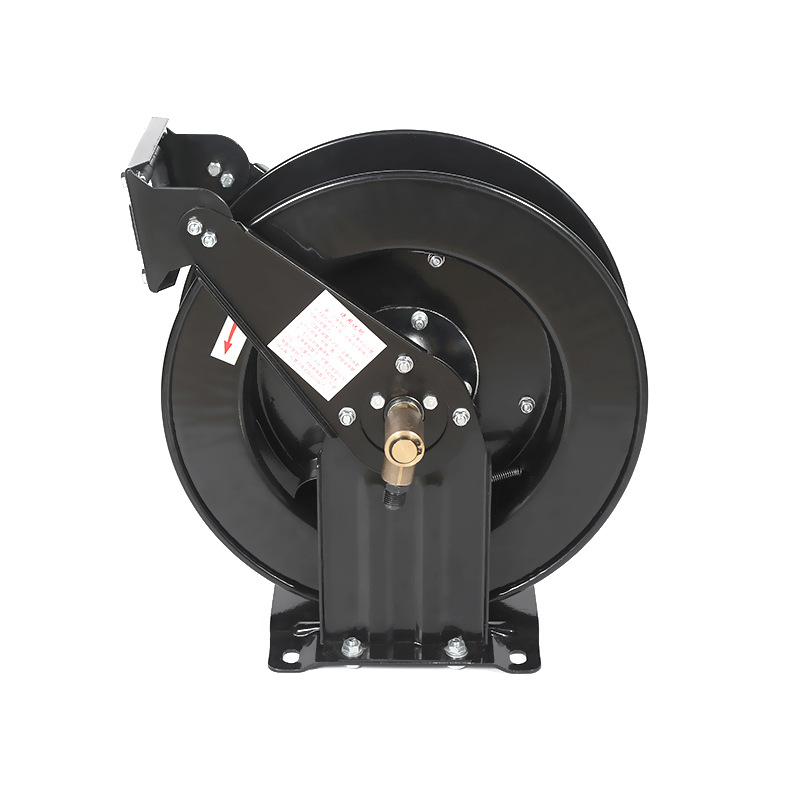
High-pressure drum water reel drum cleaning machine high-pressure hose can effectively store the high-pressure water gun, keep the water gun cables cl...
See Details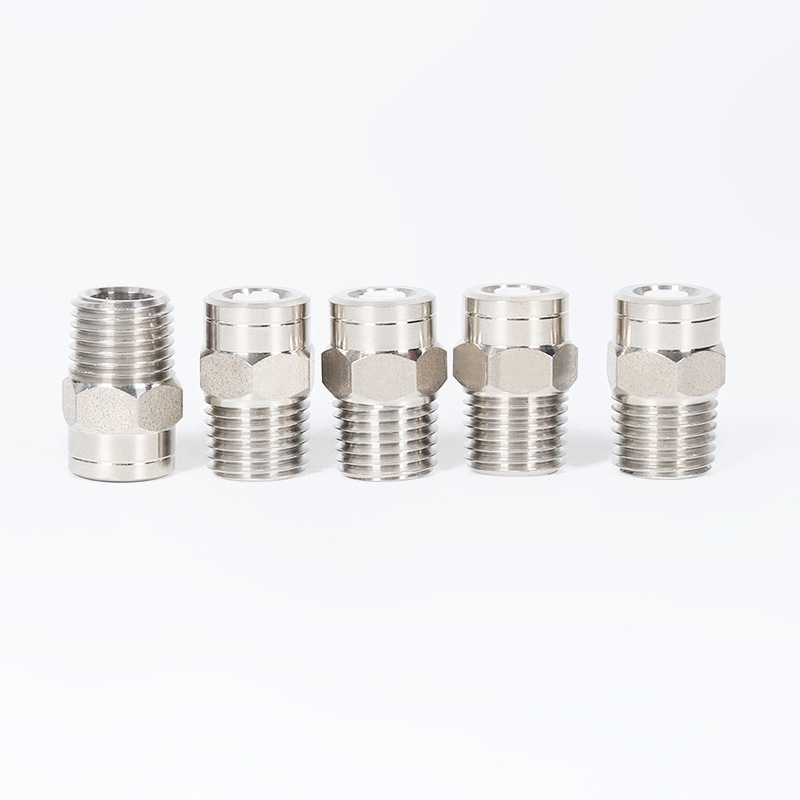
Flushing dust cone atomizing nozzle can provide high-pressure water flow, which can effectively flush dust and dirt, and the cleaning effect is remark...
See Details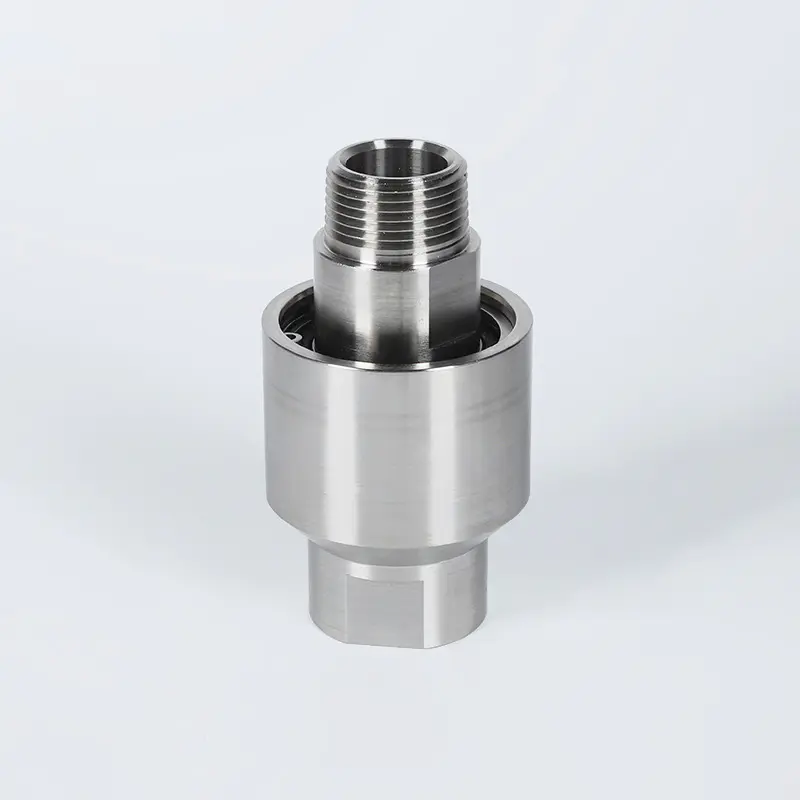
The hydraulic rotary joint 360-degree universal rotary joint can achieve a full range of rotation in both horizontal and vertical directions. It is ma...
See Details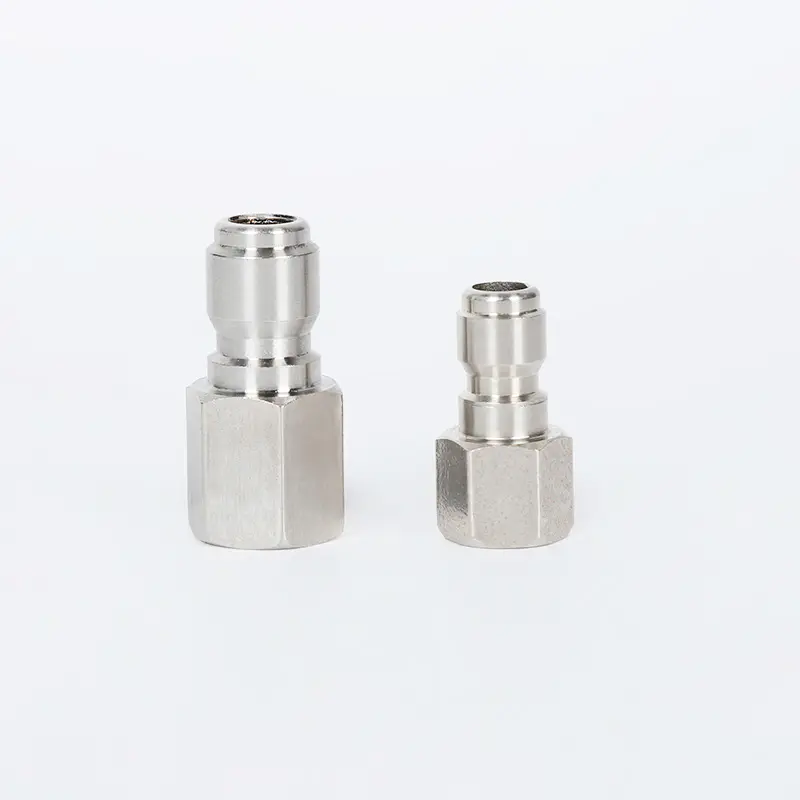
High-pressure cleaning machine straight through rotary quick connector adopts a straight-through design, which can directly transfer high-pressure wat...
See Details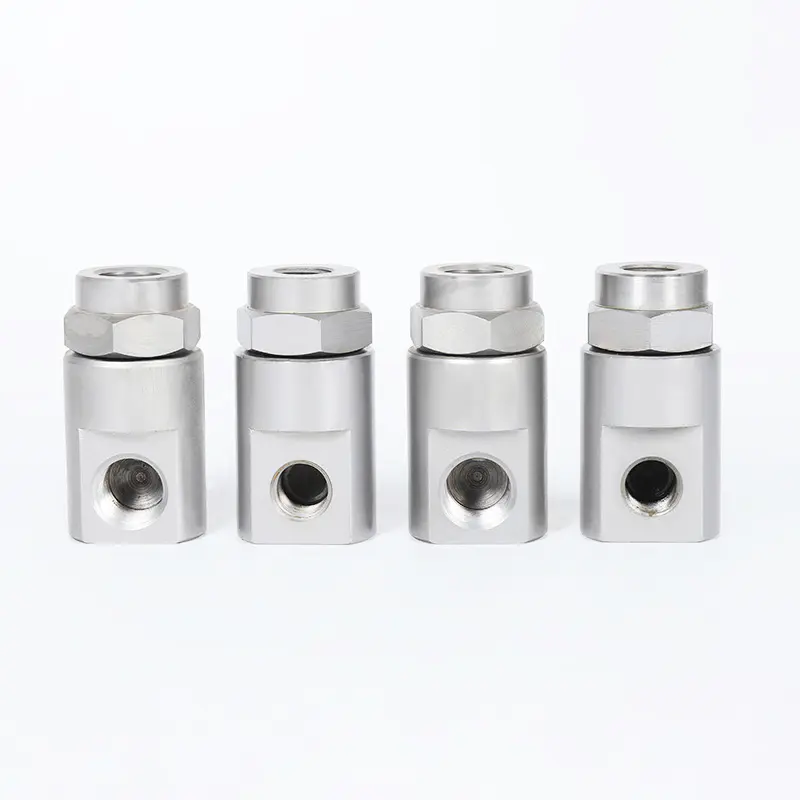
High pressure stainless steel rotary joint is a device used to transfer media in high-pressure liquid systems. The rotary joint can realize the transm...
See DetailsCopyright © Yuyao Fuhua Machinery Equipment Co., Ltd. Rights Reserved.
Wholesale High Pressure Cleaning Tools/Accessories Manufacturers


