


 中文简体

High Pressure Large Mouth White Foamer
Cat:Pressure Washer Foam Pot
The large diameter design is one of the outstanding features of the High-pressure large-mouth white foamer. This design allows this product to spray a...
See Details2026-10-22
A 150 bar, 11 L/min pressure washer will not hold its rated pressure for long if someone fits a 5.5 nozzle to it. The oversize orifice passes more water than the pump can supply, the unloader never reaches its set point, the gauge settles near 80 bar, and the operator spends the rest of the week blaming the machine or buying stronger detergent.
That is the whole case for treating a high pressure nozzle as a specification item rather than a cheap consumable. The rule that carries the most weight is simple: choose the orifice size from the pump's rated flow at its rated pressure, and only then choose spray angle, body material, seal and thread from the task and the water. Get the first step wrong and no amount of refinement afterwards brings the lost pressure back.
High pressure nozzles are numbered by flow, not by hole diameter. A 4.0 nozzle is one that passes 4.0 US gallons per minute, roughly 15.1 L/min, at 4000 psi or 275 bar. Because flow through a fixed orifice rises with the square root of pressure, that same nozzle delivers about 11.2 L/min at 150 bar and 9.1 L/min at 100 bar. The number stamped on the body describes one point on a curve, and the curve is what you are actually buying.
| Nozzle number | Flow at 100 bar | Flow at 150 bar | Flow at 200 bar | Flow at 275 bar |
|---|---|---|---|---|
| 2.0 | 4.6 L/min | 5.6 L/min | 6.5 L/min | 7.6 L/min |
| 3.0 | 6.9 L/min | 8.4 L/min | 9.7 L/min | 11.4 L/min |
| 4.0 | 9.1 L/min | 11.2 L/min | 12.9 L/min | 15.1 L/min |
| 5.0 | 11.4 L/min | 14.0 L/min | 16.1 L/min | 18.9 L/min |
| 5.5 | 12.6 L/min | 15.4 L/min | 17.8 L/min | 20.8 L/min |
Read the same table the other way round and it becomes a diagnostic. A machine rated at 11 L/min and 150 bar that is fitted with a 5.5 nozzle is asking the pump for about 15.4 L/min. It cannot deliver that, so pressure falls until supply and demand balance again, which happens near 80 bar, where the 5.5 nozzle passes roughly 11 L/min. Nothing sounds broken. The work simply takes longer, and the missing pressure shows up as a complaint about the washer rather than about the nozzle.
Undersizing causes a different set of problems. A nozzle that flows less than the pump can supply forces the unloader into bypass, so the pump recirculates water, the water heats up, and seals and valves age faster. On machines fitted with a thermal relief valve, the symptom is a periodic burst of hot water from the relief outlet.
Static fan nozzles cover most work between 100 and 300 bar. Above roughly 500 bar, and on stubborn deposits such as heavy grease, scale or root-blocked drains, a rotating orifice is usually the better tool because it concentrates the jet while still covering an area.
 Ultrahigh Pressure Rotating Devil Cleaning NozzleRotating orifice nozzle for high-pressure surface cleaning; its broad spray pattern helps remove stubborn grease, scale, and grime where static fan nozzles may struggle.View Product →
Once the flow is correct, the fan angle decides how hard that flow lands and how wide it spreads. Narrow angles concentrate the same flow into a smaller footprint, which raises impact, but each pass covers less area, so real productivity depends on how fast the operator can sweep the surface. The figures below are typical for a 4.0 nozzle at 150 bar measured at a 100 mm stand-off.
Stand-off distance matters as much as the angle. Impact falls roughly with the square of the distance, so moving a nozzle from 100 mm to 200 mm from the surface leaves about a quarter of the original force. That is why the same 25 degree nozzle strips mud from a truck close up and barely touches dried concrete three times further away.
A practical shortlist for the workbench:
A nozzle body is usually brass or stainless steel, with the orifice either machined directly into stainless or set as a ruby or ceramic insert. On clean water the difference between the two is modest. On water carrying sand, as recycled wash water almost always does, a hardened stainless orifice can lose 10 to 15 percent of its flow within a few hundred hours, while an insert lasts several times longer. Worn orifices flow more at the same pressure, which quietly reduces impact and overloads the pump.
Geometry matters as well. Changes to the inlet cone and the exit bore shift both the spray pattern and the distribution of impact across the fan, and a redesigned nozzle can clearly outperform a standard one on the same machine and the same pump. Small design revisions often deliver more than a jump in pressure.
Threads cause more field failures than wear does. A 1/4 inch NPT fitting and a 1/4 inch BSP fitting look similar and thread together for two or three turns, but the thread forms differ, so the joint weeps as soon as pressure arrives. M22 x 1.5 fittings are common on European machines. Stainless threads also gall when tightened dry, particularly stainless into stainless, so a little anti-seize or PTFE tape prevents a fitting that refuses to come apart later.
Seal choice follows the water, not the nozzle:
Most specification errors come from choosing a nozzle by the application name rather than by the demands of the job. The sequence below avoids that.
Drain work is the clearest example. A drain nozzle combines forward jets that break the blockage with angled rear jets that pull the hose along the pipe. A 1/8 body suits a 6 to 8 mm hose, while a 3/8 body suits larger municipal hose. Where a line is clogged with grease or roots, a rotary head that sweeps the full pipe circumference cleans more of the wall per pass than a static jet pattern, and ceramic orifices hold their size far longer in gritty water.
 High Pressure Rotary Pangolin Nozzle for Sewage CleaningRotary pipe-cleaning nozzle for sewage and drain lines; its sweeping spray pattern and high-pressure action help clear stubborn deposits from pipe walls.View Product →
At the other end of the range sit ultra-high pressure nozzles and guns, often described in psi rather than bar. A 20000 psi tool, about 1400 bar, is not a car washing accessory. It belongs to water jetting for tube cleaning, coating removal and industrial surface preparation, where the pump, hose, fittings and operator protection all have to be rated for the same pressure.
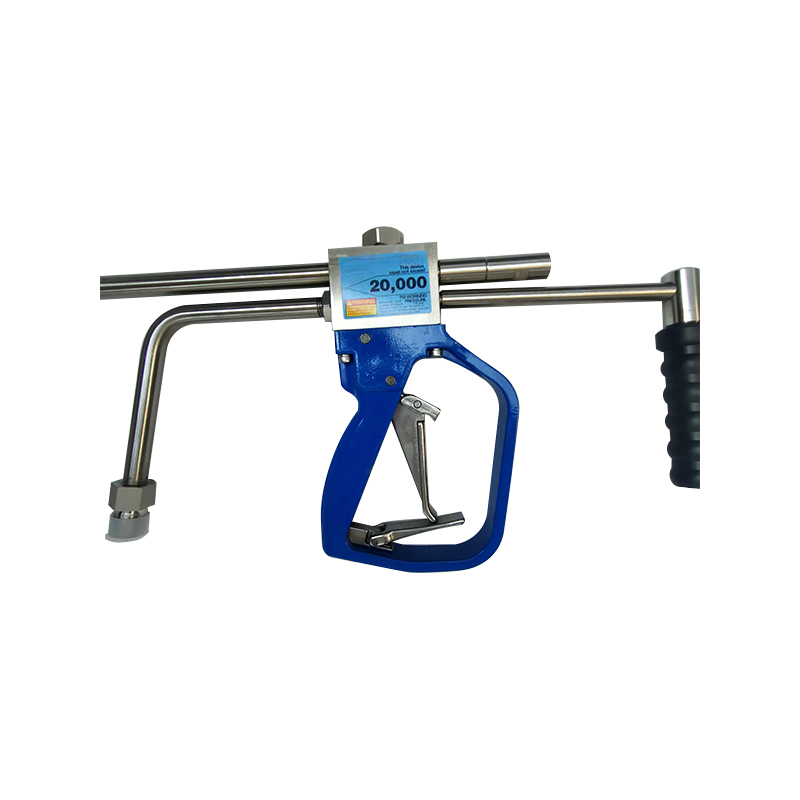 Stainless Steel Overflow 20,000 PSI Ultrahigh Pressure Cleaning GunHandheld 20,000 PSI ultrahigh-pressure gun with overflow mechanism and ergonomic handle; built for industrial cleaning and automotive detailing.View Product →
Vehicle washing is the least demanding application on paper and the most demanding in practice, because the nozzle changes hands all day and gets dropped on concrete. A 25 to 40 degree fan on a 1/4 quick plug covers the work. When foam quality disappoints, the cause is usually the foam generator or the dilution ratio rather than the nozzle itself.
The savings from getting this right are unglamorous and real. A correctly sized nozzle restores the pressure the machine was sold with, which commonly cuts cleaning time by around a third compared with a unit running 50 bar below rating, and it stops the pump from cycling or overheating. It also makes wear visible: once you know what the machine should flow at a given pressure, a bucket and a stopwatch tell you exactly when to replace.
For a full list of orifice sizes, thread standards and body materials across the range, start from our high pressure cleaning accessories index.
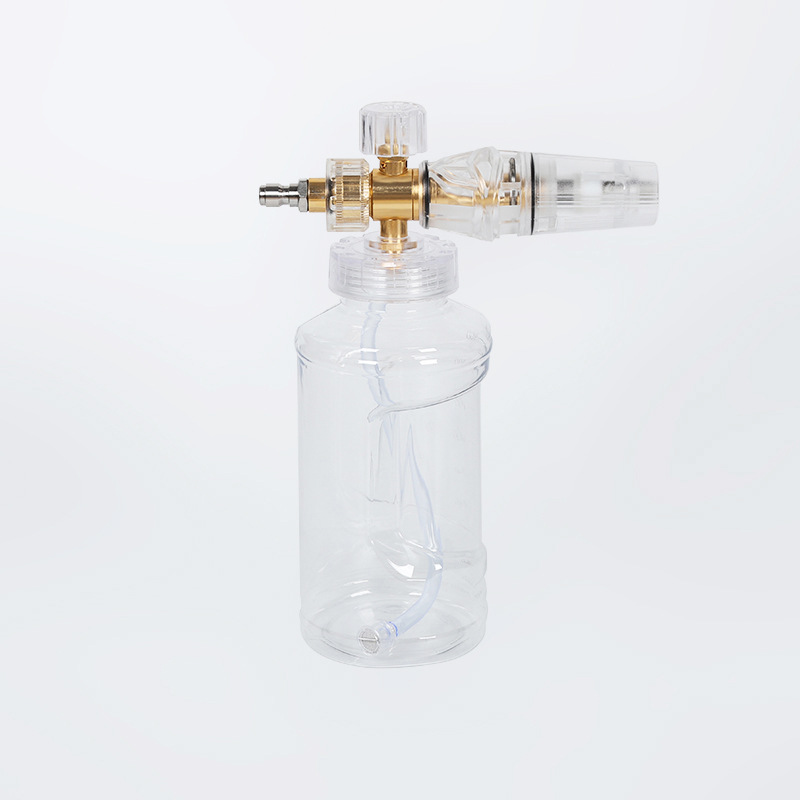
The large diameter design is one of the outstanding features of the High-pressure large-mouth white foamer. This design allows this product to spray a...
See Details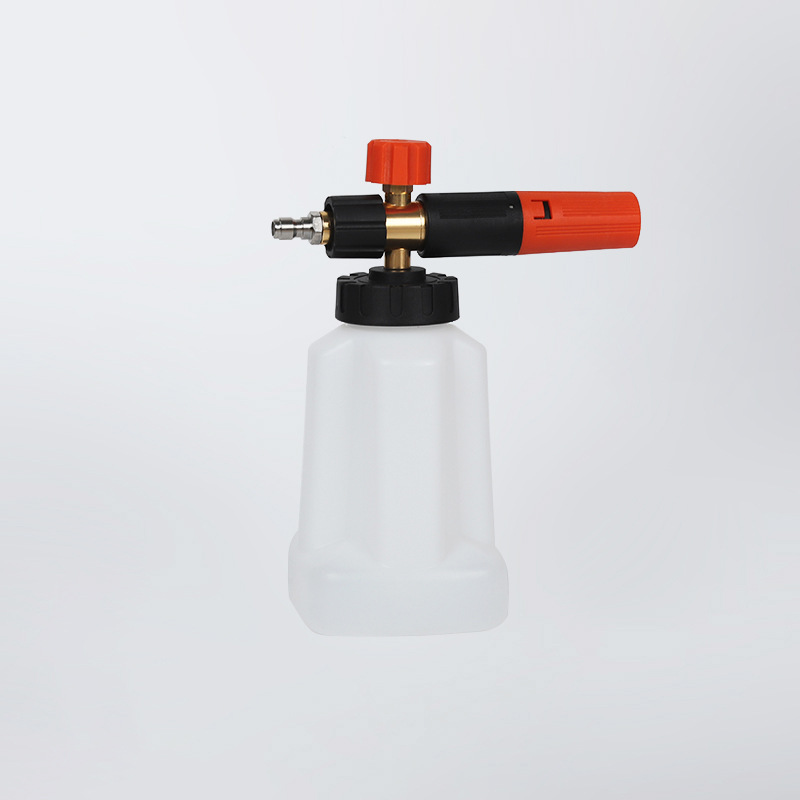
The Large Mouth Pressure Washer Foam Generator has a simple design and is easy to operate. When used in conjunction with a high-pressure water gun, it...
See Details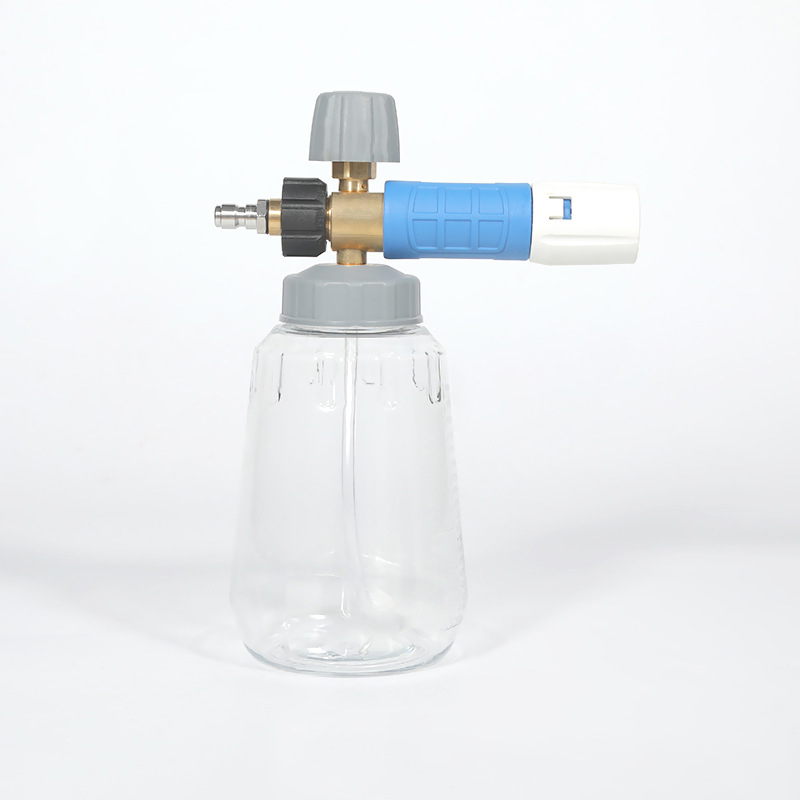
Commercial high-pressure transparent car wash PA pot large mouth foam pot uses high-quality materials with high-pressure resistance and can withstand ...
See Details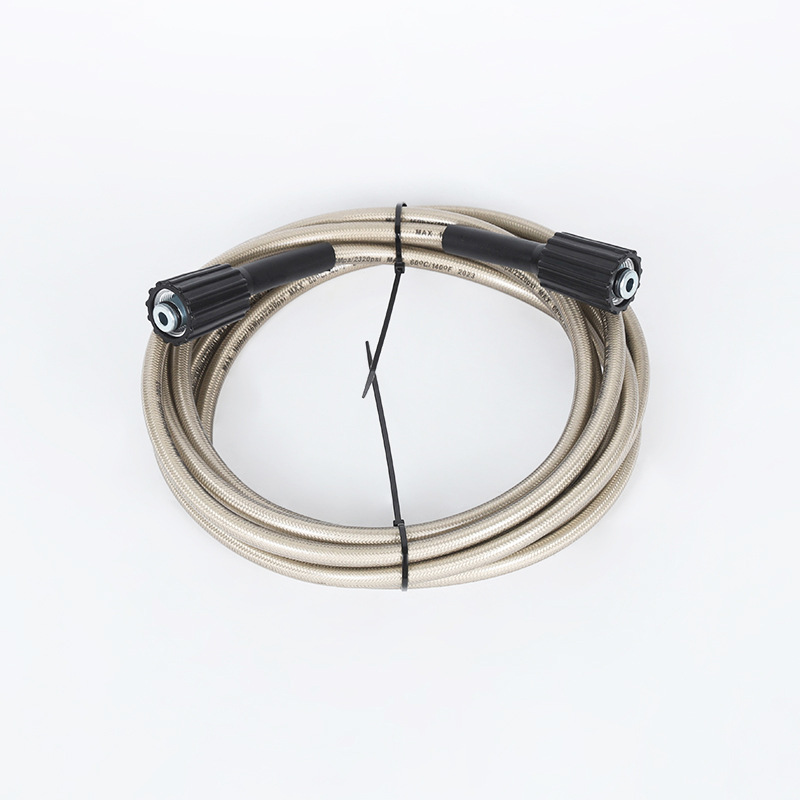
Household portable high-pressure car washing machine water pipe is equipped with connectors at both ends, which can easily connect to various cleaning...
See Details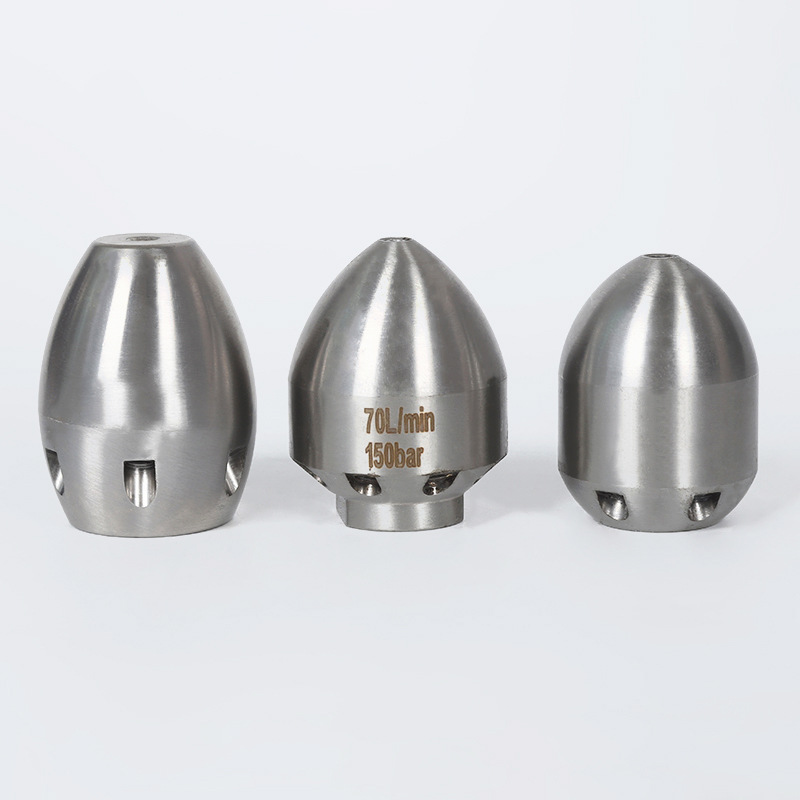
70L 150bar cleaning machine high-pressure cleaning and dredging nozzle is a high-pressure nozzle for cleaning and dredging. It is suitable for cleanin...
See Details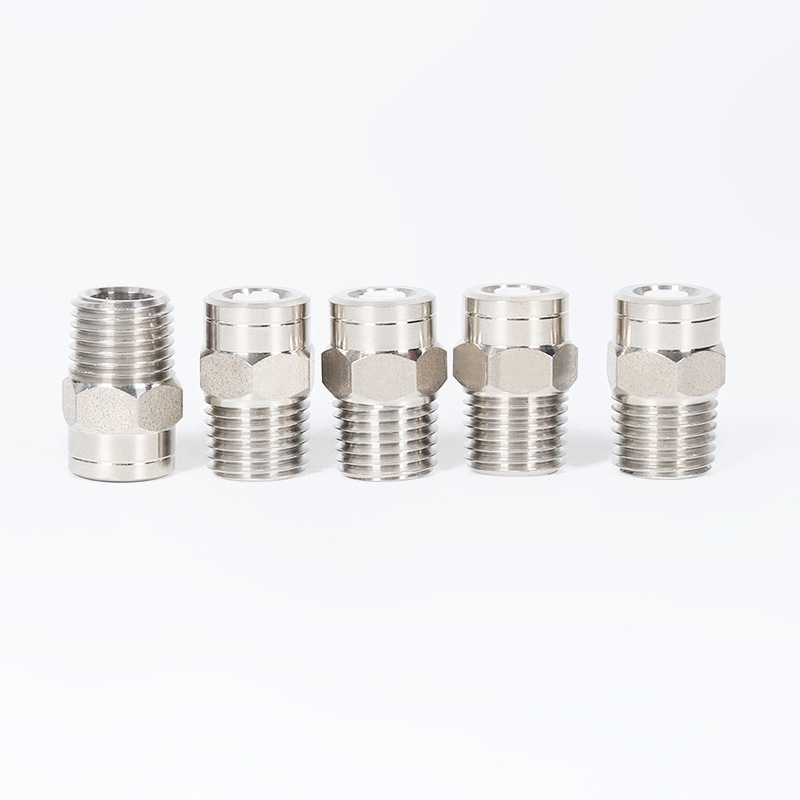
Flushing dust cone atomizing nozzle can provide high-pressure water flow, which can effectively flush dust and dirt, and the cleaning effect is remark...
See Details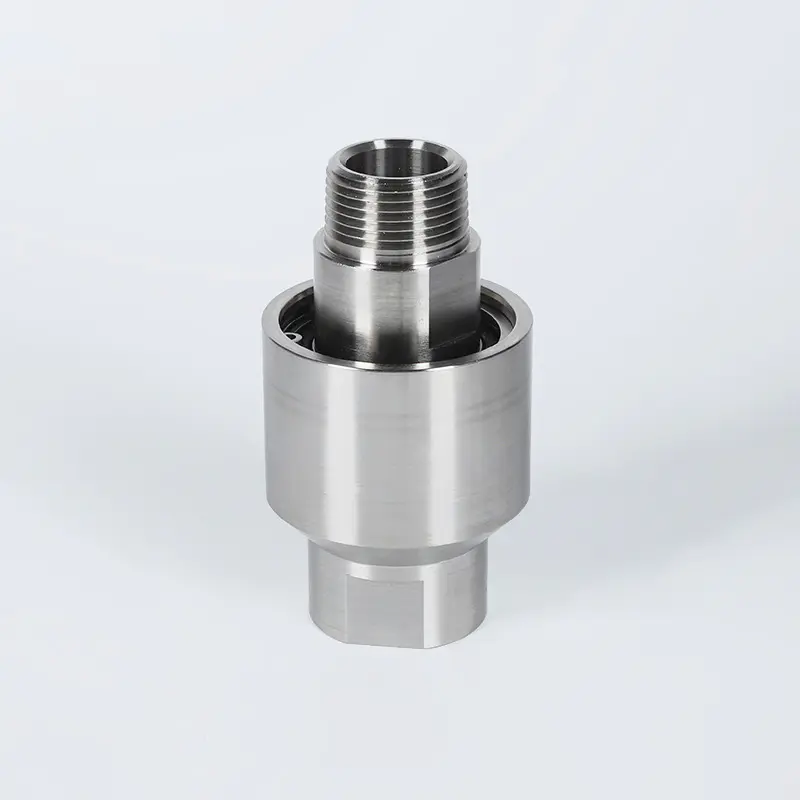
The hydraulic rotary joint 360-degree universal rotary joint can achieve a full range of rotation in both horizontal and vertical directions. It is ma...
See Details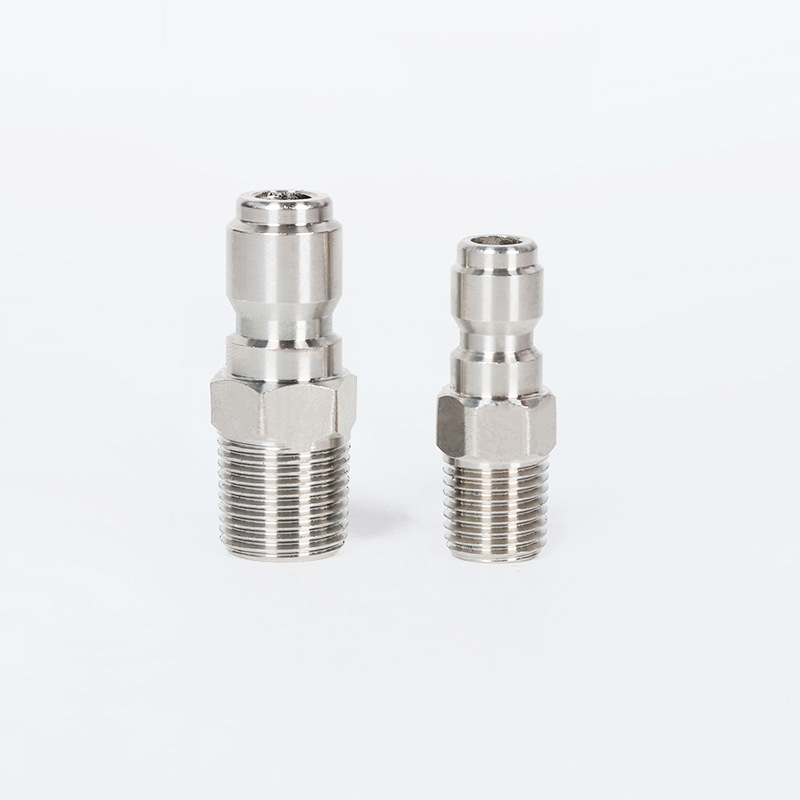
Stainless steel quick connector 3/8 quick plug accessories are quick connector accessories used to connect pipes, hoses, or equipment. The connector a...
See Details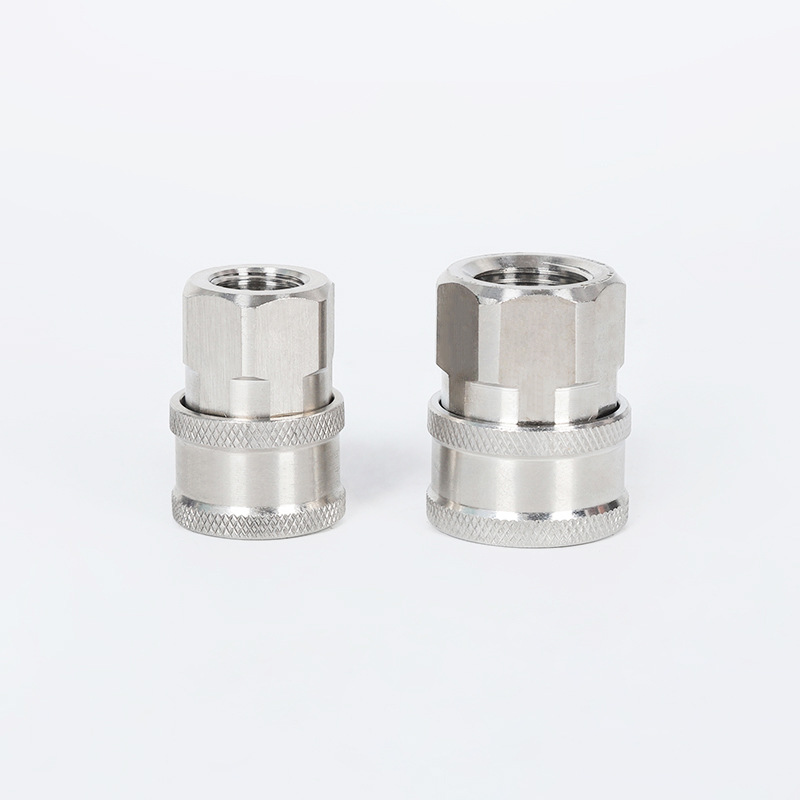
Car wash machine gun water outlet adapter can connect to water source interfaces of different specifications to ensure compatibility with various type...
See Details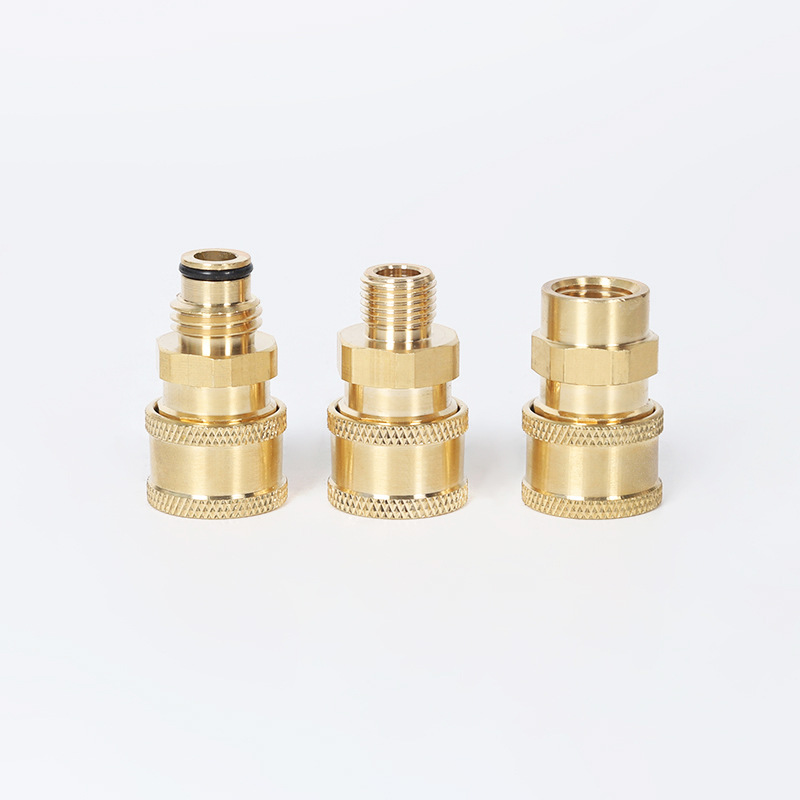
Car wash water nozzle head conversion 1/4 union quick plug is suitable for various types of car wash water guns and car wash equipment, providing more...
See DetailsCopyright © Yuyao Fuhua Machinery Equipment Co., Ltd. Rights Reserved.
Wholesale High Pressure Cleaning Tools/Accessories Manufacturers


