


 中文简体
中文简体

High Pressure Large Mouth White Foamer
Cat:Pressure Washer Foam Pot
The large diameter design is one of the outstanding features of the High-pressure large-mouth white foamer. This design allows this product to spray a...
See Details2026-10-15
A commercial car wash we visited last year went through twelve high-pressure hoses in a single quarter. The pumps were ordinary 150 bar units, the triggers were stock, and the hoses were 10 m rubber assemblies bought on price. When we fitted a gauge between the pump outlet and the gun, the unloader was cracking at 215 bar with the trigger closed. The hoses had been sold as 200 bar working pressure. Every failure started at the crimp, never in the middle of the tube.
So the order of decisions for a pressure washer hose is fixed: working pressure with a real margin, inner diameter against flow, temperature and chemical exposure, fitting standard, then abrasion resistance. Price is the last filter, not the first. Here is how each step plays out, with the numbers you can actually verify on a datasheet.
A hose rating describes continuous working pressure, with a safety factor built on top. The number that destroys hoses is the peak you create yourself. With the trigger closed, an unloader that lifts late, a partly blocked nozzle, or hot water expanding inside a dead-ended line can add 30 to 60 bar within seconds. That is the moment a thin-braided hose with a shallow crimp gives up.
Two habits prevent it. First, ask for the burst-to-working ratio: 2.5:1 is the floor, and 3:1 is what careful suppliers publish. Second, ask for the working pressure at 60 °C rather than at room temperature. Rubber and thermoplastic hoses lose capacity as they heat, so a hose that holds 200 bar cold may be limited to roughly 160 bar at 60 °C.
| Duty class | Working pressure | Typical burst | Common inner diameter | Where it belongs |
|---|---|---|---|---|
| Domestic / light duty | 100-130 bar | 300-400 bar | 6-8 mm | Home car washing, patio, garden furniture |
| Commercial | 150-200 bar | 450-600 bar | 8-10 mm | Car wash bays, mobile detailing, small workshops |
| Industrial | 250-400 bar | 750-1200 bar | 10-12 mm | Surface cleaners, sewer jetting, plant washdown |
| Ultra-high pressure | 1000 bar and above | 2500 bar and above | 6-10 mm | Water blasting, tube and pipe cleaning, high pressure guns |
The table is a starting filter, not a specification. Fit the class to the machine's true relief pressure, then check the minimum bend radius. A hose rated at 200 bar with a 50 mm bend radius will still kink behind a surface cleaner, and every kink damages the reinforcement long before the tube splits.
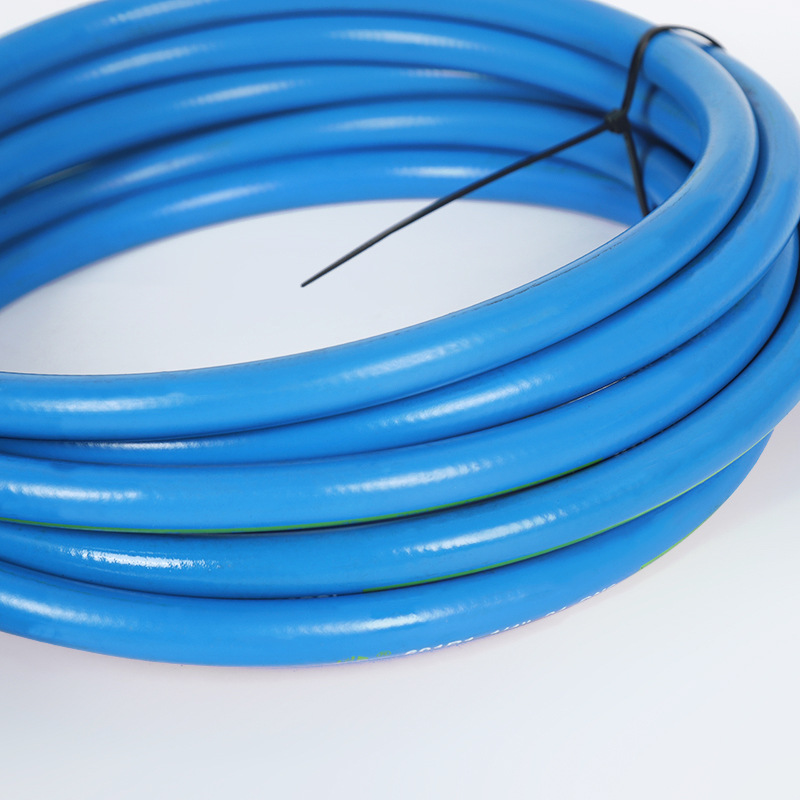 Blue High Pressure Cleaning Machine Hose for Pressure WashersFlexible blue hose for high-pressure cleaning machines, designed to bend and move without distortion; suitable for various cleaning tasks where bend radius and bore matter.View Product →
Diameter is where most buyers leave performance on the table. Pressure loss falls roughly with the fourth to fifth power of the inside diameter and rises in direct proportion to length, which means small changes in bore produce large changes in working pressure at the nozzle.
Indicative pressure loss per 10 m of smooth-bore hose at 12 L/min:
The bars are comparison figures for a smooth-bore rubber hose, not datasheet values. The practical reading is simple: moving from 6 mm to 8 mm more than halves the loss, and going to 10 mm removes most of what remains. For drain cleaning the effect is even stronger, because volume does the work. A 10 mm or 12 mm hose at high flow flushes debris that a 6 mm hose at the same pump pressure simply cannot move.
Two hoses can carry the same 200 bar rating and behave completely differently after six months, because the rating is a factory number while the layers decide field life.
A single textile braid is adequate for domestic and light commercial duty. Two braids or spiral reinforcement are what you want above 200 bar, where impulse cycling works the crimp far harder. Where abrasion and heat appear together, for example on hot water surface cleaners or industrial washdown lines, a stainless steel hybrid braided construction holds its shape longer and resists the flattening that eventually reduces flow.
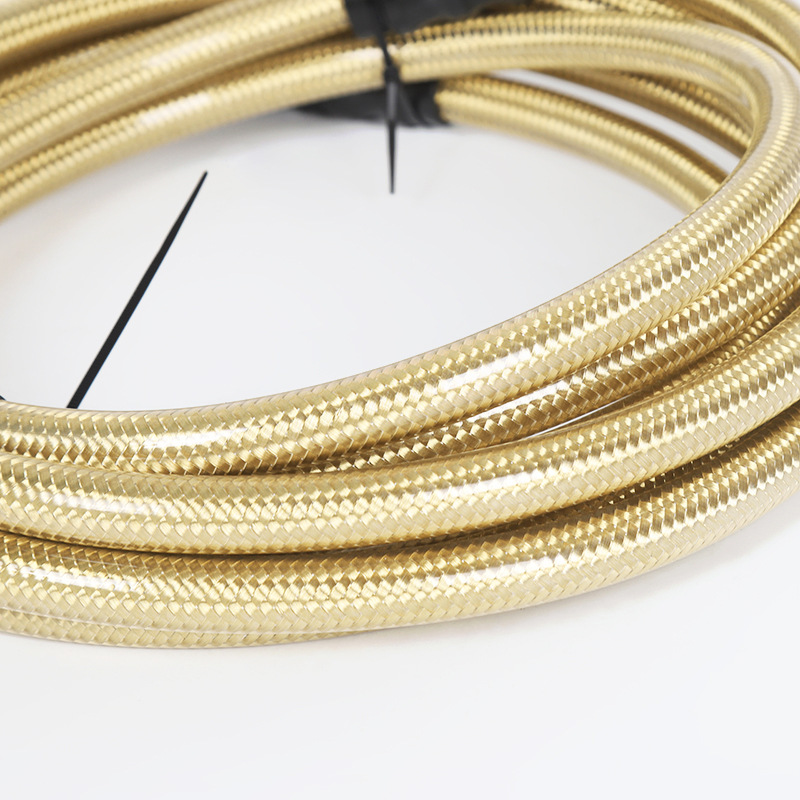 Stainless Steel Metal Hybrid Braided High Pressure HoseMetal-braided high-pressure hose designed for stability, wear resistance, and stretch resistance in high-pressure cleaning equipment, especially where abrasion and heat appear together.View Product →
Fitting mismatches cause more returns than burst failures, because they leak slowly and are easy to blame on the machine.
Specify the thread, the seal type and the coupler size on the order, not just the hose length. A 15 m hose with the wrong M22 variant is scrap on arrival.
Heat is cumulative. Repeated cycles at 70-80 °C harden the cover, soften the tube and let the reinforcement migrate inside the rubber. If your machine runs hot water, derate the working pressure and shorten your replacement interval rather than waiting for a visible bulge.
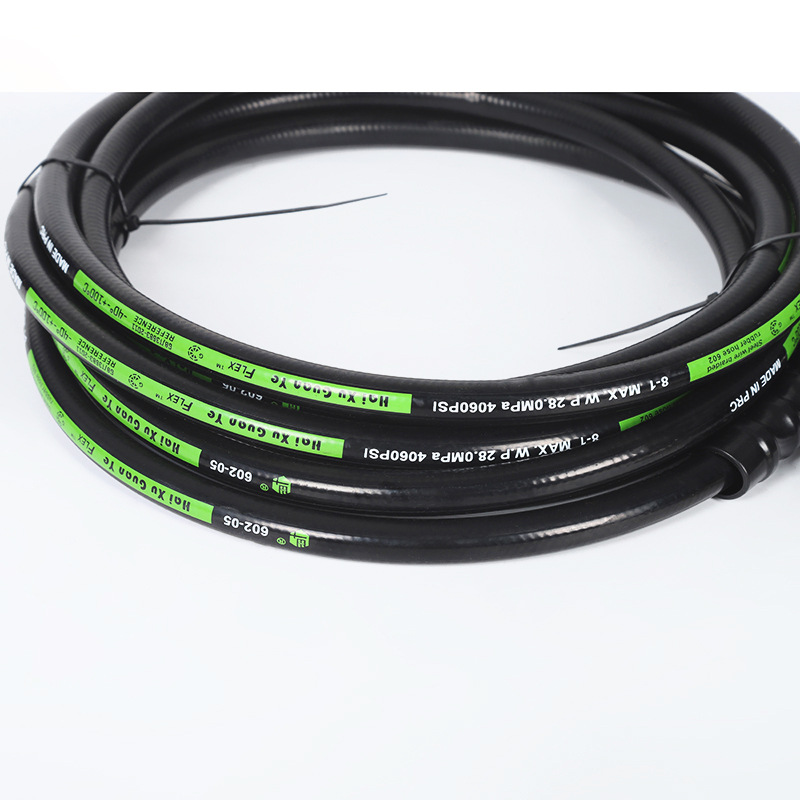
Detergent exposure matters too. Degreasers and traffic film removers with strong solvents attack some tube compounds from the inside, and the damage shows up as small cracks near the fitting. Flush the hose with clean water after foam or chemical work, drain it before storage, and never leave a hose pressurised overnight. Freezing is another quiet killer: water trapped in a coil expands, distorts the reinforcement, and the hose fails at the crimp on the first warm day of the next season.
Retire a hose when you find any one of the following, and do the check with the machine off and the line depressurised.
These are the visible symptoms, but the root cause often sits upstream in production. Crimp pressure, braid tension and cure time decide how a hose behaves after a thousand pressure cycles, which is why how manufacturing process choices affect hose reel durability is worth reading before you standardise on a low-cost supplier.
An 8 mm hose, 10 to 15 m, two braids, with swivel M22 or 3/8 inch quick couplings, covers most bays. Longer runs need 10 mm to keep nozzle pressure up.
Flow matters more than peak pressure here. Choose 10-12 mm bore with a smooth tube to reduce friction loss, and expect the hose to be dragged over rough edges, so a thick cover is not optional.
 High-Pressure Water Pipe Unclogging for Household SewersUses high-pressure water flow to remove dirt, sediments, and blockages from household pipelines without chemicals, helping restore normal flow for sewer cleaning tasks.View Product →
A 6-8 mm hose at 100-130 bar is enough for patios, garden furniture and animal pens. Weight and flexibility become the deciding factors once the job is finished in ten minutes.
Once the specification is clear, the supplier question becomes practical: can they hold the pressure rating batch after batch, cut to your length, and match the fittings you already use? Yuyao Fuhua Machinery Equipment Co., Ltd. has been producing precision mechanical parts for 16 years, with more than 1000 executed projects behind it, and builds components around high pressure cleaning equipment: nozzles, connectors, foam pots and hoses. Because the same workshop machines metal parts to order, non-standard lengths, unusual thread combinations and reinforced assemblies can be produced as one item rather than assembled from three catalogues.
You can review Yuyao Fuhua's pressure washer hose and connector range alongside the nozzle and coupler lines, then send the working pressure, bore, length, thread and coupler size on a single sheet. That is the fastest way to get a hose that matches the machine instead of the other way around.
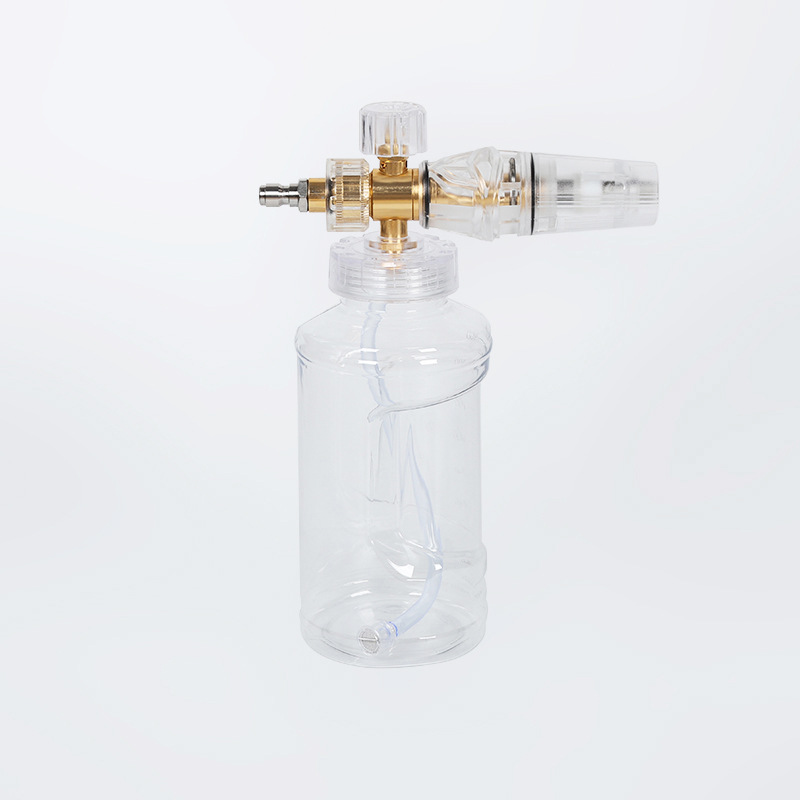
The large diameter design is one of the outstanding features of the High-pressure large-mouth white foamer. This design allows this product to spray a...
See Details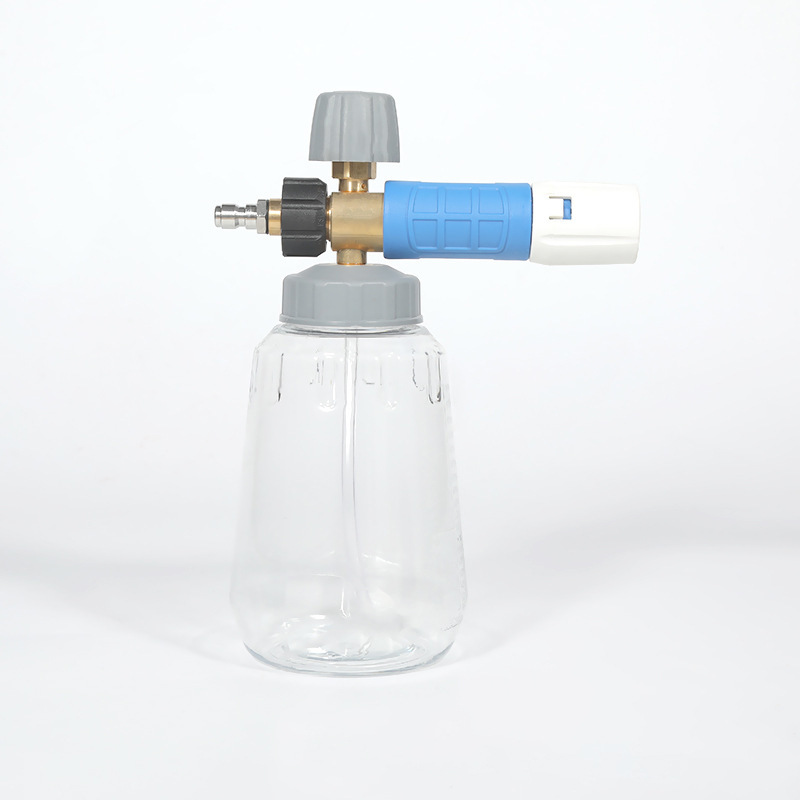
The installation of the Sector-shaped high-pressure car wash PA foam pot is relatively simple and can be easily installed on cleaning machines and oth...
See Details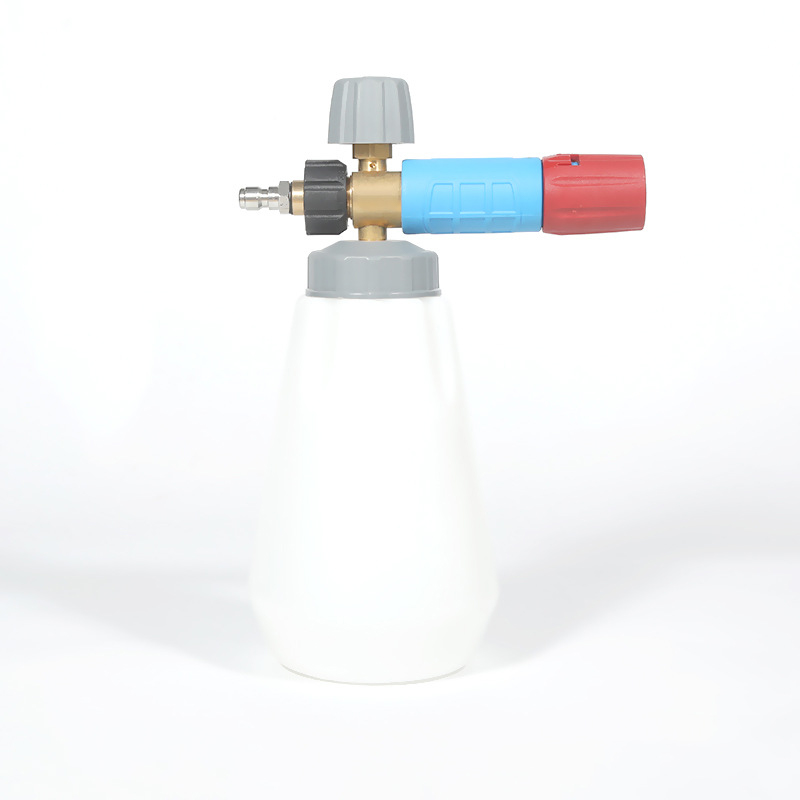
High-pressure large mouth white foam pot is a device used in conjunction with high-pressure cleaning equipment. The white design allows users to easil...
See Details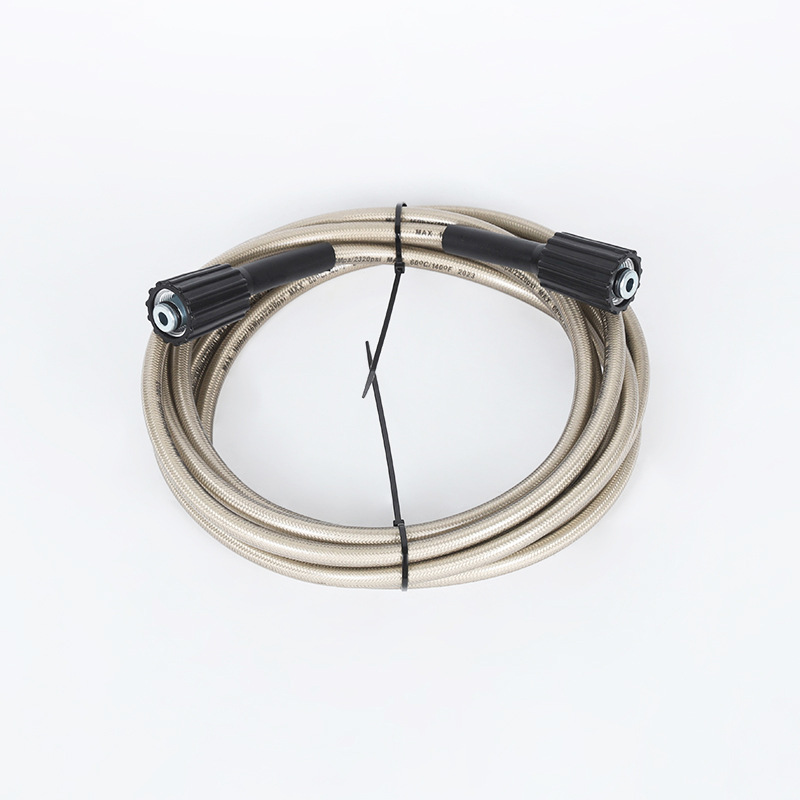
Household portable high-pressure car washing machine water pipe is equipped with connectors at both ends, which can easily connect to various cleaning...
See Details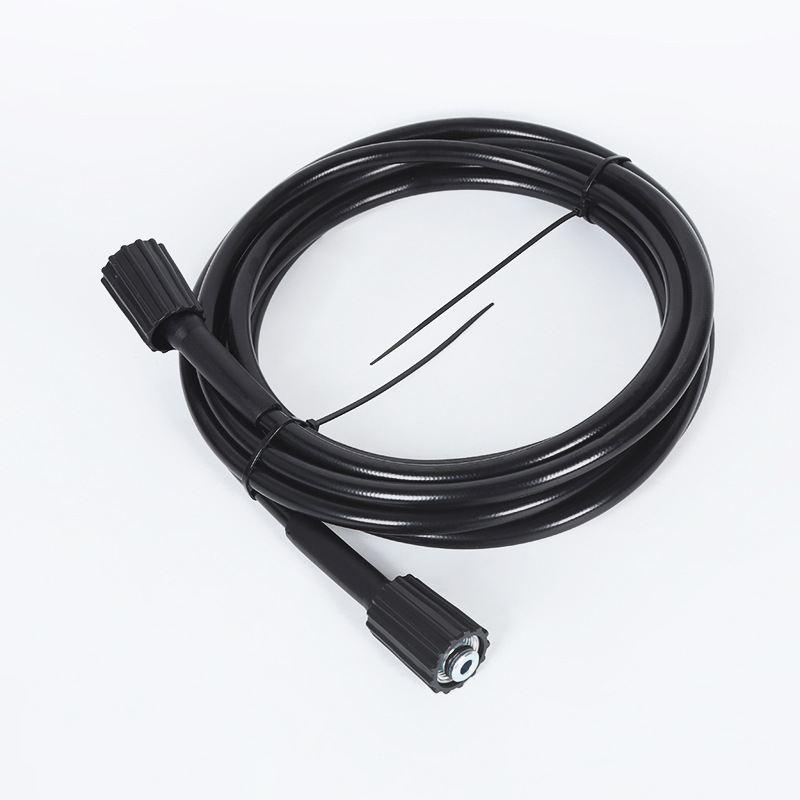
When not in use, the Cleaning machine adapter high-pressure hose can be easily rolled up for easy storage without taking up much storage space. This p...
See Details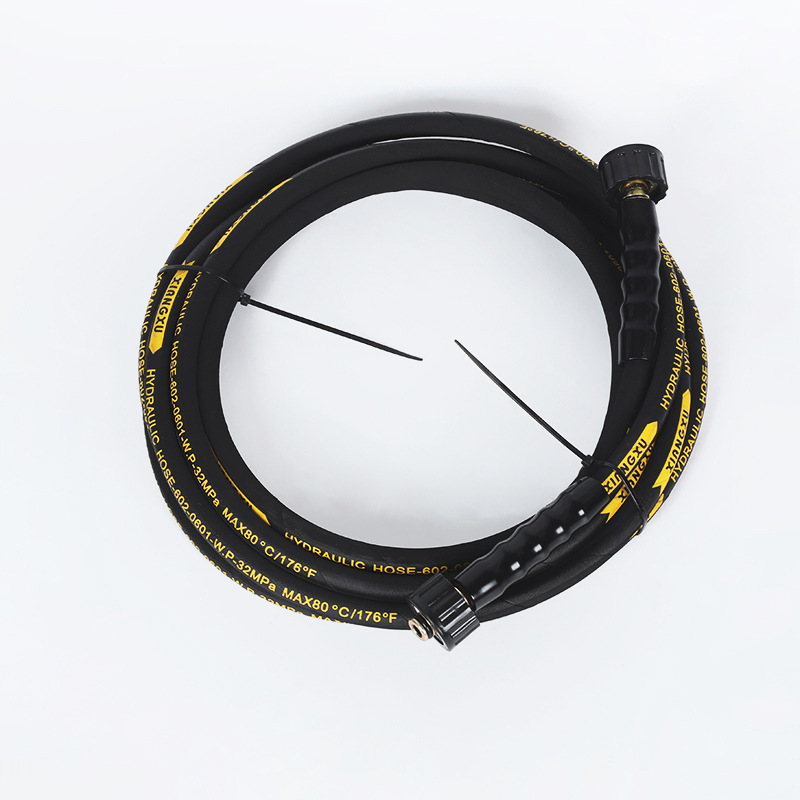
Household water outlet hose suitable for high-pressure water guns is one of the essential tools for household cleaning. This hose can be used with a h...
See Details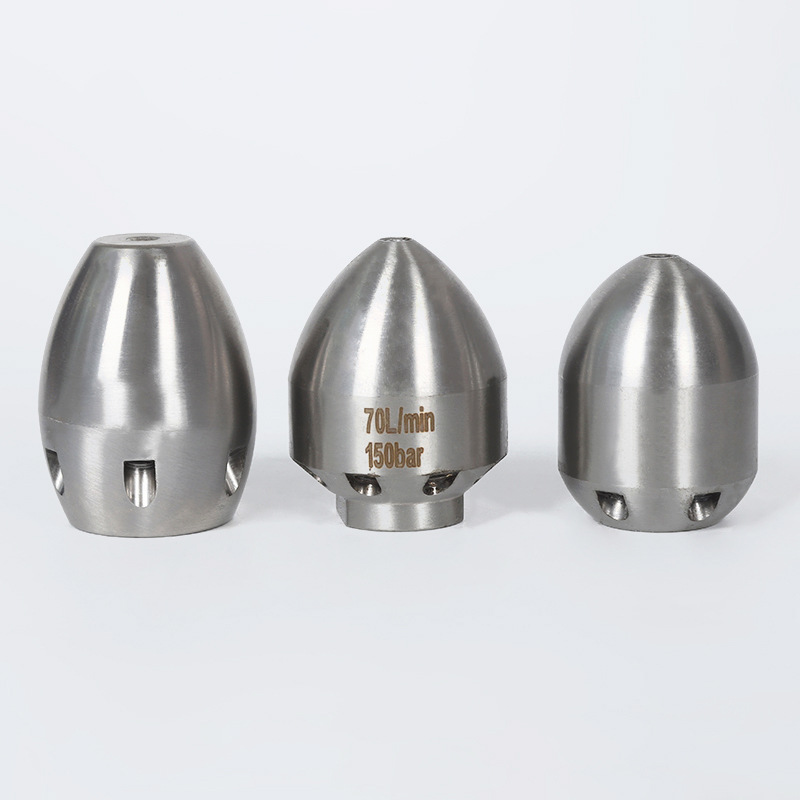
70L 150bar cleaning machine high-pressure cleaning and dredging nozzle is a high-pressure nozzle for cleaning and dredging. It is suitable for cleanin...
See Details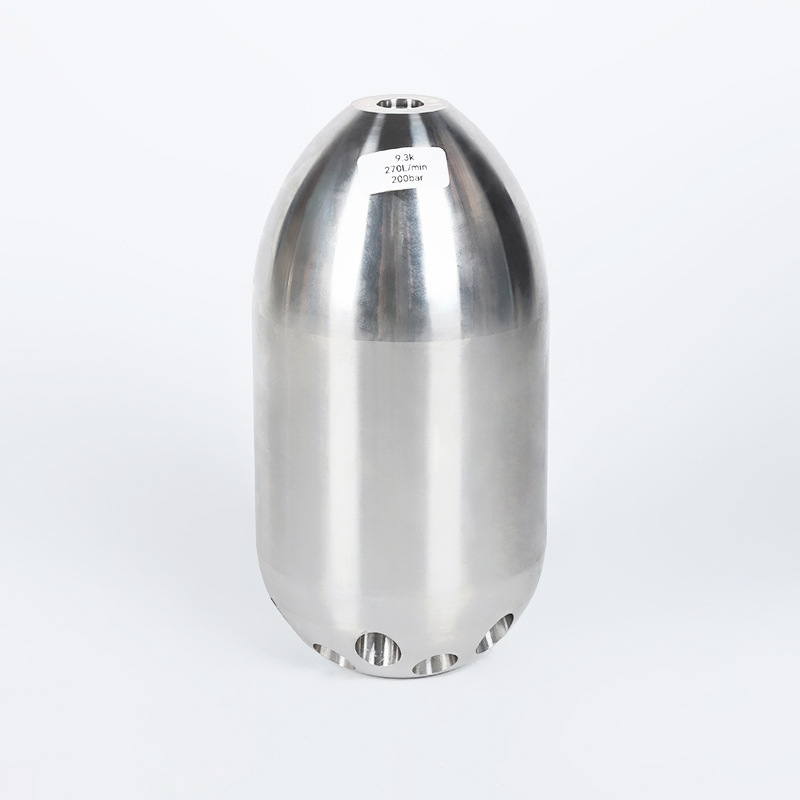
The water flow generated by the High-pressure nozzle for the sewage suction truck can quickly and powerfully flush dirt and blockages in the pipes, im...
See Details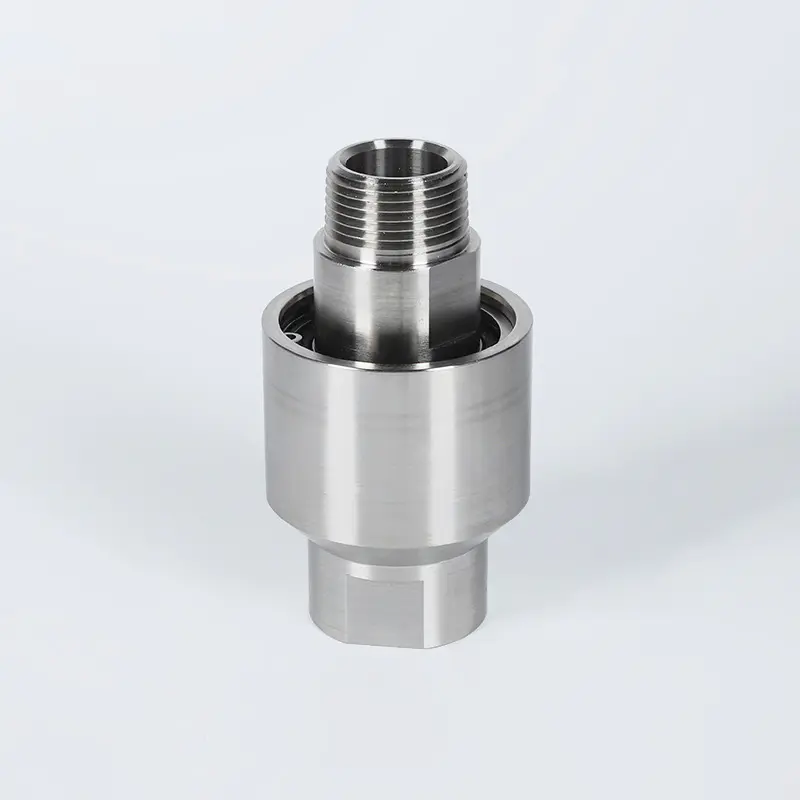
The hydraulic rotary joint 360-degree universal rotary joint can achieve a full range of rotation in both horizontal and vertical directions. It is ma...
See Details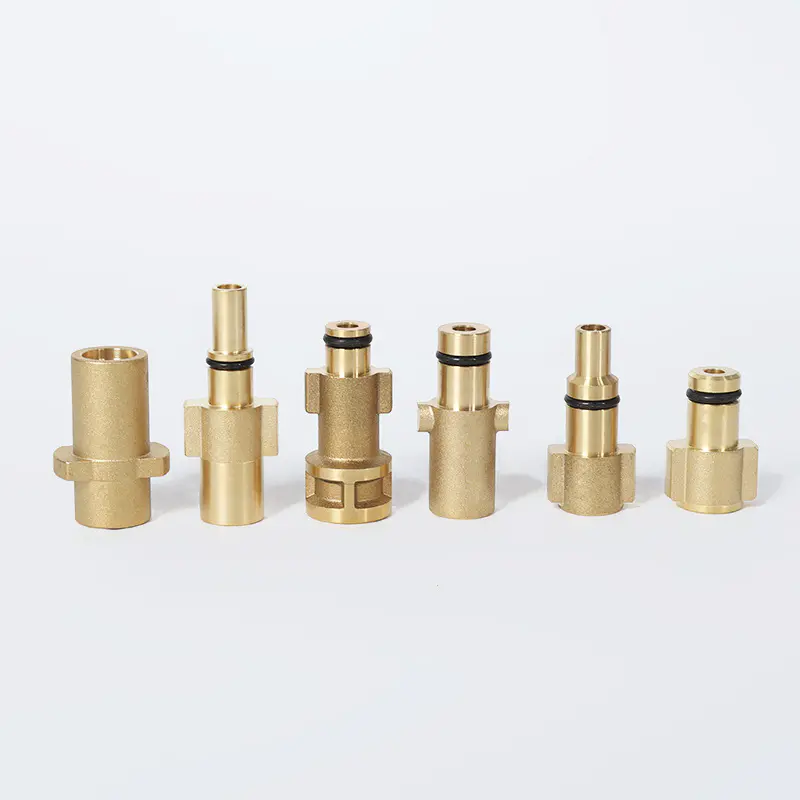
The main body of the High-pressure car washing machine pure copper connector is made of pure copper, which has electrical and thermal conductivity, as...
See DetailsCopyright © Yuyao Fuhua Machinery Equipment Co., Ltd. Rights Reserved.
Wholesale High Pressure Cleaning Tools/Accessories Manufacturers


