


 中文简体
中文简体

Pressure Washer Handheld Foam Pot
Cat:Pressure Washer Foam Pot
Handheld design, easy to use, and easy to carry.Equipped with a high-pressure pump to pressurize the cleaning agent and spray foam easily during use, ...
See Details2026-10-08
Two washers, one foam pot, two very different results. A 1,200 psi / 5 L/min electric unit and a 2,500 psi / 9 L/min machine pull detergent out of the same bottle at completely different rates, because a foam pot does not create pressure, it borrows pressure. Size the orifice to the pump's flow and the foam comes out thick and slow-draining. Oversize it and you get soapy water sliding off the panel before it has time to soften the dirt.
Short version: match orifice diameter to flow rate, keep the bottle mix around 1:10 to 1:15 soap to water, and treat the mesh screen, pick-up tube and O-rings as wear parts. The rest of this guide explains why those three points decide whether the pot performs or disappoints, and what to inspect on a unit before it ships.
A foam pot, also sold as a foam cannon, foam lance or foamer, is a venturi device rather than a pump. Water arrives at line pressure and is forced through a small orifice. The pressure drop immediately behind that restriction siphons detergent up the pick-up tube from the bottle. The two liquids meet in a mixing chamber, and the combined stream is pushed through one or two mesh screens that shred it into bubbles.
Two practical consequences follow. First, the pot can never deliver more foam than the pump's flow allows, because the bottle is never pressurised; a 5 L/min machine and a 9 L/min machine behave differently even with identical soap. Second, foam quality is a plumbing problem before it is a chemistry problem. A clogged screen, a cracked O-ring or an air leak at the bottle thread changes the output more than swapping detergent brands.
Buyers usually compare bottle sizes first, because a large transparent bottle looks like more value. In practice, the orifice insert sets how much water the pot can pass at a given pressure, and that number decides foam texture.
| Orifice insert | Behaviour at 1,300-1,600 psi | Foam texture | Sensible use |
|---|---|---|---|
| 1.10 mm | High restriction, needs the least flow | Dense and dry, long cling | Pre-wash on coated or ceramic-sealed paint |
| 1.25 mm | Balanced restriction | Medium body, moderate cling | General car and fleet washing |
| 1.40 mm | Low restriction, demands flow | Wetter, faster run-off | Cold weather, heavy mud, large panels |
| 1.60 mm and above | Minimal restriction | Thin and watery | Low-flow machines, hose-fed foam guns |
Read that table as a starting point, not a specification. A 2.0 GPM machine pushing a 1.40 mm insert lays foam that hangs for several minutes; a 1.1 GPM machine with the same insert produces something closer to a wet mist.
The body of a durable foam pot is moulded in PA (polyamide) rather than plain PP, because alkaline pre-wash chemistries attack the softer resin and the housing crazes within a season. A transparent PA bottle shows the remaining mix at a glance, and a large-mouth opening saves time on every refill; spilled soap on a wash bay floor becomes a slip hazard by mid-shift.
An adjustable control that varies soap draw lets one pot cover both pre-wash and contact wash without a second bottle. Check that the pick-up tube is stainless steel, that the orifice insert is a machined brass or stainless part rather than moulded plastic, and that replacement O-rings can actually be ordered. A foam pot with a perfect spray pattern and no spare seals is a two-month tool.
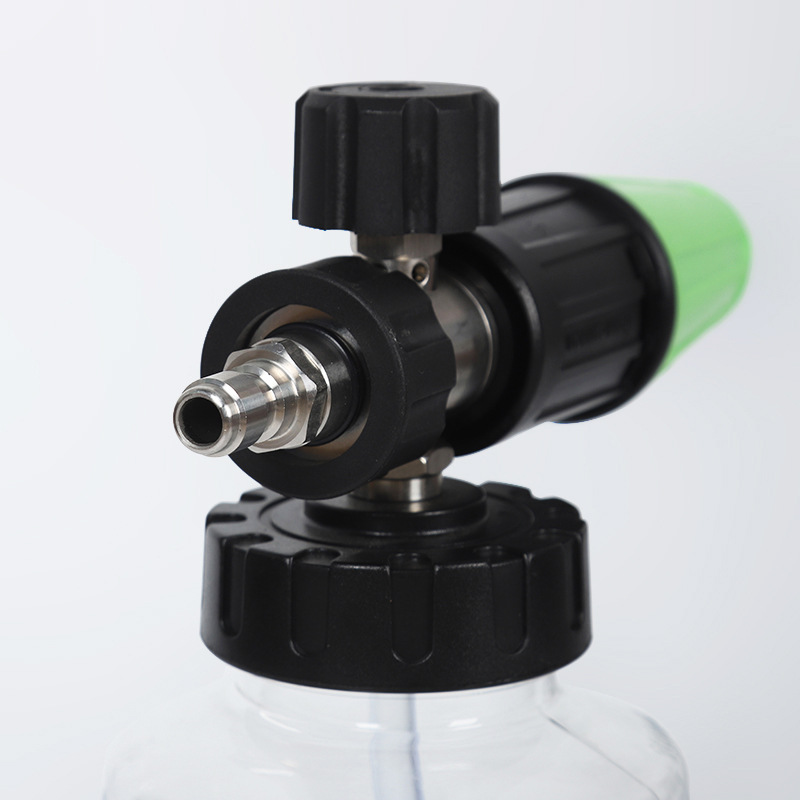 Adjustable High Pressure Car Wash Foam PotAdjustable foam concentration helps match cleaning strength to stain level while supporting cost savings; check adapter compatibility and replaceable seals before purchase.View Product →
Most foam pots ship with a 1/4 in. quick plug, which suits the majority of aftermarket spray guns and lances. Trouble appears at the two ends of the market: OEM trigger guns that use a bayonet fitting, and industrial machines with M22 or 3/8 in. threaded outlets. Buying the correct adapter once is cheaper than buying a second pot.
Also confirm the pot's pressure rating against your machine's maximum output. Foam pots rarely fail under pressure; they fail at the thread where a mismatched adapter has been over-tightened.
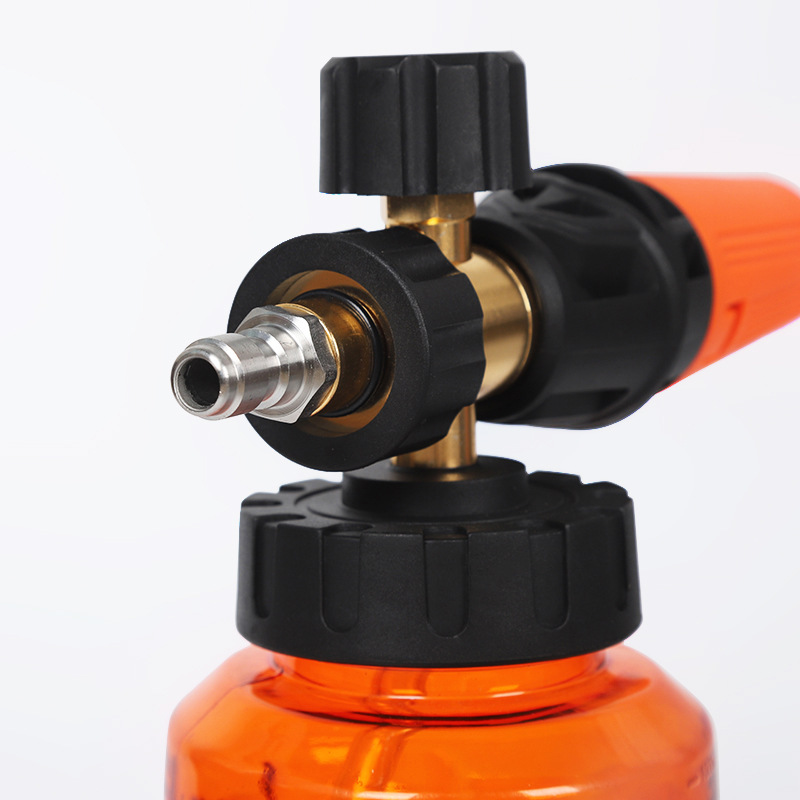 High Pressure Water Gun 1/4 Quick Plug Foam PotDesigned for pressure washers with a 1/4 quick plug, this foam pot offers convenient tool changes; confirm pressure rating and adapter thread fit.View Product →
Start with one part detergent to ten or fifteen parts water in the bottle, then adjust from there. Remember that the pot dilutes the bottle mix again as it draws water through the venturi, so the concentration reaching the paintwork is far lower than the label suggests. Calibration means fixing one dilution, one orifice and one pass speed, then measuring how long the foam clings before it drains.
Most complaints trace back to a short list of causes:
When output drifts during a shift, the cause is usually calibration rather than a broken part. The resetting sequence for dilution and pass speed is described in this walkthrough on calibrating a foam pot.
In a fixed bay the arithmetic changes. A pot that costs a little more but survives forty vehicles a day is cheaper than three budget units a year. Look for a larger bottle, a metal orifice insert, and a body that opens by hand without tools for rinsing.
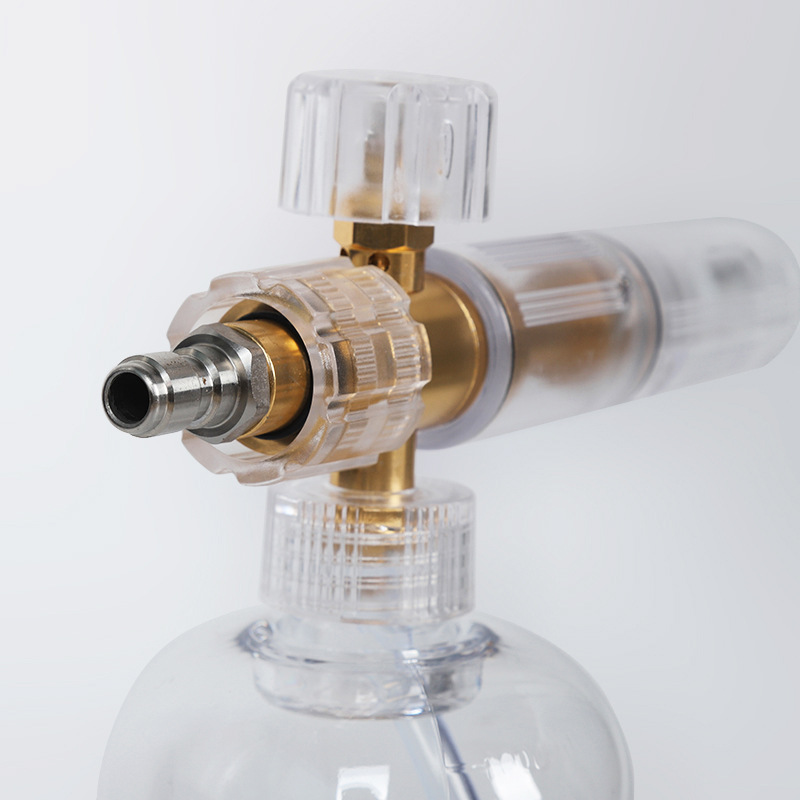 Commercial Car Wash High Pressure Water Gun Foam PotBuilt for busy car wash and beauty shop use, this high-pressure foam pot targets stubborn vehicle stains; inspect hose, connectors, and nozzle for flow issues.View Product →
A foam pot is one link in a chain that starts at the pump and ends at the nozzle. Restriction anywhere upstream, whether an undersized hose, a worn quick connector or a choked filter, reduces flow and thins the foam even though the pot itself is fine. When foam quality drops suddenly, check the inexpensive parts first: hose, connectors and nozzle, then the pot.
Yuyao Fuhua Machinery Equipment builds foam pots alongside the pressure washer accessories they connect to, including nozzles, rotary joints, quick connectors and hoses, drawing on a precision mechanical parts background and 16 years of production experience. That matters to buyers because an orifice insert, a quick plug and a spray pattern are tolerances rather than features, and a supplier that machines its own fittings can hold them.
Buy the orifice to suit the pump, choose a bottle size that matches how many vehicles you clean before a refill, and check the fitting before the label. A foam pot with the right insert outperforms a larger, more expensive unit that starves at 1.1 GPM, and it keeps performing for as long as the mesh is rinsed and the O-rings are replaced.
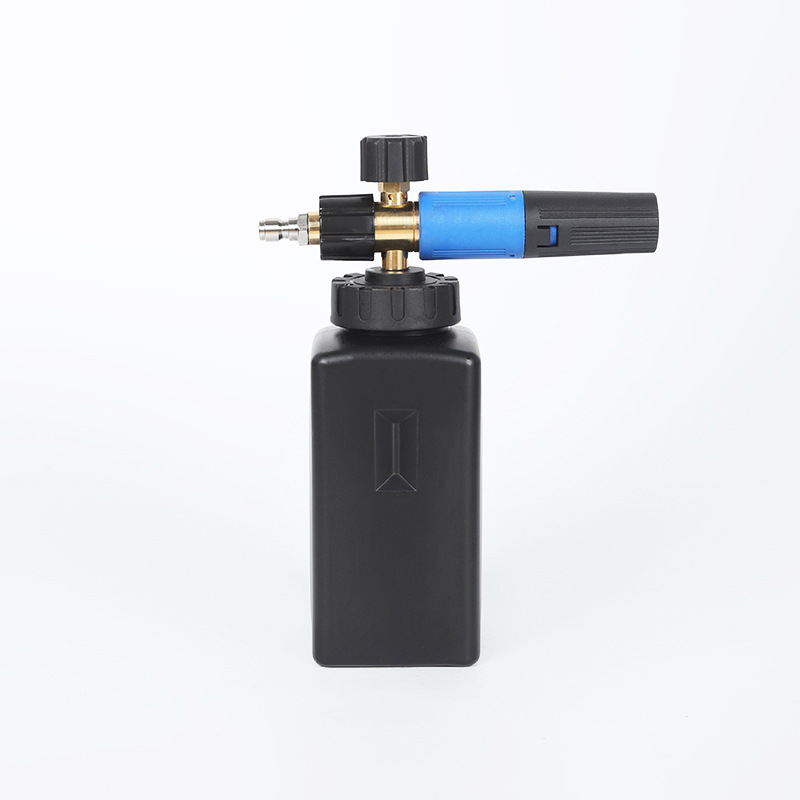
Handheld design, easy to use, and easy to carry.Equipped with a high-pressure pump to pressurize the cleaning agent and spray foam easily during use, ...
See Details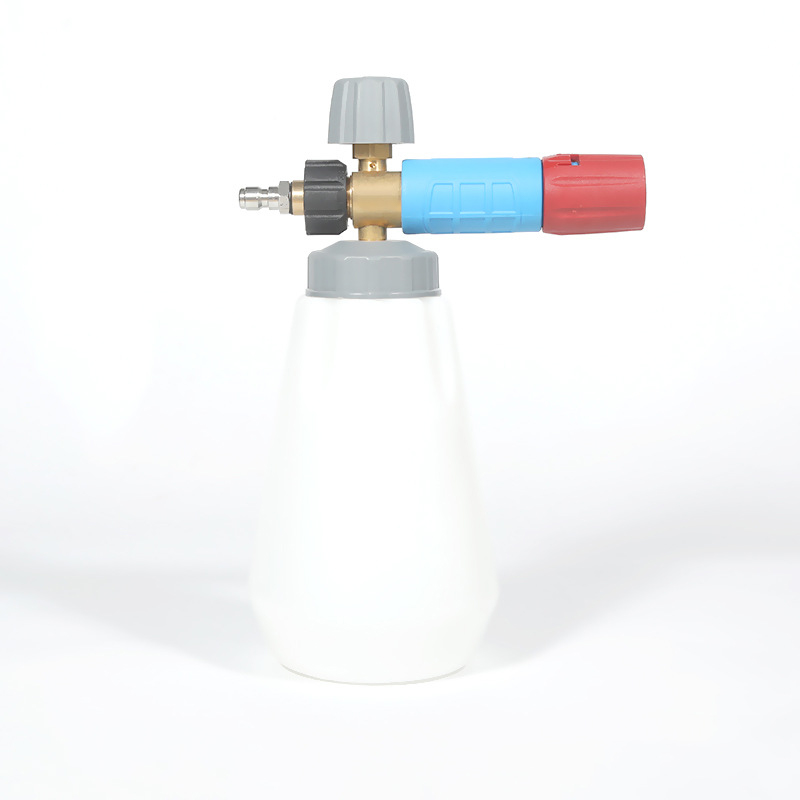
High-pressure large mouth white foam pot is a device used in conjunction with high-pressure cleaning equipment. The white design allows users to easil...
See Details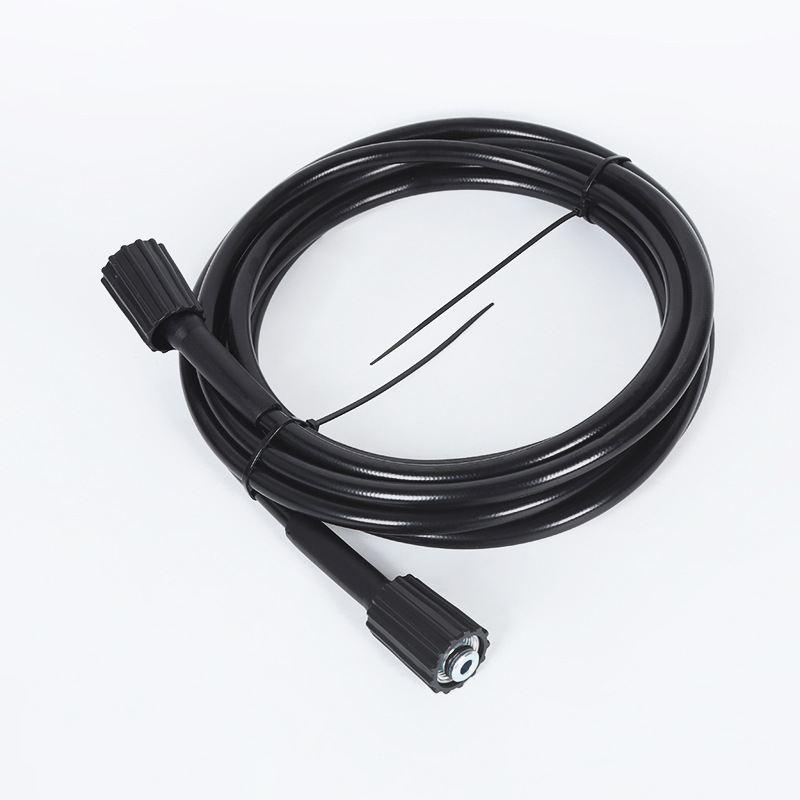
When not in use, the Cleaning machine adapter high-pressure hose can be easily rolled up for easy storage without taking up much storage space. This p...
See Details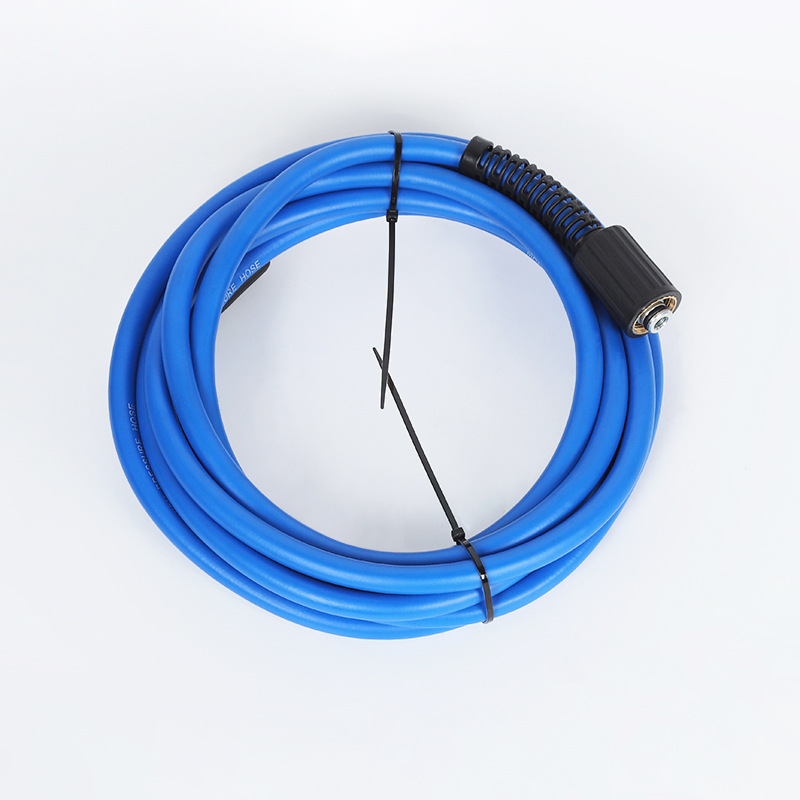
The washing machine's high-pressure car wash water outlet rubber pipe has corrosion resistance and can maintain long-term durability under water erosi...
See Details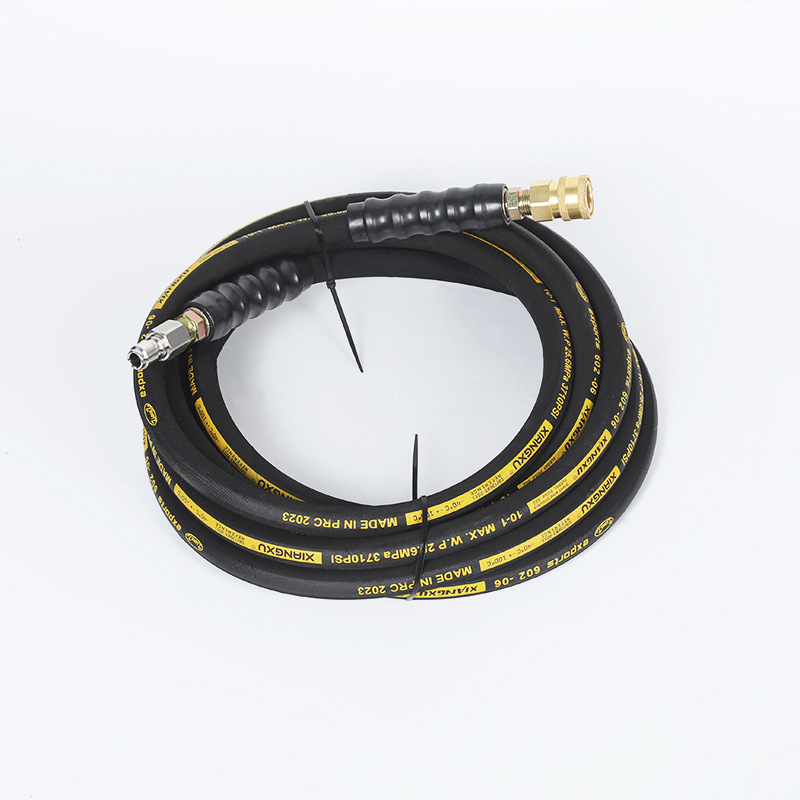
Garden watering high-pressure hose is more suitable for garden irrigation. The high-pressure water flow can fully cover the range of green plants you ...
See Details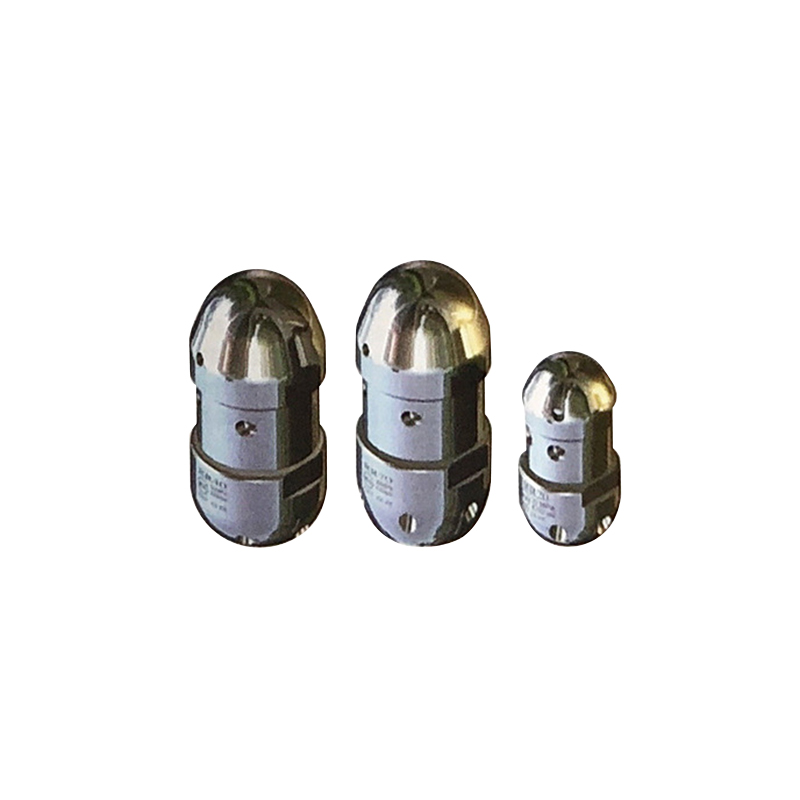
Small construction site car washing machine professional high-pressure atomizing nozzle can provide atomized water flow, making the water flow distrib...
See Details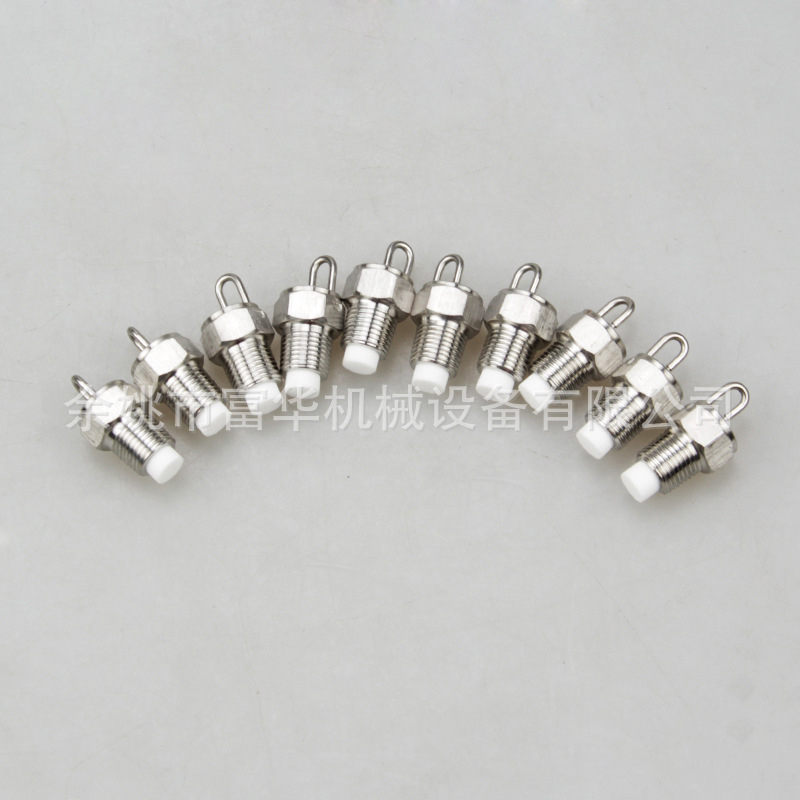
Pipe cleaning round thimble atomizing nozzle is suitable for pipes of different diameters and can clean the inner wall of the pipe in all directions. ...
See Details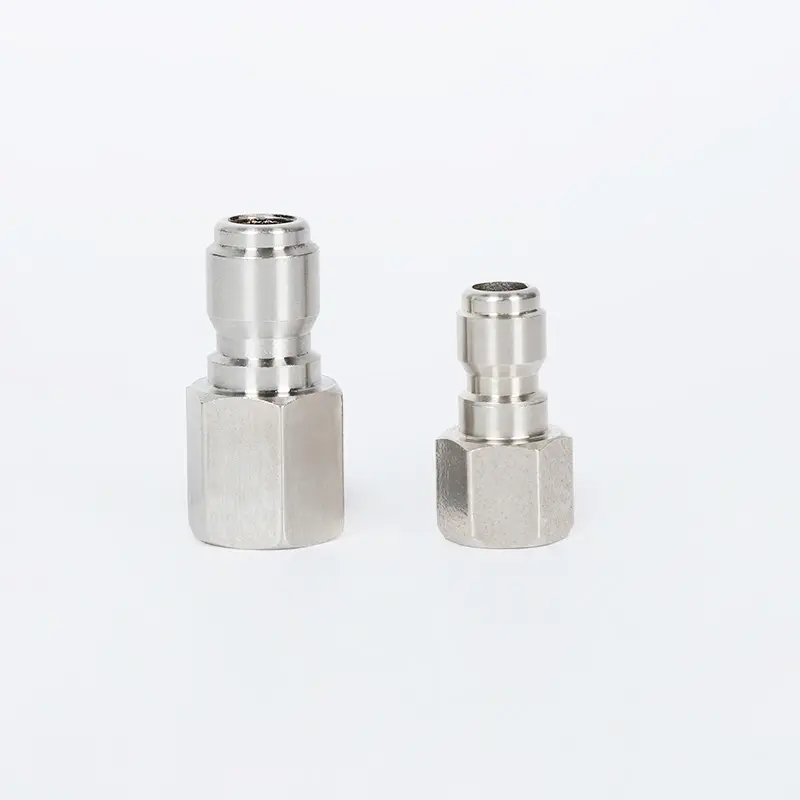
High-pressure cleaning machine straight through rotary quick connector adopts a straight-through design, which can directly transfer high-pressure wat...
See Details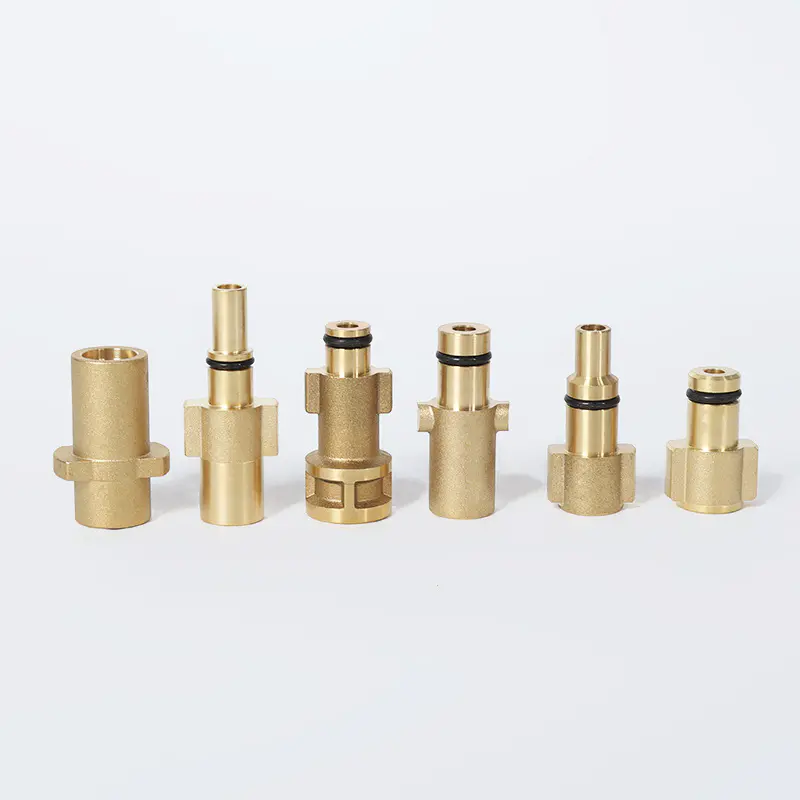
The main body of the High-pressure car washing machine pure copper connector is made of pure copper, which has electrical and thermal conductivity, as...
See Details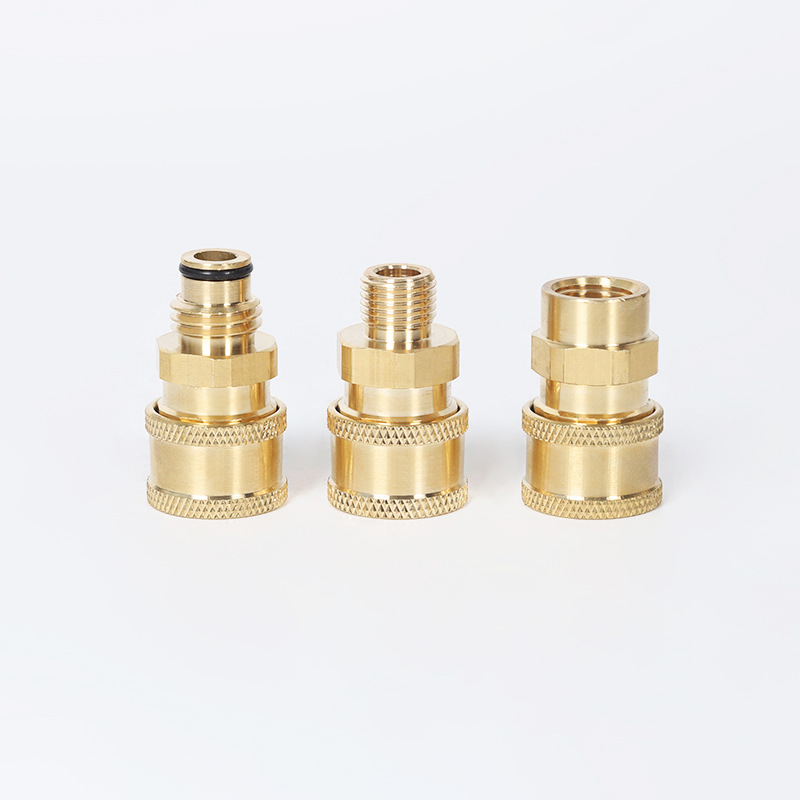
Car wash water nozzle head conversion 1/4 union quick plug is suitable for various types of car wash water guns and car wash equipment, providing more...
See DetailsCopyright © Yuyao Fuhua Machinery Equipment Co., Ltd. Rights Reserved.
Wholesale High Pressure Cleaning Tools/Accessories Manufacturers


