


 中文简体
中文简体

Large Mouth Pressure Washer Foam Generator
Cat:Pressure Washer Foam Pot
The Large Mouth Pressure Washer Foam Generator has a simple design and is easy to operate. When used in conjunction with a high-pressure water gun, it...
See Details2026-10-01
A maintenance manager at a food processing plant once told us that his most expensive cleaning problem was not the pressure washer itself, but the parts attached to it. The pump ran fine. The nozzle tip was clogged, the quick coupling leaked under load, and the hose was rated below the pump's real output. Industrial cleaning equipment is a system, and the system only performs at the level of its weakest component. This guide explains how to choose the parts that keep the whole chain working.
Many buyers think of industrial cleaning equipment as a single machine, usually a high pressure cleaner. In reality, the category includes every component that touches the water between the pump and the surface being cleaned: nozzles, spray guns, lances, connectors, hoses, reels, foam pots, surface cleaners, and drain cleaning tools. The machine provides the energy, but the components decide how that energy is delivered.
Each component has its own pressure rating, wear pattern, and service interval. Change any one of them and the whole system behaves differently. That is why choosing parts from a single manufacturer, with matching threads, pressure ratings, and flow specifications, removes most of the guesswork from maintenance planning.
| Component | Role in the system | Typical failure |
|---|---|---|
| Nozzles | Shape and direct high-pressure flow | Wear, clogging, wrong spray angle |
| Connectors and couplings | Join hose, gun, and lance without leaks | O-ring wear, thread damage, pressure loss |
| Hoses and reels | Carry water from pump to tool | Kinking, low burst rating, abrasion |
| Foam pots | Mix and apply detergent or chemicals | Clogged pickup tube, worn seals |
| Surface and drain tools | Cover large areas or blocked pipes | Worn bearings, damaged rotating jets |
Pressure is the most quoted number in cleaning, but it is only useful when paired with flow rate. A pump that delivers 150 bar at 20 liters per minute cleans completely differently from one that delivers the same pressure at 60 liters per minute. The first is enough for washing vehicles and light equipment. The second is needed for drain jetting and heavy-duty surface removal.
For general industrial wash-down, 150 bar (about 2,180 psi) is a practical starting point. For pipe and sewer cleaning, 200 bar (about 2,900 psi) is common, with nozzle kits rated at 40, 60, or 70 liters per minute depending on the pipe diameter. At the far end of the spectrum, 20,000 psi stainless steel overflow guns perform specialized removal work that standard machines cannot handle.
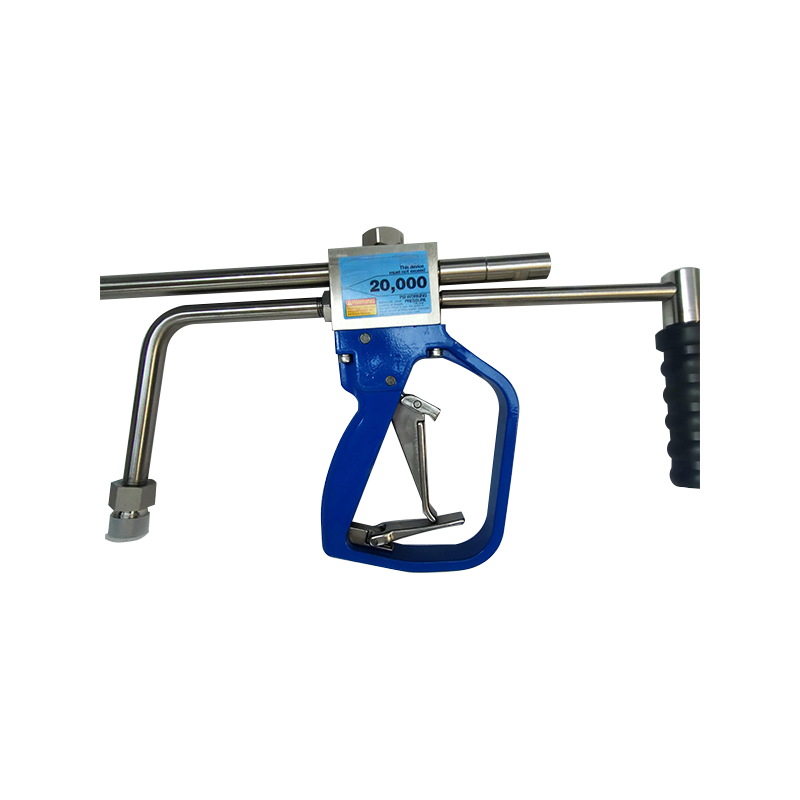 Stainless Steel Overflow Gun for 20,000 PSI Ultrahigh Pressure CleaningThis overflow gun is built for specialized removal work at extreme pressures beyond standard machine capability, making it relevant when your system operates at the high end of the pressure spectrum.View Product →
Once you know the pressure and flow of your pump, verify every other component against those two numbers. Hoses must be rated above the burst pressure of the system. Connectors must be sized for the flow. Nozzles must match the pressure drop they are designed to create. Skip this step and you will find the leak during the first week of full production.
Nozzle selection is a three-step decision: spray pattern, rotating or fixed, and material.
Spray pattern comes first. A straight 0-degree jet concentrates maximum force and can cut through compacted mud or hardened residue, but it can damage surfaces if held in one position for too long. Fan patterns spread the energy across a wider area: 15 degrees for stubborn dirt, 25 degrees for general washing, 40 degrees for gentle rinsing of painted or finished surfaces.
Rotating nozzles distribute the same flow into multiple high-speed jets. In drain and pipe cleaning, the rotation scrubs the full circumference of the pipe wall, pushing debris back toward the opening while cutting through scale and grease. A fixed nozzle, by comparison, cleans only the same spots until you move the lance.
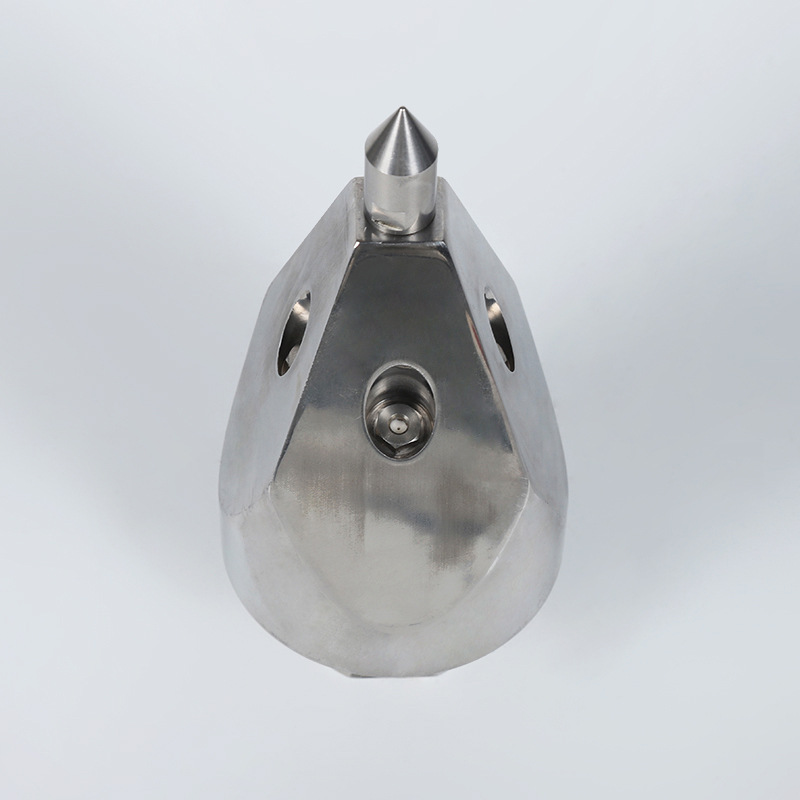 Rotating Nozzle for High Pressure Cleaning and UnblockingRotating nozzles distribute flow into multiple high-speed jets for pipe and drain cleaning, scrubbing the full circumference. This product suits operations needing effective scale and grease removal.View Product →
Material is the third decision. 304 stainless steel handles clean water and most detergents well. 316 stainless steel adds molybdenum, which improves resistance to chlorides and aggressive chemicals. If your operation uses acidic cleaners, works near salt water, or runs in humid coastal conditions, 316 is worth the higher unit cost.
Leaks almost always appear at the connection point. The most common causes are mismatched threads, worn O-rings, and connectors made to loose tolerances. Quick-connect systems come in two dominant sizes: 1/4 inch, which suits portable and light commercial washers, and 3/8 inch, which reduces pressure loss in higher-flow equipment. Brass connectors are inexpensive and durable in clean water. Stainless steel connectors cost more but tolerate harsh chemicals and repeated coupling cycles without galling.
For a practical breakdown of thread types, flow effects, and connection mistakes, see our guide to choosing the right pressure washer connector.
Hoses deserve equal attention. A hose's working pressure should exceed the pump's maximum output, and its burst pressure should be higher still. Braided reinforcement and abrasion-resistant covers extend service life where hoses are dragged across concrete. If you use hot water or chemicals, check the hose lining for chemical compatibility before purchase. Reels and hose guides reduce kinks and prevent the sharp bends that eventually weaken hose walls.
Detergent application is often treated as an afterthought, but foam quality directly affects chemical consumption and cleaning time. A well-mixed foam clings to vertical surfaces long enough for the detergent to break down grime, then rinses off cleanly. A poorly adjusted foam pot either leaves detergent all over the floor or rinses away before it can work.
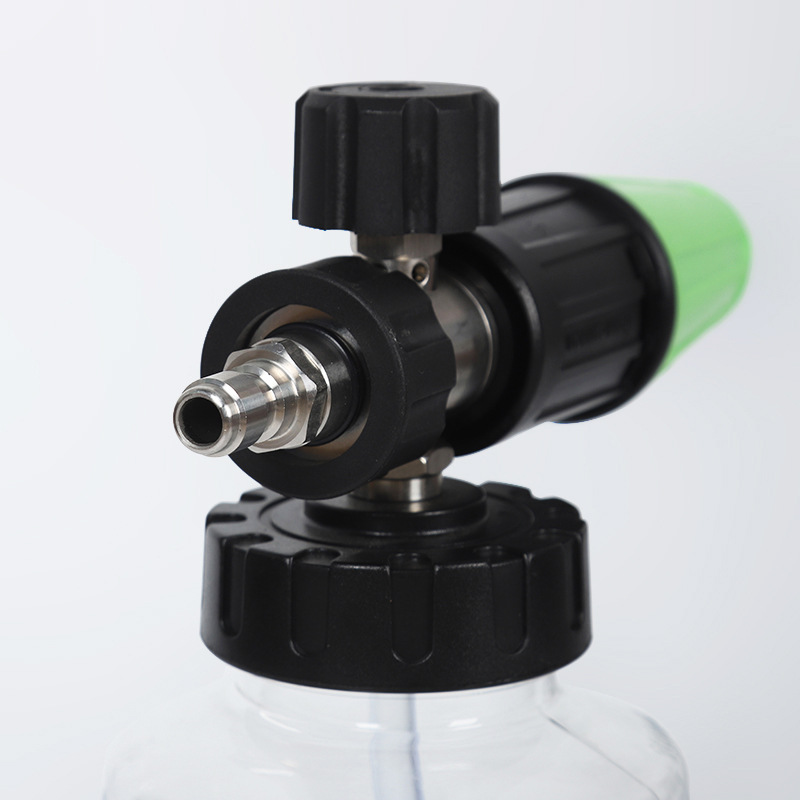 Adjustable Foam Pot for High Pressure Car WashingThis adjustable foam pot supports controlled detergent application for fleet washing and smaller jobs, helping achieve proper foam cling that reduces chemical consumption and improves cleaning time.View Product →
When evaluating a foam pot, look for three things: an adjustable dilution ratio, a pickup tube that does not clog with thick chemicals, and seals that tolerate the solvents you use. For fleet washing, a wide-mouth foam pot with a visible tank level gives the operator control without opening the unit. For smaller jobs, a handheld pot mounted on the spray gun is faster to switch between rinse and foam modes.
Standardizing on one supplier for cleaning equipment parts simplifies inventory and guarantees compatibility. If you are still evaluating options, start with an established industrial cleaning equipment supplier and compare pressure ratings, thread standards, and material quality before you commit. Use this checklist when you evaluate a new machine or replace worn components:
Industrial cleaning equipment works as a chain: pump, hose, connector, nozzle, and chemical delivery. Choose each link intentionally, and the system will clean faster, use less water and detergent, and break down less often. That is the difference between owning a pressure washer and owning a reliable cleaning system.
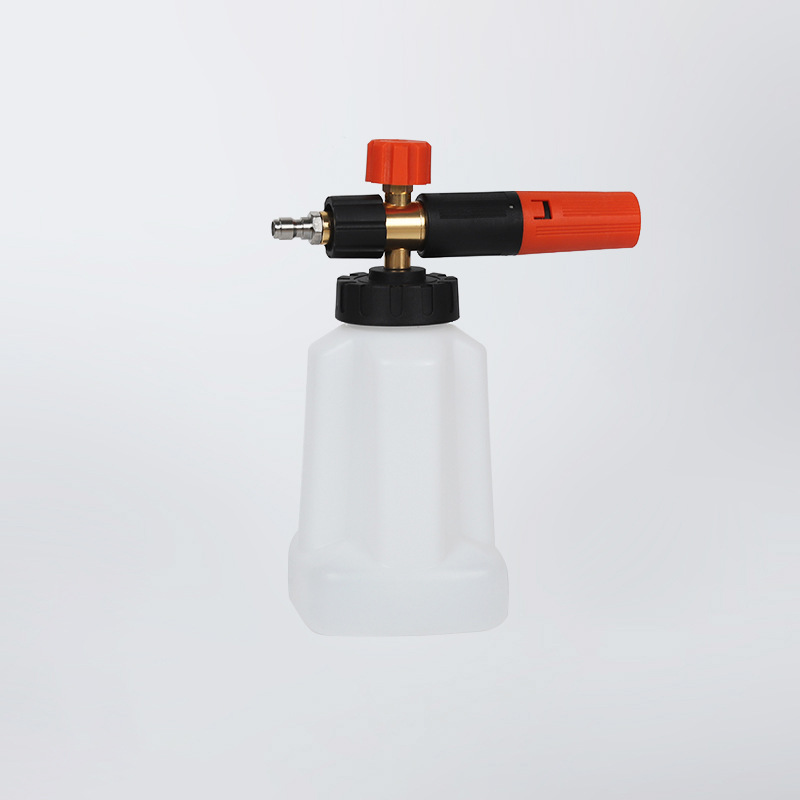
The Large Mouth Pressure Washer Foam Generator has a simple design and is easy to operate. When used in conjunction with a high-pressure water gun, it...
See Details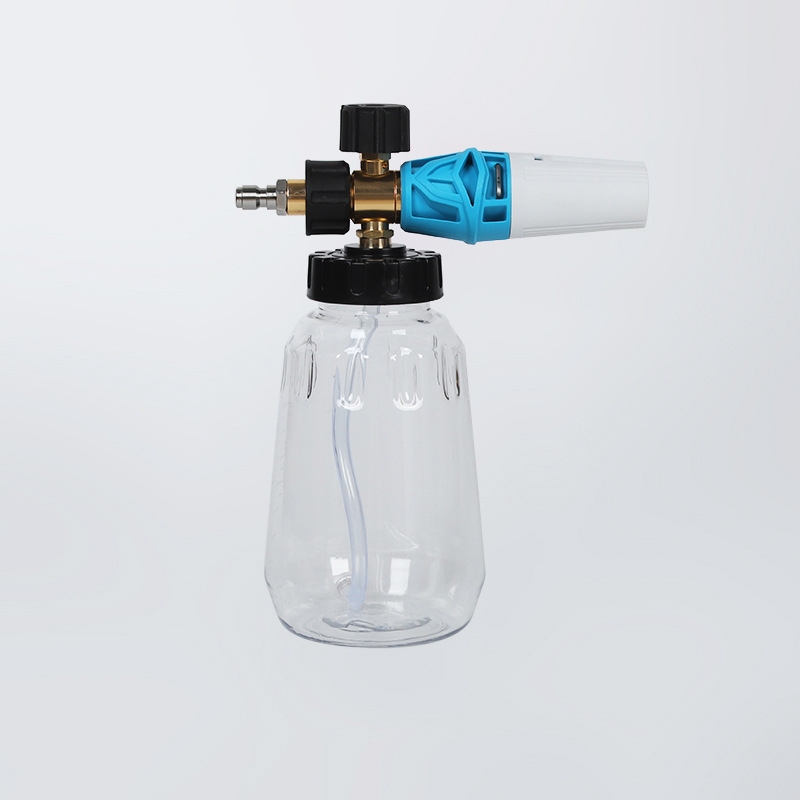
The main materials of High-pressure car wash guns and foam pots are engineering plastics and aluminum. Both materials have good corrosion resistance. ...
See Details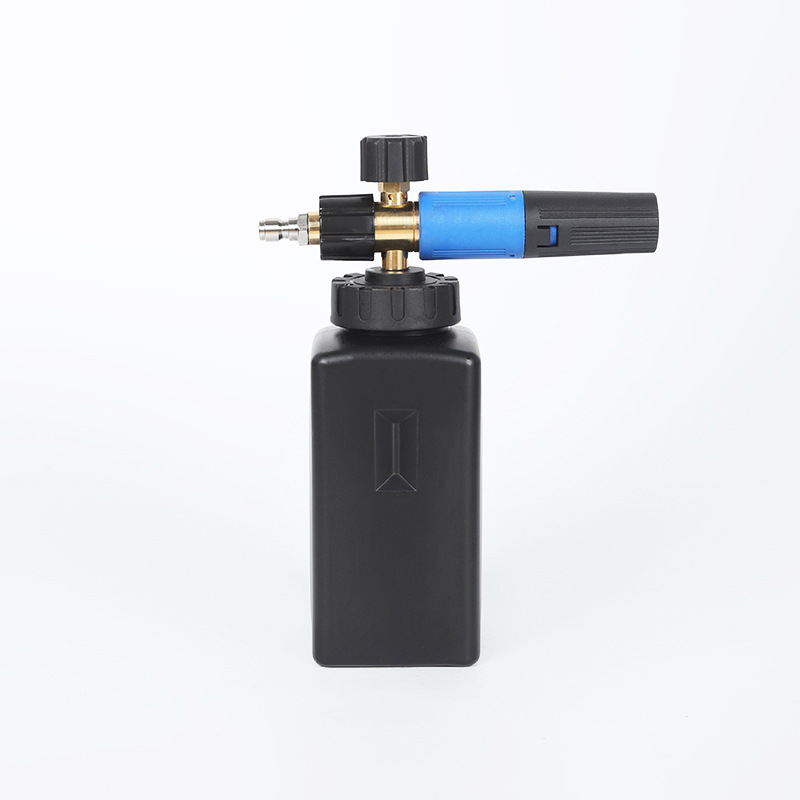
Handheld design, easy to use, and easy to carry.Equipped with a high-pressure pump to pressurize the cleaning agent and spray foam easily during use, ...
See Details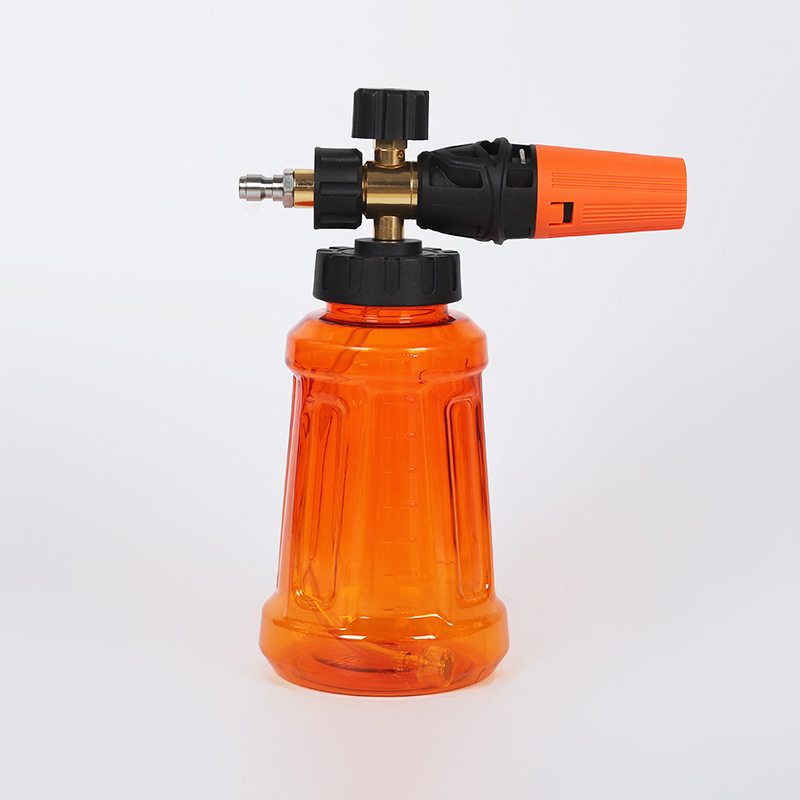
High-pressure water gun 1/4 quick plug foam pot is equipped with a 1/4 quick connect plug, which can easily connect a pressure washer or other cleanin...
See Details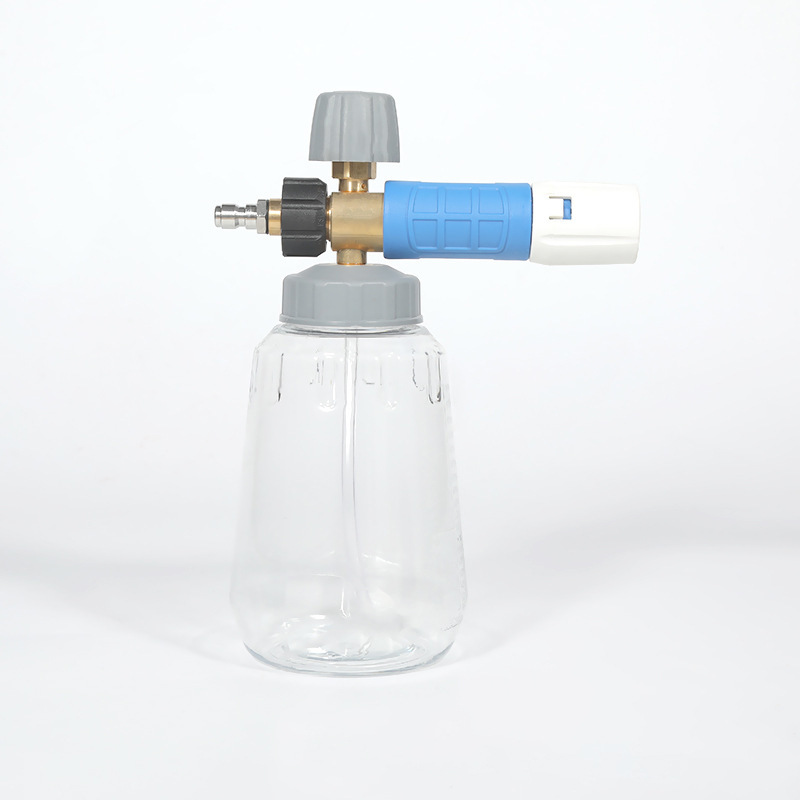
The installation of the Sector-shaped high-pressure car wash PA foam pot is relatively simple and can be easily installed on cleaning machines and oth...
See Details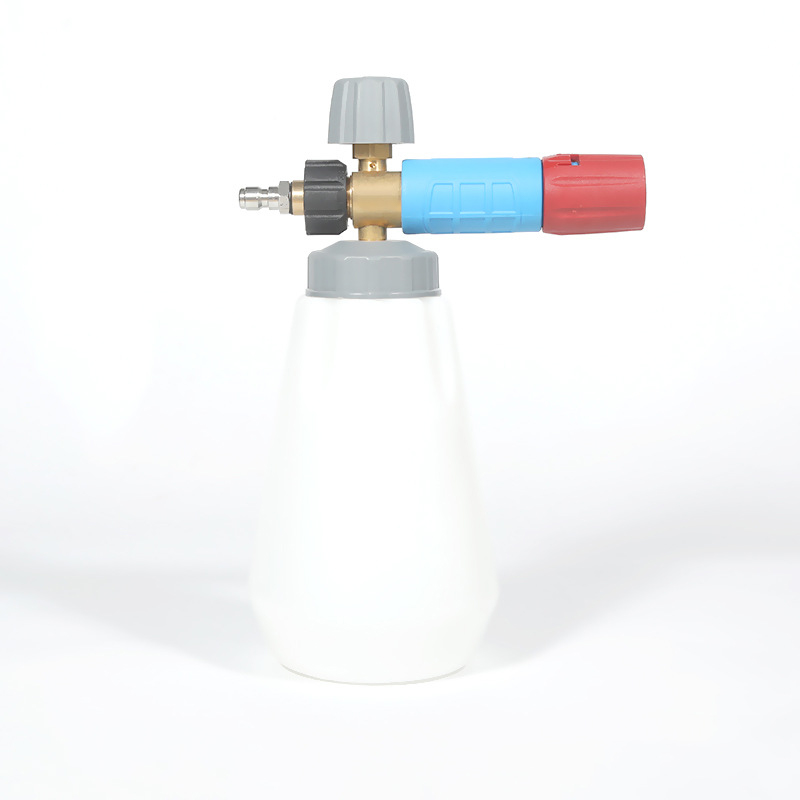
High-pressure large mouth white foam pot is a device used in conjunction with high-pressure cleaning equipment. The white design allows users to easil...
See Details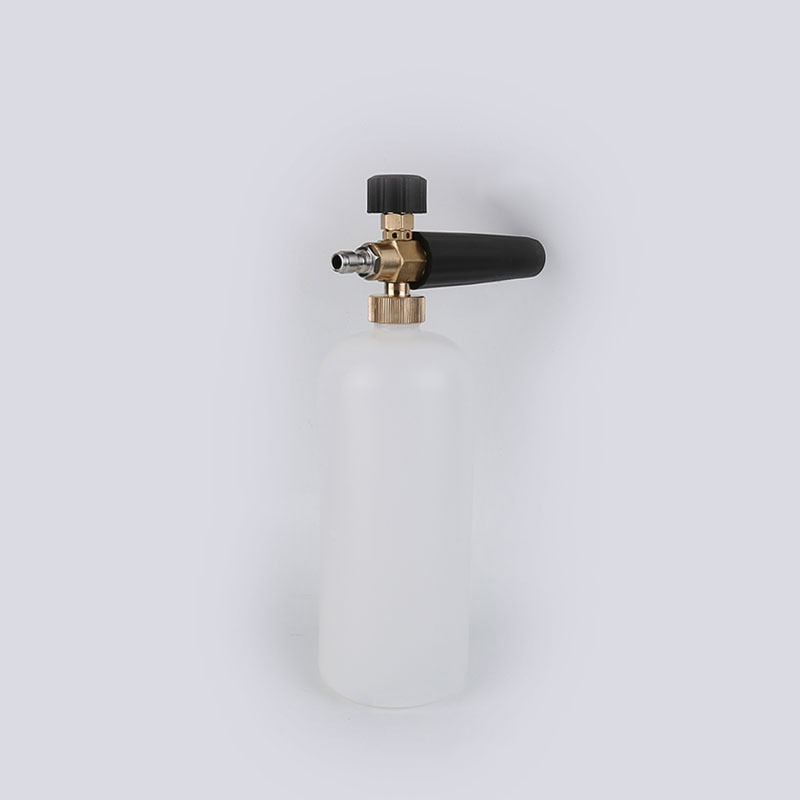
Garden Supplies Plastic Spray Gun Foam Kettle can spray a finer spray to ensure even coverage in the area whether it is spraying pesticides or water. ...
See Details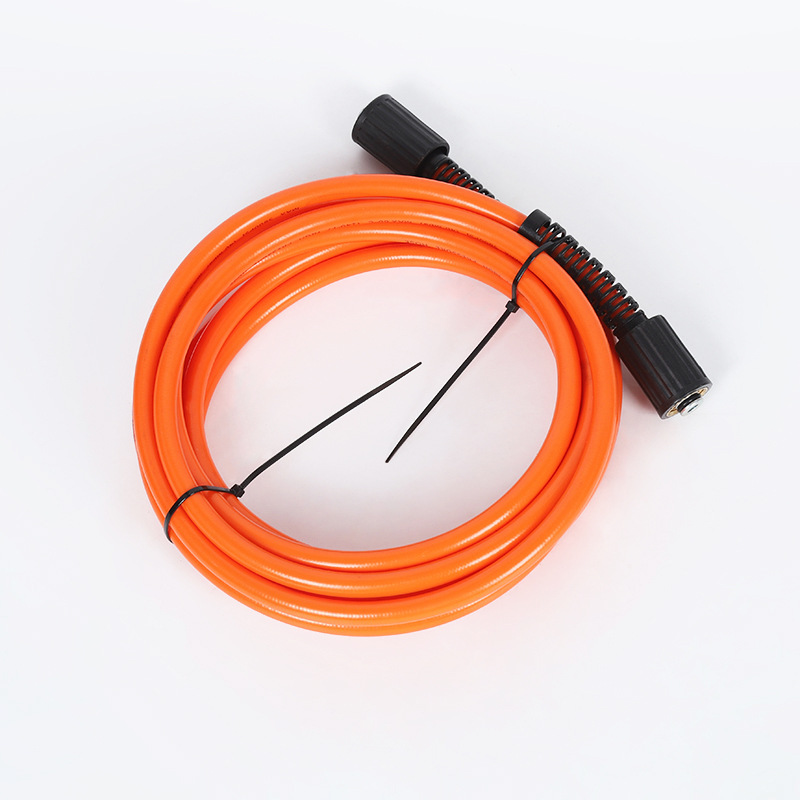
Car washing machine high-pressure wear-resistant water pipe The hose has outstanding wear resistance, which means that when washing the car, there is ...
See Details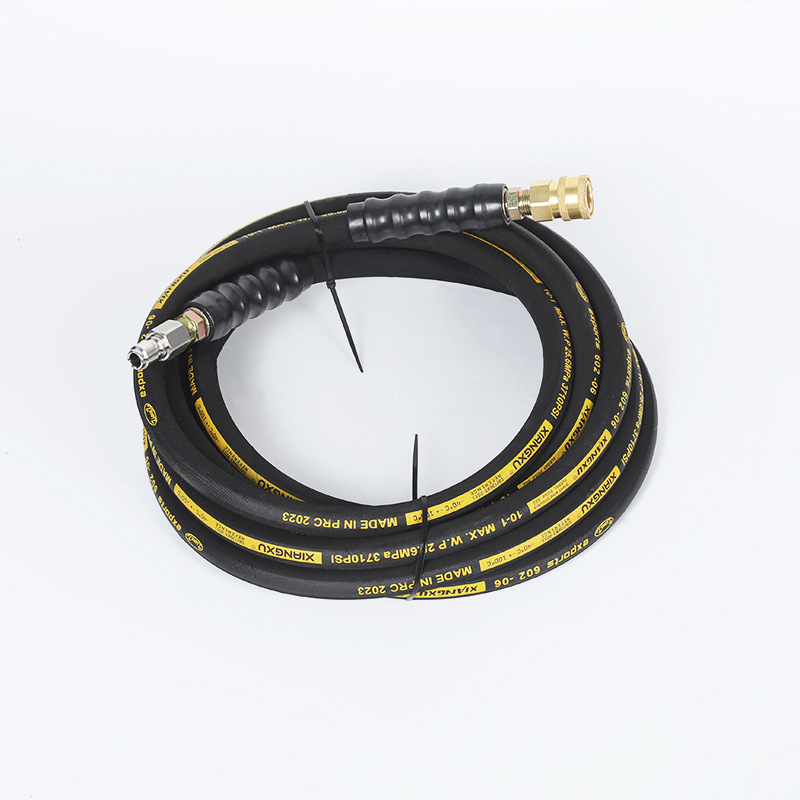
Garden watering high-pressure hose is more suitable for garden irrigation. The high-pressure water flow can fully cover the range of green plants you ...
See Details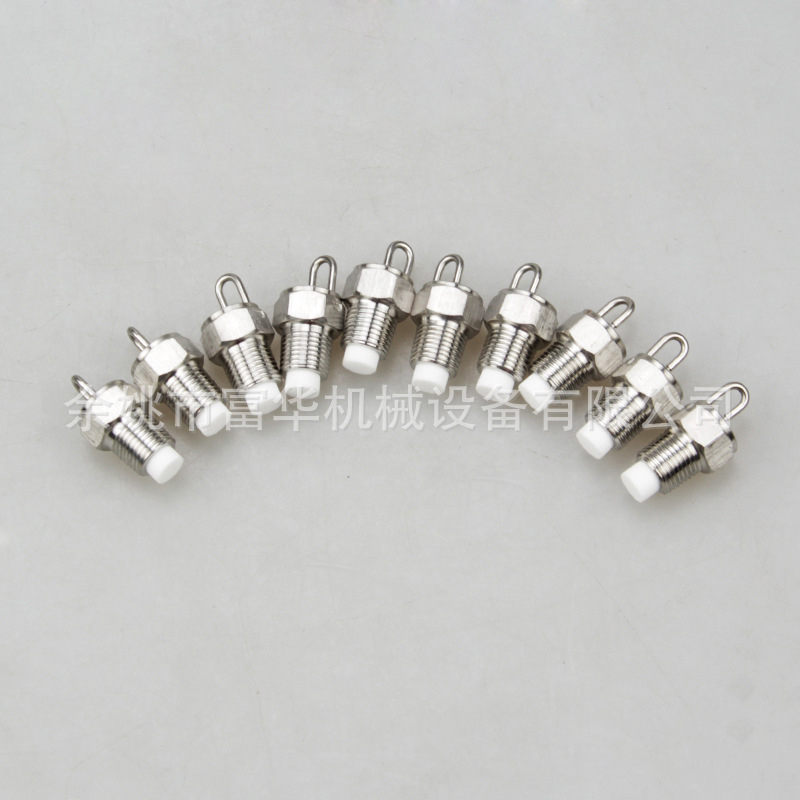
Pipe cleaning round thimble atomizing nozzle is suitable for pipes of different diameters and can clean the inner wall of the pipe in all directions. ...
See DetailsCopyright © Yuyao Fuhua Machinery Equipment Co., Ltd. Rights Reserved.
Wholesale High Pressure Cleaning Tools/Accessories Manufacturers


