


 中文简体
中文简体

Pressure Washer Handheld Foam Pot
Cat:Pressure Washer Foam Pot
Handheld design, easy to use, and easy to carry.Equipped with a high-pressure pump to pressurize the cleaning agent and spray foam easily during use, ...
See Details2026-07-02
The power source is the single biggest factor separating high pressure cleaner categories, and it determines nearly everything else about how the machine performs and where it can be used.
Quieter operation, no exhaust fumes, lower maintenance since there's no engine oil or spark plugs, but limited by cord length and typically capped around 2,300 PSI for consumer units.
Higher maximum pressure and flow rate, fully portable without needing a power outlet, but louder, heavier, and requiring regular engine maintenance like oil changes.
A gas unit producing 3,000 PSI at 2.5 gallons per minute delivers roughly double the cleaning units of an electric model rated at 2,000 PSI and 1.4 gallons per minute, which explains why professional cleaning services lean toward gas despite the added noise and upkeep.
Pressure (PSI) measures the force of the water stream, while flow rate (GPM, gallons per minute) measures how much water moves through that stream. Multiplying the two gives a rough measure of total cleaning power, often called cleaning units.
| Model Example | PSI | GPM | Approximate Cleaning Units |
| Light-duty electric | 1,500 | 1.2 | 1,800 |
| Mid-range electric | 2,000 | 1.4 | 2,800 |
| Standard gas | 3,000 | 2.5 | 7,500 |
| Heavy-duty gas | 4,000 | 3.5 | 14,000 |
A machine with very high PSI but low GPM can still take a long time to cover a large surface, since low flow means less water is actually being delivered to rinse away loosened debris. This is why professional-grade jobs prioritize both figures rather than PSI alone.
Using too much pressure on a delicate surface can cause real damage, while too little pressure simply wastes time without achieving results.
| Task | Recommended PSI Range | Risk If Too High |
| Washing a car or motorcycle | 1,200 to 1,900 | Paint or clear coat damage |
| Cleaning wood decking | 500 to 1,200 | Wood fiber gouging and splintering |
| Concrete driveway | 3,000 to 4,000 | Minimal risk, higher pressure often needed |
| Vinyl siding | 1,300 to 1,600 | Water forced behind panels |
| Outdoor furniture | 500 to 900 | Surface pitting on softer materials |
Most consumer high pressure cleaners use cold water, which works well for dirt, mud, and loose grime. Hot water units, more common in commercial and industrial settings, add a heating element that raises water temperature significantly, which dramatically improves performance on grease, oil, and baked-on residue.
Removing engine grease from a concrete garage floor with a hot water unit can take a fraction of the time compared to a cold water unit on the same stain, since heat helps break down oil-based residues that cold water alone struggles to lift.
| Nozzle Angle | Spray Pattern | Typical Use |
| 0 degrees (red) | Pinpoint stream | Stubborn stains on concrete, never on delicate surfaces |
| 15 degrees (yellow) | Narrow fan | Stripping paint, heavy-duty stain removal |
| 25 degrees (green) | Medium fan | General surface cleaning, most common everyday nozzle |
| 40 degrees (white) | Wide fan | Cars, siding, softer surfaces |
| 65 degrees (black) | Low-pressure wide fan | Applying soap or detergent |
Switching to the correct nozzle angle for each task matters as much as the machine's rated PSI, since a wide fan nozzle can reduce effective surface pressure by more than half compared to a narrow nozzle at the same pump output.
Weight and footprint vary significantly across categories, which affects how practical a unit is for regular home use versus occasional heavy-duty jobs.
Ongoing upkeep costs and effort differ substantially between power sources, which should factor into the purchase decision beyond the initial price tag.
| Maintenance Task | Electric Unit | Gas Unit |
| Oil changes | Not applicable | Every 50 to 100 hours of use |
| Spark plug replacement | Not applicable | Annually or as needed |
| Winterizing for cold storage | Minimal, drain pump only | Requires fuel stabilizer and full drainage |
| Overall annual upkeep cost | Low | Moderate to higher |
Households using their unit only a handful of times per year often find the lower maintenance burden of an electric model outweighs the extra power a gas unit would provide, since the gas engine still requires seasonal care even when barely used.
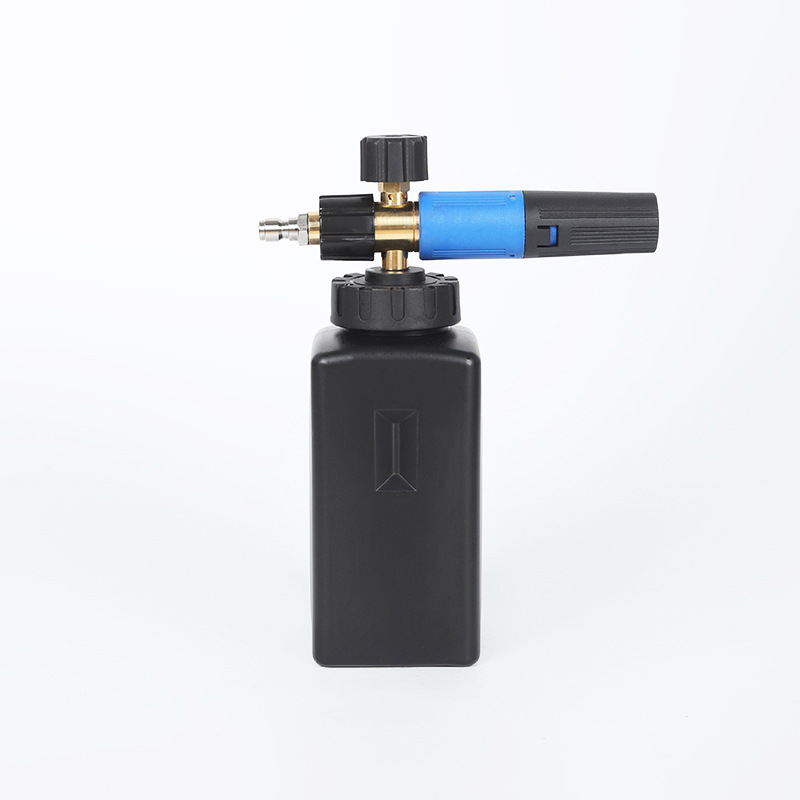
Handheld design, easy to use, and easy to carry.Equipped with a high-pressure pump to pressurize the cleaning agent and spray foam easily during use, ...
See Details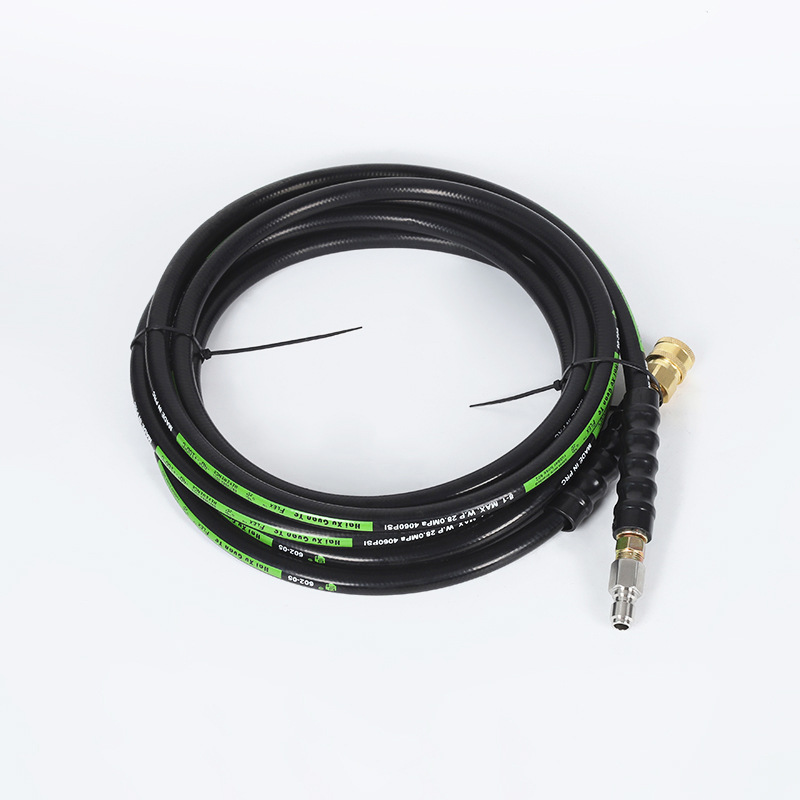
The characteristic of this product is that it can help remove dirt, sediments, and blockages in the pipeline through the impact of high-pressure water...
See Details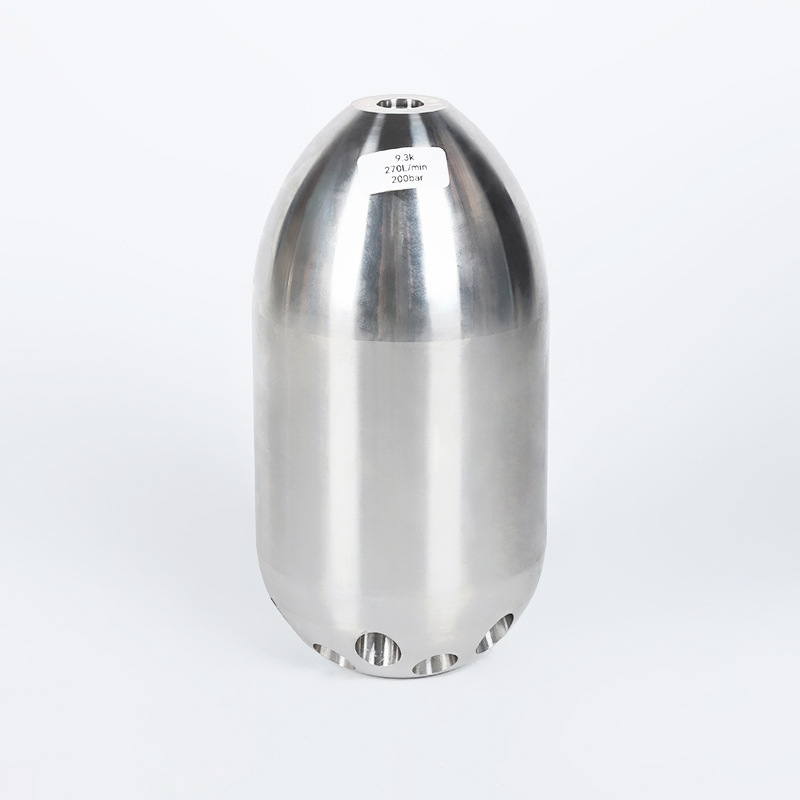
The water flow generated by the High-pressure nozzle for the sewage suction truck can quickly and powerfully flush dirt and blockages in the pipes, im...
See Details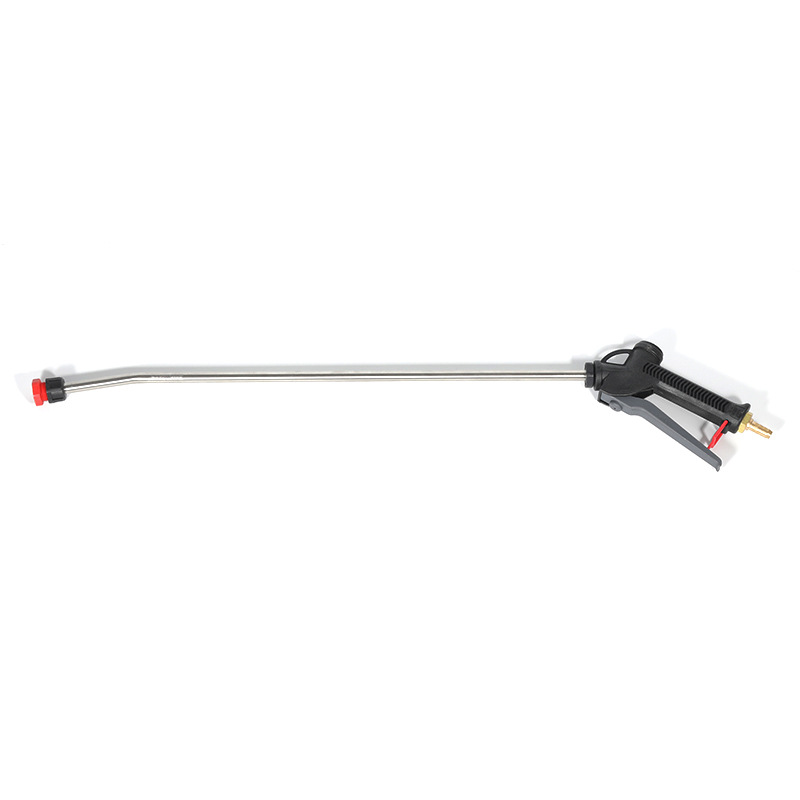
The High atomization nozzle car wash water gun can atomize the water flow and make the water spray more uniform, which can play a powerful role in car...
See Details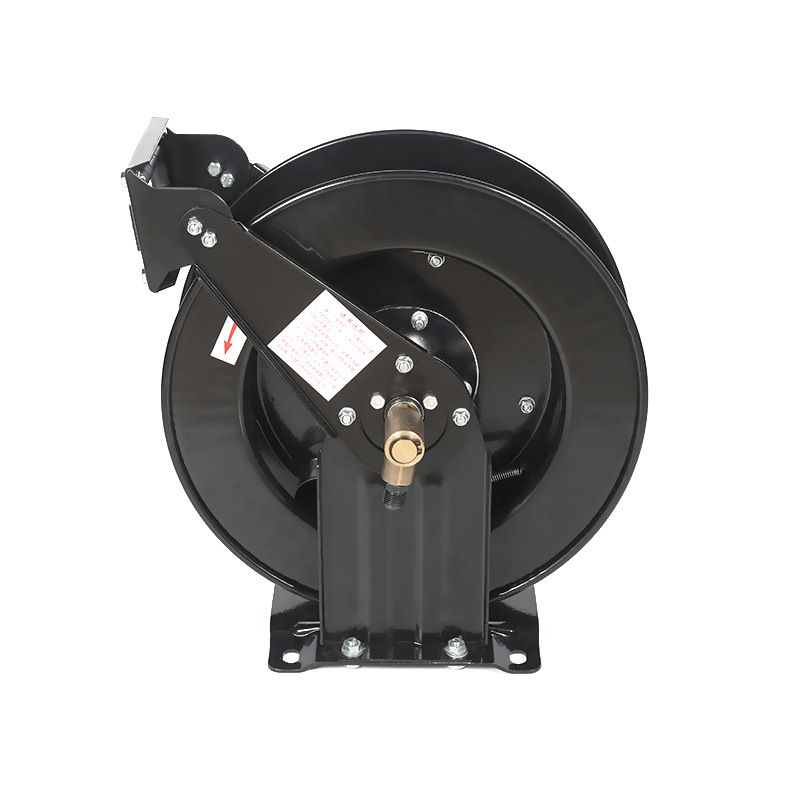
High-pressure drum water reel drum cleaning machine high-pressure hose can effectively store the high-pressure water gun, keep the water gun cables cl...
See Details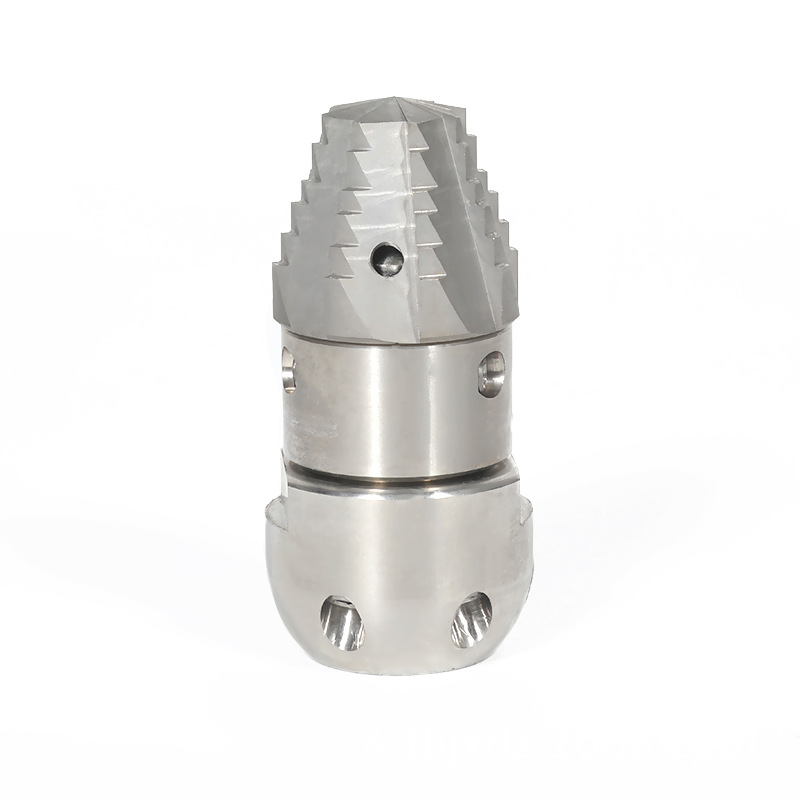
Sewer flushing and unblocking nozzle 40L is made of durable materials, which have strong durability and stability and can withstand long-term use. The...
See Details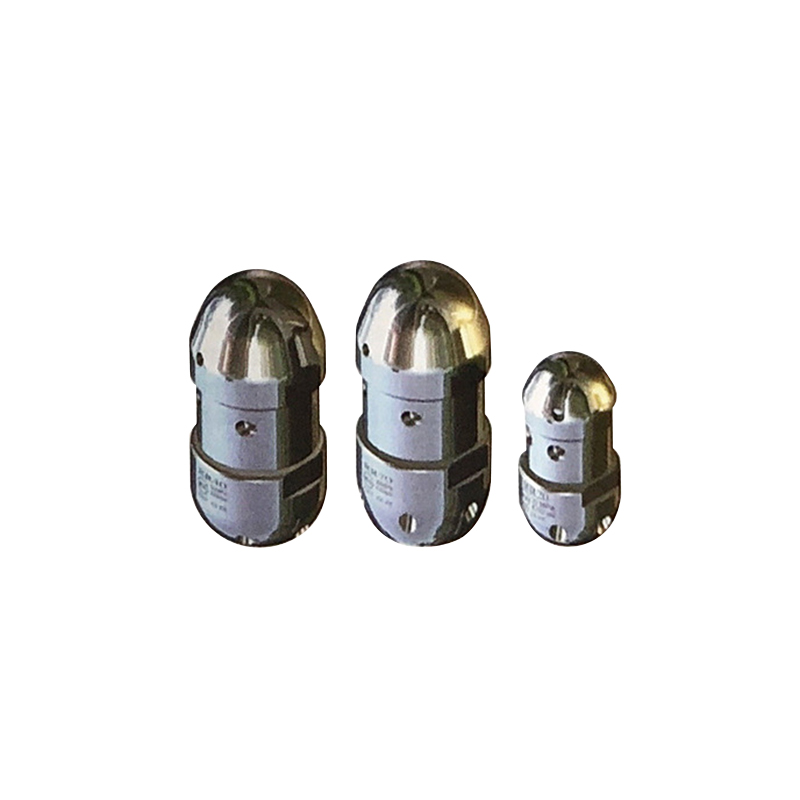
Small construction site car washing machine professional high-pressure atomizing nozzle can provide atomized water flow, making the water flow distrib...
See Details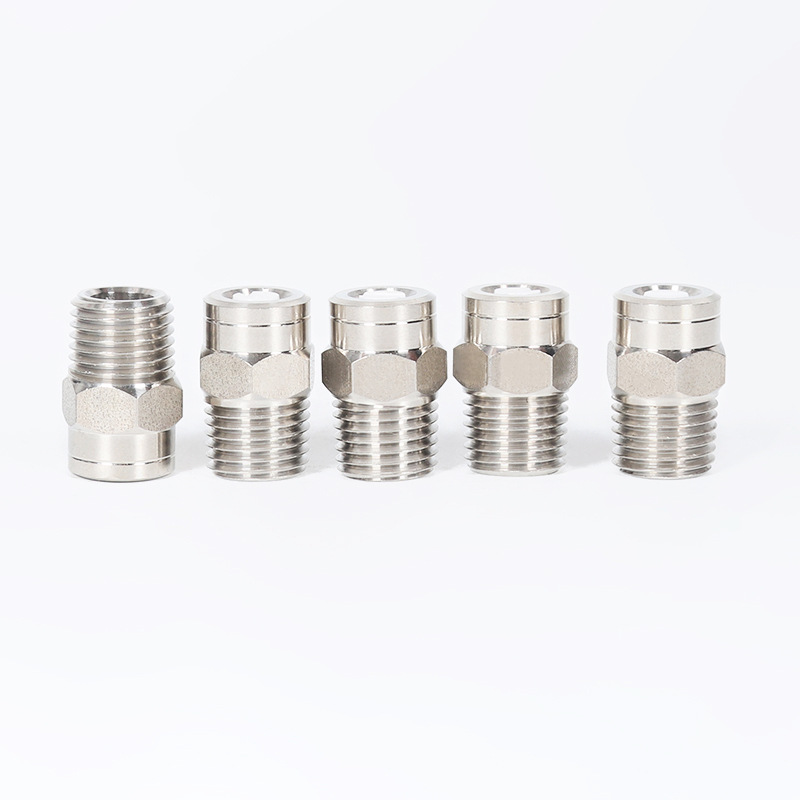
Flushing dust cone atomizing nozzle can provide high-pressure water flow, which can effectively flush dust and dirt, and the cleaning effect is remark...
See Details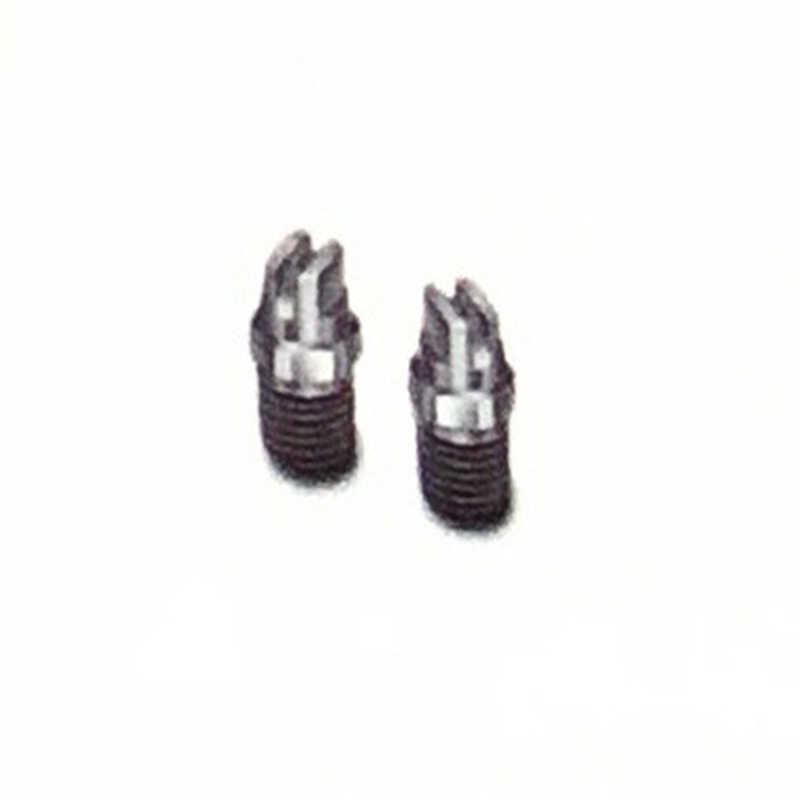
Special nozzle for washing machine car wash station is a nozzle product specially designed for car washing machines. It can effectively clean dirt, se...
See Details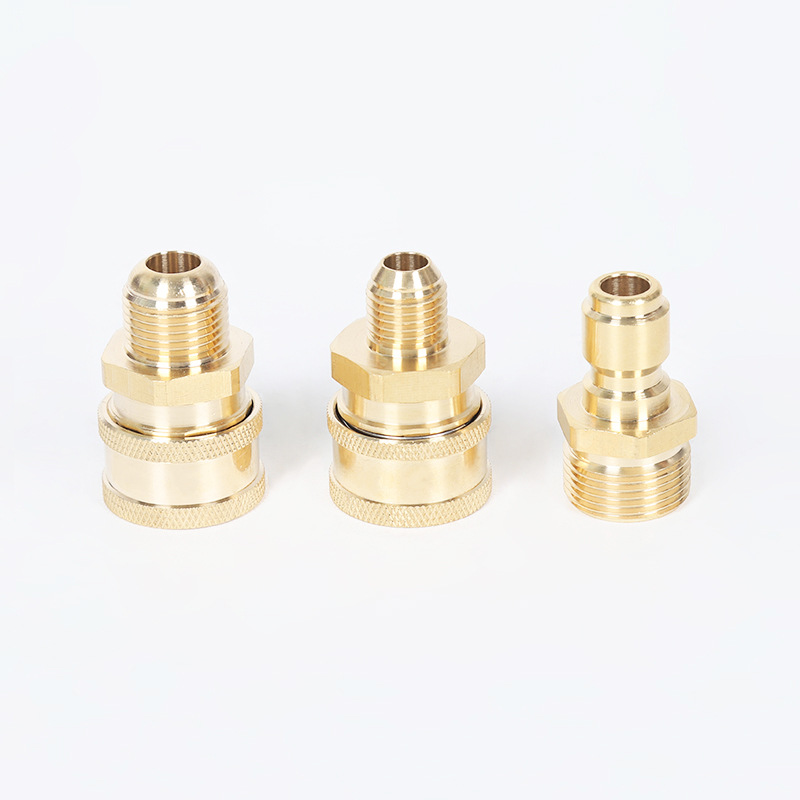
High-pressure car washing machine cleaning machine copper 3/8 quick plug has good sealing performance, which can effectively prevent water leakage and...
See DetailsCopyright © Yuyao Fuhua Machinery Equipment Co., Ltd. Rights Reserved.
Wholesale High Pressure Cleaning Tools/Accessories Manufacturers


