


 中文简体
中文简体

High Pressure Car Wash Adjustable Foam Pot
Cat:Pressure Washer Foam Pot
The High-pressure car wash adjustable foam pot can adjust the foam concentration as needed, which allows the High-pressure car wash adjustable foam po...
See Details2026-04-23
The high pressure washer nozzle determines spray angle, water intensity, and cleaning efficiency, making it the most critical component for controlling performance and safety. Choosing the correct nozzle directly affects cleaning speed, surface protection, and water consumption.
A mismatch between nozzle size and machine pressure can reduce cleaning efficiency by more than 30% or even damage surfaces. Understanding nozzle types and specifications ensures optimal results across different cleaning tasks.
A nozzle controls how water exits the pressure washer by regulating flow rate and spray pattern. By restricting or widening the water stream, it adjusts both pressure impact and coverage area.
Smaller nozzle openings increase pressure intensity, while wider spray angles distribute force over a larger surface area. This balance is essential for effective cleaning without causing damage.
High pressure washer nozzles are typically color-coded to indicate spray angle and cleaning strength. Each angle is designed for specific applications.
| Color | Angle | Pressure Level | Typical Use |
|---|---|---|---|
| Red | 0° | Very High | Stubborn stains, metal surfaces |
| Yellow | 15° | High | Concrete, heavy dirt |
| Green | 25° | Medium | General cleaning |
| White | 40° | Low | Cars, windows |
| Black | 65° | Very Low | Soap application |
Using the correct spray angle can improve cleaning efficiency by 25–40% while reducing the risk of surface damage.
The performance of a high pressure washer nozzle depends on its size in relation to the machine's PSI (pressure) and GPM (flow rate).
An undersized nozzle increases pressure beyond safe limits, while an oversized nozzle reduces cleaning power.
For example, a 3000 PSI washer with 3.0 GPM typically uses a nozzle size of 3.0–3.5. Deviating from this range can reduce efficiency by up to 50%.
Beyond spray angles, different nozzle designs offer specialized cleaning capabilities.
Each type offers advantages depending on the cleaning scenario, with turbo nozzles being especially effective for hard surfaces like concrete and brick.
Nozzle materials directly impact lifespan and performance consistency.
Ceramic nozzle tips can last up to 5 times longer than standard brass nozzles under continuous use, making them ideal for industrial cleaning operations.
Matching the nozzle to the cleaning task improves efficiency and prevents damage.
Using a 0° nozzle on soft surfaces can cause irreversible damage within seconds, highlighting the importance of correct selection.
Even high-quality nozzles can experience issues if not properly maintained or selected.
Regular inspection and cleaning can extend nozzle lifespan and maintain consistent performance over time.
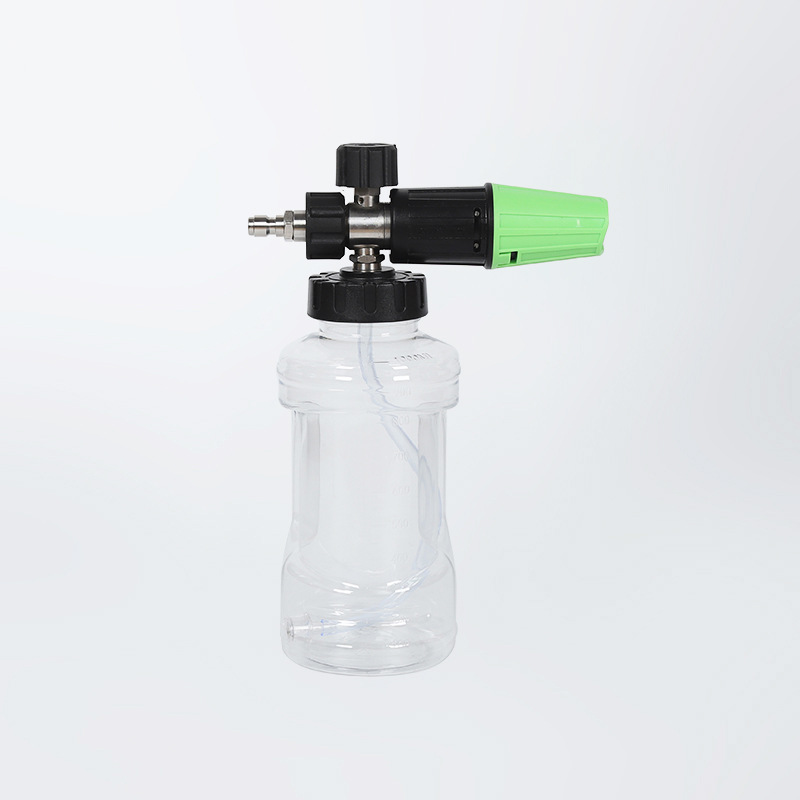
The High-pressure car wash adjustable foam pot can adjust the foam concentration as needed, which allows the High-pressure car wash adjustable foam po...
See Details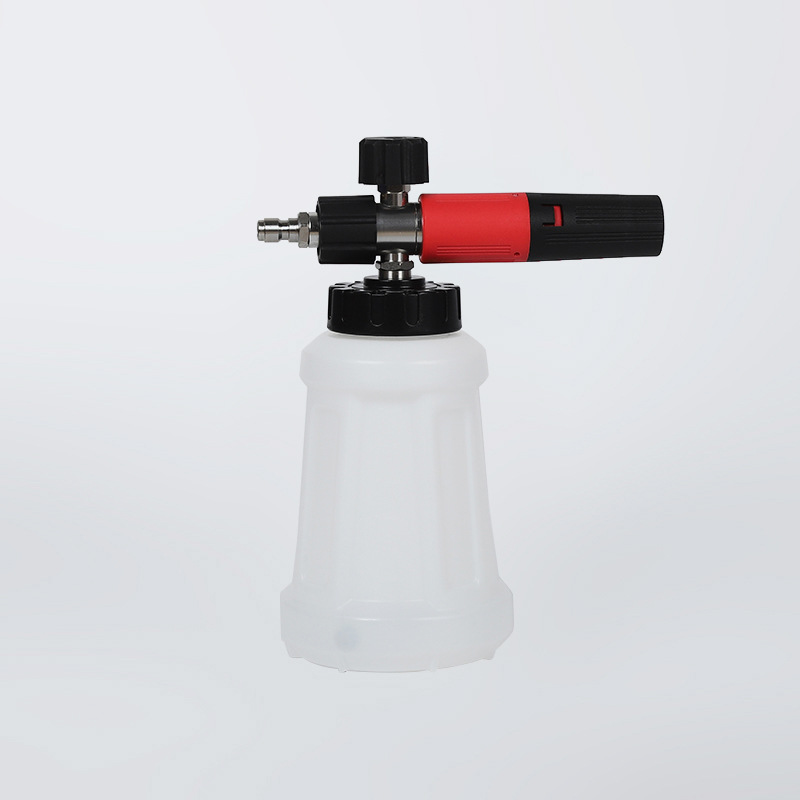
High-pressure water gun car washing machine multifunctional foam pot The multifunctional foam pot equipped with it is mainly used to store and spray c...
See Details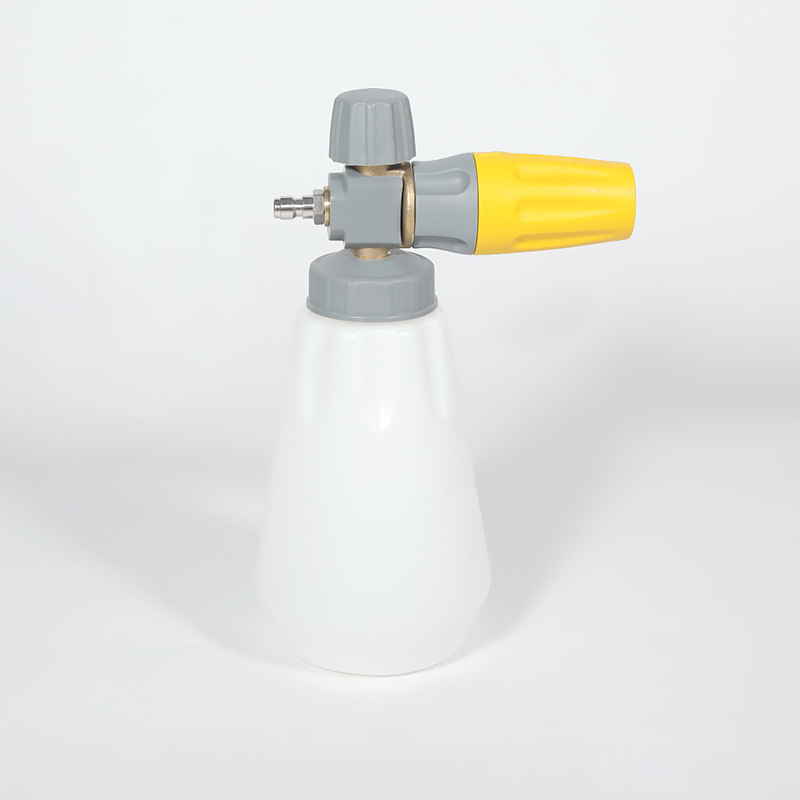
The reason why the High-pressure car wash water gun snow foam pot can spray high-density and more stable foam is because this product combines the foa...
See Details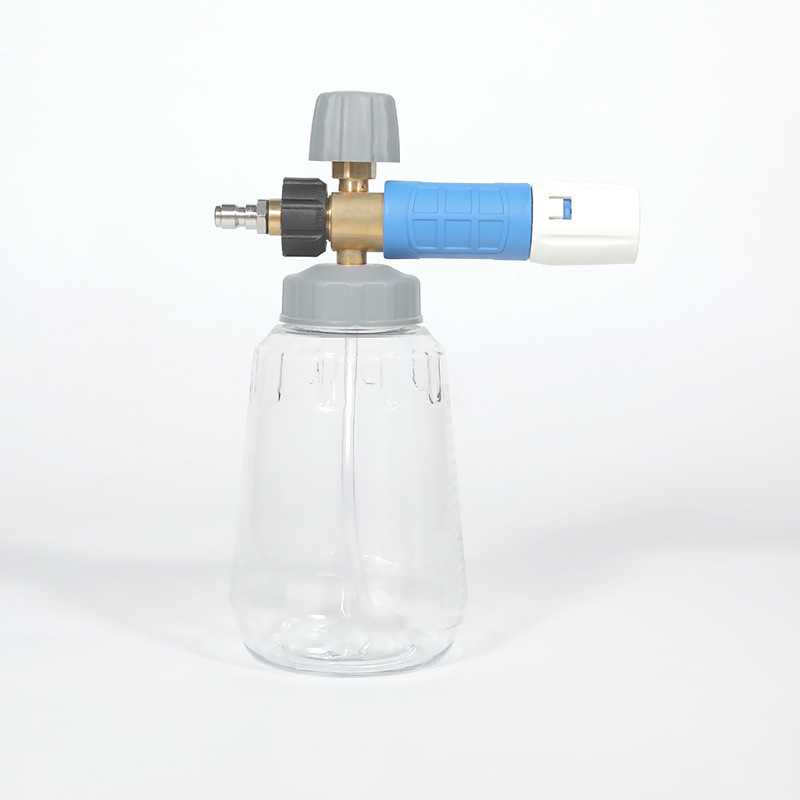
Commercial high-pressure transparent car wash PA pot large mouth foam pot uses high-quality materials with high-pressure resistance and can withstand ...
See Details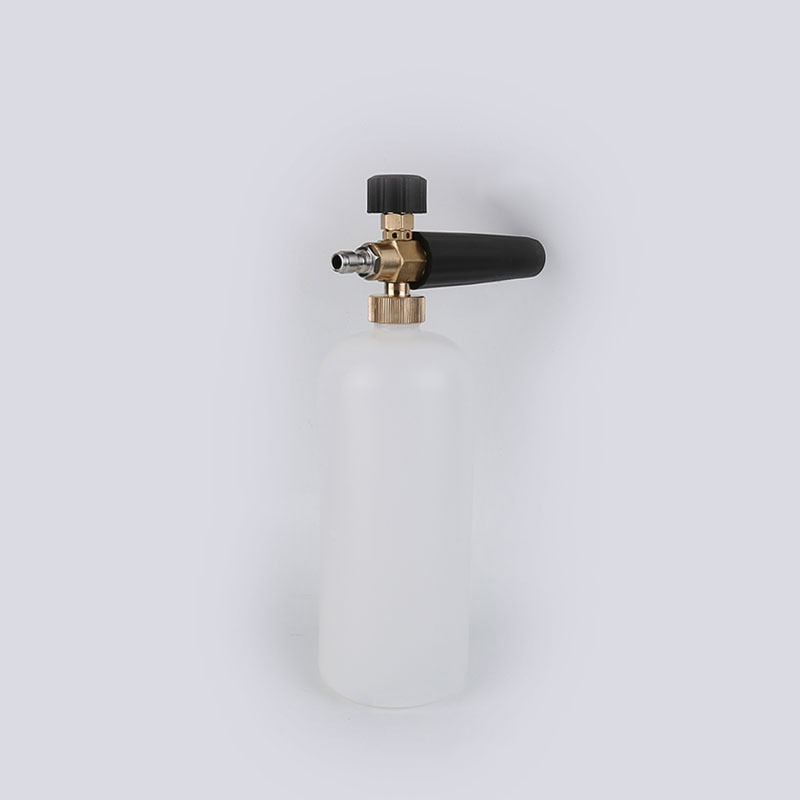
Garden Supplies Plastic Spray Gun Foam Kettle can spray a finer spray to ensure even coverage in the area whether it is spraying pesticides or water. ...
See Details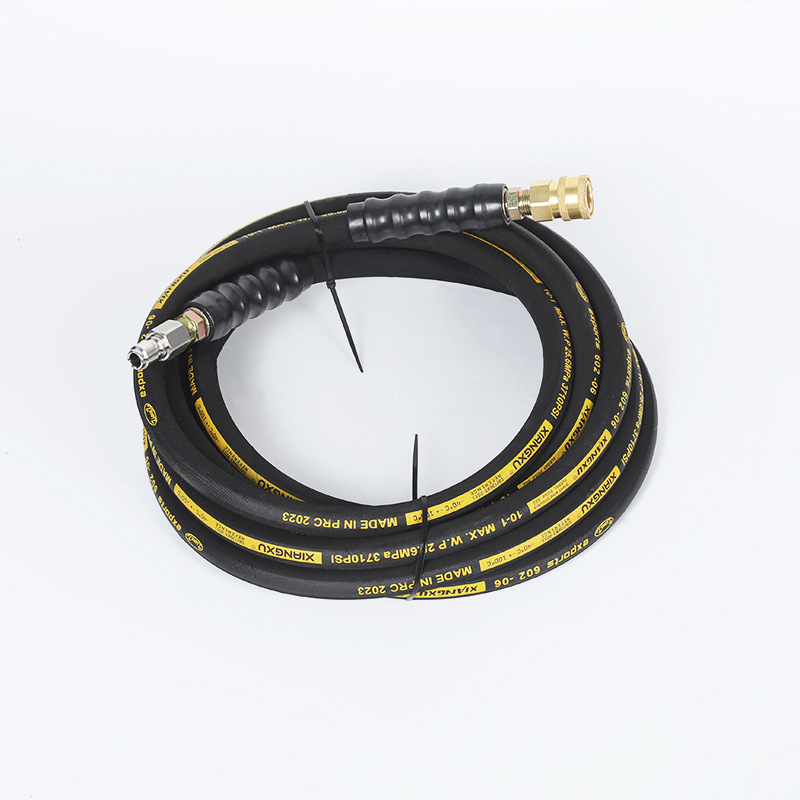
Garden watering high-pressure hose is more suitable for garden irrigation. The high-pressure water flow can fully cover the range of green plants you ...
See Details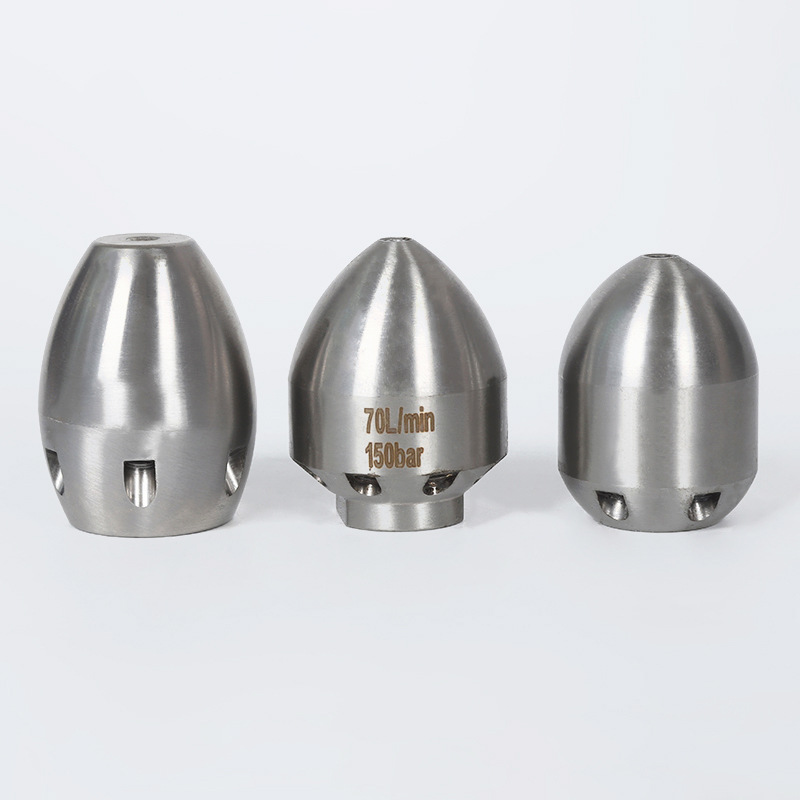
70L 150bar cleaning machine high-pressure cleaning and dredging nozzle is a high-pressure nozzle for cleaning and dredging. It is suitable for cleanin...
See Details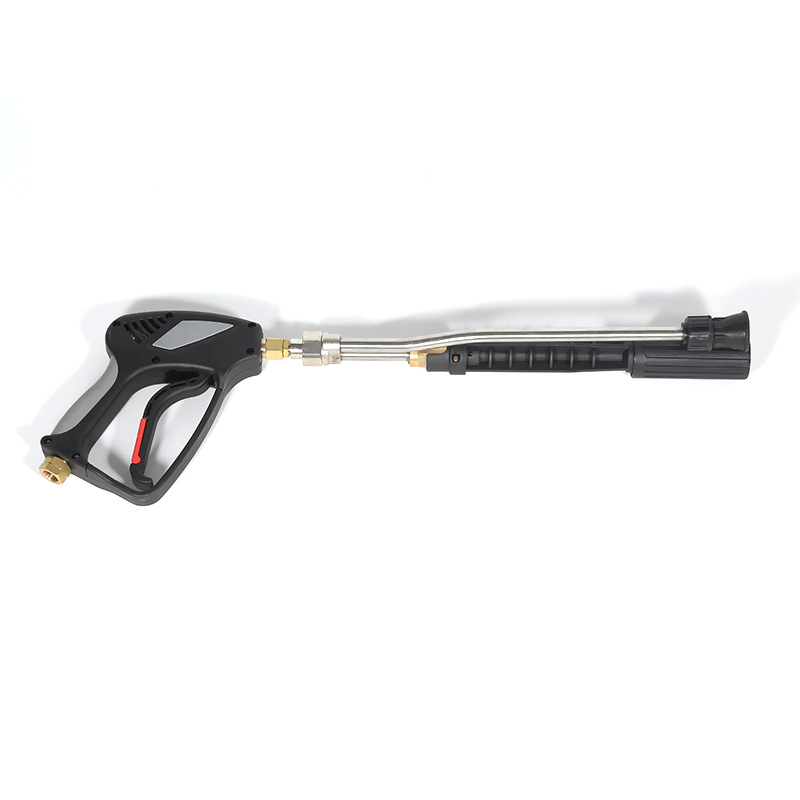
Household high-pressure boosted long pole nozzle brush car high-pressure water gun's long pole design allows users to easily spray water to high or di...
See Details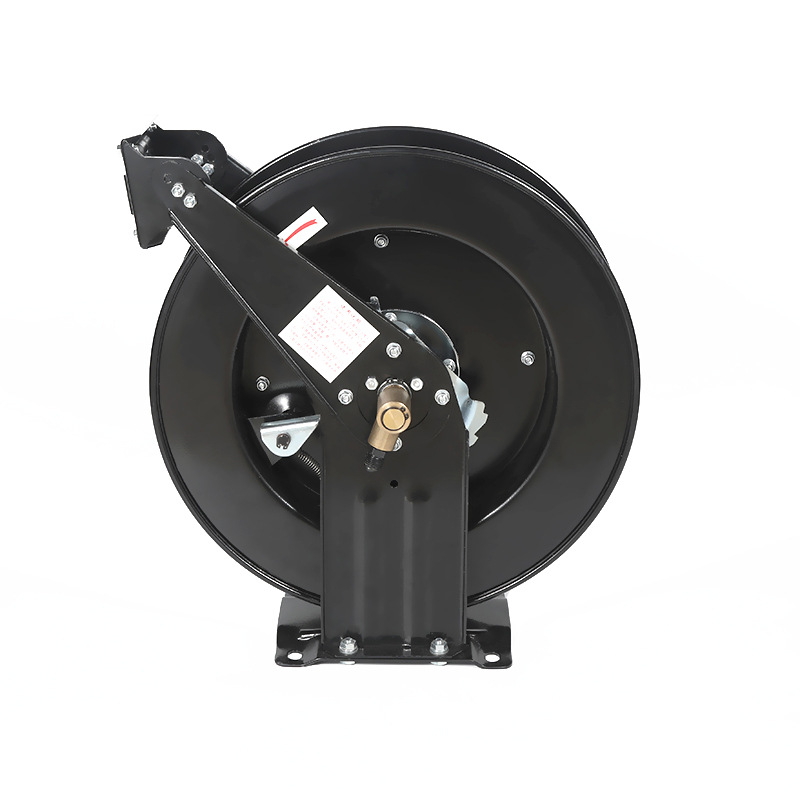
Industrial high-pressure automatic shrink tube reel has an automatic shrinking function and can automatically retract the water gun cable, making the ...
See Details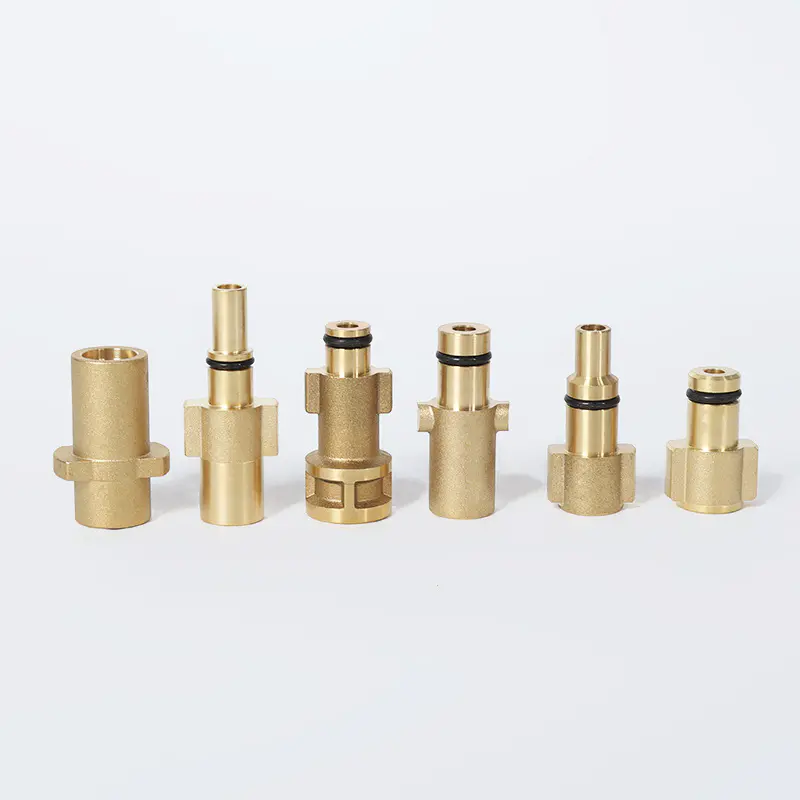
The main body of the High-pressure car washing machine pure copper connector is made of pure copper, which has electrical and thermal conductivity, as...
See DetailsCopyright © Yuyao Fuhua Machinery Equipment Co., Ltd. Rights Reserved.
Wholesale High Pressure Cleaning Tools/Accessories Manufacturers


