


 中文简体
中文简体

High Pressure Car Washing Machine Water Outlet Rubber Hose
Cat:Pressure Washer Hose
High-pressure car washing machine water outlet rubber hose is made of rubber, which has better durability and corrosion resistance than other material...
See Details2026-03-12
High-pressure washers and cleaners provide a fast and effective solution for removing dirt, grease, and stains from a variety of surfaces. They combine water pressure and flow rate to achieve cleaning efficiency that manual methods cannot match. For homeowners, industrial facilities, and automotive professionals, they are indispensable tools.By using a high-pressure washer, cleaning tasks that normally take hours can be completed in minutes, while using significantly less water and detergent compared to traditional methods.
High-pressure washers work by forcing water at high velocity through a nozzle. Their key components include:
The combination of high pressure and precise nozzle design ensures that dirt is removed efficiently without damaging most surfaces.
High-pressure washers are versatile and can be used in multiple scenarios:
For example, in a commercial car wash, high-pressure washers can clean 10 vehicles per hour compared to 2–3 vehicles with manual washing.
Selecting the right washer depends on pressure, flow rate, power source, and intended application:
Tip: For concrete or heavy-duty cleaning, choose washers with 200–300 bar pressure and at least 500 liters/hour flow.
Using high-pressure washers requires caution due to the force of water jets:
Following these precautions helps prevent accidents and prolongs the life of the equipment.
High-pressure washers offer clear advantages over manual or low-pressure cleaning:
| Cleaning Method | Time Efficiency | Water Usage | Cleaning Power |
|---|---|---|---|
| High-Pressure Washer | High (minutes vs hours) | Low (less water than hose/wash) | Very High (removes tough stains) |
| Manual Cleaning | Low | High | Moderate |
To ensure a high-pressure washer continues to operate efficiently, regular maintenance is crucial:
Pro Tip: Annual inspection by a professional can prevent costly repairs and extend the lifespan by 30–40%.
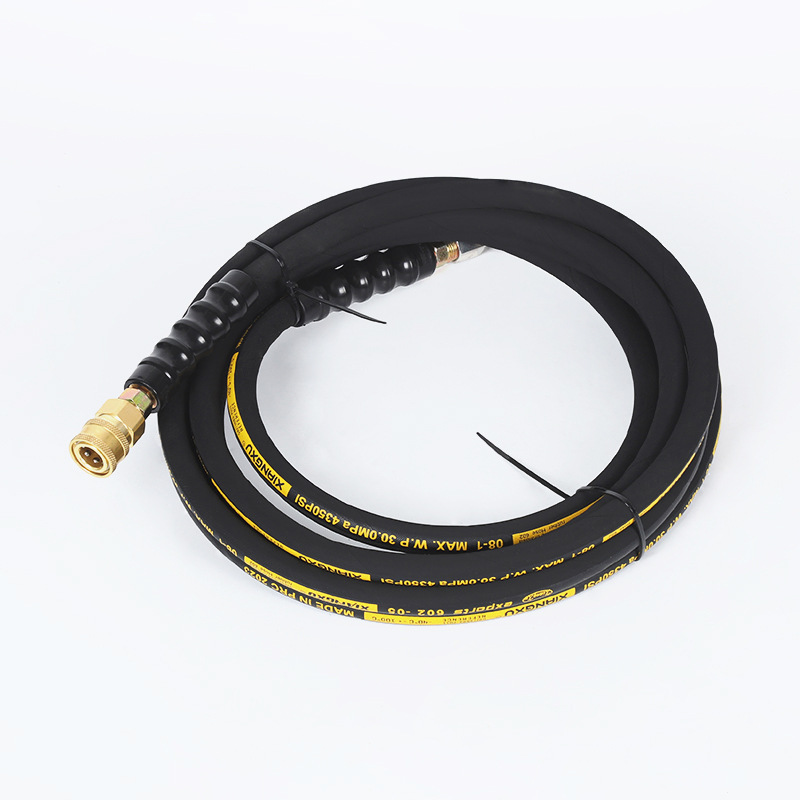
High-pressure car washing machine water outlet rubber hose is made of rubber, which has better durability and corrosion resistance than other material...
See Details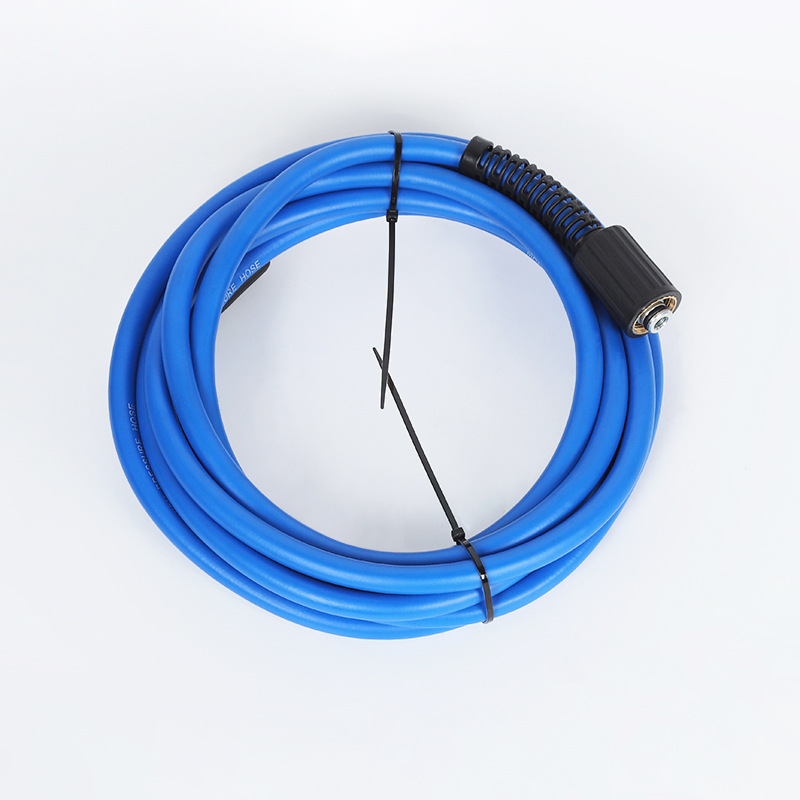
The washing machine's high-pressure car wash water outlet rubber pipe has corrosion resistance and can maintain long-term durability under water erosi...
See Details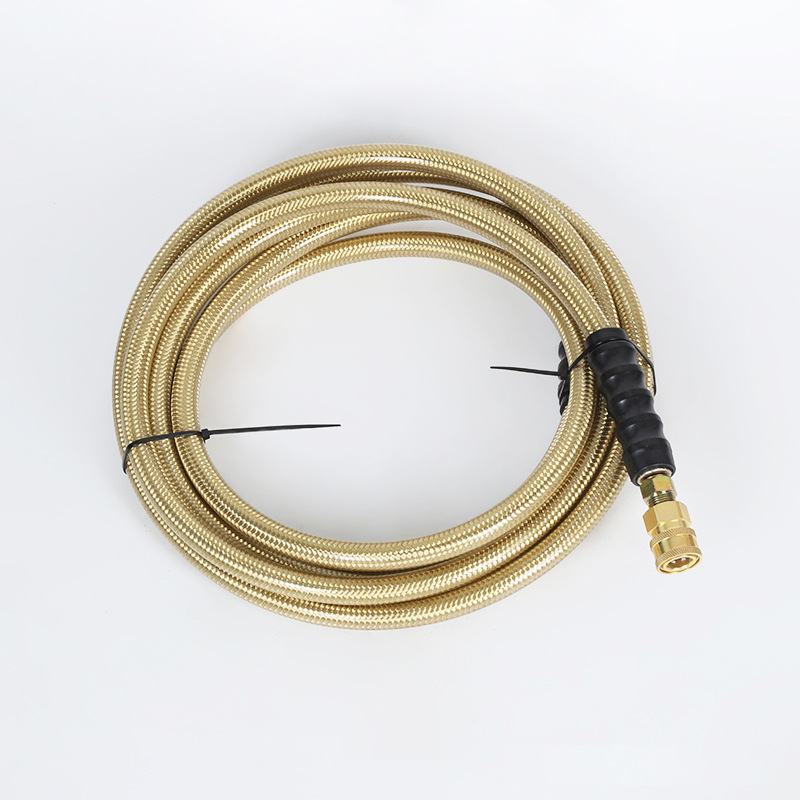
The product adopts metal braiding technology, which greatly improves the stability, pressure resistance, wear resistance, and stretch resistance of th...
See Details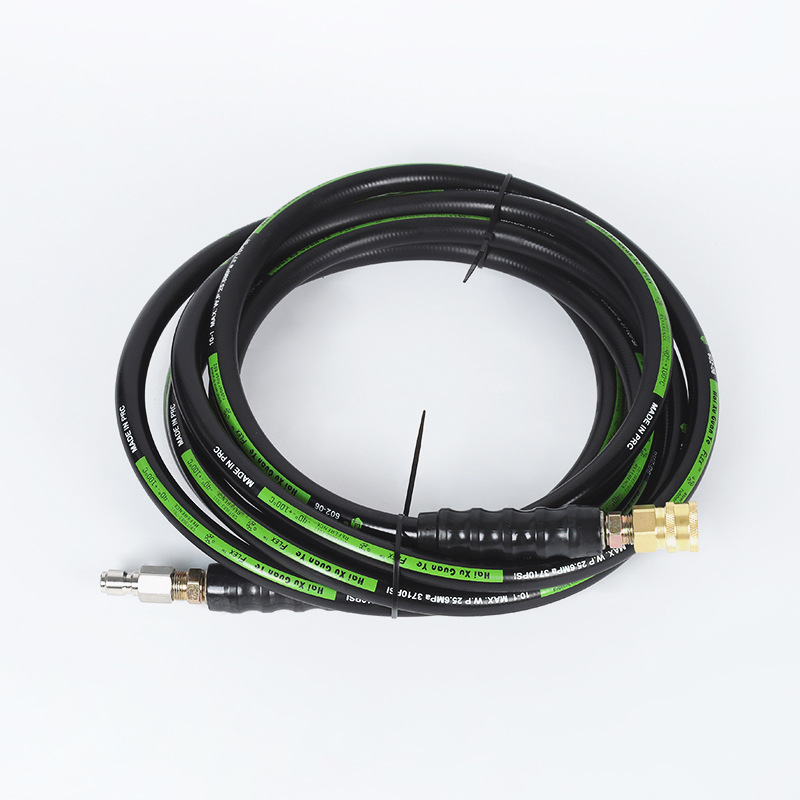
Car washing machine high-pressure water gun adapted to sewage hose is specially designed for car washing and is suitable for various car beauty shops ...
See Details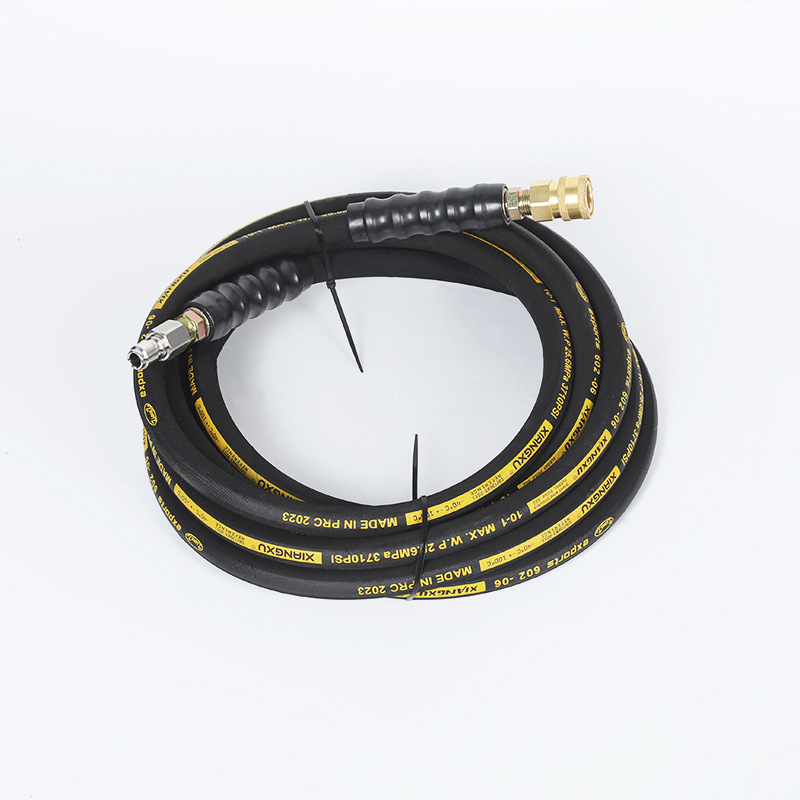
Garden watering high-pressure hose is more suitable for garden irrigation. The high-pressure water flow can fully cover the range of green plants you ...
See Details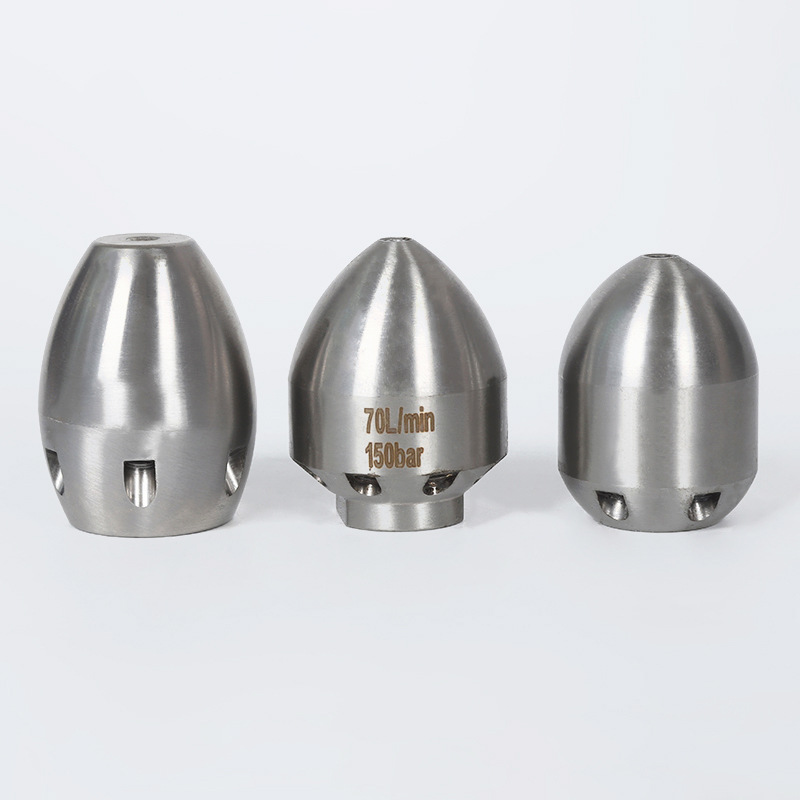
70L 150bar cleaning machine high-pressure cleaning and dredging nozzle is a high-pressure nozzle for cleaning and dredging. It is suitable for cleanin...
See Details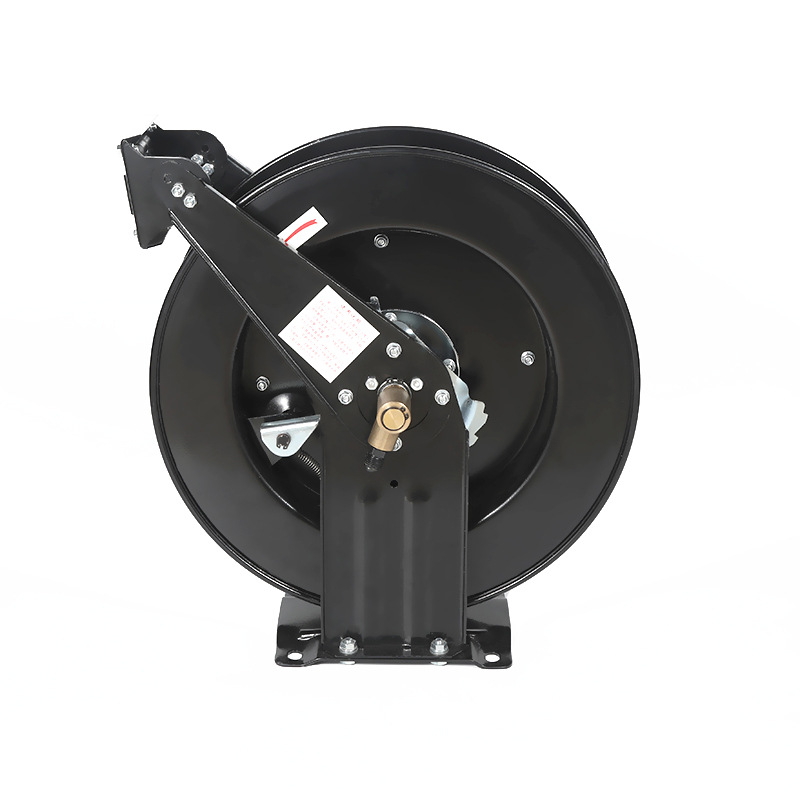
Industrial high-pressure automatic shrink tube reel has an automatic shrinking function and can automatically retract the water gun cable, making the ...
See Details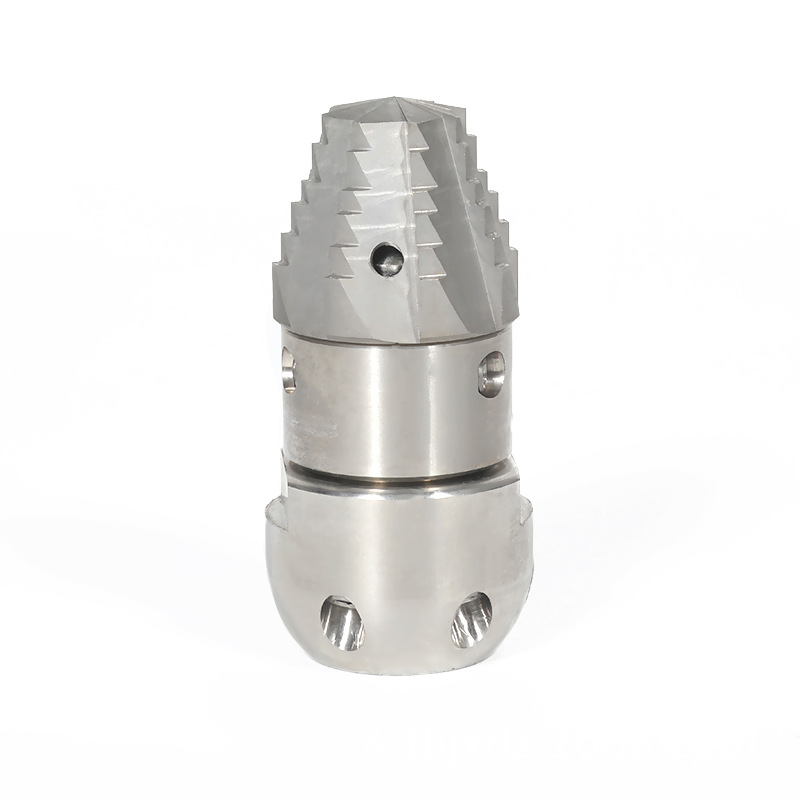
Sewer flushing and unblocking nozzle 40L is made of durable materials, which have strong durability and stability and can withstand long-term use. The...
See Details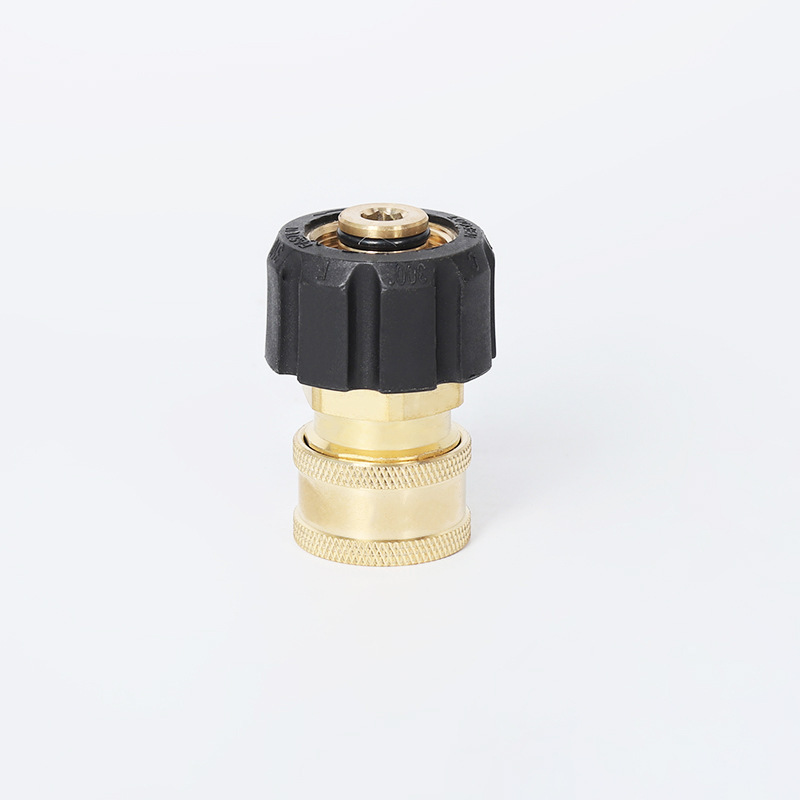
The Pressure washer black hat female quick connector has good pressure resistance and can withstand the high-pressure water flow generated by the high...
See Details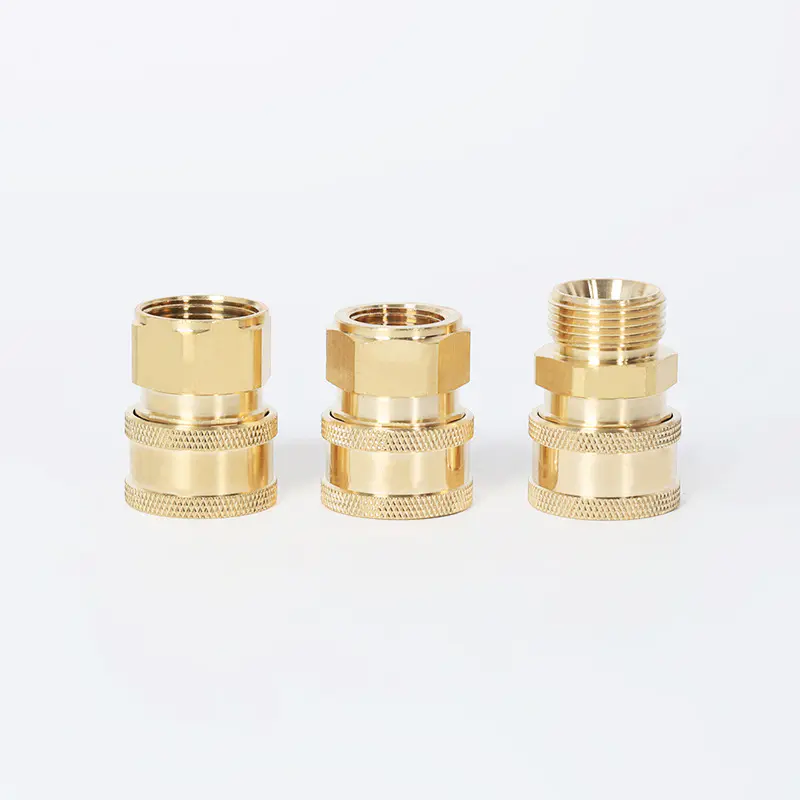
High-pressure cleaning machine quick change 1/4 union quick plug can realize the quick connection between different parts or equipment, making it conv...
See DetailsCopyright © Yuyao Fuhua Machinery Equipment Co., Ltd. Rights Reserved.
Wholesale High Pressure Cleaning Tools/Accessories Manufacturers


