


 中文简体
中文简体

Pressure Washer Handheld Foam Pot
Cat:Pressure Washer Foam Pot
Handheld design, easy to use, and easy to carry.Equipped with a high-pressure pump to pressurize the cleaning agent and spray foam easily during use, ...
See Details2026-03-05
High-pressure nozzles are essential components in various industrial applications, designed to direct high-pressure fluid flow with precision. They are commonly used in cleaning, spraying, and cooling systems where a strong, focused stream of liquid or gas is required. The performance of a high-pressure nozzle is influenced by the angle at which the fluid is directed, as this can impact the efficiency of the application. Nozzles with different angles are suitable for different scenarios, depending on the specific needs of the task at hand.
High-pressure nozzles are available in a range of angles, each offering distinct advantages depending on the application. The angle of a nozzle refers to the spread of the fluid stream, which determines how concentrated or dispersed the water or other fluid is when it exits the nozzle. The most common nozzle angles are 0°, 15°, 25°, 40°, and 65°, with each angle being suited for different uses.
Generally, a narrower angle results in a more concentrated stream, while a wider angle disperses the fluid more broadly. The selection of nozzle angle is critical, as it directly affects the cleaning power, reach, and coverage area. Understanding when and where to use these different angles is key to optimizing performance and ensuring efficient use of resources in various industrial and commercial settings.
Nozzles with narrow angles, such as 0° or 15°, are typically used when a focused, powerful stream of fluid is required. These nozzles produce a concentrated jet of liquid, making them ideal for situations where a high-impact force is necessary. The concentrated flow allows the nozzle to clean or remove debris from a very specific area, such as stubborn stains or dirt embedded in surfaces.
One common application of narrow-angle nozzles is in industrial cleaning. For example, in surface preparation for painting or coating, the concentrated stream can remove rust, dirt, and other contaminants from metal surfaces. Similarly, high-pressure washers in automotive cleaning often use a 0° nozzle to clean engines, wheels, or intricate parts that require a strong stream to reach tight spots. These nozzles are also used for cutting or etching in some industries, where precision is crucial.
Nozzles with a 25° angle offer a balance between the power of a narrow stream and the coverage of a wider spray. These nozzles are often used for general cleaning tasks, as they provide enough force to clean surfaces while also offering a larger coverage area. The 25° angle allows for a more versatile approach, making it suitable for a wide variety of applications.
In commercial cleaning, 25° nozzles are often used in situations where moderate pressure is needed to clean large surfaces, such as floors, driveways, or walls. They are also useful in agriculture for spraying pesticides or fertilizers over crops. The 25° nozzle can cover a larger area than narrower nozzles, allowing for quicker cleaning or spraying tasks while still maintaining an effective cleaning power. The 25° angle is often preferred in applications where the surface is not heavily soiled but requires a more thorough cleaning than can be achieved with a wider angle nozzle.
High-pressure nozzles with a 40° angle are commonly used for cleaning larger areas where less force is required but broader coverage is needed. These nozzles produce a wider spray pattern, which is ideal for applications where large surface areas need to be cleaned quickly. The 40° nozzle is typically used for tasks that require gentler pressure, such as washing vehicles, boats, or roofs, where the goal is to cover a large surface without causing damage or unnecessary wear.
In cleaning applications, the 40° nozzle is effective for tasks such as washing windows, siding, or decks. The wider spray pattern ensures that the fluid is spread evenly, covering more surface area with each pass. This is particularly important for cleaning large, flat surfaces where speed and efficiency are essential. Additionally, the 40° nozzle is often used in agricultural applications, where it is important to cover large areas of crops evenly without causing damage to the plants or the surrounding environment.
Nozzles with a 65° angle are designed for applications where the primary goal is to cover a very large area with low pressure. These nozzles produce a very wide spray pattern, making them suitable for tasks where the cleaning or spraying task is less about force and more about coverage. They are often used for rinsing or washing tasks where water distribution over a large area is necessary, but high pressure is not required.
In the construction and agriculture industries, 65° nozzles are useful for applications such as dust suppression or irrigating large fields. The wide spray allows for uniform distribution of water or chemicals, ensuring that the entire area receives adequate coverage. Similarly, these nozzles are effective for rinsing or flushing surfaces, such as when cleaning large concrete surfaces or removing dust from outdoor equipment. The 65° angle provides sufficient coverage for general washing purposes without damaging delicate surfaces.
When using high-pressure nozzles for pressure washing, choosing the right angle is crucial for achieving the desired results. The choice of nozzle angle affects not only the speed of cleaning but also the effectiveness of the cleaning process. Narrow-angle nozzles are best for high-impact cleaning of stubborn dirt and grime, while wider-angle nozzles are better suited for general cleaning of large areas.
For instance, a 0° nozzle is ideal for removing deeply embedded dirt or tough stains, but it should be used with caution as it can cause damage to delicate surfaces. A 15° nozzle, offering slightly less power, is still effective for tough cleaning tasks while being gentler on the surface. A 25° nozzle is often used for general-purpose cleaning, providing a good balance between power and coverage. For larger areas, a 40° or 65° nozzle is appropriate, as they cover a larger area while requiring less effort to maneuver the spray across surfaces.
Agriculture is one of the key industries that benefit from high-pressure nozzles, especially in the application of pesticides, herbicides, and fertilizers. The type of nozzle angle used in agricultural spraying depends on the size of the area being treated and the type of crop or vegetation involved. Narrow-angle nozzles, such as those with a 15° or 25° angle, are used for focused spraying on specific plants or areas, ensuring precise application and minimizing waste or runoff.
In contrast, wider-angle nozzles such as 40° or 65° are typically used for broad coverage over larger fields. These nozzles allow for faster application of chemicals, as the wider spray covers more ground in less time. However, the wider spread also reduces the concentration of the chemicals, so they may be better suited for situations where the application is more general or the crop is less sensitive to variations in the chemical concentration. The selection of the nozzle angle in agricultural spraying depends on balancing the need for precision with the goal of maximizing efficiency in coverage.
In industrial and manufacturing environments, high-pressure nozzles are often used in cleaning, cooling, and material handling processes. The choice of nozzle angle is influenced by the specific requirements of the task. For example, in industrial cleaning of equipment, machinery, or production lines, narrow-angle nozzles such as 0° or 15° may be used to remove tough contaminants or buildup from hard-to-reach areas. The concentrated stream helps break down stubborn deposits effectively.
On the other hand, wider-angle nozzles, such as those with 40° or 65°, are often used for general washing or rinsing tasks. These nozzles are typically employed when large equipment or factory floors need to be cleaned quickly and efficiently. The ability to cover large areas at once, without applying excessive pressure, makes them suitable for tasks where speed is more important than intensity. Additionally, in cooling systems, wide-angle nozzles are used to distribute water evenly over surfaces to prevent overheating or damage to sensitive components.
In the automotive industry, high-pressure nozzles are used for cleaning vehicles, engines, and parts. The type of nozzle angle used depends on the specific part being cleaned and the desired results. For detailed cleaning of engine components or removing grime from wheels, a narrow-angle nozzle, such as a 15° or 25°, is often employed. This allows for a focused, high-impact stream that can target specific areas that require more force to clean effectively.
For washing the exterior of a vehicle, wider-angle nozzles, such as 40° or 65°, are more suitable. These nozzles cover a larger surface area, allowing for quicker washing without risking damage to the paint or bodywork. The ability to cover large sections of a vehicle with less force helps to ensure that the exterior is thoroughly cleaned while avoiding scratches or other damage caused by excessive pressure
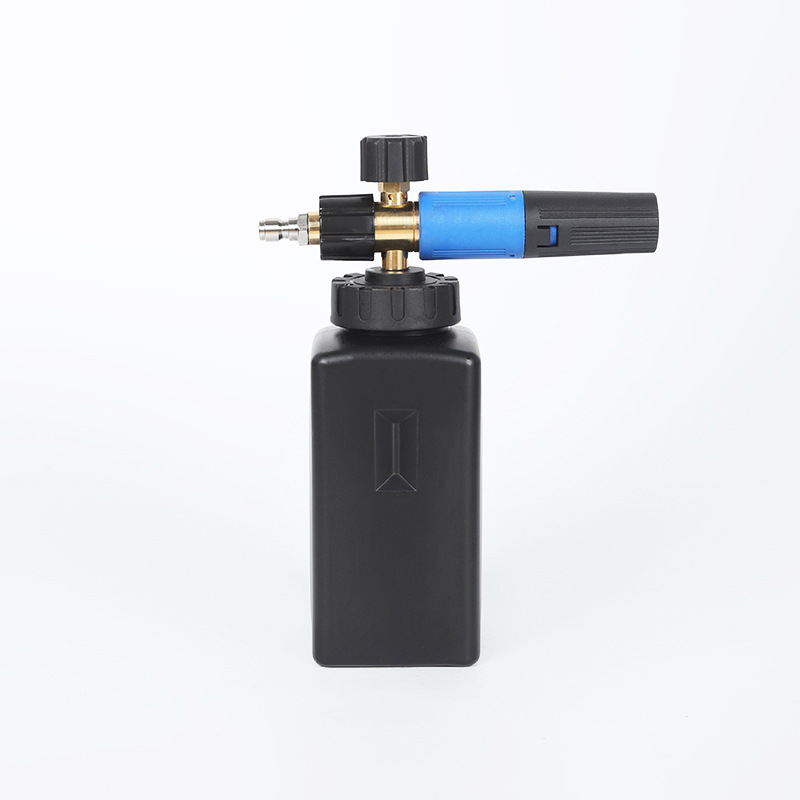
Handheld design, easy to use, and easy to carry.Equipped with a high-pressure pump to pressurize the cleaning agent and spray foam easily during use, ...
See Details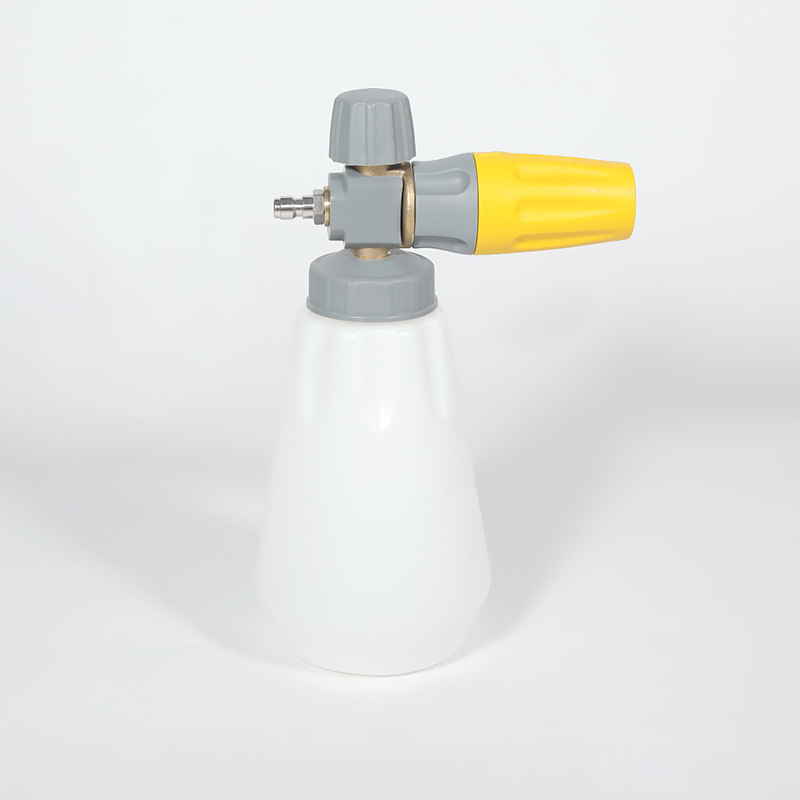
The reason why the High-pressure car wash water gun snow foam pot can spray high-density and more stable foam is because this product combines the foa...
See Details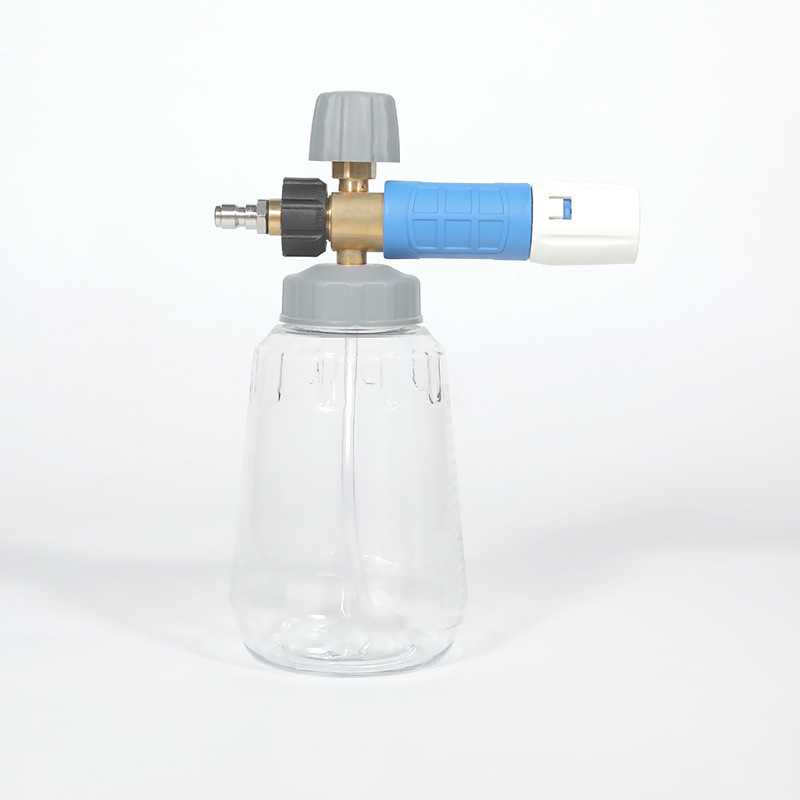
Commercial high-pressure transparent car wash PA pot large mouth foam pot uses high-quality materials with high-pressure resistance and can withstand ...
See Details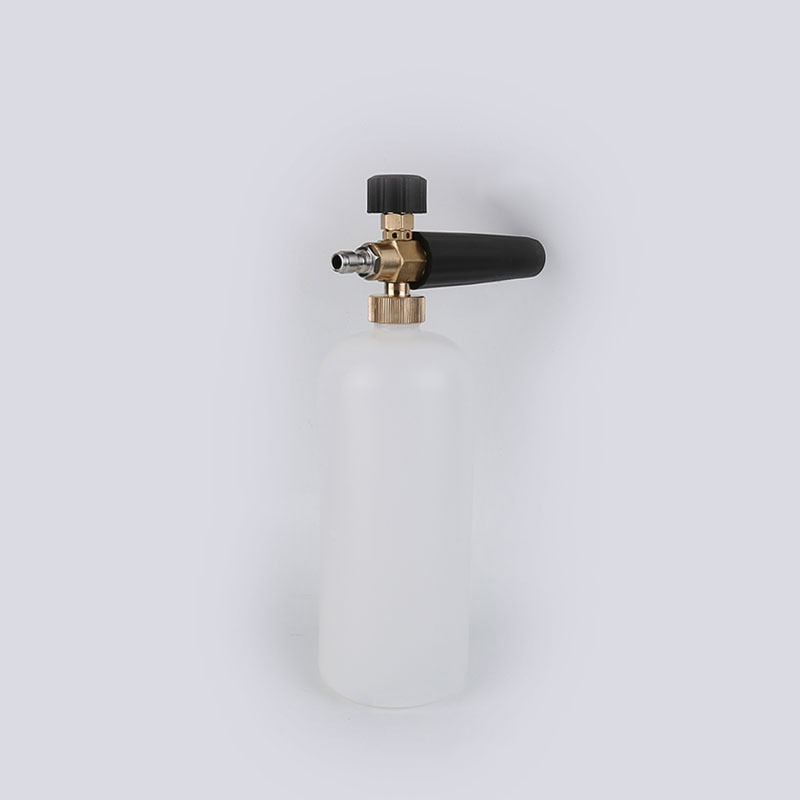
Garden Supplies Plastic Spray Gun Foam Kettle can spray a finer spray to ensure even coverage in the area whether it is spraying pesticides or water. ...
See Details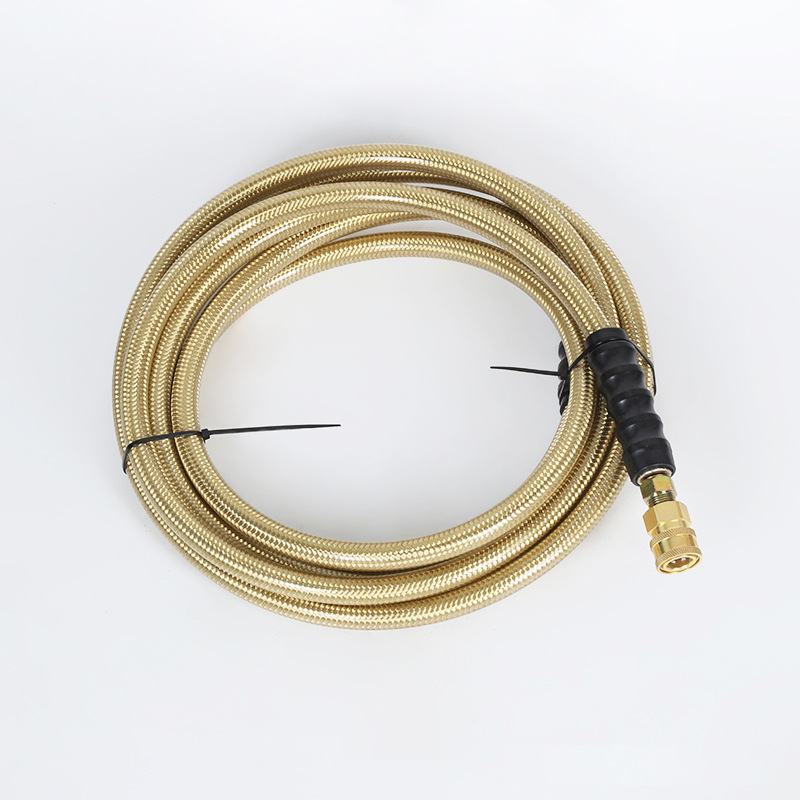
The product adopts metal braiding technology, which greatly improves the stability, pressure resistance, wear resistance, and stretch resistance of th...
See Details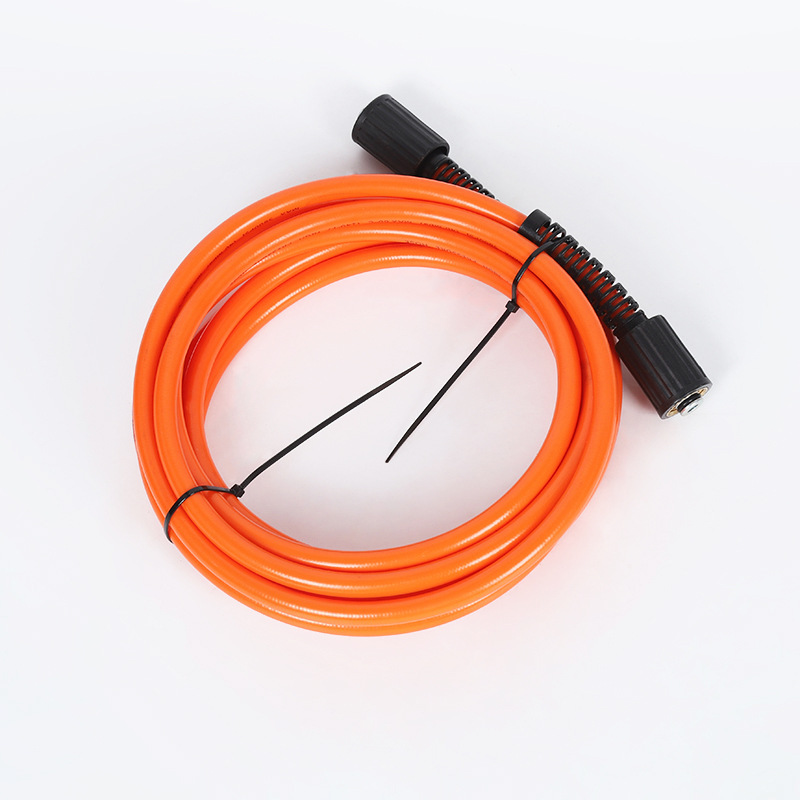
Car washing machine high-pressure wear-resistant water pipe The hose has outstanding wear resistance, which means that when washing the car, there is ...
See Details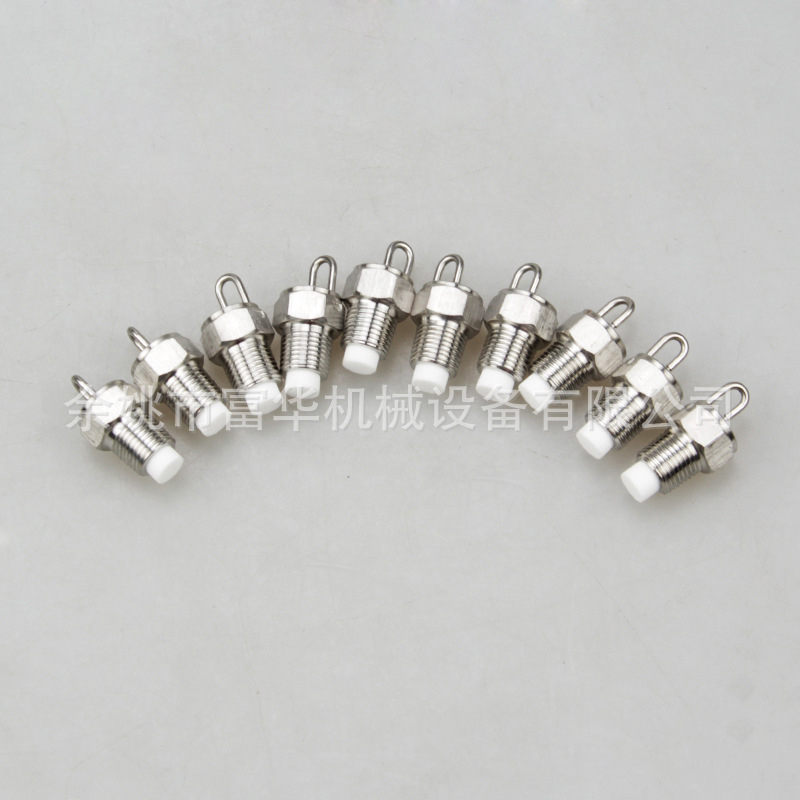
Pipe cleaning round thimble atomizing nozzle is suitable for pipes of different diameters and can clean the inner wall of the pipe in all directions. ...
See Details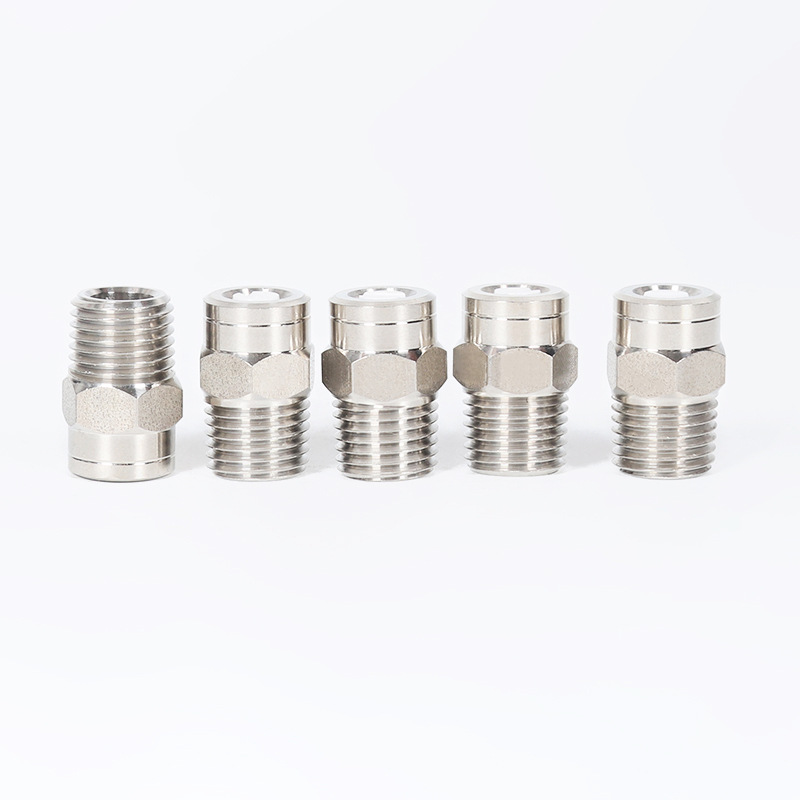
Flushing dust cone atomizing nozzle can provide high-pressure water flow, which can effectively flush dust and dirt, and the cleaning effect is remark...
See Details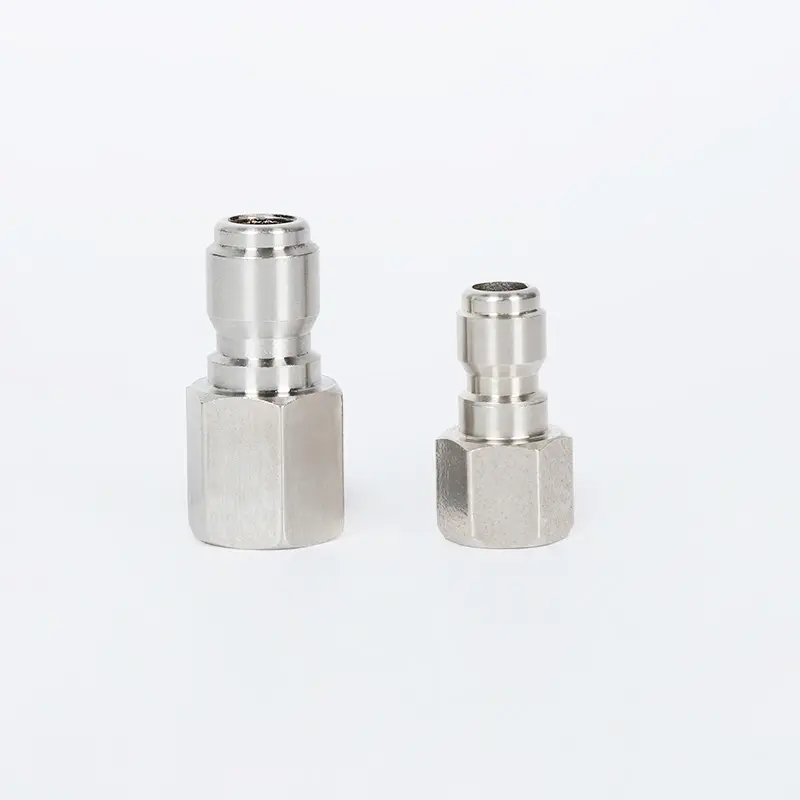
High-pressure cleaning machine straight through rotary quick connector adopts a straight-through design, which can directly transfer high-pressure wat...
See Details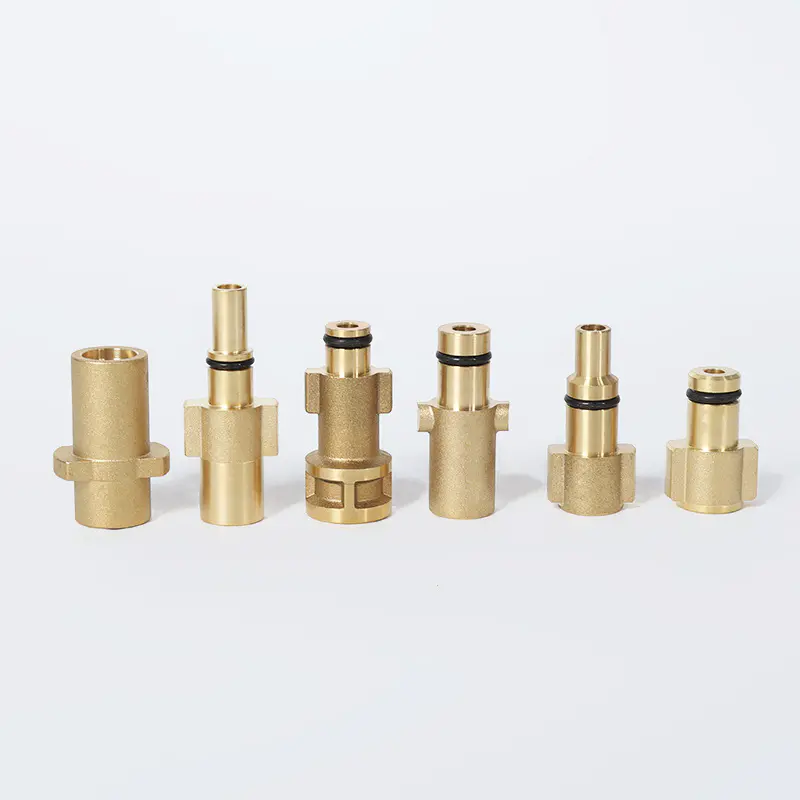
The main body of the High-pressure car washing machine pure copper connector is made of pure copper, which has electrical and thermal conductivity, as...
See DetailsCopyright © Yuyao Fuhua Machinery Equipment Co., Ltd. Rights Reserved.
Wholesale High Pressure Cleaning Tools/Accessories Manufacturers


