


 中文简体
中文简体

High Pressure Car Wash Gun And Foam Pot
Cat:Pressure Washer Foam Pot
The main materials of High-pressure car wash guns and foam pots are engineering plastics and aluminum. Both materials have good corrosion resistance. ...
See Details2025-12-04
A pressure washer hose is designed to handle high water pressure, but its performance when exposed to cleaning agents, oil, or industrial liquids depends largely on its material composition. Common materials include synthetic rubber, thermoplastic compounds, and reinforced PVC, each offering distinct levels of chemical resistance. When a pressure washer hose comes into contact with detergents, degreasers, automotive cleaners, or industrial solvents, its structural stability is influenced by the compatibility between the hose material and the chemical used. Hoses made with synthetic rubber often show stable performance in environments containing oil and grease because their internal molecular structure does not easily break down when exposed to hydrocarbons. Thermoplastic hoses, while lightweight, may experience changes in flexibility when exposed to certain solvents, especially those with strong degreasing capabilities. Reinforced PVC hoses can maintain pressure integrity, yet extended exposure to concentrated industrial liquids may contribute to gradual surface hardening or reduced elasticity. Understanding how a pressure washer hose responds to these substances helps determine whether it can maintain its expected lifespan and operational reliability.
Many pressure washer hoses consist of an inner tube, structural reinforcement, and an outer protective layer, and each layer interacts differently with cleaning agents or industrial liquids. The inner tube is typically the most chemically resistant component, designed to handle flow and maintain stability under varying chemical compositions. When detergents or cleaning agents pass through the inner tube, the tube must resist softening or swelling so that the internal diameter remains consistent. The reinforced layer, commonly made with steel wire or high-strength fiber braiding, is not normally in direct contact with liquids, but degradation of surrounding layers can expose it and reduce the hose’s pressure-handling ability. The outer layer encounters oil, grease, and industrial liquids when the pressure washer hose is dragged across workshop floors or used in automotive and industrial environments. If the outer jacket has limited resistance to these substances, surface cracking may eventually occur. By selecting a hose with layer-specific resistance to chemicals, the user can reduce the probability of premature wear.
Exposure to oil is a critical factor affecting the longevity of a pressure washer hose. Oils used in automotive shops, mechanical workshops, or production facilities can gradually influence hose flexibility and surface resilience. Rubber-based hoses generally maintain stable performance when exposed to engine oils or lubricants, making them suitable for frequent industrial use. Thermoplastic hoses, however, may lose flexibility when in constant contact with petroleum-based liquids, especially at elevated temperatures where chemical absorption into the outer layer may occur. Reinforced PVC can resist occasional oil spills, but extended saturation can result in surface hardening, especially in colder environments where plasticizers migrate out of the material. Understanding the hose’s specific oil-resistance rating is important, as this determines whether the pressure washer hose can continue functioning in environments where oil exposure occurs daily. The focus is not solely on avoiding structural failure but also on preserving the hose’s ability to bend without cracking.
Industrial liquids can include solvents, alkaline cleaning agents, acidic solutions, degreasers, and processing chemicals used in manufacturing facilities. Their effect on a pressure washer hose varies depending on concentration and duration of exposure. Strong alkaline cleaning agents may cause gradual surface fading or mild softening in some hose materials. Acidic chemicals can contribute to surface degradation if drops or splashes remain on the hose for long periods without being rinsed off. Solvents such as acetone or alcohol may temporarily reduce the flexibility of thermoplastic hoses, while rubber hoses usually maintain more consistent performance. Pressure stability is another factor, as chemical exposure affecting hose walls can gradually reduce burst pressure capability. Once material fatigue begins, even slight pressure fluctuations may accelerate wear. Routine inspection and chemical-compatible materials contribute to stable long-term performance.
Environmental factors influence how a pressure washer hose reacts to cleaning agents or industrial liquids. Temperature is particularly important; high temperatures can accelerate chemical reactions between hose materials and liquids, increasing the rate of softening or hardening. In colder environments, the hose may become less flexible, making it more susceptible to cracking when exposed to oil or solvents. Humidity, UV exposure, and constant moisture can further influence outer layer durability. For example, when the hose is used outdoors with chemical cleaning solutions, UV rays may gradually weaken the surface structure, especially for hoses with limited UV protection. Storage conditions also matter; a hose sitting in a pool of oil or solvent can experience accelerated aging. The combined effect of environmental stress and chemical exposure means regular cleaning and proper storage are key factors in maintaining hose performance.
Different hose materials show distinct behaviors when exposed to cleaning agents or industrial liquids. Rubber hoses demonstrate strong resistance to oils and solvents, maintaining flexibility even after repeated contact. Thermoplastic hoses offer lower weight and easier handling but may react more noticeably to certain chemicals. PVC-based hoses are typically affordable and durable in standard pressure washing tasks but may require more careful handling when used around strong industrial liquids. Choosing a pressure washer hose material involves evaluating the chemicals encountered during daily operations, the frequency of use, and environmental conditions such as heat and humidity. The table below provides an overview of how different materials react to common chemical types.
| Hose Material | Resistance to Oils | Resistance to Solvents | Reaction to Alkaline Cleaners |
|---|---|---|---|
| Synthetic Rubber | Stable performance | Moderate to high resistance | Generally compatible |
| Thermoplastic | May lose flexibility | Sensitive to strong solvents | Stable in mild solutions |
| Reinforced PVC | Resists brief contact | May harden over time | Generally compatible in diluted form |
A pressure washer hose must maintain stable pressure performance even when exposed to cleaning agents or industrial liquids. Chemical exposure can affect the internal surface texture of some hose types, potentially altering water flow characteristics. For instance, if cleaning agents cause mild swelling of the inner tube, the flow channel may narrow slightly, influencing the overall efficiency of pressure delivery. In reinforced hoses, if chemical exposure weakens the bond between layers, pressure stability may decline as reinforcement fibers lose structural support. Industrial oils do not commonly penetrate the inner layers unless prolonged exposure weakens the outer protective coating. Therefore, periodic inspection allows users to detect any early signs of pressure instability, such as irregular hose expansion during operation or subtle decreases in water output pressure.
When a pressure washer hose is used with cleaning agents or industrial liquids, safety becomes an essential consideration. Some chemicals may cause minor irritations when they come into contact with skin, and hose materials may occasionally transfer residue if degradation occurs. Ensuring that the pressure washer hose is rated for use with the intended chemicals reduces the risk of unexpected hose failure, which could lead to sudden bursts or leaks. Operators should avoid dragging the hose across areas where industrial chemicals pool, as long-term contact increases the likelihood of surface wear. Routine rinsing of the hose after use helps remove residues that might otherwise contribute to premature surface aging. Additionally, selecting appropriate personal protective equipment when handling strong chemicals supports safer operation.
Maintenance is essential to protect a pressure washer hose used near cleaning agents, oils, and industrial liquids. Rinsing the hose after exposure prevents prolonged contact with corrosive or reactive substances. Storing the hose in a dry, shaded location prevents UV exposure and reduces chemical reaction rates. Inspecting the outer layer for surface cracks, soft spots, or areas of discoloration helps identify early stages of degradation. If the hose frequently encounters oil, an oil-resistant outer layer becomes an important consideration when selecting replacements. Regularly checking the hose connections and fittings is also important, as chemical exposure can occasionally affect the stability of seals or gaskets. Maintaining clear cleaning routines ensures that accumulated chemicals do not compromise the structural integrity of the pressure washer hose.
Selecting a pressure washer hose for environments involving cleaning agents, oil, or industrial liquids requires evaluating material compatibility, pressure rating, and expected usage frequency. A rubber hose is typically chosen for environments with constant oil exposure, while a thermoplastic hose is suitable for lighter applications where weight and maneuverability are important. A reinforced PVC hose offers a balanced option for general commercial cleaning but may not be ideal for continuous exposure to strong solvents. The choice also depends on whether chemicals pass through the hose or only contact its outer surface. Reviewing manufacturer specifications helps ensure that the selected pressure washer hose aligns with chemical resistance requirements and maintains stable performance under varying industrial conditions. Proper selection contributes to operational reliability and consistent hose lifespan.
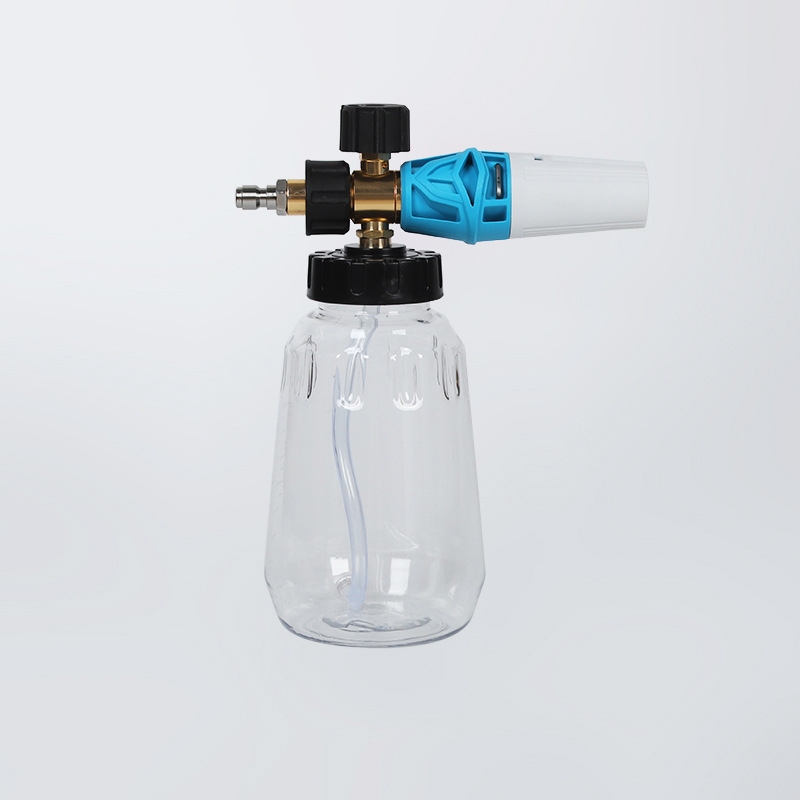
The main materials of High-pressure car wash guns and foam pots are engineering plastics and aluminum. Both materials have good corrosion resistance. ...
See Details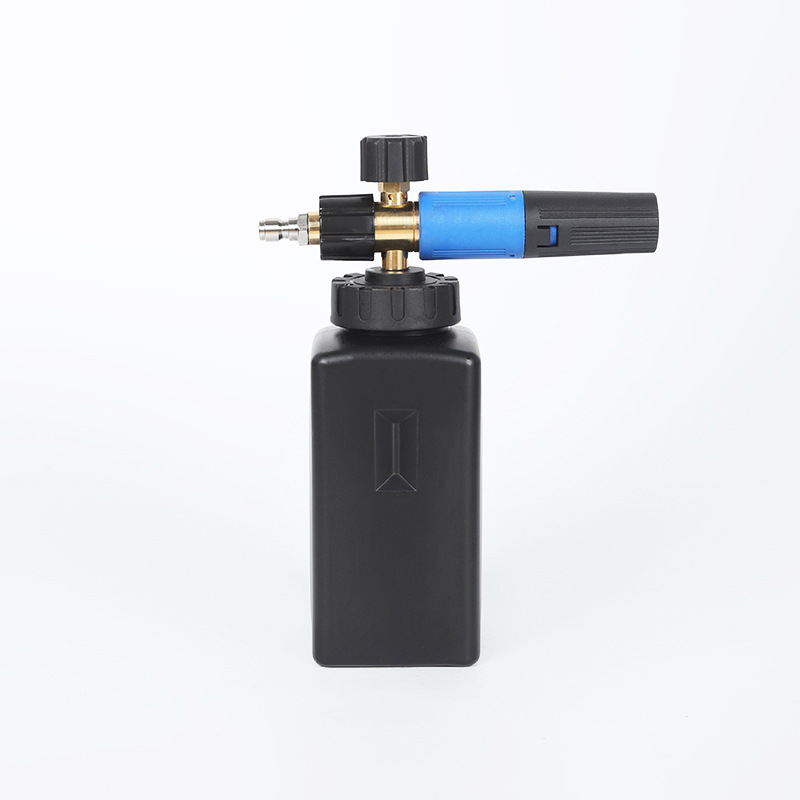
Handheld design, easy to use, and easy to carry.Equipped with a high-pressure pump to pressurize the cleaning agent and spray foam easily during use, ...
See Details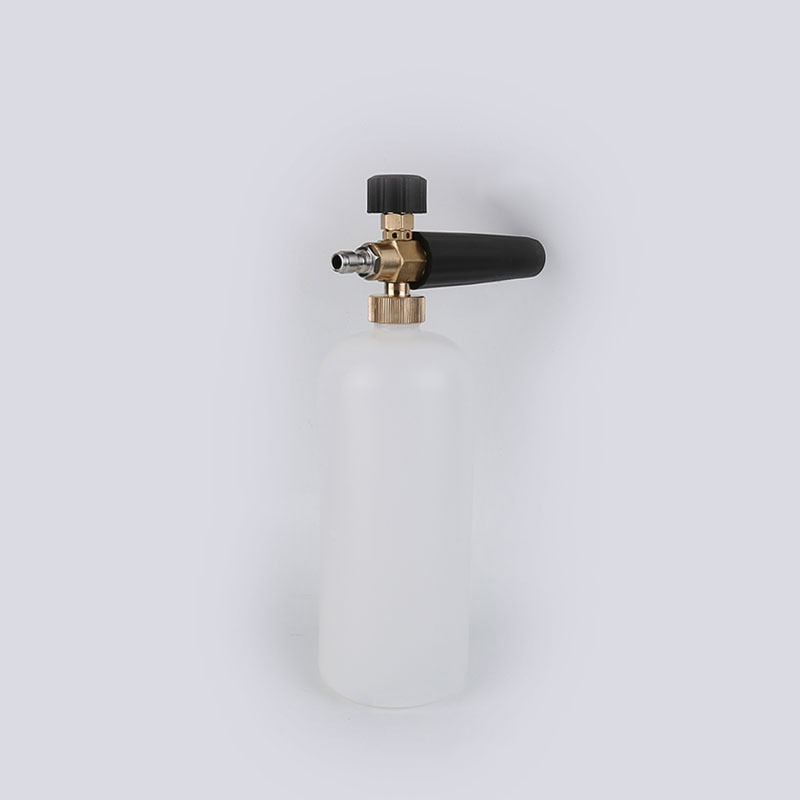
Garden Supplies Plastic Spray Gun Foam Kettle can spray a finer spray to ensure even coverage in the area whether it is spraying pesticides or water. ...
See Details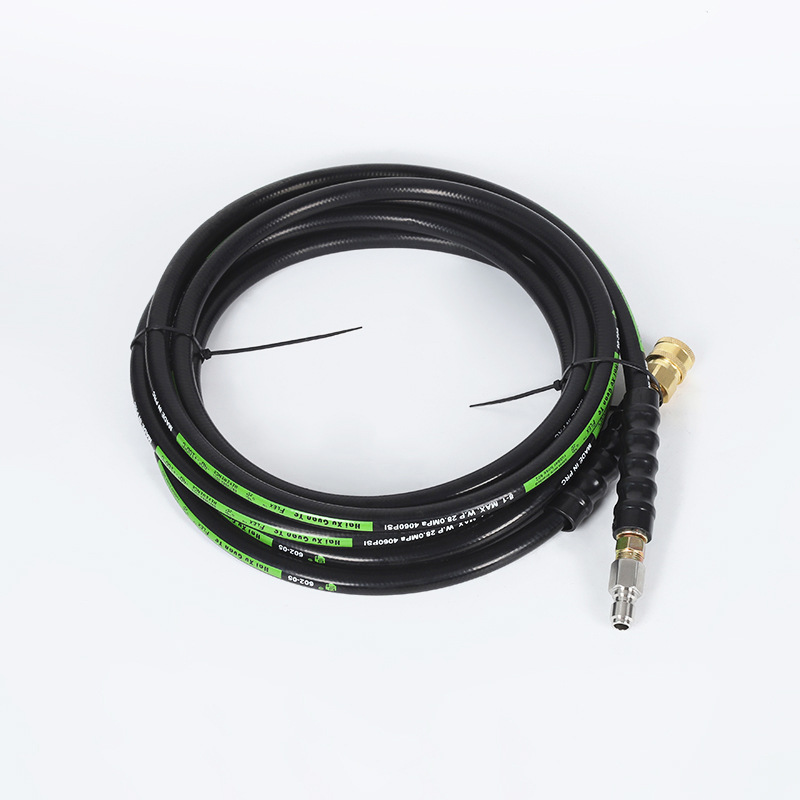
The characteristic of this product is that it can help remove dirt, sediments, and blockages in the pipeline through the impact of high-pressure water...
See Details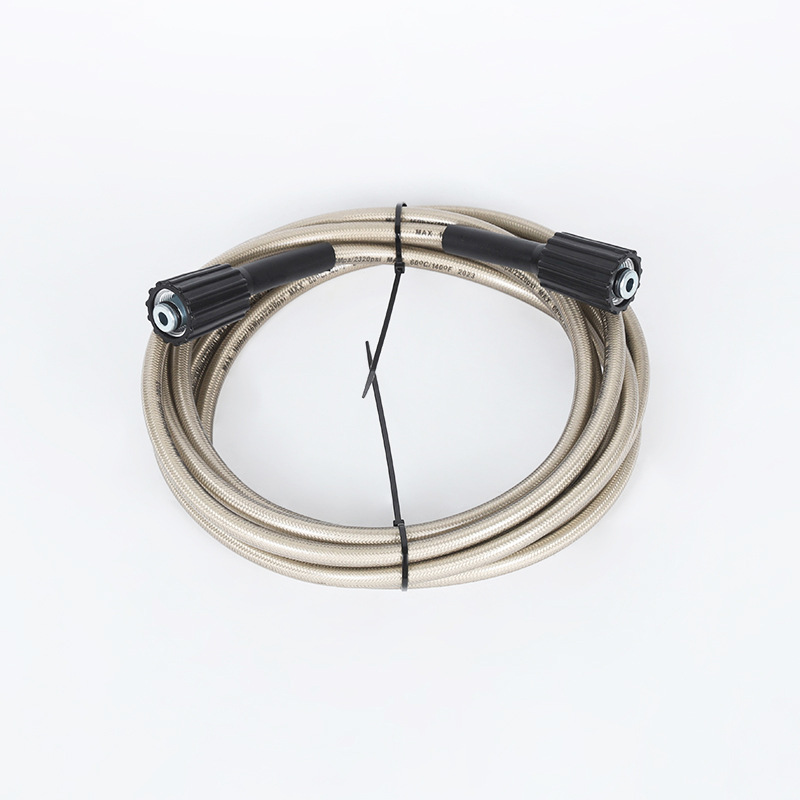
Household portable high-pressure car washing machine water pipe is equipped with connectors at both ends, which can easily connect to various cleaning...
See Details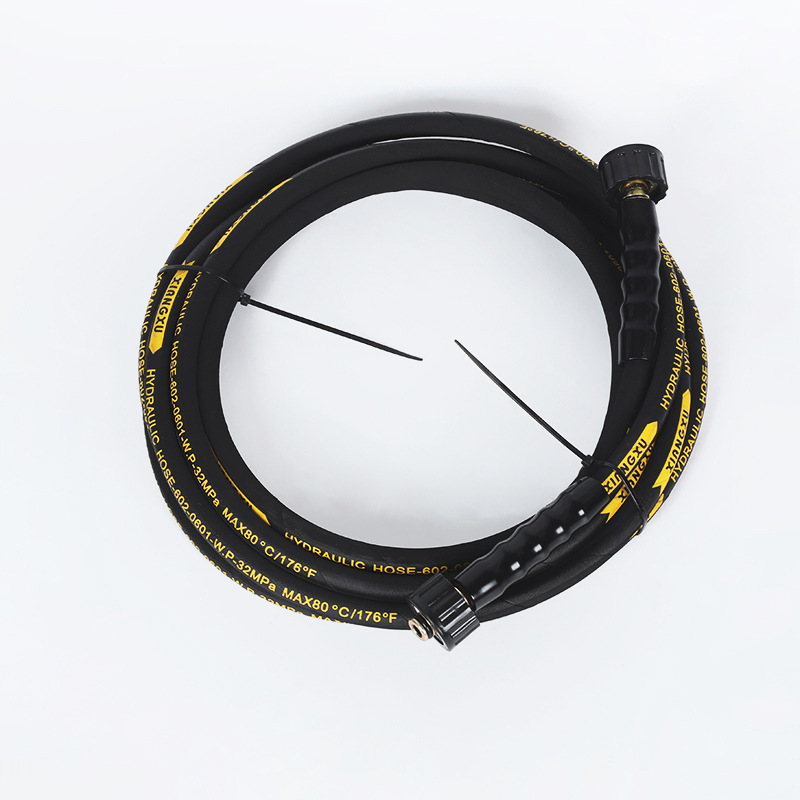
Household water outlet hose suitable for high-pressure water guns is one of the essential tools for household cleaning. This hose can be used with a h...
See Details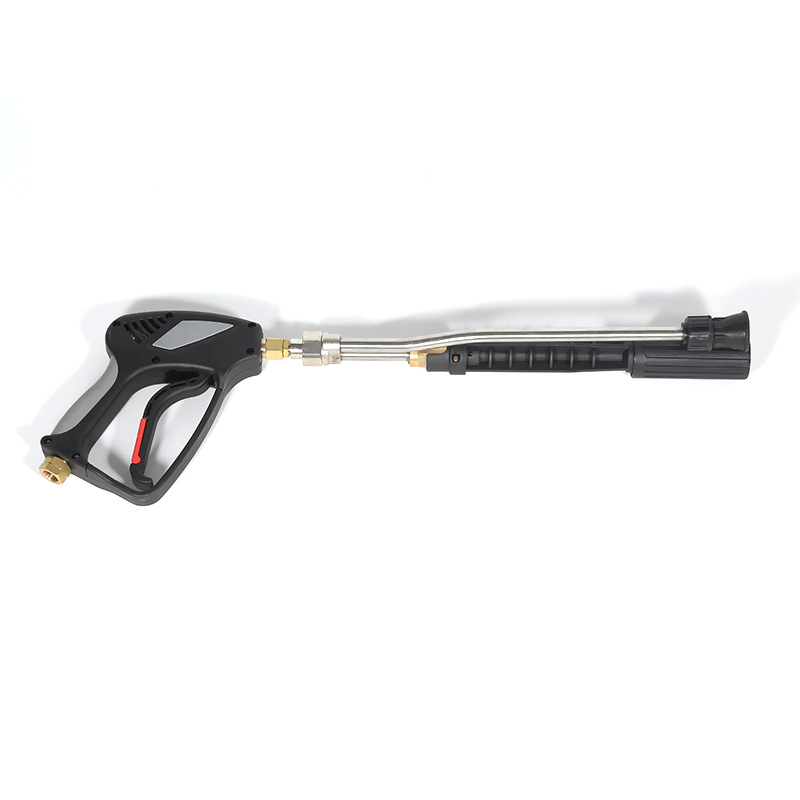
Household high-pressure boosted long pole nozzle brush car high-pressure water gun's long pole design allows users to easily spray water to high or di...
See Details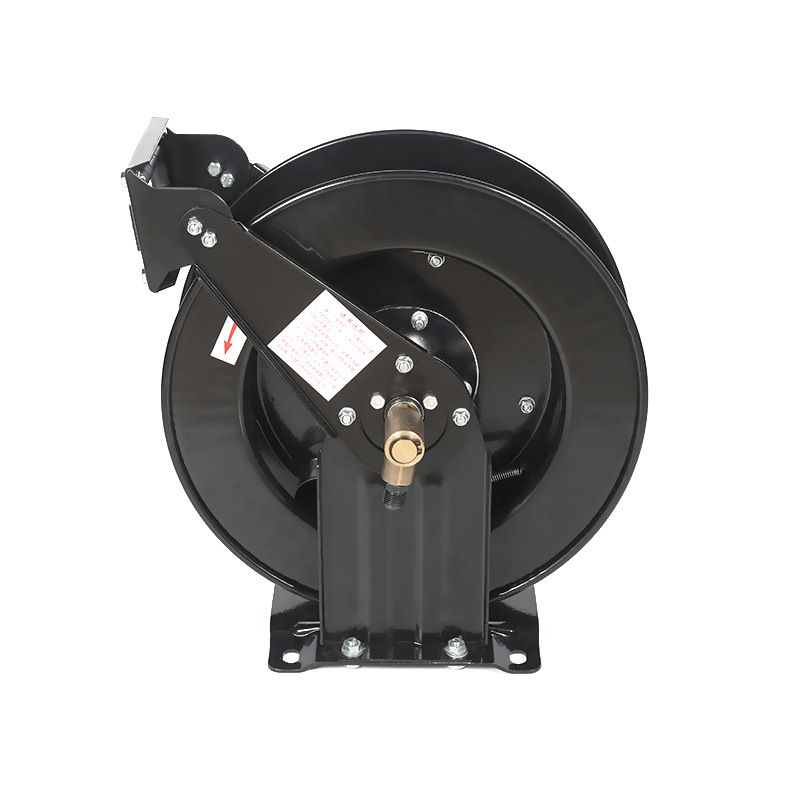
High-pressure drum water reel drum cleaning machine high-pressure hose can effectively store the high-pressure water gun, keep the water gun cables cl...
See Details
Special nozzle for washing machine car wash station is a nozzle product specially designed for car washing machines. It can effectively clean dirt, se...
See Details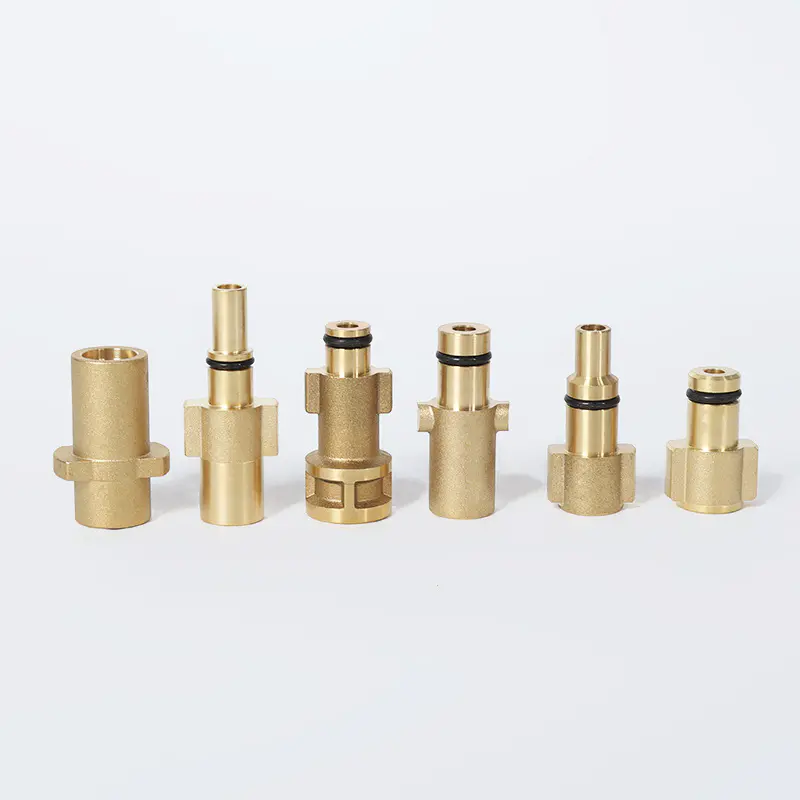
The main body of the High-pressure car washing machine pure copper connector is made of pure copper, which has electrical and thermal conductivity, as...
See DetailsCopyright © Yuyao Fuhua Machinery Equipment Co., Ltd. Rights Reserved.
Wholesale High Pressure Cleaning Tools/Accessories Manufacturers


