Introduction to Pipe Cleaning Nozzles
Pipe cleaning nozzles are critical tools used in high-pressure cleaning systems for removing blockages, deposits, and build-up from pipelines. Their design allows water or cleaning fluids to be directed at high velocity, providing effective cleaning. While they are generally engineered for durability, the combination of high pressure, mechanical stress, and chemical exposure can create conditions where bursting or deformation becomes a concern. Understanding the factors that influence nozzle integrity is essential for safe and reliable operation.
Materials Commonly Used in Pipe Cleaning Nozzles
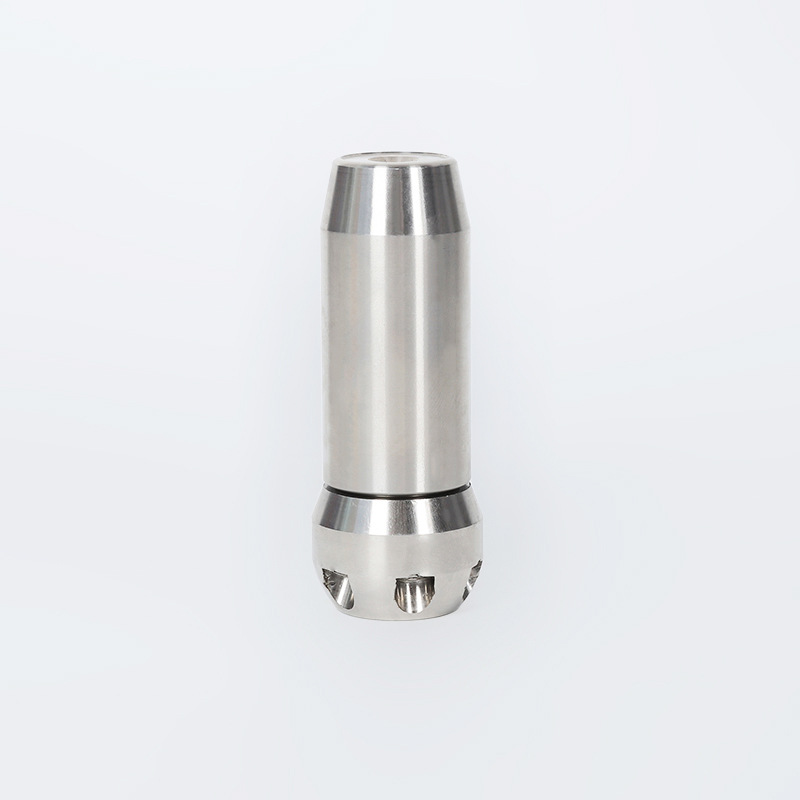
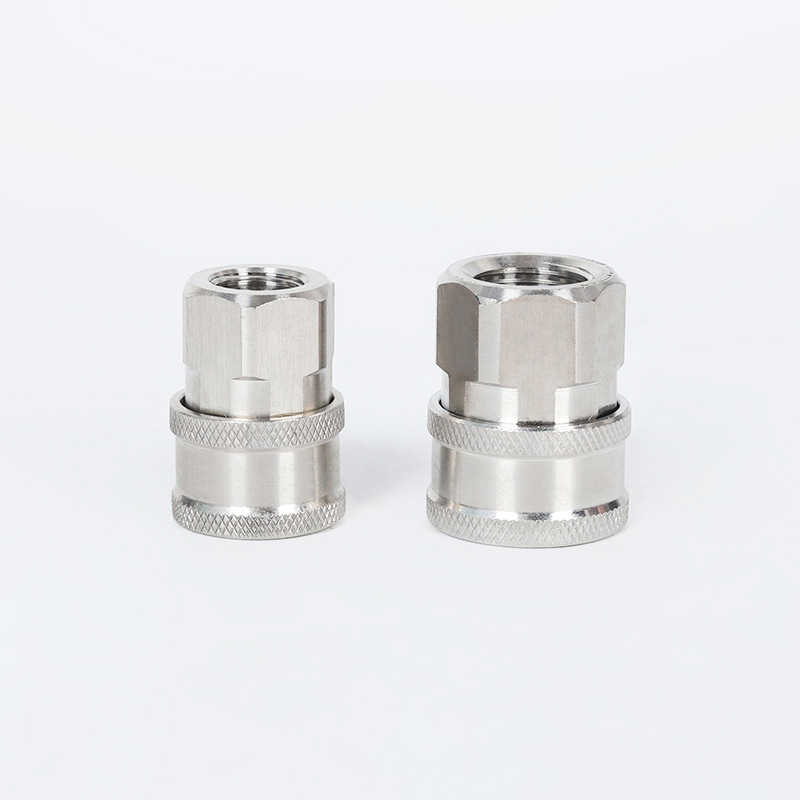
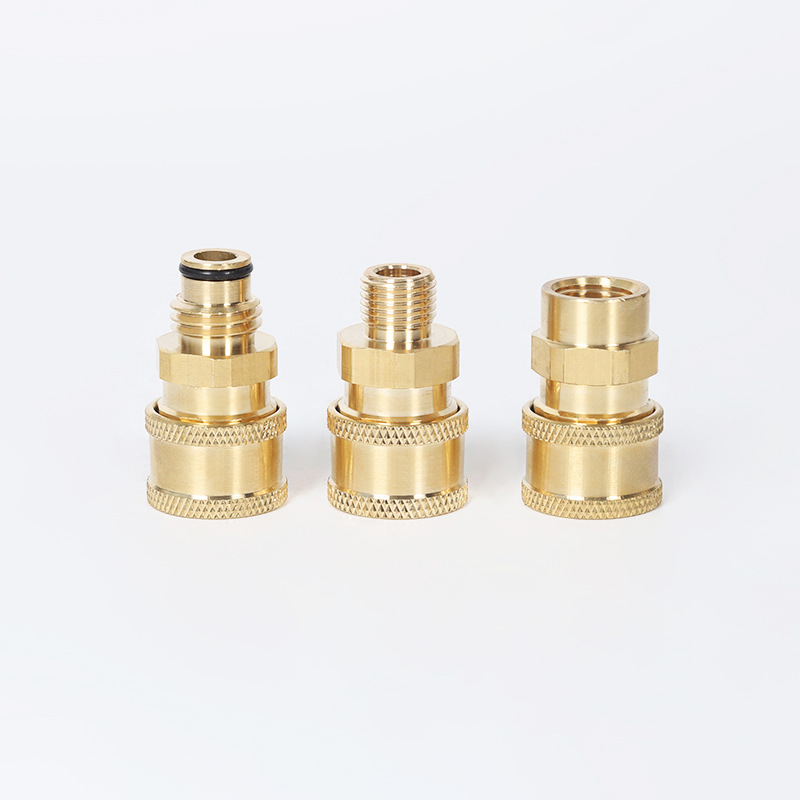
Pipe cleaning nozzles are typically constructed from stainless steel, brass, hardened alloys, or reinforced plastics. Stainless steel offers high mechanical strength and resistance to corrosion, making it suitable for repeated high-pressure applications. Brass is easier to machine and provides moderate durability and corrosion resistance. Plastic or composite nozzles are lightweight and resist chemical attack but have lower mechanical strength, which may increase deformation risk under extreme pressure.
Factors Contributing to Bursting Risks
Bursts in pipe cleaning nozzles can occur due to over-pressurization, material defects, or repeated mechanical stress. If the operating pressure exceeds the rated pressure of the nozzle, the structural integrity may fail, causing sudden rupture. Material fatigue, such as microcracks in metals or polymer weakening in plastics, can also increase the likelihood of bursting. Using nozzles within specified pressure limits and regularly inspecting for defects mitigates these risks.
Deformation Under Mechanical Stress
Deformation of a pipe cleaning nozzle can happen when external forces, high water pressure, or thermal stress exceed material capacity. Dents, bending, or ovalization may occur, especially in thinner-walled or lightweight designs. Repeated use and impact against pipe walls or debris exacerbate deformation risks. Nozzles made from higher-strength alloys or reinforced plastics resist these stresses more effectively, maintaining consistent performance over time.
Impact of Temperature and Fluid Type
High-temperature water or chemical cleaning fluids can influence nozzle behavior. Metals expand under heat and may experience localized stress, while plastics can soften or lose rigidity, increasing deformation potential. Certain chemical detergents or solvents may weaken plastic nozzles over time, further contributing to shape changes or microstructural degradation. Selecting materials rated for the temperature and chemical environment reduces long-term risks.
Common Problems and Warning Signs
Early signs of potential bursting or deformation include hairline cracks, surface roughening, visible dents, or changes in nozzle geometry. Flow inconsistencies, such as uneven spray patterns or reduced pressure, can indicate internal damage or partial deformation. Regular inspection and maintenance are necessary to detect these issues before catastrophic failure occurs. Operating outside the manufacturer’s specified pressure or temperature limits accelerates wear and increases risk.
Comparison of Nozzle Materials and Risk Levels
| Material |
Pressure Resistance |
Deformation Risk |
Corrosion Resistance |
Typical Use |
| Stainless Steel |
High |
Low |
High |
High-pressure and chemical applications |
| Brass |
Moderate |
Moderate under heavy load |
Moderate |
Medium-pressure or indoor cleaning |
| Plastic / Composite |
Low to moderate |
Moderate to high under pressure |
High (chemical resistance) |
Low-pressure chemical cleaning |
Installation and Operational Precautions
Ensuring that pipe cleaning nozzles are installed and used correctly reduces the risk of bursting or deformation. Nozzles should be securely connected with compatible fittings, avoiding leaks or loose connections. Operating the system within the rated pressure and temperature limits prevents overstressing the nozzle. Avoiding contact with hard debris or sharp bends in the pipe also reduces mechanical damage and extends nozzle life.
Maintenance and Inspection Practices
Regular maintenance includes checking the nozzle for cracks, wear, and any changes in shape. Cleaning after use removes abrasive debris or chemical residues that could accelerate material fatigue. Replacing worn or damaged nozzles promptly prevents accidents and ensures consistent cleaning performance. Lubrication of connections and protective storage when not in use further preserves nozzle integrity.
Design Features Enhancing Safety
Modern pipe cleaning nozzles often incorporate reinforced walls, rounded edges, and pressure-rated designs to reduce the risk of bursting. Some include replaceable tips or internal support structures to improve durability under high pressure. Material coatings and alloy selection enhance corrosion resistance and overall mechanical strength. Adhering to manufacturer guidelines on usage, pressure, and chemical compatibility maximizes safety.
Environmental Considerations
Environmental conditions such as temperature extremes, chemical exposure, or high debris content in pipes influence nozzle longevity. Using corrosion-resistant metals in humid or chemically aggressive environments protects the nozzle from degradation. Avoiding abrasive materials in the fluid stream or filtering debris reduces mechanical wear. Environmental awareness ensures safe and efficient cleaning without compromising nozzle integrity.
Practical Use Scenarios and Risk Management
High-pressure pipe cleaning is inherently demanding on nozzle materials. Nozzles used for industrial cleaning, chemical pipelines, or long-distance applications are exposed to greater stress and higher chemical loads. Careful material selection, controlled pressure operation, routine inspection, and replacement when signs of wear appear help manage the risk of bursting or deformation. Operator training and adherence to safe practices further mitigate hazards.
Long-Term Durability and Performance
Over time, repeated high-pressure use and chemical exposure can gradually reduce nozzle mechanical strength. Stainless steel nozzles generally maintain shape and resist bursting under rated conditions. Plastic or composite nozzles may experience slight deformation or softening if used near their maximum pressure or chemical limits. Regular monitoring and proper storage extend the functional life and ensure consistent cleaning performance.
Bursting and Deformation Risks
Pipe cleaning nozzles, when selected and used appropriately, provide safe and effective operation with minimal risk of bursting or deformation. Material choice, pressure rating, chemical compatibility, and environmental awareness are critical factors in maintaining nozzle integrity. Routine inspection, maintenance, and adherence to manufacturer guidelines help prevent failures, ensuring reliable performance and safety in both industrial and residential cleaning applications.



 中文简体
中文简体