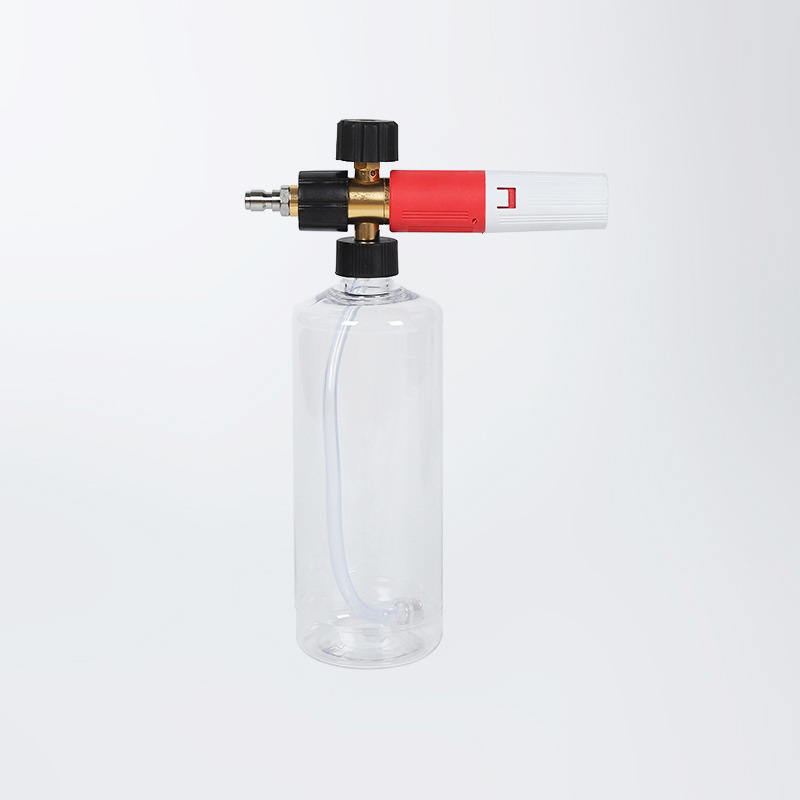
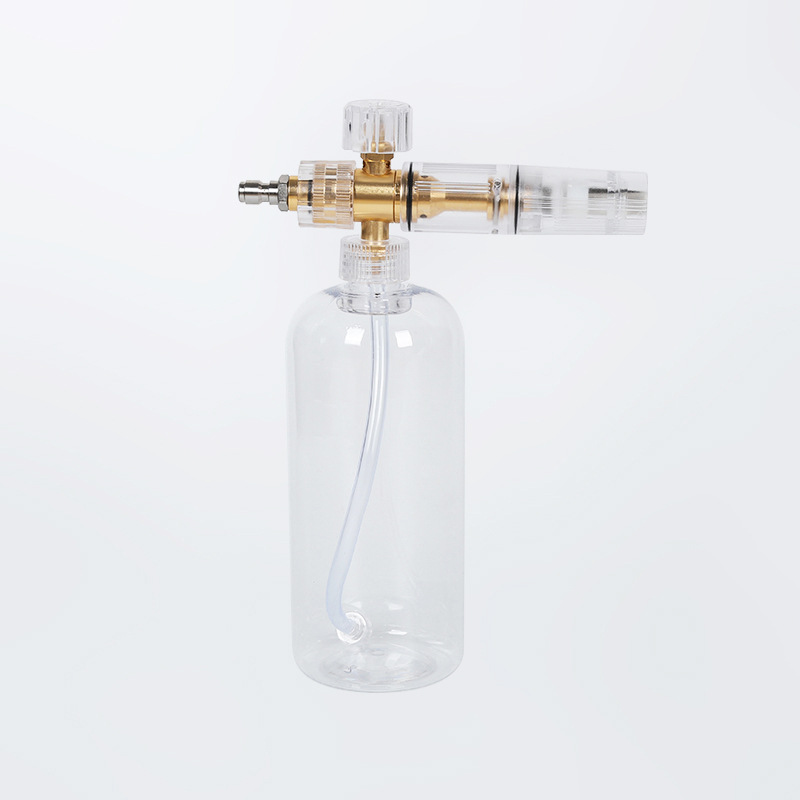
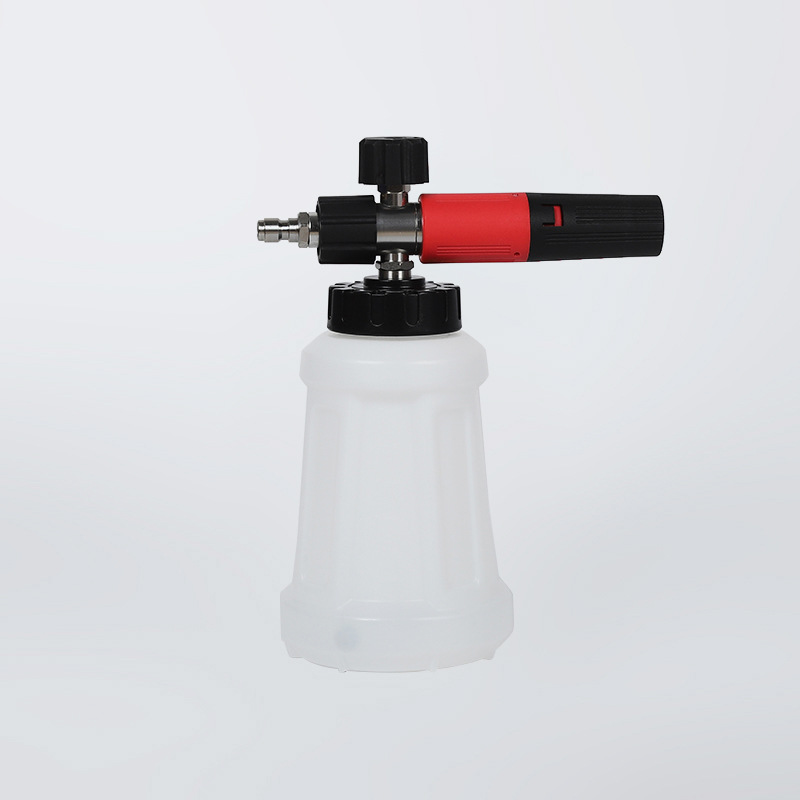
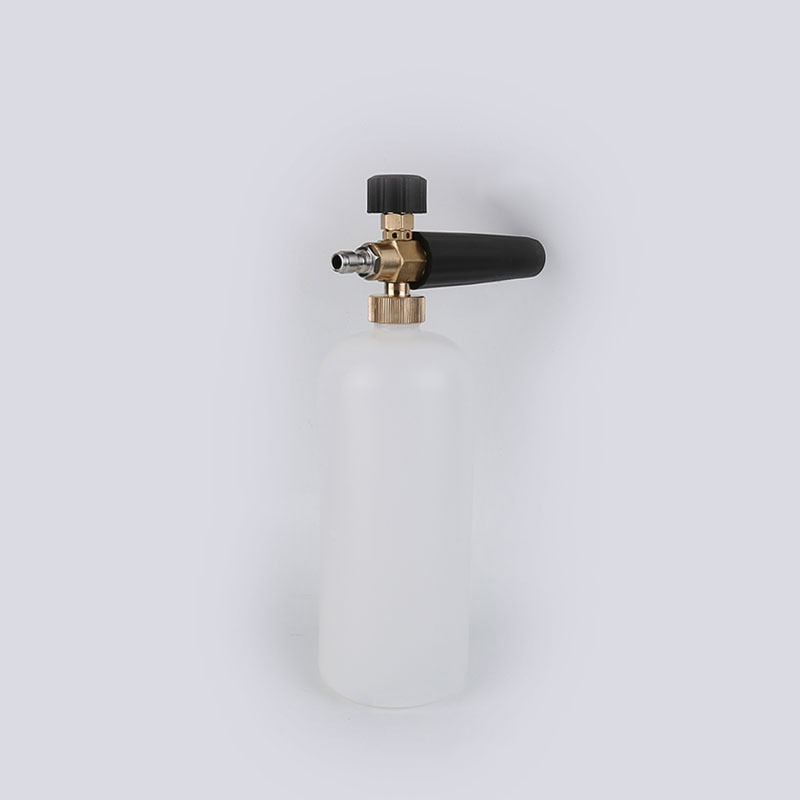
A chamber-style pressure washer foam pot produces thicker, longer-clinging foam than a simple bottle-style attachment, because the internal design forces water and detergent through a mixing chamber before the nozzle rather than relying on suction alone. For most detailing and vehicle washing tasks, matching the foam pot's dilution ratio and nozzle size to the pressure washer's actual GPM output matters more than which brand sits on the shelf.
3–20% typical adjustable dilution range on quality foam pots
1.4–4 GPM common flow rate range for consumer pressure washers
5–10 min recommended foam dwell time before rinsing
32–48 oz common bottle capacity on standard foam cannons
Bottle-Style vs Chamber-Style Foam Pots
Both attachment types connect between the pressure washer wand and nozzle, but they mix soap and water differently, which directly affects foam thickness and cling time. Bottle-style foam pots draw detergent up through a straw-like tube using suction created by the water flow, mixing it in the nozzle just before spraying. Chamber-style foam pots push water through an internal mixing chamber packed with agitation elements before the concentrate reaches the nozzle, producing denser, more uniform foam.
Bottle-Style Foam Pot
- Simple suction-based mixing design
- Lower cost and lighter overall weight
- Thinner foam that dissipates faster
- Easier to disassemble for cleaning
Chamber-Style Foam Pot
- Internal mixing chamber for denser foam
- Thicker foam clings to surfaces longer
- Typically higher cost and bulkier design
- Better performance at lower water pressure
How Dilution Ratio Affects Foam Quality
Every pressure washer foam pot includes an adjustable dial or valve controlling how much detergent concentrate mixes into the water stream, typically ranging from around 3% to 20%. Too little concentrate produces thin, watery foam that slides off vertical surfaces almost immediately, while too much wastes detergent without meaningfully improving cling time once a saturation point is reached.
| Dilution Setting |
Foam Consistency |
Best Use Case |
| 3–5% |
Thin, quick-draining foam |
Light rinse-off soap application |
| 5–10% |
Moderate, standard consumer foam thickness |
Routine vehicle washing |
| 10–15% |
Thick, longer-clinging foam |
Detailing, pre-wash soak on heavily soiled surfaces |
| 15–20% |
Very thick, maximum cling time |
Show cars, paint correction prep |
Matching Foam Pot Nozzle Size to Pressure Washer Output
Nozzle orifice size inside a pressure washer foam pot has to correspond to the machine's GPM (gallons per minute) output, since too small an orifice restricts flow and produces weak foam, while too large an orifice lets water pass through too quickly for proper mixing.
- Under 2 GPM machines: typically pair best with smaller orifice nozzles (around 3.0–3.5mm) to maintain adequate mixing pressure.
- 2–3 GPM machines: generally suited to mid-size orifices (around 4.0–4.5mm) for balanced foam output.
- 3+ GPM machines: perform better with larger orifices (5.0mm and above) to avoid excessive backpressure on the pump.
Practical tip: Using an undersized nozzle orifice on a high-GPM machine can create excess backpressure that shortens pump seal life over time, so matching orifice size to actual flow rate protects the pressure washer itself, not just foam quality.
Bottle Capacity and How It Affects Job Size
Bottle capacity on a pressure washer foam pot determines how long a single fill lasts before needing a refill, which matters more for larger vehicles, fleets, or driveway and siding jobs than for a single small car wash.
| Bottle Capacity |
Approximate Coverage |
Best Suited For |
| 16–24 oz |
1 small vehicle |
Occasional home use, compact cars |
| 32–48 oz |
1–2 vehicles or a small deck/patio |
Regular home detailing |
| 1 gallon and above |
Multiple vehicles or larger exterior surfaces |
Fleet washing, professional detailing, siding cleaning |
Compatibility Considerations Across Pressure Washer Types
Not every pressure washer foam pot fits every machine, and connection type is one of the most common sources of buyer frustration when a foam attachment arrives and doesn't match the existing wand or hose fitting.
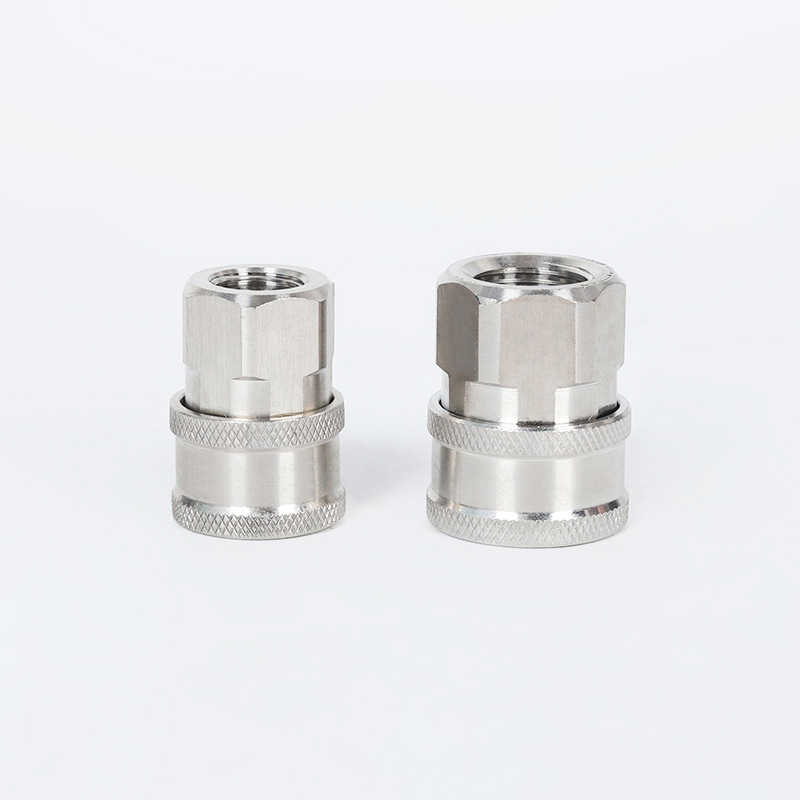
- Quick-connect fittings: The most common connection style on consumer electric and gas pressure washers, allowing tool-free attachment swaps.
- M22 threaded fittings: Common on many gas-powered units, often requiring an adapter if the foam pot ships with a quick-connect fitting instead.
- Gun-mounted vs wand-mounted designs: Some foam pots attach directly to the trigger gun, while others mount further down the wand, which can affect overall handling balance during use.
What Detailing-Focused Buyers Prioritize Beyond Basic Foam Output
Buyers who wash vehicles or exteriors regularly, whether professionally or as a serious hobby, tend to weigh a different set of features than someone buying a foam pot for occasional use.
Adjustable Fan Pattern
A nozzle that adjusts from a narrow stream to a wide fan pattern allows one attachment to handle both spot treatment and full-panel foam coverage without swapping tools.
Chemical-Resistant Seals
Foam pots used regularly with stronger detailing chemicals benefit from seals rated for a broader range of pH levels, reducing premature seal degradation compared to standard rubber gaskets.
Clear or Marked Bottle
A transparent bottle with volume markings makes it easier to maintain consistent dilution ratios across repeated jobs rather than estimating by eye.
Wide Mouth Opening
A larger bottle opening simplifies refilling and cleaning between different chemical products, reducing cross-contamination risk when switching between soap types.
Maintenance Habits That Extend Foam Pot Lifespan
Detergent residue and mineral buildup are the most common causes of reduced foam quality over time, and a few simple habits prevent most premature performance loss.
| Maintenance Task |
Recommended Frequency |
| Rinse bottle and internal tube with clean water |
After every use |
| Check and clean nozzle orifice for residue buildup |
Every few uses, or if foam output weakens |
| Inspect O-rings and seals for cracking |
Every 2–3 months with regular use |
| Fully drain and dry before long-term storage |
Before seasonal storage or extended breaks in use |
A foam pot that receives basic rinsing after each use consistently outperforms one left with dried detergent residue in the tube or nozzle, since dried soap buildup is one of the most common causes of reduced or uneven foam output on units that otherwise appear undamaged.
Frequently Asked Questions
What is a pressure washer foam pot used for?
A pressure washer foam pot mixes detergent concentrate with the water stream to produce thick, clinging foam, making it easier to coat vertical surfaces like vehicles, siding, or driveways for a longer dwell time before rinsing.
Is a chamber-style or bottle-style pressure washer foam pot better?
Chamber-style foam pots generally produce thicker, longer-clinging foam due to their internal mixing design, while bottle-style pots are simpler, lighter, and more affordable, making the better choice dependent on how much foam density matters for the task.
What dilution ratio should I use on a pressure washer foam pot?
Most routine washing works well between 5% and 10% dilution, while detailing or heavily soiled surfaces often benefit from 10% to 20% for thicker, longer-clinging foam.
Will any pressure washer foam pot fit my machine?
Not always — connection type matters, since quick-connect and M22 threaded fittings aren't interchangeable without an adapter, so it's worth confirming compatibility with your specific wand or gun fitting before purchasing.
How long should foam sit before rinsing?
Most detailing guidance recommends letting foam dwell for about 5 to 10 minutes, giving the detergent enough time to loosen dirt and grime before rinsing, though it shouldn't be allowed to fully dry on the surface.



 中文简体
中文简体