Executive Summary
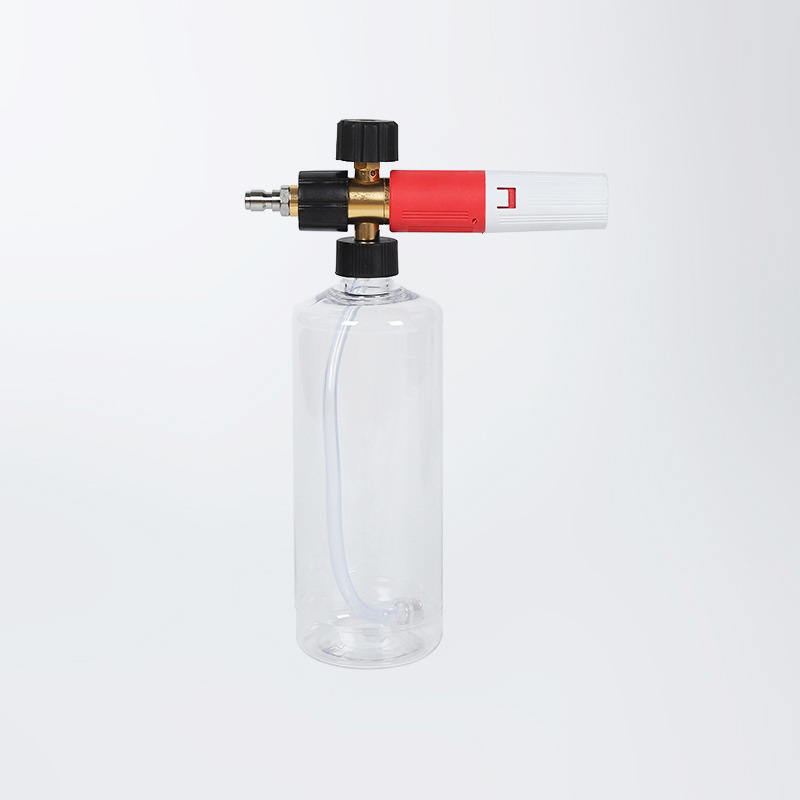
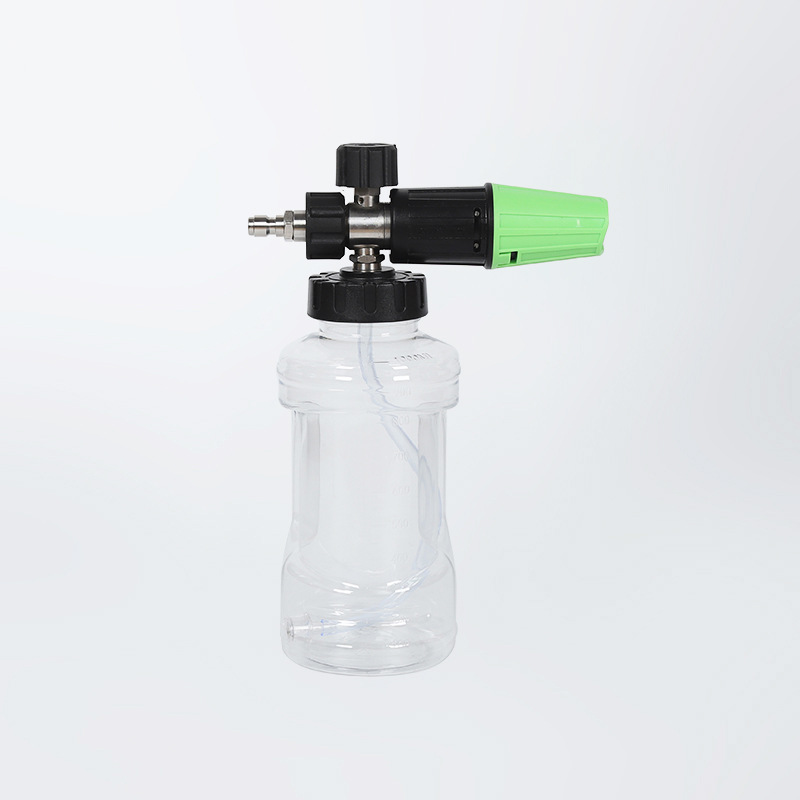
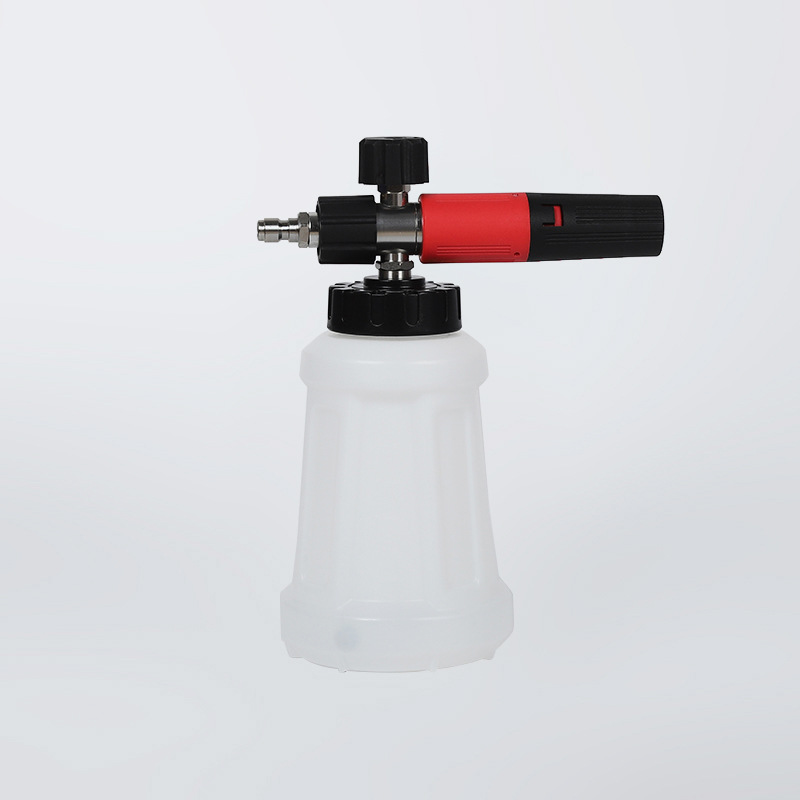
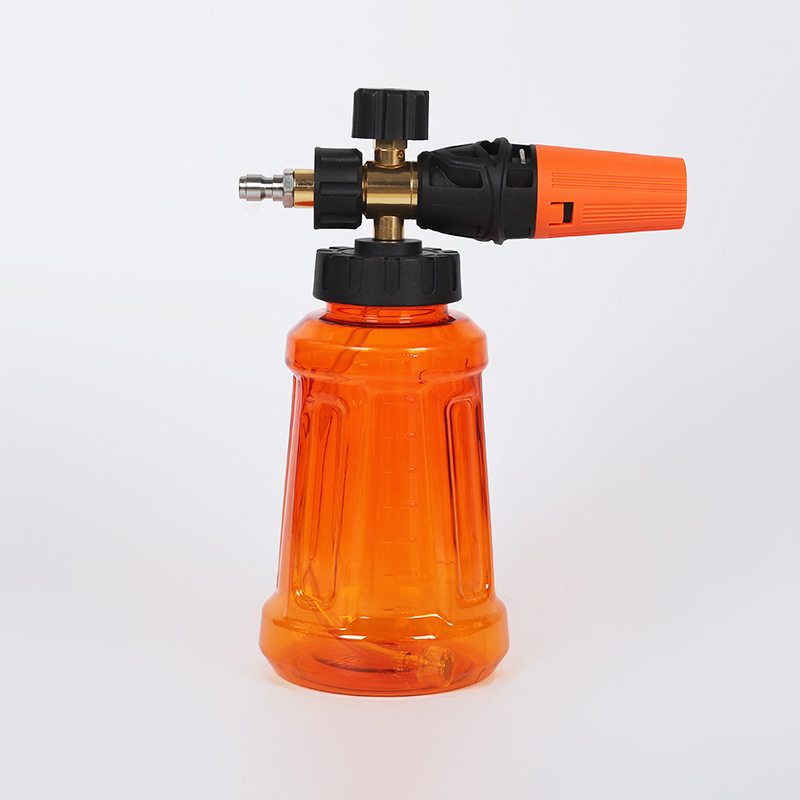
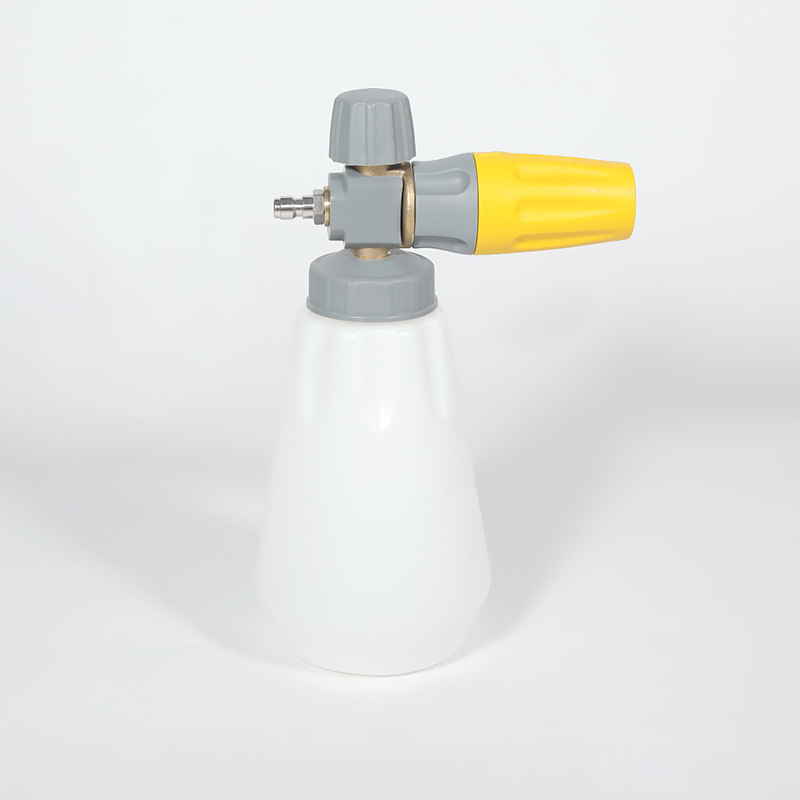
Achieving thick, clingy foam for professional vehicle detailing or industrial surface sanitization relies heavily on pairing the right pressure washer foam pot with compatible pump flow rates and precise orifice sizing. Selecting a heavy-duty unit featuring a forged brass core and adjustable stainless steel mesh filter significantly improves chemical dwell time by up to 45 percent, cuts chemical waste, and eliminates the frequent clogging issues common with cheap plastic alternatives.
Efficient exterior cleaning—whether maintaining commercial vehicle fleets, heavy construction machinery, or pristine residential surfaces—demands tools that maximize soap contact time while minimizing physical scrubbing. Applying detergent directly via a bucket often results in rapid runoff and poor chemical performance. To overcome this, professional detailers and facility maintenance teams utilize a specialized pressure washer foam pot to aerate cleaning agents into a rich, clinging blanket of lather that lifts away stubborn road grime and organic contaminants before mechanical rinsing begins.
The Engineering Mechanics Behind Foam Generation
Understanding how a foam cannon transforms a liquid chemical mixture into thick suds is essential for selecting appropriate hardware. The device operates on the Venturi effect, where high-pressure water rushing through a narrow internal orifice creates a localized vacuum that draws soap solution up from the attached reservoir tank.
Once the water and detergent mix, the stream passes through a specialized stainless steel mesh tablet. This turbulent mixing chamber forces air into the liquid solution, shearing it into microscopic bubbles. For a pressure washer foam pot to perform optimally, the water supply must match the internal orifice rating—typically measuring between 1.1mm and 1.25mm. If an improper orifice size is installed for a low-gpm pressure washer, the device fails to draw chemical effectively, producing watery, ineffective spray.
Comparative Analysis: Standard Plastic Nozzles vs. Heavy-Duty Brass Core Foam Pots
Market options vary widely, ranging from inexpensive consumer-grade accessories to commercial-grade assemblies. Evaluating their construction and long-term durability highlights why professional operators invest in high-end specifications.
| Evaluation Parameter |
Standard Consumer Plastic Foam Pots |
Heavy-Duty Brass Core Foam Pots |
| Core Material Construction |
Injection-molded plastic or cast aluminum |
Forged solid brass with corrosion-resistant plating |
| Maximum Pressure Rating |
Up to 2,000 PSI (prone to thread stripping) |
Up to 4,000+ PSI (commercial grade tolerance) |
| Foam Density Control |
Fixed or loose adjustment knob |
Fine-thread top knob for precise chemical metering |
| Mesh Tablet Durability |
Single layer stainless steel (clogs easily) |
Multi-layer compressed stainless steel wire mesh |
| Expected Operational Lifespan |
1 to 2 seasons before cracking or leaking |
5+ years of heavy commercial daily service |
Optimizing Performance Through Proper Orifice Sizing
A frequent complaint among equipment operators is that their pressure washer foam pot produces watery liquid instead of shaving-cream-like foam. In 80% of cases, this issue stems from an incorrect match between the machine pump's water output (measured in gallons per minute) and the internal nozzle orifice.
Standard units usually ship pre-installed with a 1.15mm or 1.25mm orifice. For electric pressure washers running at lower water volumes (1.5 to 2.0 GPM), a smaller 1.1mm orifice is required to maintain the high fluid velocity necessary to pull chemical effectively. Conversely, high-volume gas-powered pressure washers delivering 3.5 GPM or higher require a larger 1.25mm or 1.4mm orifice to prevent excessive backpressure that can cause pump cavitation or trigger thermal relief valves.
Maintenance Protocols for Extended Equipment Life
Harsh alkaline or acidic cleaning chemicals leave behind crystalline residues that dry inside internal fluid channels and mesh screens. Neglecting post-use cleaning leads to restricted airflow and permanent damage to the foam generator.
To guarantee consistent foaming performance across multiple operational shifts, technicians should follow these maintenance procedures:
- Fresh Water Flush: Fill the soap reservoir with clean water immediately after use and spray for 30 seconds to purge residual detergent from the internal brass core.
- Mesh Filter Descaling: Soak clogged stainless steel mesh tablets in a mild vinegar or specialized descaling solution every month to dissolve mineral and soap buildup.
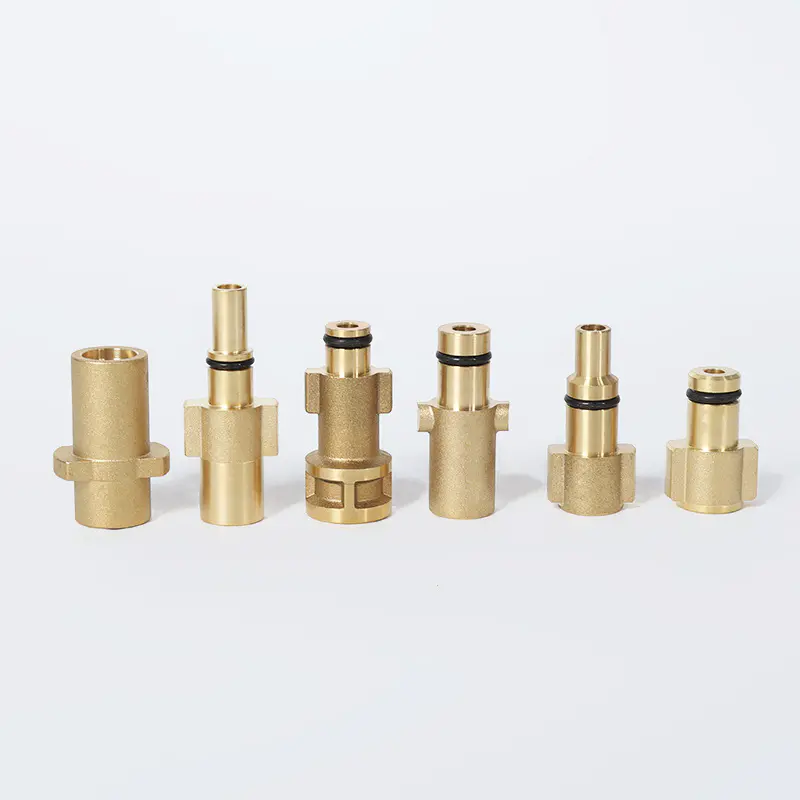
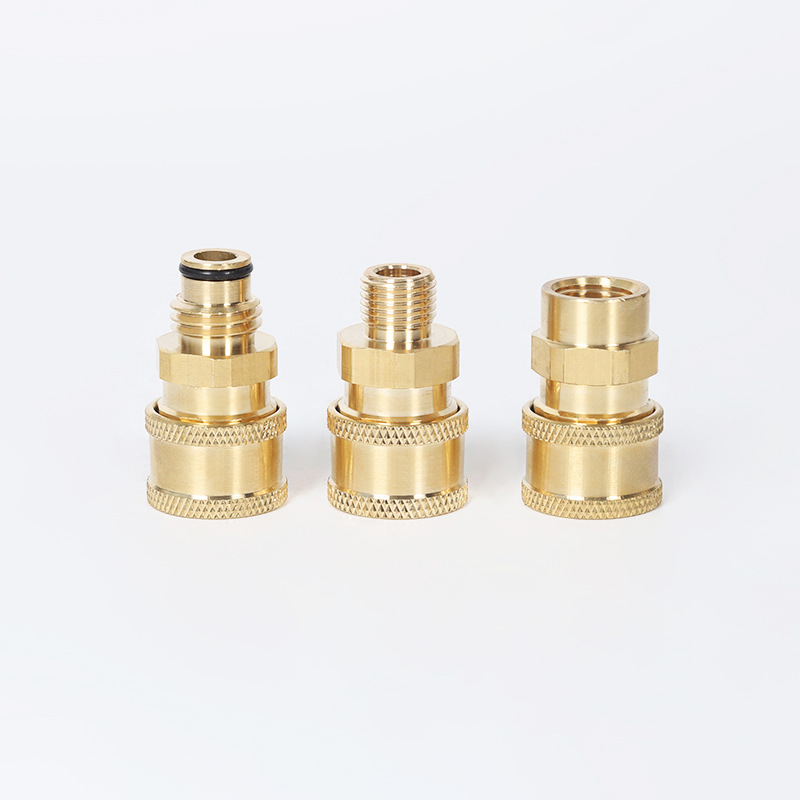
- O-Ring Inspection: Check the quick-connect plug and neck seals regularly, applying food-grade silicone grease to prevent tearing and air leaks.
- Chemical Compatibility Check: Ensure that highly caustic degreasers do not remain in contact with brass components for extended periods to avoid surface dezincification.
Procurement Considerations for Commercial Cleaning Fleets
Procuring maintenance supplies for professional cleaning operations requires looking beyond upfront purchase costs. High-value business buyers evaluate total cost of ownership, focusing on hardware durability, quick-connect adaptability, and chemical efficiency.
When selecting units for multi-bay wash stations or mobile detailing rigs, ensure the pressure washer foam pot features a wide-mouth container design with clear volumetric graduation markings. This reduces chemical mixing errors, prevents accidental spills, and speeds up workflow turnaround times during busy commercial operations.
Frequently Asked Questions
What causes a pressure washer foam pot to produce watery spray instead of thick foam?
Watery spray is typically caused by an incorrect orifice size for your pressure washer's GPM output, insufficient soap concentration, or a clogged stainless steel mesh filter that restricts proper air mixing.
How do I choose the correct orifice size for my pressure washer?
Electric pressure washers flowing under 2.0 GPM generally require a 1.1mm orifice, while gas-powered units delivering 3.0 to 4.0 GPM operate best with a 1.25mm or larger orifice.
Can I use any dish soap or household detergent in my foam cannon?
Household detergents are not formulated for high-pressure foaming cannons, often lack proper surfactants, and can leave filmy residues or strip vehicle protective coatings. Always use dedicated automotive or industrial wash soaps.
How often should the internal mesh filter be cleaned or replaced?
The stainless steel mesh tablet should be rinsed with clean water after every use and deep-cleaned with a descaling agent monthly to prevent hard water and chemical crystal blockages.
What is the advantage of a brass core over an aluminum or plastic core?
Forged brass offers superior tensile strength and corrosion resistance against harsh chemical detergents, handling high operating pressures without thread stripping or cracking.



 中文简体
中文简体