


 中文简体
中文简体

Large Mouth Pressure Washer Foam Generator
Cat:Pressure Washer Foam Pot
The Large Mouth Pressure Washer Foam Generator has a simple design and is easy to operate. When used in conjunction with a high-pressure water gun, it...
See Details2026-08-06
A pressure surface cleaner is the fastest practical tool for cleaning flat, hard areas such as driveways, patios, garage floors, and commercial pavement. Instead of moving a single high-pressure jet back and forth by hand, a surface cleaner spins two or more nozzles inside a covered shroud while wheels or a skirt keep the unit level with the ground. The wide cleaning path and uniform spray angle mean fewer passes, less splatter, and no streaking. If your pressure washer produces roughly 2000 PSI or more and you regularly clean any area larger than a small patio, this attachment will save more time per dollar than almost any other upgrade.
Inside the shroud, water pressure does two jobs at once. The rotating spray bar breaks dirt loose with a concentrated jet, and the swirling cone of water flushes the loosened material away before it can resettle. Because the spray is enclosed, overspray and splashback drop dramatically. Your clothes stay drier, adjacent surfaces stay cleaner, and the finished concrete shows an even, consistent color instead of the dark lines that appear whenever a hand-held wand pauses for a moment.
Choosing the right pressure surface cleaner comes down to matching the unit to your pressure washer's output, the size of the areas you normally clean, and the build quality that survives regular use. These four checks will keep you from buying a model that cleans too slowly, lacks power, or fails within a season.
A pressure surface cleaner does not create pressure; it transforms the flow and pressure your pressure washer already provides. The two numbers that matter are PSI (pounds per square inch) and GPM (gallons per minute). PSI determines how aggressively the water strikes the surface, while GPM determines how much water is available to flush debris away. Most consumer pressure washers deliver between 1.2 and 2.5 GPM at the nozzle, while commercial units often exceed 4 GPM. A surface cleaner rated for a 3000 PSI machine will feel weak on a lightweight 1500 PSI unit, and an oversized deck paired with a low-flow machine will pulse and clean unevenly. Check the manufacturer's recommended pressure range before buying, and remember that flow rate matters just as much as pressure for the quality of the final rinse.
Width is the most obvious speed factor. Common cleaning widths range from 12 to 24 inches. A narrower unit cleans a manageable stripe for a small patio, while a wider model covers a long driveway in noticeably fewer passes. The trade-off is weight and flow demand. Wider surface cleaners need more water to keep every nozzle spinning at full power, so choose a width that matches your machine's GPM instead of simply buying the largest shroud available.
Construction quality separates a tool that lasts from one that rattles apart. A pressure washer surface cleaner with wheels is easier to guide across long driveways because the wheels carry the machine's weight and hold the shroud at a consistent height. When the housing is made of stainless steel, the unit resists corrosion and stays stable on damp concrete. Plastic shrouds are lighter and less expensive, but they can warp or crack if left in direct sunlight after heavy use. Look for brass or stainless steel nozzles rather than plastic orifices, since the nozzles are the first parts to wear when water contains sand or grit.
Quick-connect fittings let you switch between the surface cleaner and a hand-held wand in seconds. Consumer machines commonly use a 1/4-inch quick connect, while commercial setups often use 3/8-inch threads. Confirm the thread size and coupler style before ordering, because mismatched fittings turn a simple setup into an unnecessary trip to the hardware store.
| Feature | What to Verify | Why It Matters |
|---|---|---|
| Pressure rating | Matches your pressure washer's PSI range | Too high or too low pressure gives weak cleaning or unnecessary wear |
| Flow rate (GPM) | Keeps the spray bar spinning at full speed | Low flow produces a pulsing spray and slower cleaning |
| Cleaning width | Suits your largest regular surface | Wider decks clean faster but need more flow |
| Nozzle material | Brass or stainless steel | Resists wear from grit and prevents irregular spray patterns |
| Wheels and housing | Smooth wheels, rigid shroud | Improves stability and prevents streaks on uneven ground |
| Connector type | 1/4-inch or 3/8-inch quick connect | Ensures the unit attaches to your existing wand correctly |
The same pressure surface cleaner can handle several materials as long as you adjust the technique and, when possible, the pressure. The ranges below are general guidance for typical pressure washers. Always test an inconspicuous area first before cleaning the full surface.
| Surface | Recommended PSI Range | Cleaning Notes |
|---|---|---|
| Concrete driveways and sidewalks | 2500-3200 | Keep the unit moving in straight, overlapping passes and avoid pausing |
| Brick and paving stones | 2000-2500 | Lower pressure protects the sand in joints; sweep residue away after cleaning |
| Wood decks | 1200-1500 | Use a lower setting, work with the grain, and never let the nozzles sit in one spot |
| Garage and workshop floors | 2000-3000 | Apply a degreaser before rinsing to break up oil and tire marks |
| Commercial lots and plant floors | 3000 and above | Match the machine to the flow rate so the spray bar stays balanced over large areas |
For stained concrete, pre-treating with a cleaner and letting it sit for a few minutes produces visibly better results than raising the pressure. Pressure alone can etch soft materials, while a chemical pre-step protects the surface and shortens the rinse time.
A pressure surface cleaner earns back its cost on any large, flat, hard surface. The strongest returns come from these jobs:
No pressure surface cleaner can reach every inch of a job. The shroud is too wide for tight corners, the guard skips over expansion joints, and stairs or vertical walls require a different approach. Plan to finish the perimeter separately so the overall result looks consistent.
For edges, steps, and vertical surfaces, switch to an ultra-high-pressure rotating nozzle, which concentrates the spray into a fast-moving jet that powers through grime in spaces a surface cleaner cannot fit. It is a practical follow-up tool for the final few percent of a driveway without refitting a different wand.
To move freely around the work area, pair the surface cleaner with a stainless steel braided hybrid high-pressure hose that resists kinking and stands up to dragging across rough concrete. A quick-connect fitting at the wand end also helps you switch between the surface cleaner and a hand-held nozzle without shutting down the machine.
Even a well-matched pressure surface cleaner produces poor results if the technique is wrong. Avoid these six mistakes:
Routine care is simple, but it makes the difference between a smooth-spinning tool and one that leaves uneven stripes. Follow these steps:
Buying a pressure surface cleaner is a decision about time and consistency. If you clean a driveway, patio, garage floor, or commercial pavement more than a few times a year, the wider cleaning path and enclosed rotating spray will save hours and leave a noticeably more even result than a hand-held wand. Match the unit to your pressure washer's PSI and GPM, choose stainless steel and brass components for durability, and keep a rotating nozzle and a strong hose nearby for the final details. With that combination, you get fast, streak-free cleaning on flat areas and complete control on the edges.
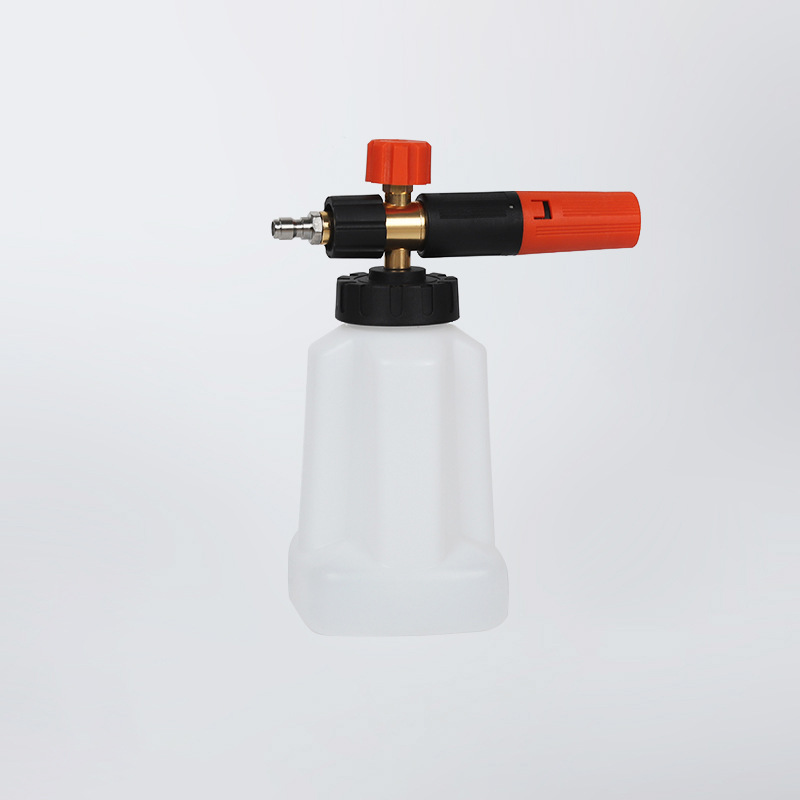
The Large Mouth Pressure Washer Foam Generator has a simple design and is easy to operate. When used in conjunction with a high-pressure water gun, it...
See Details
The large mouth design of the High-pressure PA foam large mouth pot allows users to more easily inject detergent into the tank during use, and the pro...
See Details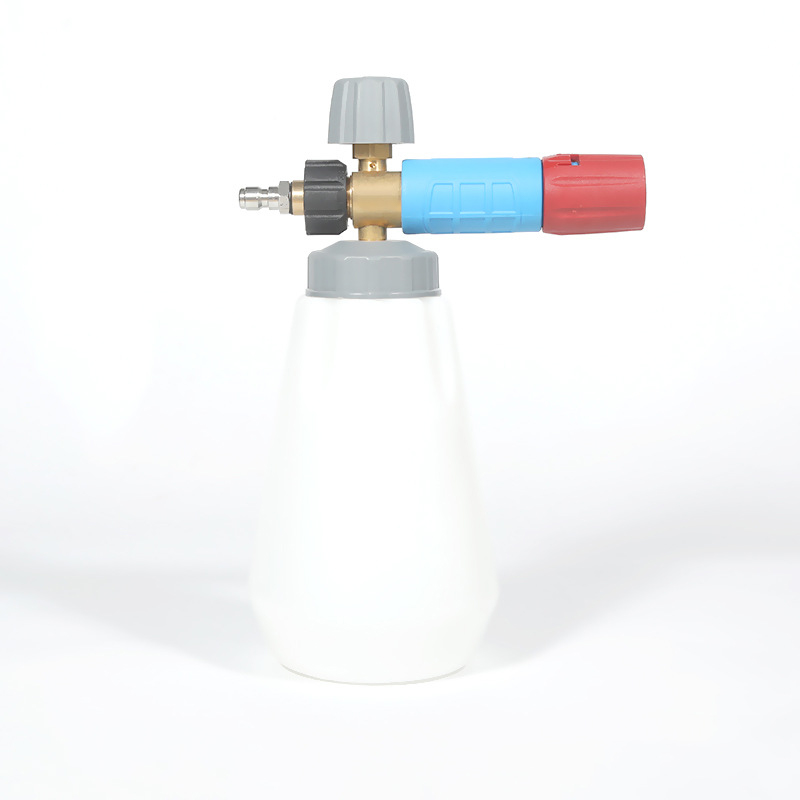
High-pressure large mouth white foam pot is a device used in conjunction with high-pressure cleaning equipment. The white design allows users to easil...
See Details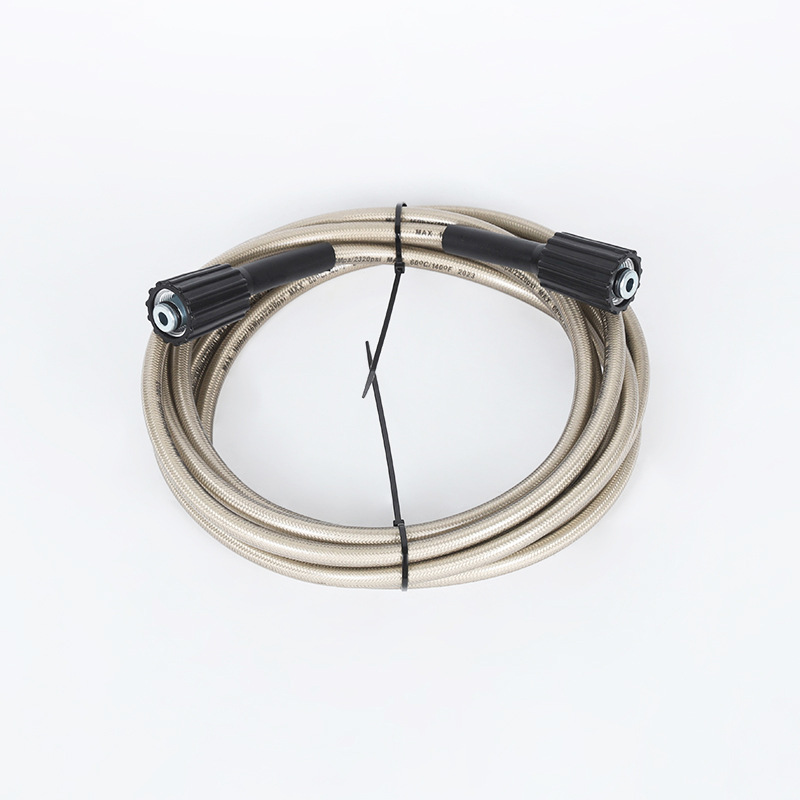
Household portable high-pressure car washing machine water pipe is equipped with connectors at both ends, which can easily connect to various cleaning...
See Details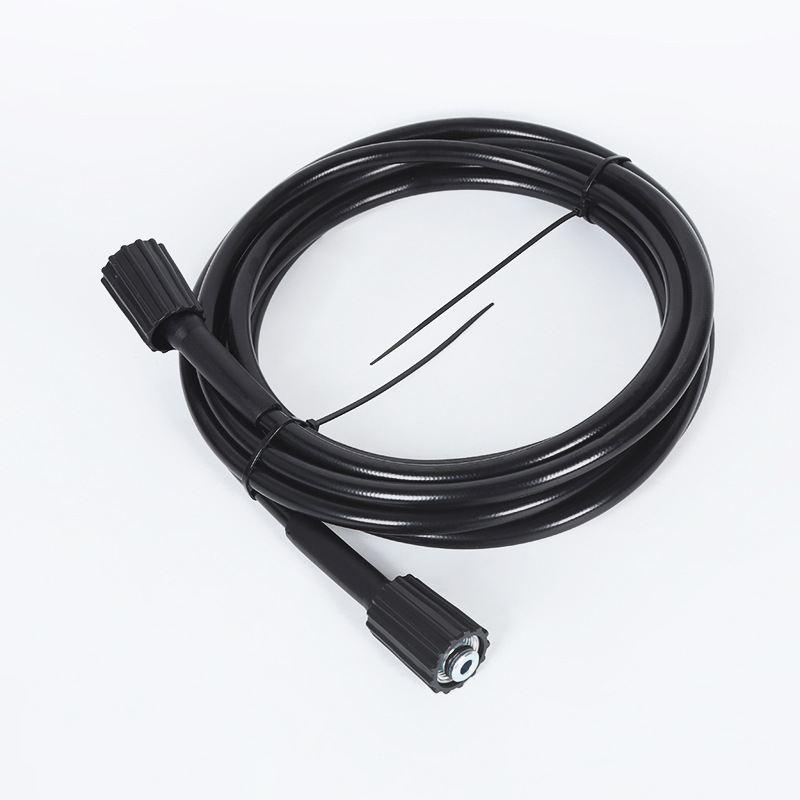
When not in use, the Cleaning machine adapter high-pressure hose can be easily rolled up for easy storage without taking up much storage space. This p...
See Details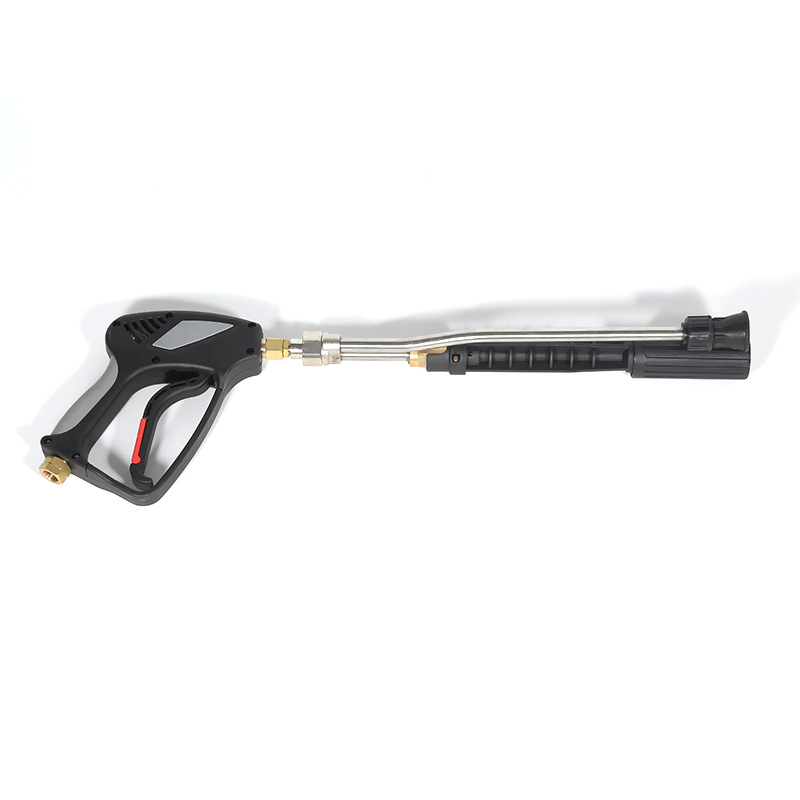
Household high-pressure boosted long pole nozzle brush car high-pressure water gun's long pole design allows users to easily spray water to high or di...
See Details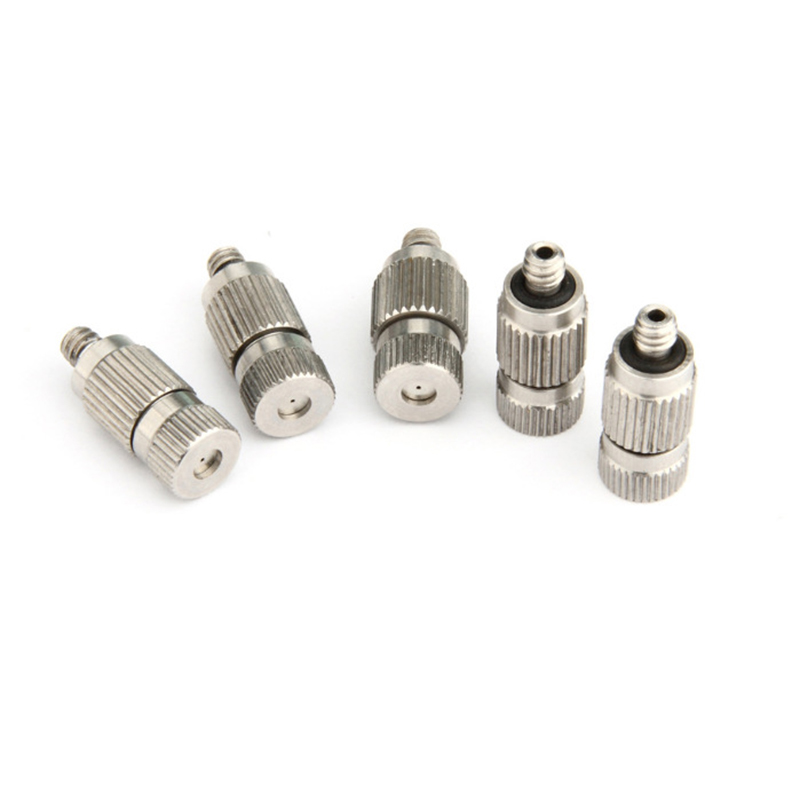
A stainless steel solid cone fine atomizing nozzle is designed to atomize water flow into very fine water droplets, creating a uniform and fine atomiz...
See Details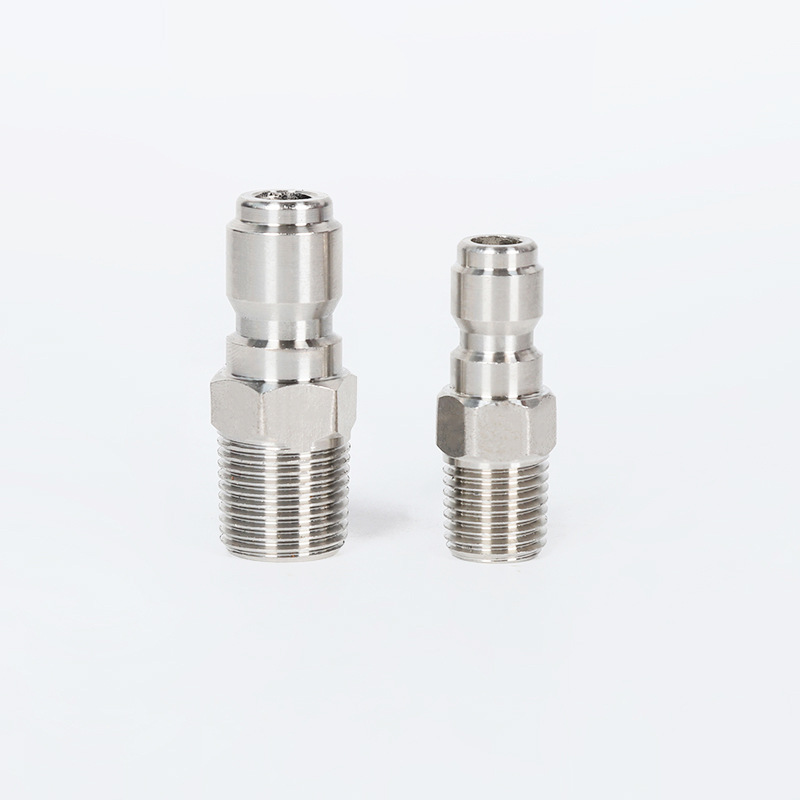
Stainless steel quick connector 3/8 quick plug accessories are quick connector accessories used to connect pipes, hoses, or equipment. The connector a...
See Details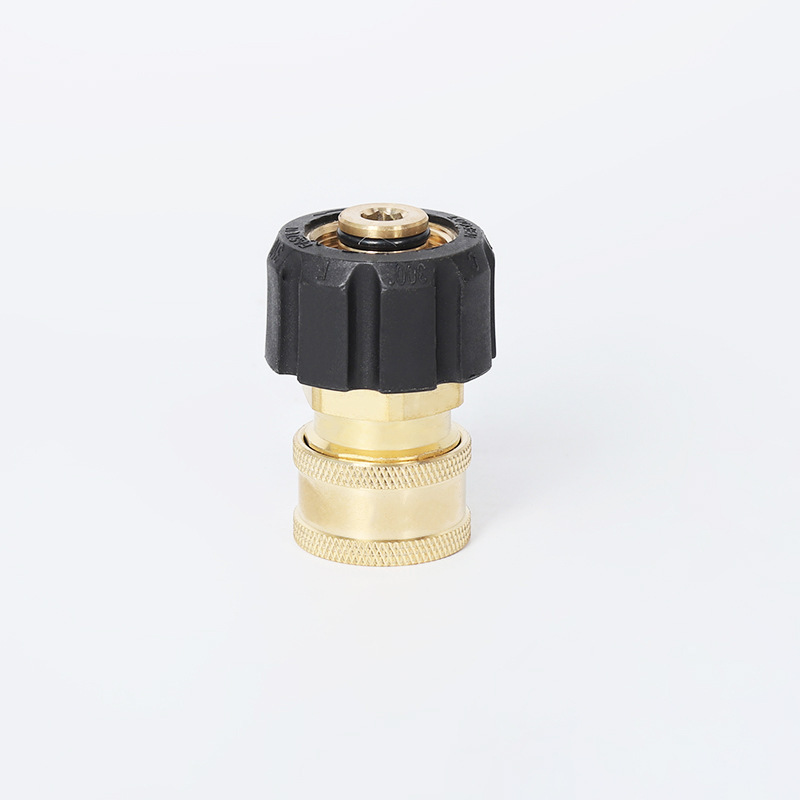
The Pressure washer black hat female quick connector has good pressure resistance and can withstand the high-pressure water flow generated by the high...
See Details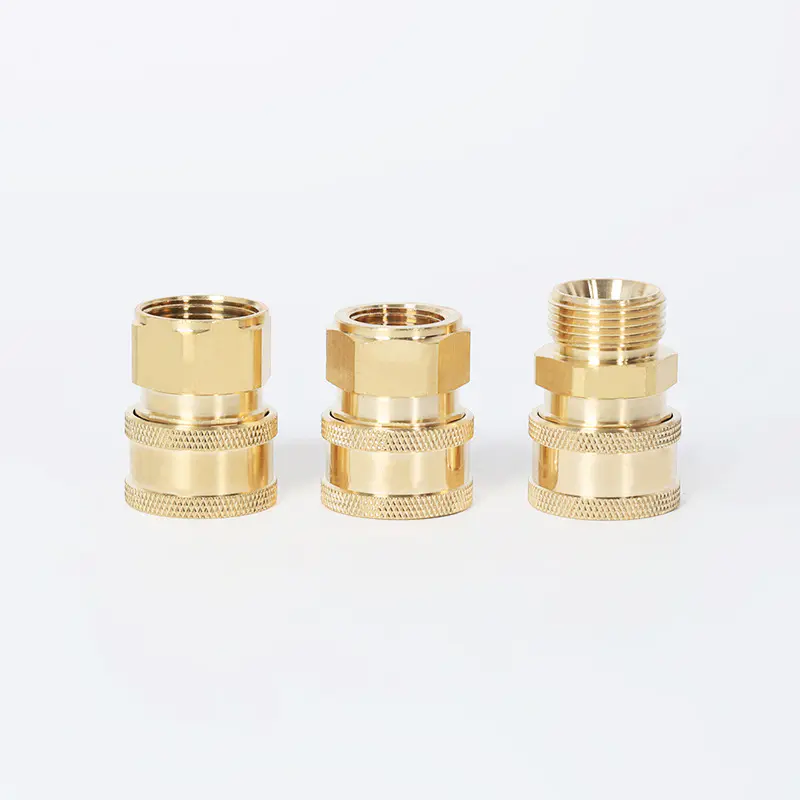
High-pressure cleaning machine quick change 1/4 union quick plug can realize the quick connection between different parts or equipment, making it conv...
See DetailsCopyright © Yuyao Fuhua Machinery Equipment Co., Ltd. Rights Reserved.
Wholesale High Pressure Cleaning Tools/Accessories Manufacturers


