中文简体
中文简体

Pressure Washer Hose: The Complete Guide to Selection, Safety, and Performance
Understanding the Pressure Washer Hose: Construction and Core Components
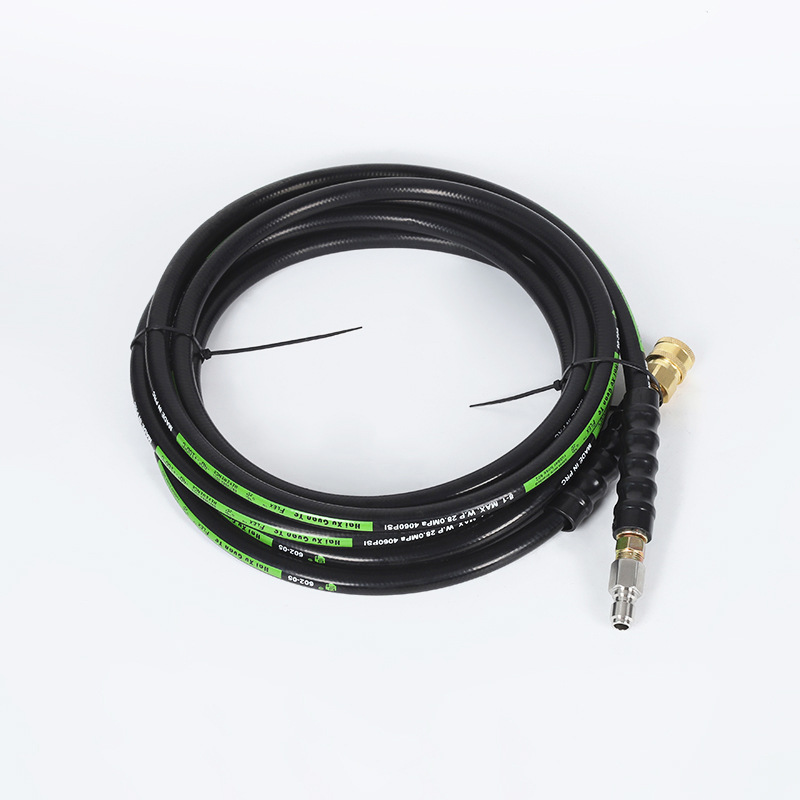
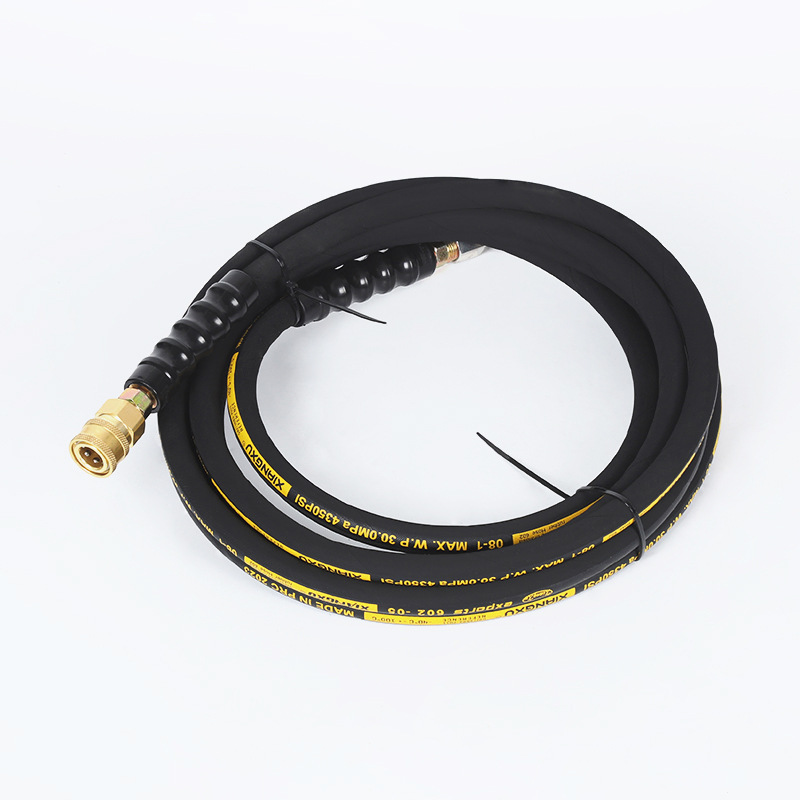
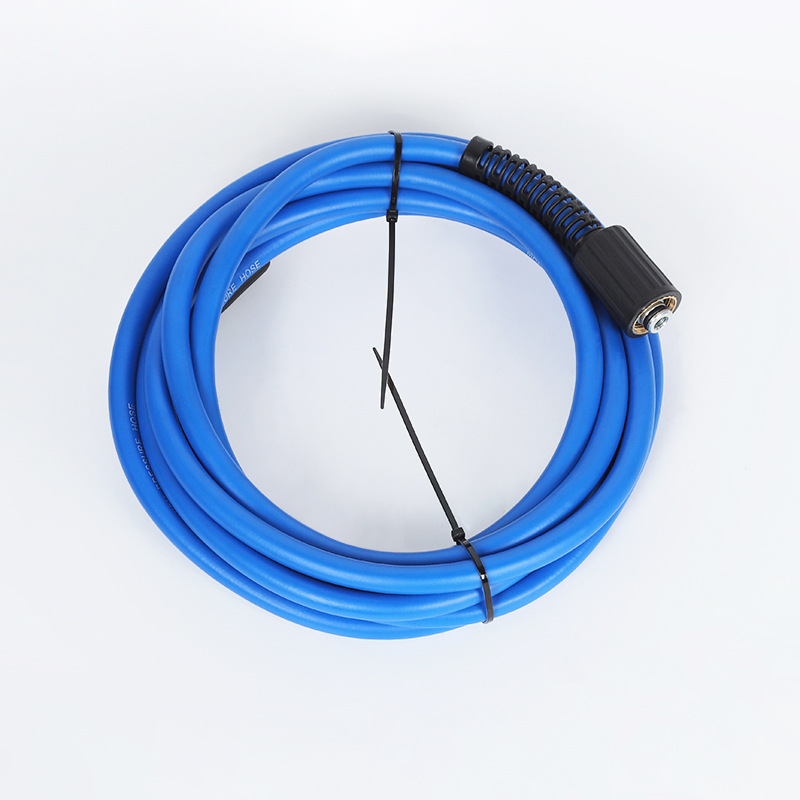
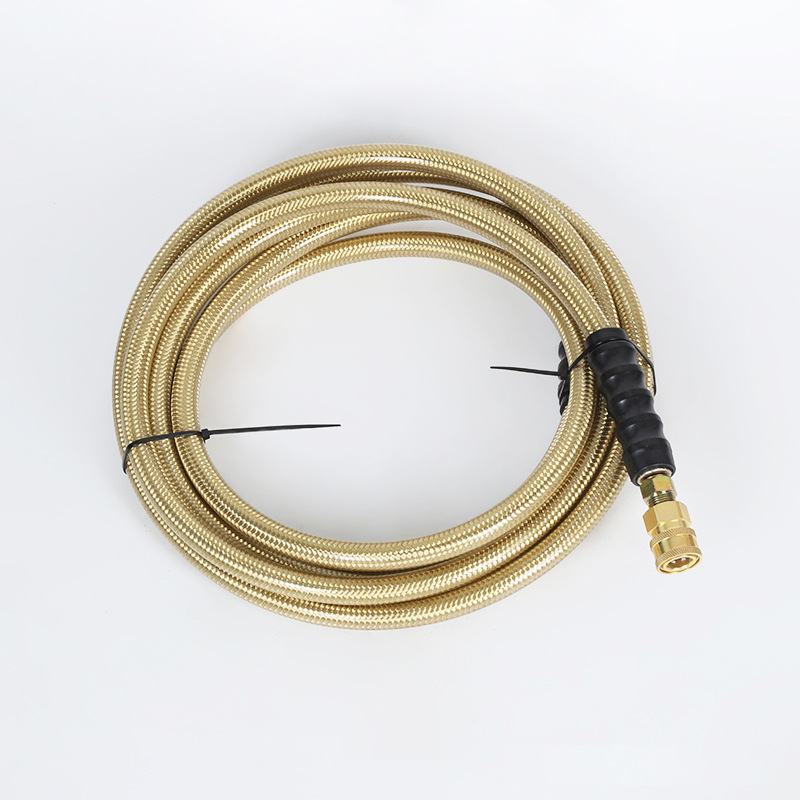
A pressure washer hose is a specialized flexible conduit designed to transport high-pressure water from the pressure washer pump to the spray gun. Unlike ordinary garden hoses, a pressure washer hose is engineered to withstand internal pressures typically ranging from 1,500 to 5,000 PSI, with some industrial models rated up to 10,000 PSI.
The construction of a pressure washer hose consists of three primary layers. The inner tube is typically made from thermoplastic or synthetic rubber, providing a smooth surface that minimizes friction loss and resists chemical degradation. The reinforcement layer, usually high-tensile steel wire braiding or spiral wrapping, provides the structural strength to contain the internal pressure. The outer cover, made from tough polyurethane or rubber compounds, protects against abrasion, UV damage, and oil contamination.
Pressure Washer Hose Types: A Comprehensive Comparison
The following table provides a detailed technical comparison of the most common pressure washer hose types available for commercial and residential applications.
| Parameter | Rubber Pressure Washer Hose | Thermoplastic Pressure Washer Hose | Hybrid (Rubber/Polymer) Hose | Steel Braided Pressure Washer Hose |
| Pressure Rating (PSI) | 2,000-5,000 | 2,000-6,000 | 2,500-4,500 | 3,000-10,000 |
| Temperature Range (C) | -20 to 120 | -15 to 100 | -25 to 110 | -10 to 150 |
| Flexibility | Excellent | Good | Excellent | Moderate |
| Abrasion Resistance | Good | Excellent | Excellent | Excellent |
| Weight (kg per 15m length) | 5-8 | 3-5 | 4-6 | 7-12 |
| Service Life (hours of use) | 1,500-2,500 | 1,000-2,000 | 1,800-3,000 | 2,500-5,000 |
| Relative Cost (per metre) | Moderate ($3-$6) | Low ($2-$4) | Moderate ($4-$7) | High ($6-$15) |
Pressure Washer Hose Materials: Rubber vs. Thermoplastic vs. Hybrid
The material composition of a pressure washer hose is the primary determinant of its performance characteristics, durability, and suitability for specific applications.
- Rubber Pressure Washer Hose: Traditional rubber construction offers excellent flexibility and kink resistance. A rubber pressure washer hose performs well in cold weather, remaining flexible at temperatures as low as -20C. The elastomeric properties of rubber provide superior vibration dampening and handling comfort. However, rubber hoses are heavier and more susceptible to abrasion than thermoplastic alternatives.
- Thermoplastic Pressure Washer Hose: Lightweight and highly abrasion-resistant, a thermoplastic pressure washer hose is ideal for commercial applications where the hose is frequently dragged across concrete or rough surfaces. The material is chemically resistant to oils and many cleaning chemicals. However, thermoplastic hoses have lower flexibility than rubber, especially in cold weather, and can develop memory set if stored coiled improperly.
- Hybrid Pressure Washer Hose: Combining a thermoplastic cover with a rubber-like inner tube, a hybrid pressure washer hose offers the best of both materials. The inner layer provides excellent flexibility and sealing properties, while the outer cover resists abrasion and UV damage. Hybrid hoses are becoming the preferred choice for professional cleaning operations.
High-Pressure Ratings
A premium pressure washer hose is rated for the maximum pressure output of your machine. Always select a hose with a working pressure rating at least equal to the maximum pump pressure to ensure safe operation.
Kink Resistance
Kink-resistant pressure washer hose designs use specialized tube constructions that prevent the hose from collapsing or folding. This reduces pressure loss and prevents damage to the hose core.
Chemical Resistance
A pressure washer hose must resist degradation from the cleaning chemicals and detergents used in cleaning operations. The hose material should be compatible with common acids, alkalis, and solvents.
Understanding Pressure Ratings for Pressure Washer Hoses
The pressure rating of a pressure washer hose is the most critical safety parameter. All hoses are marked with their working pressure (the maximum continuous pressure the hose can safely handle) and burst pressure (the pressure at which the hose will fail).
A pressure washer hose should be selected with a working pressure at least equal to the maximum output pressure of the pressure washer. For safety, a 20-30% safety margin is recommended. For example, if your pressure washer outputs 3,000 PSI, select a hose with a working pressure rating of at least 3,600 PSI.
The burst pressure of a pressure washer hose is typically 2.5 to 3.5 times the working pressure, providing a significant safety margin against pressure spikes and surge events. However, over time, the burst pressure of a hose decreases due to fatigue, abrasion, and UV exposure. This is why hoses must be regularly inspected and replaced before reaching end-of-life.
Selecting the Optimal Length and Diameter for Your Pressure Washer Hose
The length and diameter of a pressure washer hose directly affect pressure loss, flow rate, and cleaning efficiency.
- Hose Length: Longer hoses introduce higher friction losses, reducing the pressure available at the spray gun. For every 15 metres of hose length, pressure loss can range from 50-200 PSI depending on the hose diameter and flow rate. The optimal pressure washer hose length should be sufficient to reach the farthest cleaning point without unnecessary coils or multiple connections.
- Hose Diameter: The internal diameter of a pressure washer hose significantly affects flow rate and pressure delivery. Standard diameters include 6.4mm (1/4 inch), 8mm (5/16 inch), and 9.5mm (3/8 inch). For a given flow rate, a larger diameter pressure washer hose provides lower pressure loss, delivering more water to the cleaning surface. For high-flow machines (over 3 GPM), a 9.5mm hose is recommended to maintain adequate flow.
Why Pressure Washer Hoses Fail and How to Prevent It
Understanding the common failure modes of a pressure washer hose helps in diagnosing and preventing premature failure.
- Abrasion and Wear: Dragging a pressure washer hose across rough surfaces causes progressive wear on the outer cover, eventually exposing the reinforcement layer. Abrasion-resistant covers and hose protectors can extend service life significantly.
- UV Degradation: Extended UV exposure causes the outer cover to crack and degrade. Storing a pressure washer hose indoors when not in use is the most effective UV protection.
- Kinking and Crushing: Repeated kinking or crushing can compromise the reinforcement layer, creating a weak point that may burst under pressure. Kink-resistant pressure washer hose designs reduce this risk.
- Chemical Attack: Incompatible chemicals can weaken the tube and cover materials, leading to premature failure. Always verify the compatibility of the pressure washer hose with the cleaning chemicals being used.
Pressure Washer Hose Fittings and Connectors: What You Need to Know
The fittings on a pressure washer hose are critical to its performance and compatibility with the pressure washer and spray gun.
- Quick-Connect Fittings: The most common connector type for pressure washer hose systems, quick-connect fittings allow for fast hose changes without tools. These fittings use a spring-loaded mechanism that locks the connection securely.
- Threaded Connections: Some pressure washer hose systems use threaded connections for a permanent, leak-free seal. Common thread types include M22 (metric) and 1/4 NPT (National Pipe Thread).
- Swivel Fittings: A swivel fitting reduces stress on the pressure washer hose by preventing twisting during use, improving handling and extending service life.
Critical insight for facility managers: Replacing a pressure washer hose with a longer or higher-pressure-rated hose does not increase the cleaning power of the machine. The pressure at the spray gun is determined by the pump, not the hose. A high-quality pressure washer hose ensures that the pump's pressure and flow are delivered to the cleaning surface with minimal loss.
Maintaining Your Pressure Washer Hose for Maximum Service Life
Proper maintenance and storage practices are essential for maximizing the service life of a pressure washer hose.
- Inspection: Inspect the pressure washer hose before each use for signs of wear, cracks, or bulging. Replace the hose immediately if any damage is detected.
- Cleaning: After each use, flush the pressure washer hose with clean water to remove chemical residues that could degrade the tube material.
- Storage: Store the pressure washer hose in a clean, dry location, away from UV exposure, heat, and chemicals. Coil the hose loosely to prevent kinking.
- Pressure Relief: Before disconnecting the pressure washer hose, always relieve the pressure by triggering the spray gun with the engine turned off or the pump disengaged.
Commercial vs. Residential Pressure Washer Hoses: What's the Difference?
The pressure washer hose market offers distinct products for residential and commercial users, with significant differences in quality and durability.
- Residential Pressure Washer Hoses: Designed for occasional use in home applications, residential hoses are typically constructed with one or two layers of braiding and are rated to 2,500-3,500 PSI. They offer reasonable flexibility and are cost-effective for light-duty use.
- Commercial Pressure Washer Hoses: Engineered for daily use in demanding industrial environments, commercial hoses have multiple layers of high-tensile steel braiding, heavy-duty covers, and are rated to 4,000-5,000 PSI or higher. A commercial pressure washer hose may cost 2-3 times as much as a residential one but provides 3-5 times the service life.
Is a Premium Pressure Washer Hose Worth the Investment?
For high-value customers, the decision to invest in a premium pressure washer hose involves weighing the initial cost against the long-term benefits in performance and durability.
Consider a commercial cleaning operation using a pressure washer for 40 hours per week, 50 weeks per year:
- Standard Hose: $45 for a 15-metre hose, replaced every 3 months (600 hours of use). Annual cost: $180. Total over 3 years: $540.
- Premium Hose: $120 for a 15-metre hose, replaced every 12 months (2,400 hours of use). Annual cost: $120. Total over 3 years: $360.
The premium pressure washer hose saves $180 over three years while providing superior reliability and performance. For businesses that experience downtime during hose failure, the value of reliability far exceeds the material cost. A single failure costing 30 minutes of downtime at $100/hour adds $50 to the cost of the standard hose, further improving the business case for a premium pressure washer hose.