中文简体
中文简体

Pressure Washer Connector: The Essential Guide to Fittings and Adaptors
Understanding the Pressure Washer Connector: Function and Importance
A pressure washer connector is a fitting that joins various components of a pressure washing system, including the hose to the pump, the hose to the spray gun, and the hose to extension wands. These connectors must withstand extreme pressures, typically ranging from 1,500 to 5,000 PSI, while maintaining a leak-proof seal under dynamic and static conditions.
The pressure washer connector is often the most overlooked component in a pressure washing system, yet it is the most frequent point of failure. A poorly fitting or low-quality connector can cause leaks, pressure loss, and sudden disconnections that result in equipment damage or personal injury. For high-value customers, investing in quality connectors and understanding their specifications is essential for safe and efficient operations.
Pressure Washer Connector Types: A Comprehensive Comparison
The following table provides a detailed technical comparison of the most common pressure washer connector types available in the market.
| Parameter | Quick-Connect Connector | Threaded Connector (M22) | Threaded Connector (NPT) | Quick-Disconnect (Industrial) |
| Connection Mechanism | Push-and-click (ball-lock) | Threaded (metric) with O-ring | Threaded (tapered) with sealant | Push-and-twist (cam-lock) |
| Pressure Rating (PSI) | 3,000-5,000 | 3,000-6,000 | 2,500-5,000 | 4,000-10,000 |
| Leak-Proof Design | O-ring sealed | O-ring sealed | Tapered thread seal | O-ring sealed |
| Connection Speed | Very fast (seconds) | Moderate (unscrew/screw) | Slow (requires sealant) | Fast (twist-lock) |
| Disconnection Safety | Good (requires pressure release) | Excellent (manual unscrewing) | Excellent (manual unscrewing) | Good (requires pressure release) |
| Common Applications | Consumer and commercial hoses | European and commercial systems | North American residential systems | Industrial heavy-duty systems |
| Relative Cost | Low ($4-$12) | Moderate ($8-$20) | Low ($3-$10) | High ($15-$40) |
Pressure Washer Connector Thread Standards: Understanding the Differences
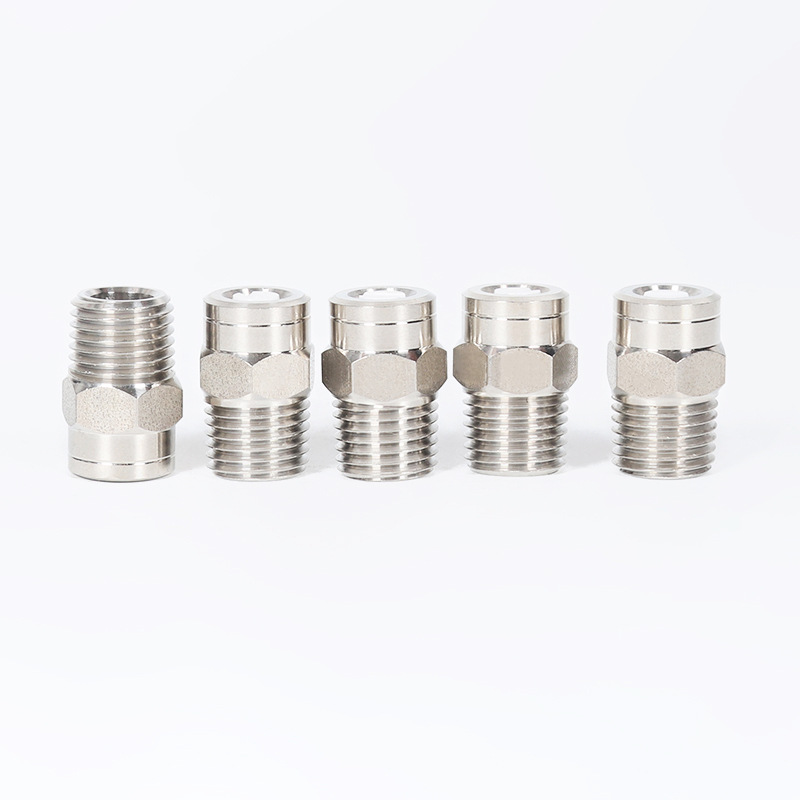
The thread standard of a pressure washer connector is one of the most critical compatibility factors. Using the wrong thread type results in a loose, leaking connection that can be dangerous and damaging.
- M22 Metric Thread: The most common pressure washer connector thread standard globally, M22 features a 22mm diameter with a fine 1.5mm pitch. M22 connectors include a sealing O-ring that compresses against the fitting face, forming a leak-proof seal. M22 is the standard for most European and commercial pressure washer equipment.
- NPT (National Pipe Thread): A tapered thread standard widely used in North American equipment. NPT connectors rely on interference between the male and female threads to form a seal, often requiring PTFE tape or thread sealant for leak prevention. NPT connectors are typically specified in 1/4-inch or 3/8-inch sizes.
- BSPP (British Standard Pipe Parallel): A parallel thread standard used in some pressure washing equipment. BSPP connectors require an O-ring seal at the face of the fitting to prevent leaks.
M22 and NPT connectors are not interchangeable. Attempting to connect an M22 pressure washer connector to an NPT fitting can result in cross-threading or leakage. Always verify the thread standard before making connections.
Quick-Connect Efficiency
A quick-connect pressure washer connector allows for fast accessory changes without tools. This reduces setup time and improves workflow efficiency in commercial cleaning operations.
Leak Prevention
High-quality pressure washer connectors feature dual O-ring seals or precision tapered threads that prevent leaks at high pressures. This improves performance and reduces water waste.
Materials and Durability
A pressure washer connector made from brass or stainless steel offers superior corrosion resistance and mechanical strength. Plated steel connectors may be used in lower-cost applications but are more susceptible to corrosion.
Pressure Washer Connector Materials: Brass vs. Steel vs. Stainless
The material composition of a pressure washer connector significantly affects its durability, corrosion resistance, and suitability for specific applications.
- Brass Pressure Washer Connectors: Brass is the most common material for pressure washer connector applications due to its excellent machinability, corrosion resistance, and affordability. Brass connectors are suitable for most consumer and commercial applications. However, brass is relatively soft and can be damaged by over-tightening or dropped impacts.
- Nickel-Plated Brass Connectors: Nickel-plated brass pressure washer connector offers enhanced corrosion resistance compared to unplated brass. The plating provides a smooth, wear-resistant surface that extends the connector's service life.
- Stainless Steel Connectors: Stainless steel pressure washer connector components offer the highest level of corrosion resistance and mechanical strength. They are essential for marine environments, chemical cleaning operations, and applications where high temperatures or aggressive chemicals are used.
- Plated Steel Connectors: Economical pressure washer connector options made from plated steel offer acceptable performance for low-cost residential equipment. However, the plating can wear or chip, exposing the steel to corrosion.
Pressure Washer Connector Sizing: Matching Flow Capacity
The internal diameter of a pressure washer connector affects the flow rate and pressure delivered to the cleaning nozzle. Undersized connectors create a restriction that reduces performance and increases the risk of damage.
- 1/4-inch Connectors: Suitable for low-flow machines up to 2.5 GPM. These connectors are commonly found on consumer-grade pressure washers. A 1/4-inch pressure washer connector may cause pressure loss at higher flow rates.
- 3/8-inch Connectors: The standard for commercial and industrial pressure washing equipment. A 3/8-inch pressure washer connector supports flow rates up to 5 GPM with minimal pressure loss, making it suitable for most professional applications.
- 1/2-inch Connectors: Used in heavy-duty applications requiring flow rates exceeding 5 GPM. A 1/2-inch pressure washer connector provides maximum flow capacity with minimal pressure drop.
Why Pressure Washer Connectors Fail and How to Prevent It
Understanding the common failure modes of a pressure washer connector helps in diagnosing and preventing premature failure.
- O-Ring Failure: The O-ring seal in a pressure washer connector is the most common failure point. O-rings degrade from chemical exposure, heat, and normal wear. Regular replacement of O-rings prevents leaks. Keep spare O-rings on hand for quick replacement.
- Thread Damage: Cross-threading or over-tightening damages the threads of a pressure washer connector. Thread damage may require replacement of both the connector and the equipment fitting. Always start connections by hand to avoid cross-threading.
- Corrosion: Exposure to moisture and chemicals causes corrosion of the pressure washer connector, especially on plated steel components. Corrosion weakens the connector and can lead to failure. Use brass or stainless steel connectors in corrosive environments.
- Connection Wear: The ball-lock mechanism in quick-connect pressure washer connector systems can wear over time. Worn connectors may not lock securely, risking sudden disconnection during use. Replace the connector when the locking mechanism shows signs of wear.
Safe Handling of Pressure Washer Connectors
Safety is paramount when working with pressure washer connector systems. The following practices should be observed:
- Pressure Relief: Before disconnecting any pressure washer connector, always relieve the system pressure by triggering the spray gun with the engine off.
- Visual Inspection: Inspect the pressure washer connector before each use. Look for cracks, corrosion, or damaged threads. A damaged connector is a safety hazard.
- Secure Connections: Ensure that all pressure washer connector connections are secure and leak-free before starting the machine.
- Wear Protection: Wear appropriate eye protection and gloves when working with pressure washing equipment. A disconnecting pressure washer connector under pressure can cause injury.
Critical insight for facility managers: The total cost of a pressure washer connector failure extends beyond the cost of the connector itself. A sudden disconnection or leak during operation can damage nearby equipment, cause injury, and result in costly downtime. Investing in high-quality connectors and regular maintenance reduces the total cost of ownership.
Building a Pressure Washer Connector Kit: What You Need
For high-value customers managing multiple pressure washers and accessories, a comprehensive pressure washer connector kit is essential for operational flexibility.
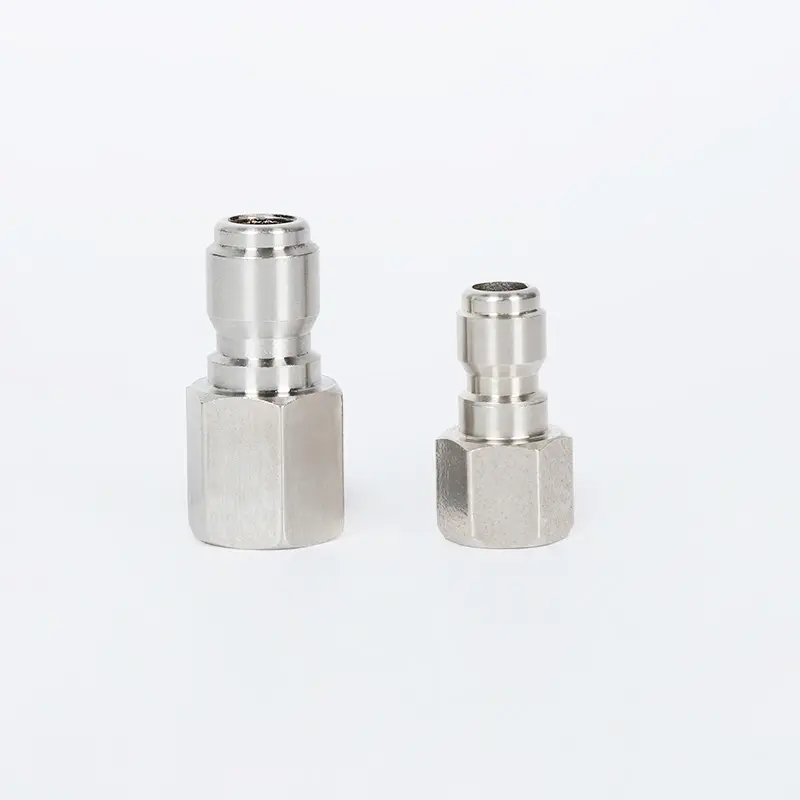
- Quick-Connect Sets: Standard quick-connect fittings for hose and gun connections ensure fast accessory changes. A typical set includes male and female connectors for hose and gun ends.
- Adapter Connectors: Adapters that convert between thread types (e.g., M22 to NPT) allow compatibility between different equipment brands.
- Spare O-Rings: A supply of replacement O-rings in various sizes is essential for quick repairs.
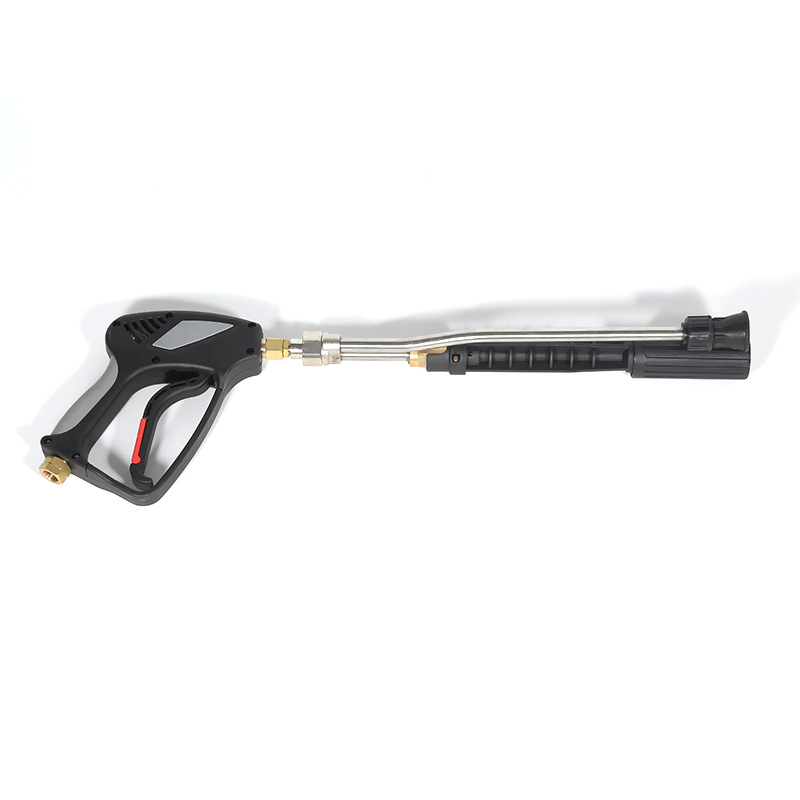
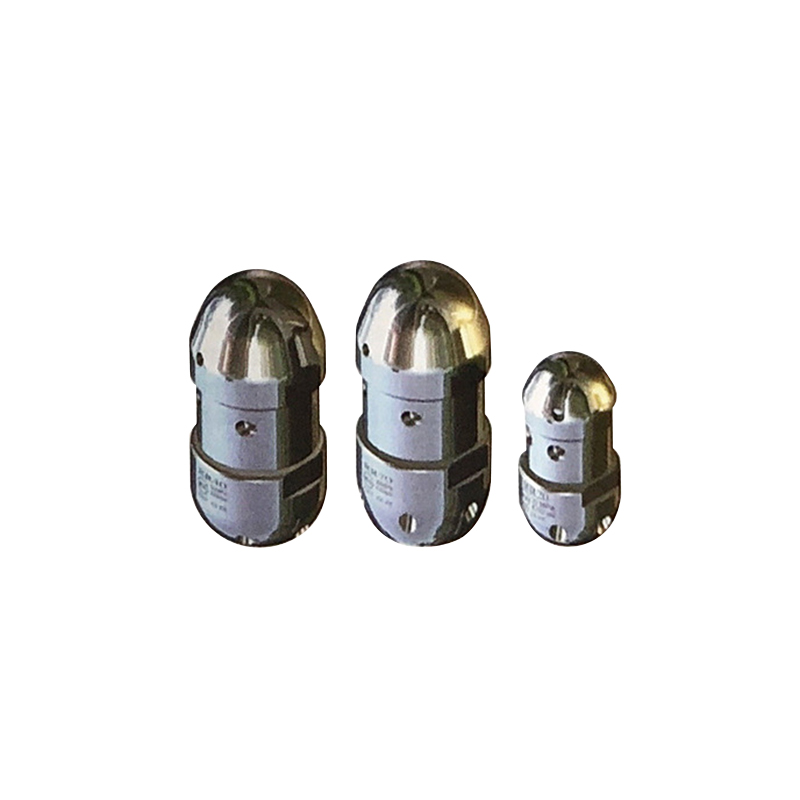
- Extension Wands and Nozzle Connectors: Include connectors for extension wands and quick-change nozzle systems.
Is a Premium Pressure Washer Connector Worth the Investment?
The decision to invest in premium pressure washer connector components involves weighing the initial cost against long-term reliability and performance.
Consider a commercial cleaning operation using 10 quick-connect fittings on each of 5 pressure washer units:
- Economy Connectors: $3.50 each. Annual replacement rate 50% due to wear and corrosion. Annual cost: 10 connectors x 5 units x 50% x $3.50 = $87.50.
- Premium Connectors: $9.00 each. Annual replacement rate 10%. Annual cost: 10 connectors x 5 units x 10% x $9.00 = $45.00.
The premium pressure washer connector saves $42.50 annually on replacement costs alone, while providing superior reliability and reducing downtime. Over a 5-year period, the savings exceed $200, with additional value from avoided downtime and improved safety.
Innovations in Pressure Washer Connector Design
The pressure washer connector market is evolving with new technologies that enhance performance, safety, and user experience.
- Zero-Leak Designs: Advanced pressure washer connector designs use dual O-ring seals and precision-machined metal surfaces to achieve zero-leak performance even at extreme pressures.
- Color-Coded Connectors: Color-coded pressure washer connector systems help prevent incorrect connections and improve workflow efficiency.
- Ergonomic Locking Mechanisms: Improved locking mechanisms on quick-connect pressure washer connector systems provide easier operation with gloves and reduced hand fatigue.