


 中文简体
中文简体

High Pressure Large Mouth White Foamer
Cat:Pressure Washer Foam Pot
The large diameter design is one of the outstanding features of the High-pressure large-mouth white foamer. This design allows this product to spray a...
See Details2026-07-09
The wand, the hose, and the pump can all be rated correctly — and a mismatched connector still blows the system apart.
A pressure washer connector doesn't look like a part that deserves much thought, until the wrong one turns a five-minute nozzle swap into a soaked, frustrating troubleshooting session. Every pressure washer relies on a chain of connectors — pump to hose, hose to wand, wand to nozzle — and each junction has to hold thousands of PSI without leaking, popping loose, or cross-threading under water hammer. The sections below compare the two dominant connector styles, the sizing standards that cause the most confusion, and how to actually match a connector to a specific machine.
Nearly all residential pressure washer connectors use either the M22 metric or 3/8-inch quick-connect sizing standard.
Rating commercial-grade brass connectors typically carry, well above the output of most consumer electric washers.
Roughly how long a properly seated quick-connect coupler takes to attach compared to threading a fitting by hand.
Connector style determines how fast accessories can be swapped and how forgiving the fitting is under vibration. Quick-connect couplers use a spring-loaded ball-and-collar mechanism that locks with a push and releases with a collar pull, while threaded fittings rely on matched male and female threads tightened by hand or wrench.
Neither style is universally "better" — a homeowner switching nozzles every few minutes benefits far more from quick-connect speed, while a contractor running a machine for eight hours straight often prefers the vibration resistance a threaded fitting provides.
| Material | Pressure Tolerance | Corrosion Resistance | Typical Use |
| Brass | High, commonly rated 3000–4000+ PSI | Good; resists rust in wet environments | Standard choice for most residential and commercial connectors |
| Stainless steel | Very high | Excellent, including saltwater exposure | Marine, coastal, or heavy commercial use |
| Reinforced plastic | Lower, often under 2000 PSI | Immune to metal corrosion, but UV-sensitive | Budget accessories, light-duty electric washers |
Plastic connectors aren't automatically a poor choice on a light-duty electric washer running well under 2000 PSI, but pairing plastic hardware with a gas-powered machine rated above its pressure tolerance is one of the more common ways a connector fails mid-job.
Sizing mismatches account for a large share of "my new connector doesn't fit" complaints, mostly because two visually similar fittings follow entirely different standards.
| Standard | Common On | Identifying Feature |
| M22 metric | Most gas and many electric pressure washers | 14mm or 15mm thread bore, often labeled M22-14 or M22-15 |
| 3/8-inch quick-connect | Common on hose reels, wands, and accessory kits | Standardized ball-lock diameter across most brands |
The safest way to avoid a mismatch is measuring the existing connector's thread diameter directly rather than assuming based on the machine's brand or power source, since M22 sizing itself splits further into 14mm and 15mm variants that look nearly identical at a glance.
Not every connector on a pressure washer system does the same job, and mixing up wand-end and hose-end hardware is a common source of leaks at the wrong junction.
| Location | Typical Fitting | Function |
| Pump outlet to hose | M22 threaded or quick-connect | Delivers pressurized water from the pump into the hose |
| Hose to wand | M22 or 3/8-inch quick-connect | Connects the flexible hose to the rigid spray wand |
| Wand to nozzle tip | Quick-connect nozzle coupler | Allows fast nozzle swaps for different spray patterns |
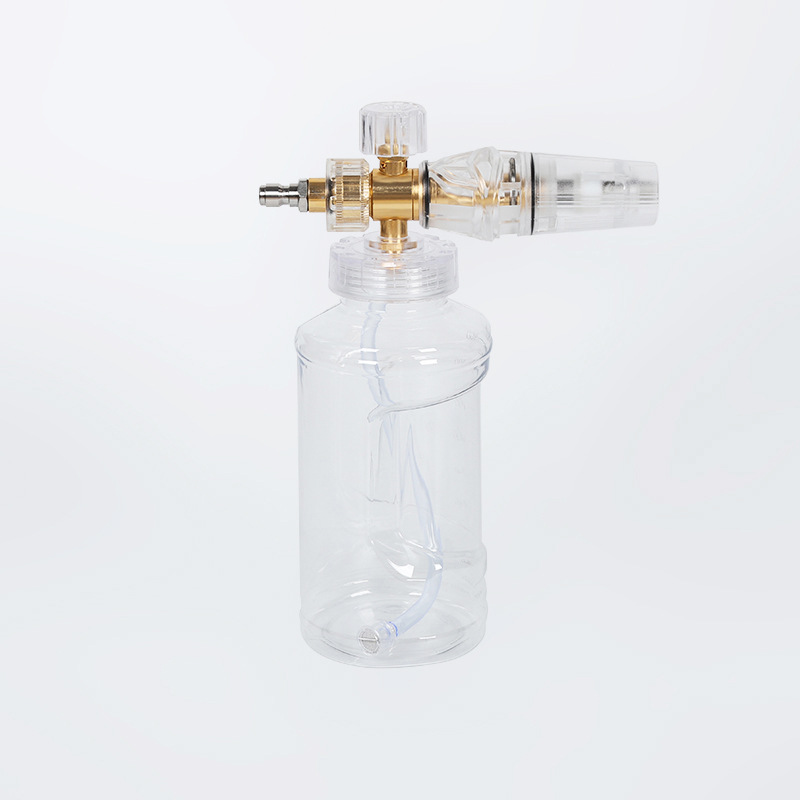
The large diameter design is one of the outstanding features of the High-pressure large-mouth white foamer. This design allows this product to spray a...
See Details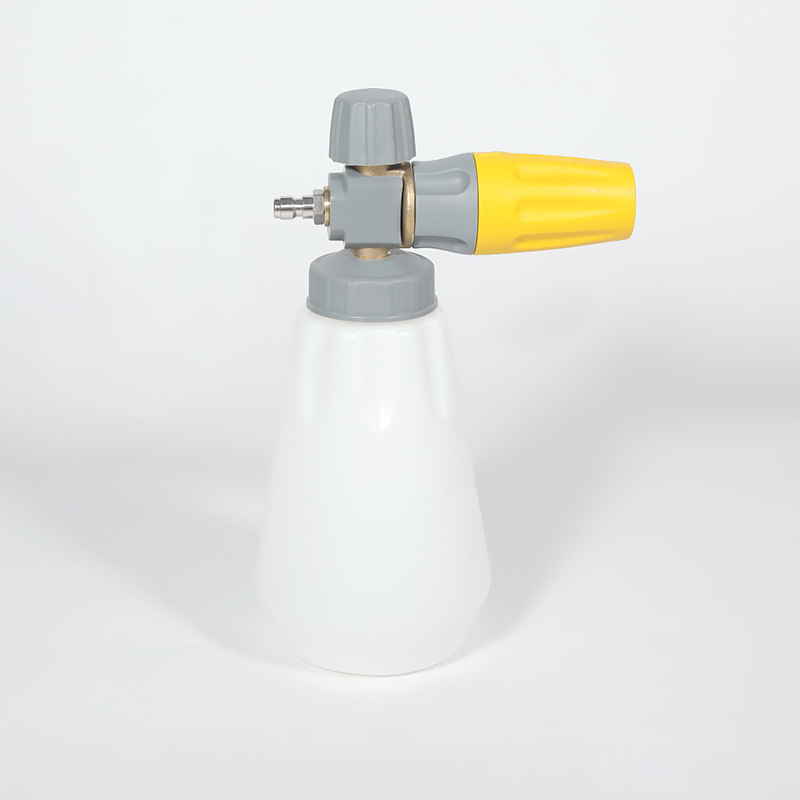
The reason why the High-pressure car wash water gun snow foam pot can spray high-density and more stable foam is because this product combines the foa...
See Details
The large mouth design of the High-pressure PA foam large mouth pot allows users to more easily inject detergent into the tank during use, and the pro...
See Details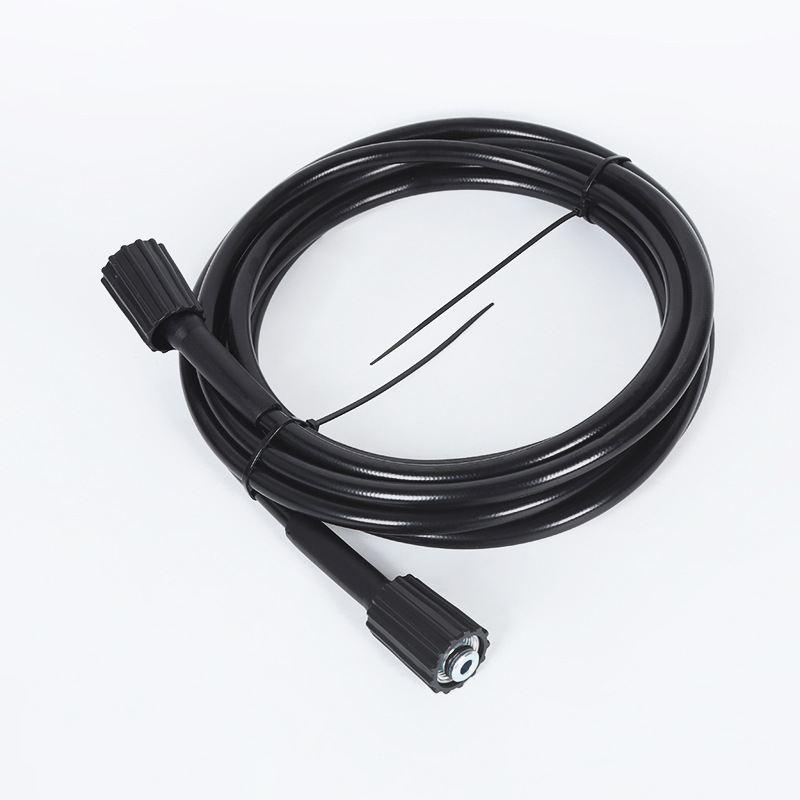
When not in use, the Cleaning machine adapter high-pressure hose can be easily rolled up for easy storage without taking up much storage space. This p...
See Details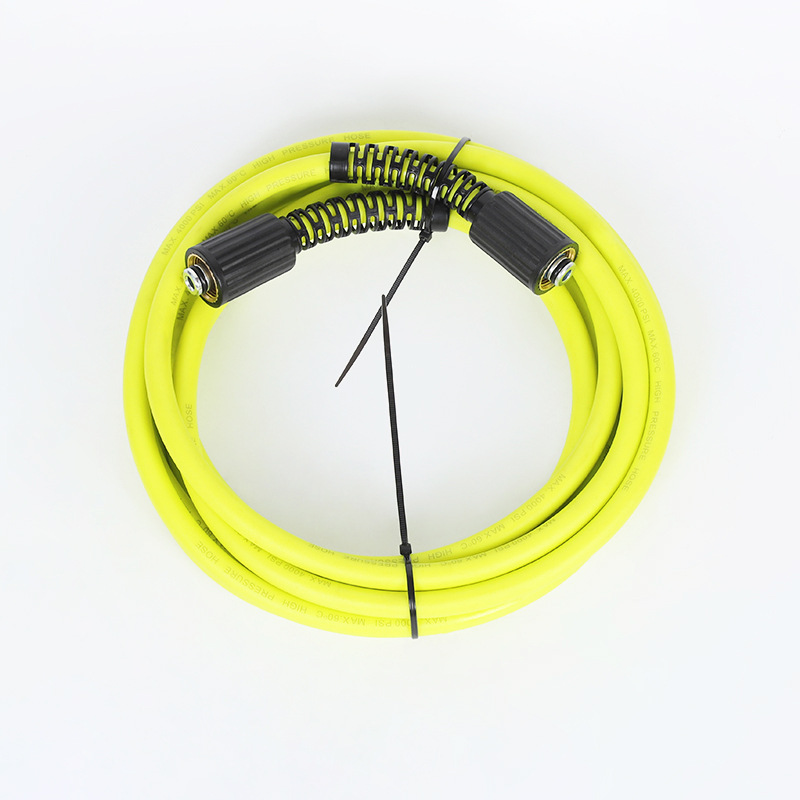
Household high-pressure cleaning machine wear-resistant braided water outlet hose is more suitable for home use. It is small in size and light in weig...
See Details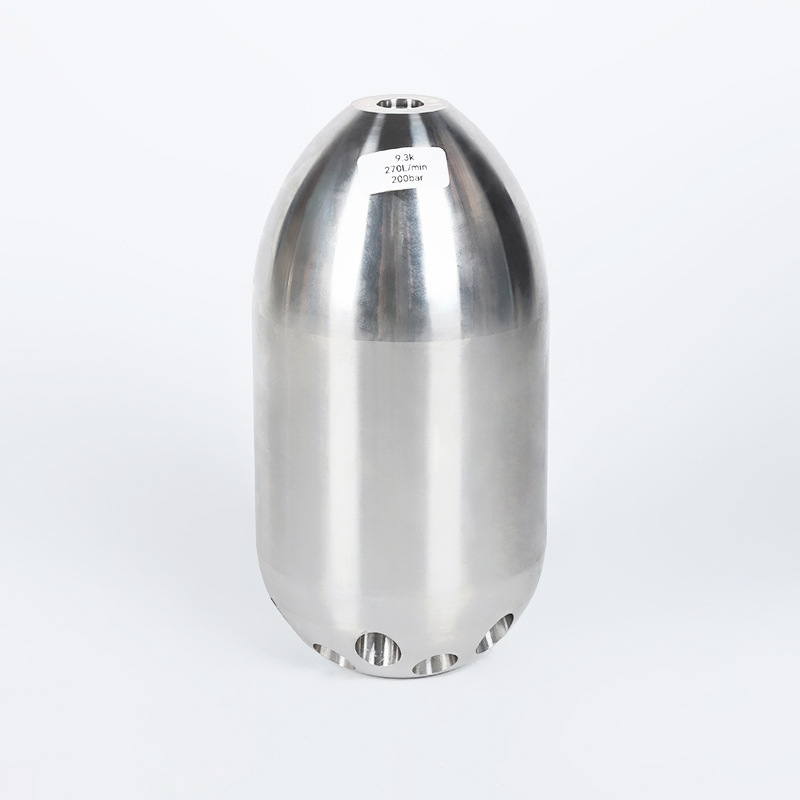
The water flow generated by the High-pressure nozzle for the sewage suction truck can quickly and powerfully flush dirt and blockages in the pipes, im...
See Details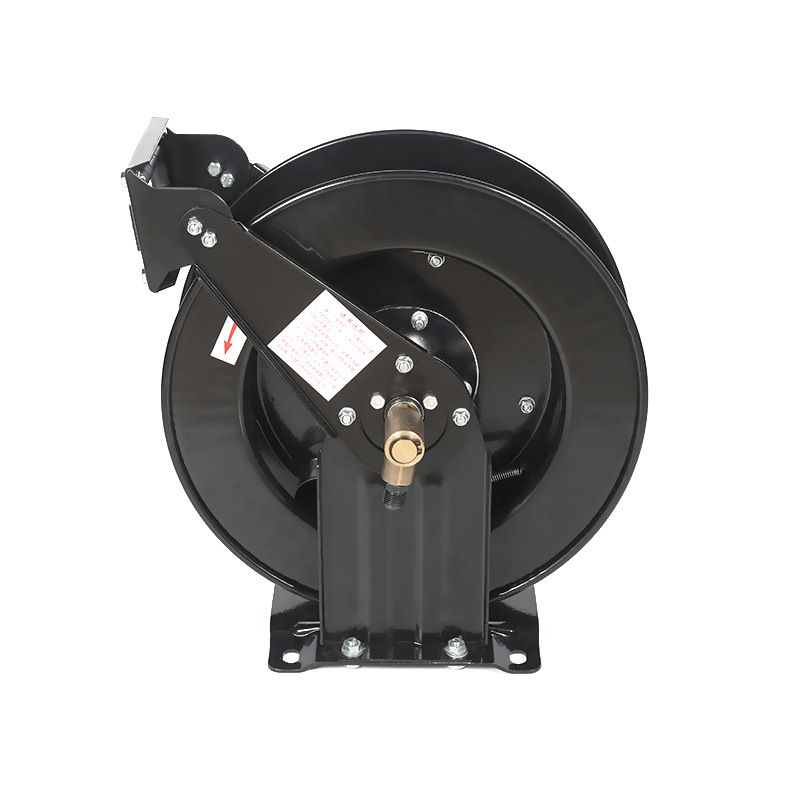
High-pressure drum water reel drum cleaning machine high-pressure hose can effectively store the high-pressure water gun, keep the water gun cables cl...
See Details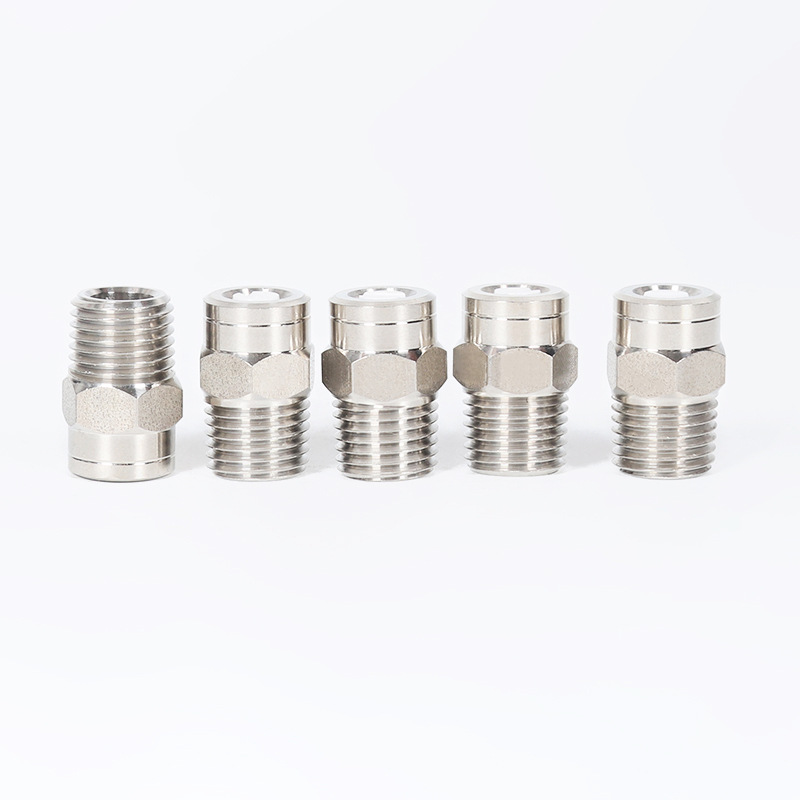
Flushing dust cone atomizing nozzle can provide high-pressure water flow, which can effectively flush dust and dirt, and the cleaning effect is remark...
See Details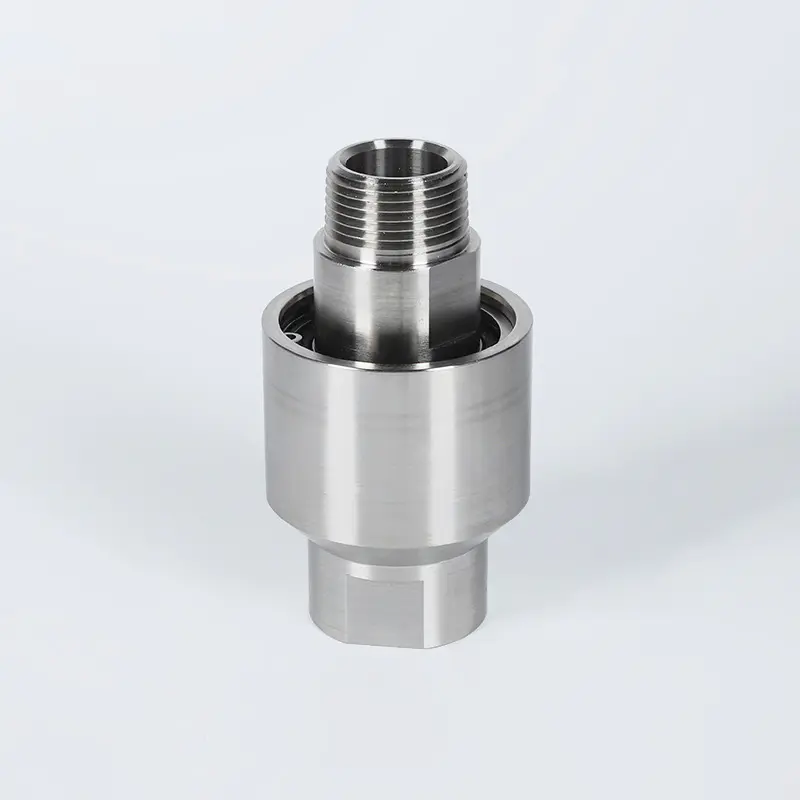
The hydraulic rotary joint 360-degree universal rotary joint can achieve a full range of rotation in both horizontal and vertical directions. It is ma...
See Details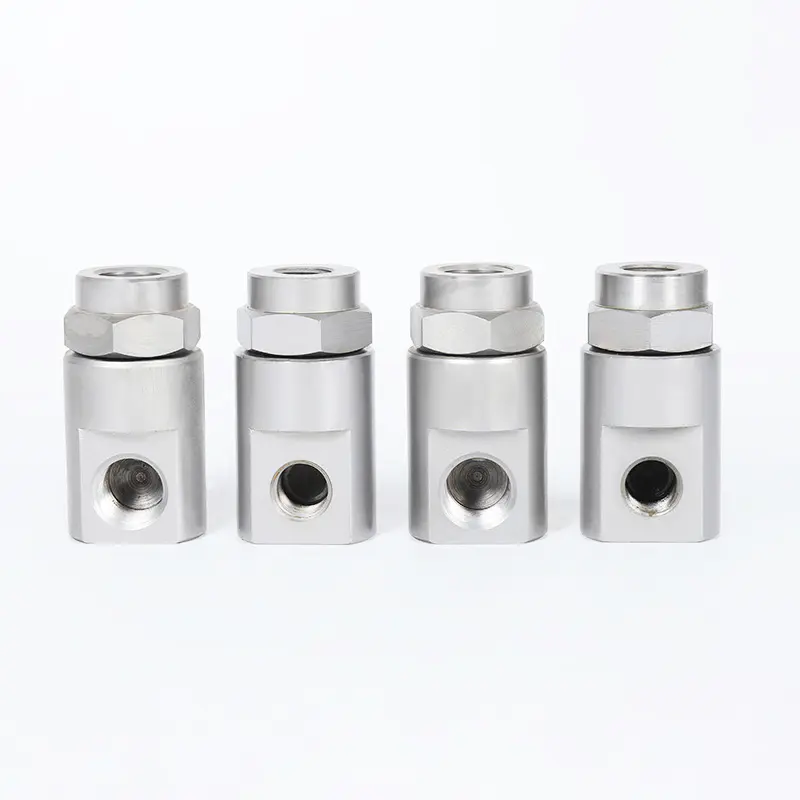
High pressure stainless steel rotary joint is a device used to transfer media in high-pressure liquid systems. The rotary joint can realize the transm...
See DetailsCopyright © Yuyao Fuhua Machinery Equipment Co., Ltd. Rights Reserved.
Wholesale High Pressure Cleaning Tools/Accessories Manufacturers


