Understanding Pressure Washer Connectors
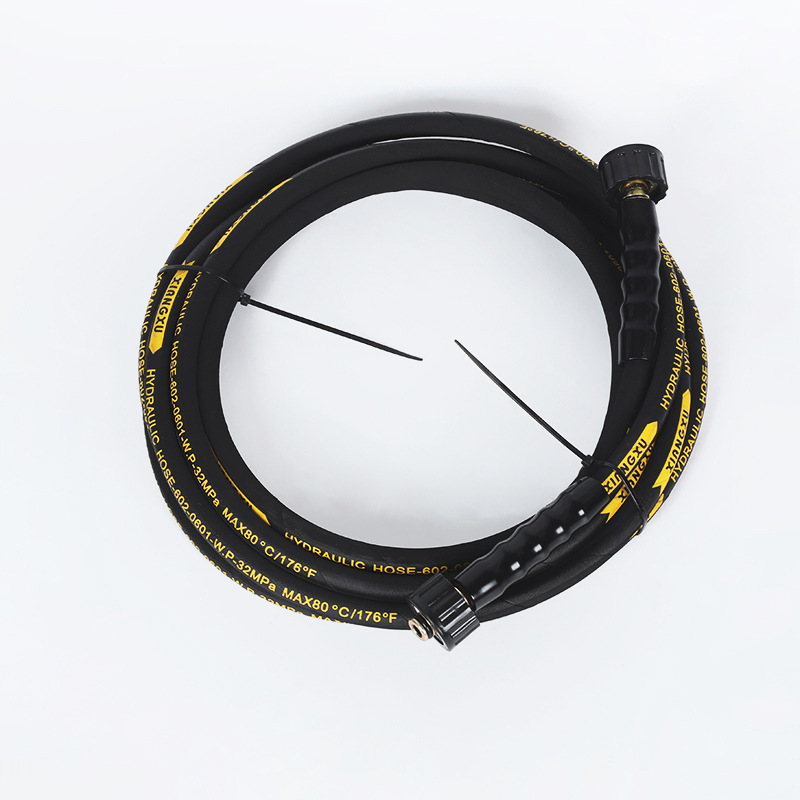
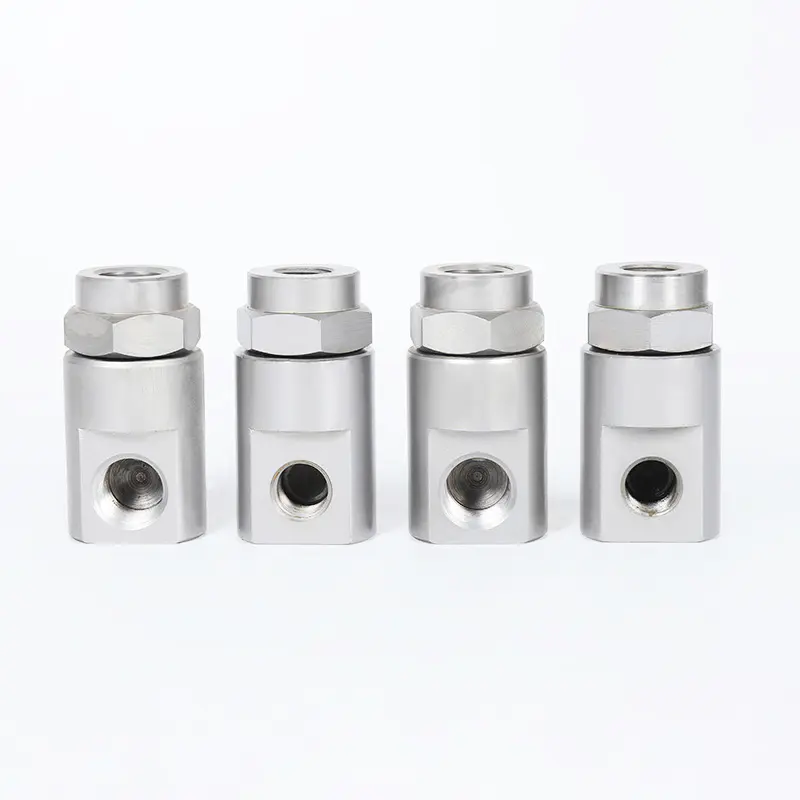
A pressure washer connector is a critical component that ensures secure and leak-free connections between the pressure washer hose, spray gun, and various nozzles or attachments. Choosing the right connector is essential for maintaining optimal water pressure and preventing damage to the equipment.
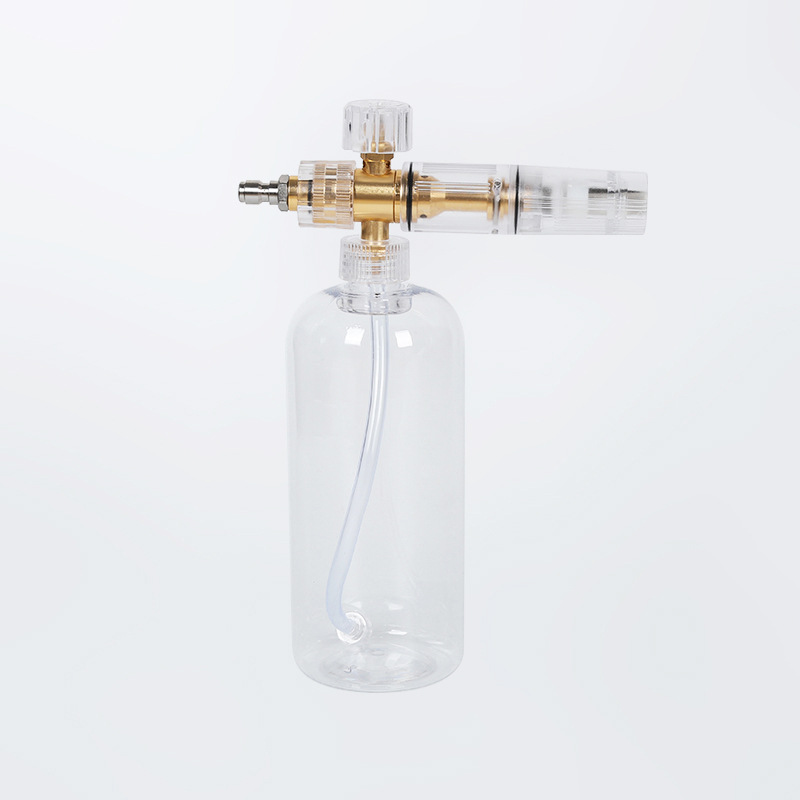
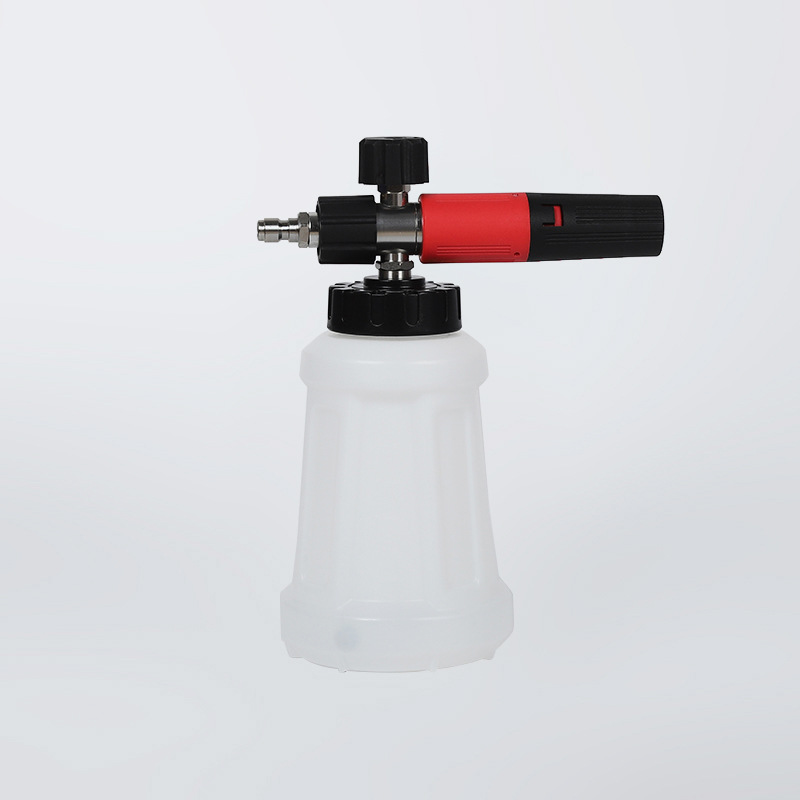
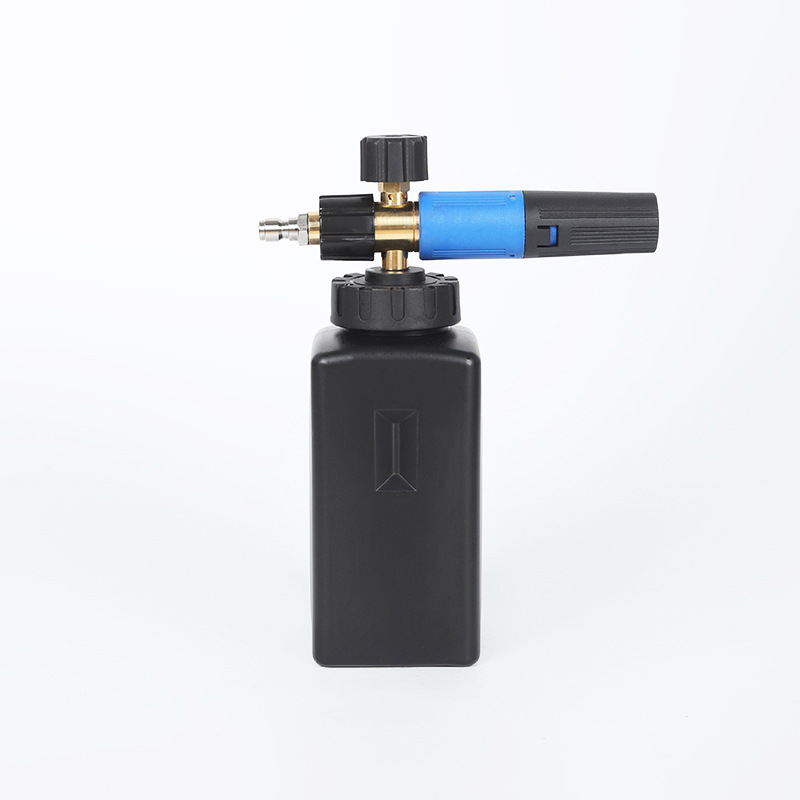
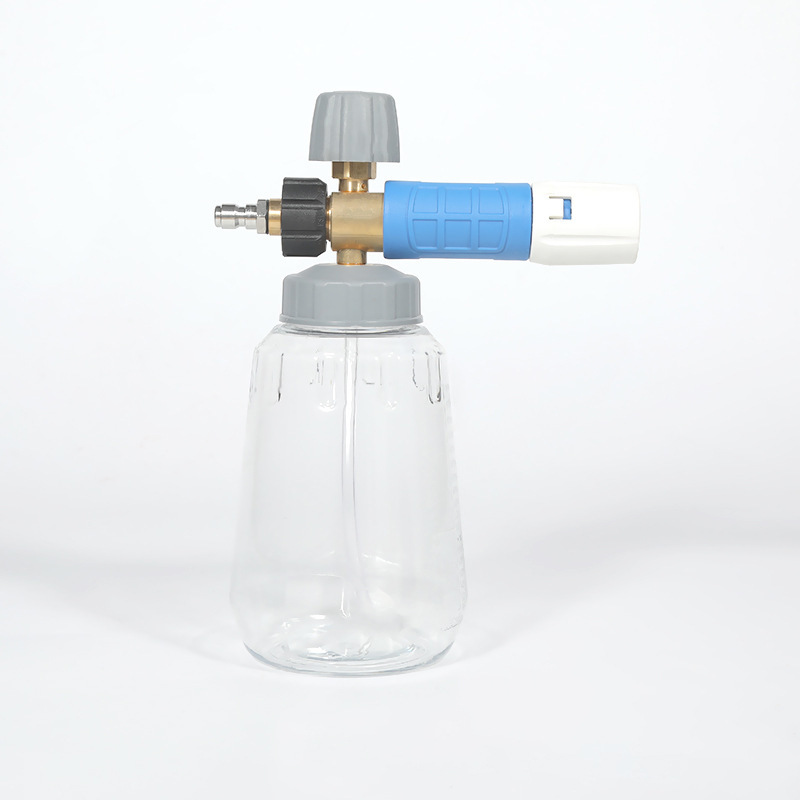
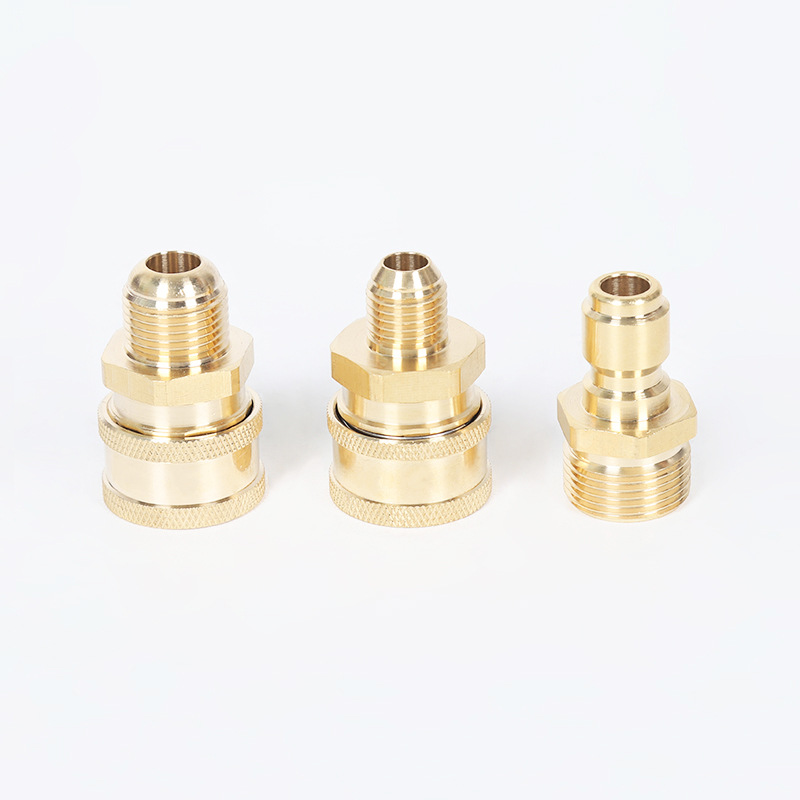
Connectors come in various designs and materials. Brass and stainless steel connectors are favored for durability, while plastic connectors are lightweight and resistant to corrosion but may wear faster under high pressure.
Types of Pressure Washer Connectors
Quick-Connect Fittings
Quick-connect fittings allow fast attachment and detachment of hoses and accessories without the need for tools. They are widely used in home and commercial pressure washers due to their convenience.
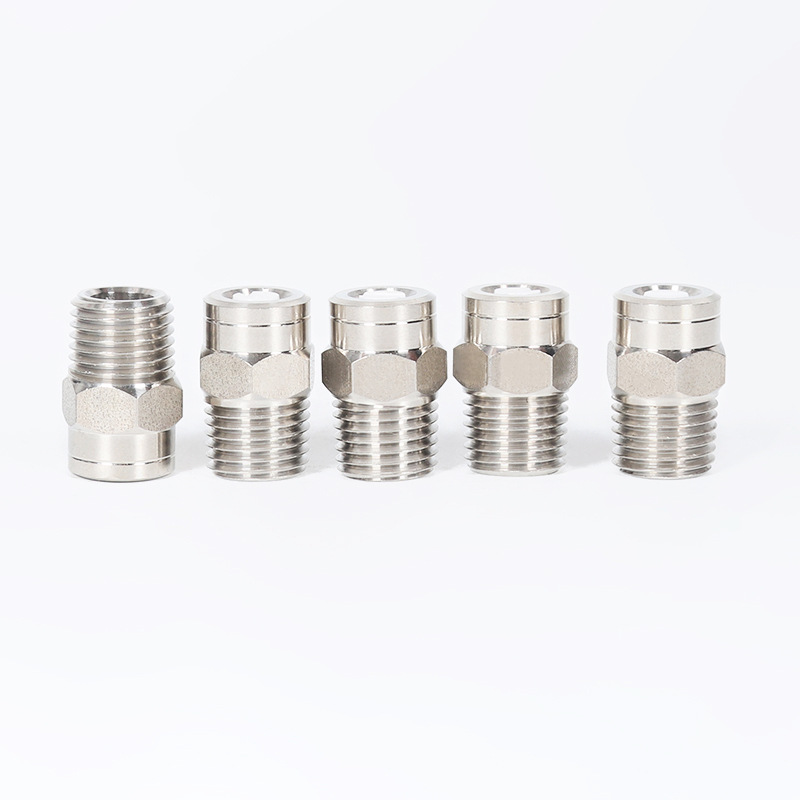
Threaded Connectors
Threaded connectors require screwing the components together, providing a secure seal capable of handling higher pressure. They are typically used in industrial-grade equipment.
Adapter Connectors
Adapter connectors bridge compatibility gaps between different hose sizes or connector types. For example, a 1/4-inch hose may need an adapter to fit a 3/8-inch spray gun.
Materials and Durability Considerations
Material selection significantly impacts connector longevity and performance. Common materials include:
- Brass – Highly durable, corrosion-resistant, and ideal for high-pressure applications.
- Stainless Steel – Offers excellent strength and chemical resistance but is more expensive.
- Plastic/Nylon – Lightweight, corrosion-resistant, and cost-effective, suitable for lower-pressure use.
For example, a brass quick-connect fitting rated at 3000 PSI can last over 5 years with regular use, while a plastic connector under similar conditions may fail within 1–2 years.
Installation Guide for Pressure Washer Connectors
Step 1: Preparing the Components
Before installation, ensure all hoses, nozzles, and connectors are clean and free from debris. Inspect the O-rings and replace any damaged ones to maintain a leak-free seal.
Step 2: Attaching Quick-Connect Fittings
Push the male end of the connector into the female socket until it clicks. Ensure the connection is secure by gently pulling the hose. For high-pressure applications, verify the connection under low water pressure first.
Step 3: Installing Threaded Connectors
Wrap the threaded connector with PTFE tape to prevent leaks. Screw the connector tightly, but avoid over-tightening, which may damage the threads.
Step 4: Using Adapters
Insert the adapter between incompatible connectors, ensuring each connection point is fully seated. Verify water flow and pressure before full operation.
Maintenance Tips for Longevity
Regular maintenance prevents leaks, prolongs connector life, and ensures safety. Key tips include:
- Inspect connectors before each use for cracks, corrosion, or worn O-rings.
- Lubricate O-rings with silicone grease to maintain flexibility and prevent drying out.
- Store connectors and hoses in a dry, shaded area to avoid UV and moisture damage.
- Replace damaged connectors immediately to avoid pressure loss or accidents.
Choosing the Right Connector for Your Application
Selecting the correct connector depends on pressure rating, material, and compatibility with existing equipment. For example:
| Connector Type |
Material |
Pressure Rating |
Best Use |
| Quick-Connect |
Brass/Plastic |
Up to 3000 PSI |
Home & commercial cleaning |
| Threaded |
Brass/Stainless Steel |
Up to 5000 PSI |
Industrial & high-pressure tasks |
| Adapter |
Brass/Plastic |
Varies |
Compatibility between different fittings |
Table comparing different pressure washer connector types, materials, and best uses
Safety Considerations
Incorrectly installed or damaged connectors can lead to sudden hose disconnection, water leaks, or injury. Always follow these safety measures:
- Ensure all connections are properly seated and locked.
- Wear safety goggles and gloves during operation.
- Do not exceed the pressure rating of any connector.
- Inspect connectors regularly for wear, corrosion, or cracks.
Enhancing Performance with the Right Accessories
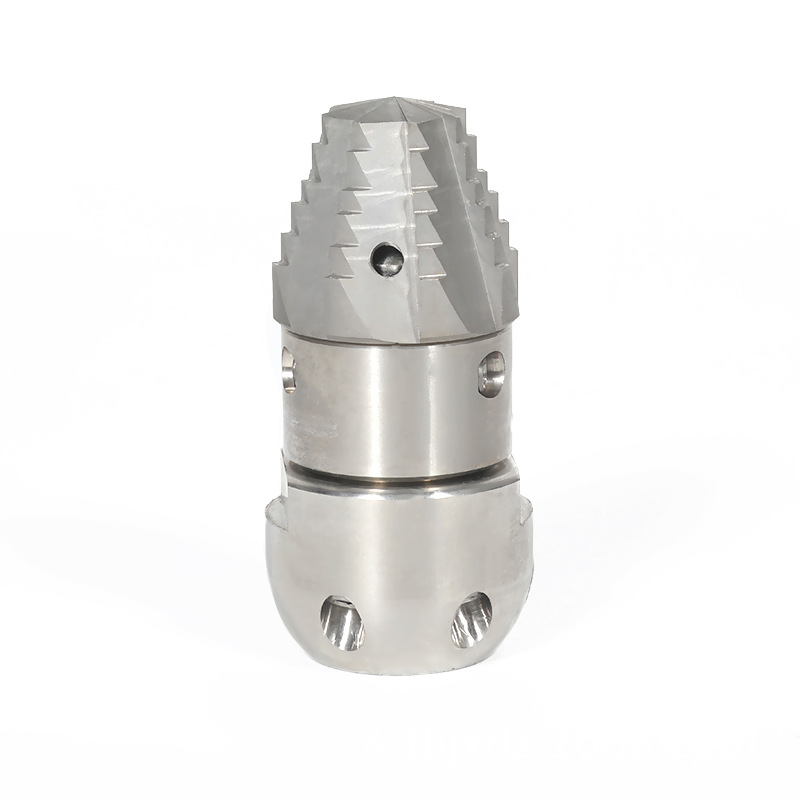
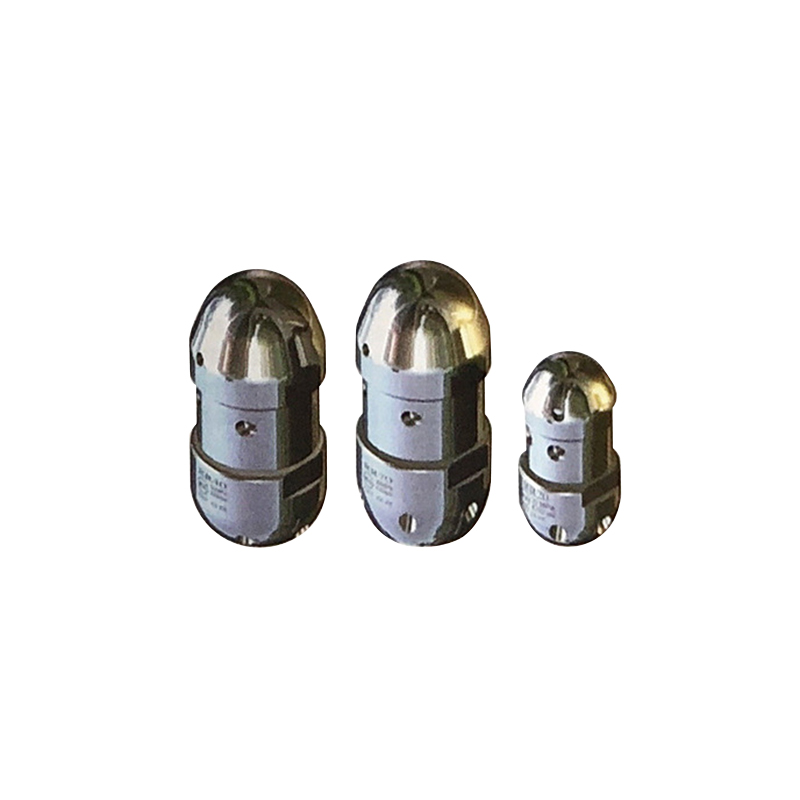
Pressure washer connectors are often paired with accessories such as extension hoses, surface cleaners, and turbo nozzles. Choosing compatible connectors ensures:
- Maximum water pressure delivery
- Leak-free operation
- Quick setup and teardown
- Extended equipment life by reducing strain on fittings



 中文简体
中文简体