


 中文简体
中文简体

High Pressure Large Mouth White Foamer
Cat:Pressure Washer Foam Pot
The large diameter design is one of the outstanding features of the High-pressure large-mouth white foamer. This design allows this product to spray a...
See Details2025-12-11
High-pressure surface washers are designed to prevent water or cleaning fluid from flowing back into the system, protecting both the equipment and the water supply. Anti-backflow mechanisms are typically implemented through check valves or one-way valves that allow water to flow in a single direction while blocking reverse flow. This design prevents contamination of the water source, reduces the risk of damage to pumps and hoses, and ensures consistent pressure during operation. In industrial or commercial cleaning applications, anti-backflow features are particularly important to maintain hygiene and equipment reliability, minimizing downtime and operational risks.
Operating high-pressure surface washers without safeguards can lead to overpressure situations that may damage the equipment or pose safety hazards. Overpressure devices, such as pressure relief valves or regulators, are integrated into the system to manage excessive pressure. These devices automatically release pressure when it exceeds a predetermined threshold, preventing damage to the pump, hoses, or surface washer components. Overpressure protection ensures stable and reliable operation, particularly when dealing with fluctuating supply pressures or high-demand cleaning scenarios. By maintaining optimal pressure, the system can function efficiently and safely under various conditions.
Safety lock devices are incorporated into high-pressure surface washers to prevent accidental operation or unintended disconnection of components. These mechanisms can include trigger locks, hose locking fittings, or interlocking systems that secure nozzles and attachments. Safety locks reduce the risk of accidental water discharge, which could cause injury or damage to surfaces. They also prevent hose detachment under high pressure, maintaining operational stability. By combining mechanical locks with ergonomic designs, high-pressure surface washers provide users with enhanced control and safety during both commercial and residential cleaning tasks.
| Feature | Description | Benefit |
|---|---|---|
| Anti-Backflow | Check valves or one-way valves prevent reverse flow | Protects water supply and equipment from contamination or damage |
| Overpressure Protection | Pressure relief valves or regulators release excess pressure | Prevents damage to system components and maintains stable operation |
| Safety Lock | Trigger locks or interlocking fittings prevent accidental operation | Enhances user safety and prevents accidental water discharge |
Manufacturers of high-pressure surface washers integrate anti-backflow, overpressure, and safety lock devices into the system to provide comprehensive protection. The placement of these features is carefully designed to ensure that the washer operates efficiently without interference. For example, anti-backflow valves are often positioned near the pump or inlet to prevent reverse flow immediately at the source. Overpressure valves are typically installed in the pump or hose assembly to release excess pressure before it reaches sensitive components. Safety locks are integrated with user interfaces such as triggers or couplings, providing intuitive control while enhancing protection.
The materials used in high-pressure surface washers significantly affect the performance of anti-backflow, overpressure, and safety lock mechanisms. Valves and locks are commonly made from corrosion-resistant metals, high-strength plastics, or composite materials to withstand high pressure and exposure to water or cleaning chemicals. Durable materials reduce wear and ensure consistent operation over time. The selection of robust materials contributes to long-term reliability, particularly in environments where frequent or continuous operation occurs, such as commercial cleaning facilities or industrial maintenance areas.
Proper maintenance and inspection are critical to ensure the continued effectiveness of safety features in high-pressure surface washers. Anti-backflow valves should be regularly checked for debris or buildup that may compromise function. Pressure relief valves require periodic testing to confirm they release pressure at the correct threshold. Safety locks should be inspected for wear or damage to ensure they engage securely. Following manufacturer-recommended maintenance schedules helps preserve the protective features and extends the lifespan of the equipment while maintaining operational safety and efficiency.
High-pressure surface washers with anti-backflow, overpressure, and safety lock features are suitable for a variety of applications, including industrial cleaning, commercial facility maintenance, and large-scale outdoor cleaning projects. The inclusion of these safety mechanisms ensures that the equipment can handle demanding cleaning tasks while minimizing the risk of injury, equipment damage, or operational interruptions. Users can confidently operate washers in high-pressure environments knowing that the system has multiple layers of protection to prevent accidents and maintain performance.
| Environment | Recommended Features |
|---|---|
| Commercial Cleaning | Anti-backflow valves, overpressure relief, safety lock triggers |
| Industrial Facilities | High-strength anti-backflow valves, adjustable pressure relief, hose locks |
| Residential Outdoor Cleaning | Trigger safety locks, moderate overpressure protection, anti-backflow at inlet |
| Food and Beverage Processing | Corrosion-resistant anti-backflow, calibrated overpressure relief, lockable spray guns |
The integration of anti-backflow, overpressure, and safety lock devices in high-pressure surface washers provides comprehensive protection for both the equipment and the user. By preventing reverse flow, regulating excessive pressure, and securing operational components, these washers maintain stable performance across different cleaning tasks and environments. Proper selection, material consideration, and maintenance practices ensure that the system continues to function safely and reliably, making high-pressure surface washers a practical solution for demanding cleaning applications.
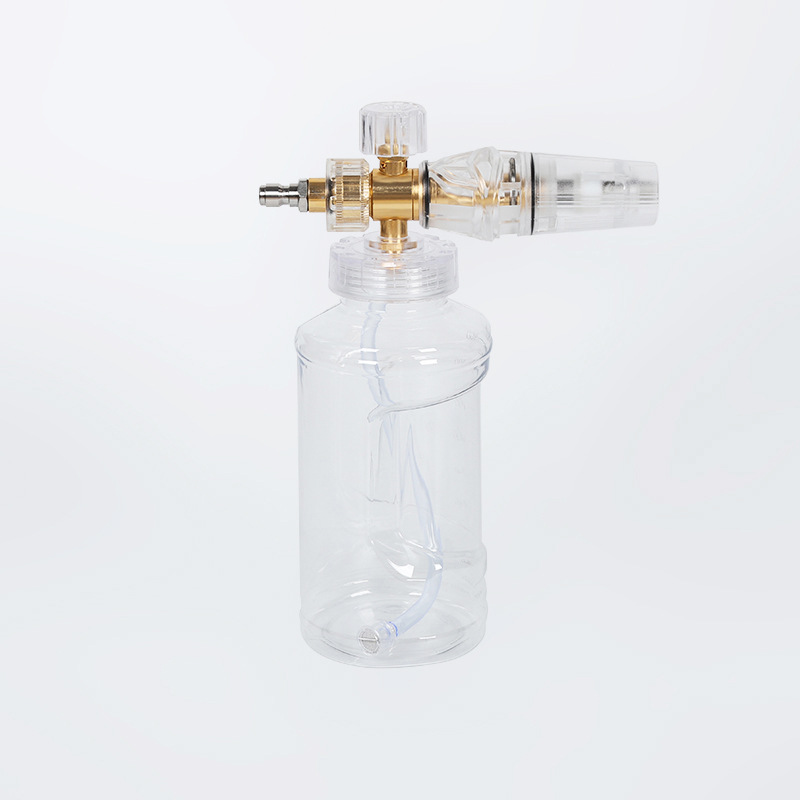
The large diameter design is one of the outstanding features of the High-pressure large-mouth white foamer. This design allows this product to spray a...
See Details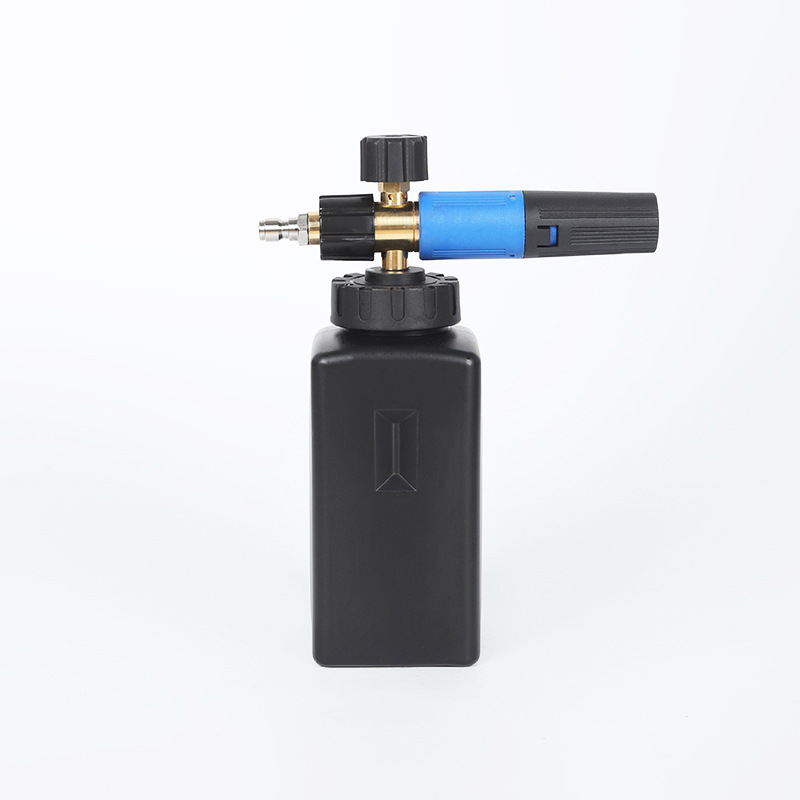
Handheld design, easy to use, and easy to carry.Equipped with a high-pressure pump to pressurize the cleaning agent and spray foam easily during use, ...
See Details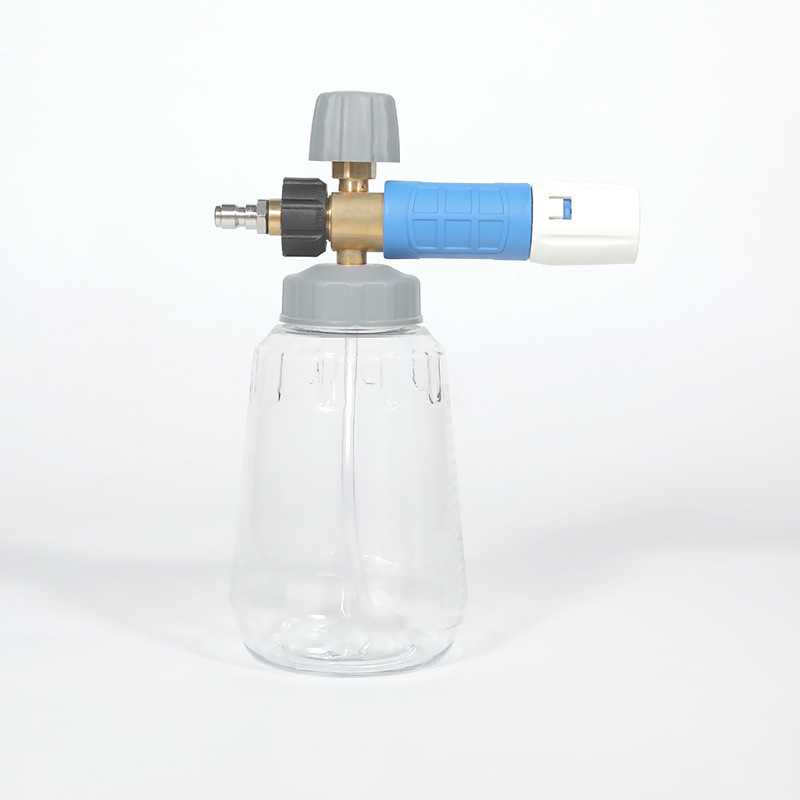
Commercial high-pressure transparent car wash PA pot large mouth foam pot uses high-quality materials with high-pressure resistance and can withstand ...
See Details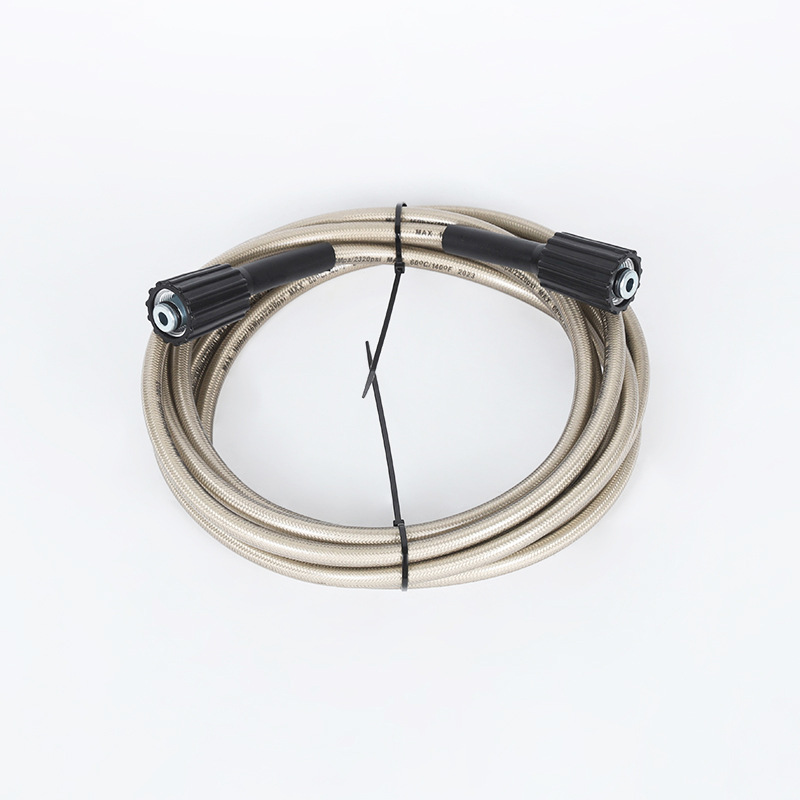
Household portable high-pressure car washing machine water pipe is equipped with connectors at both ends, which can easily connect to various cleaning...
See Details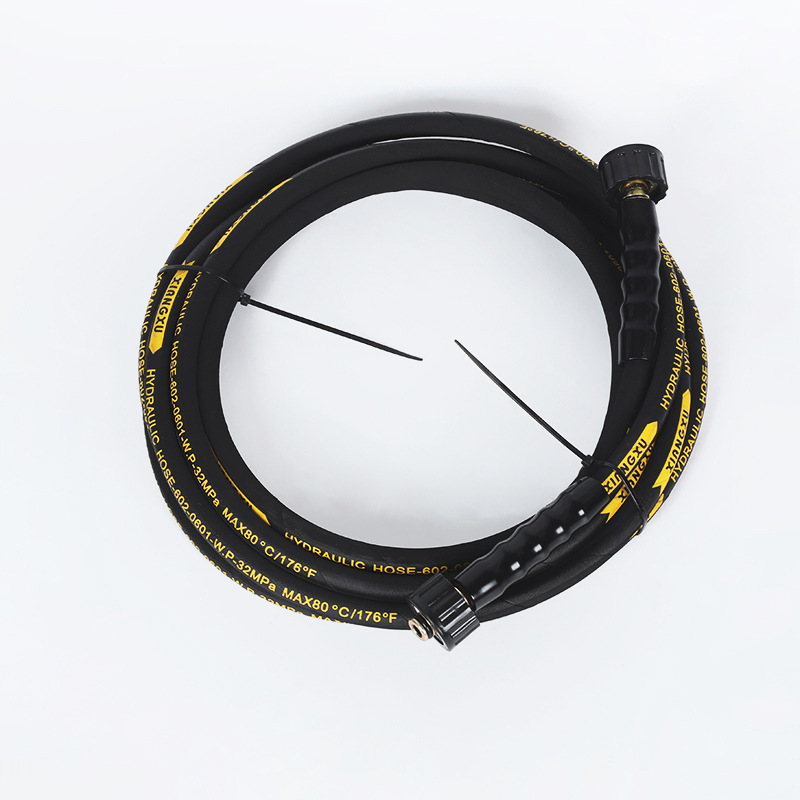
Household water outlet hose suitable for high-pressure water guns is one of the essential tools for household cleaning. This hose can be used with a h...
See Details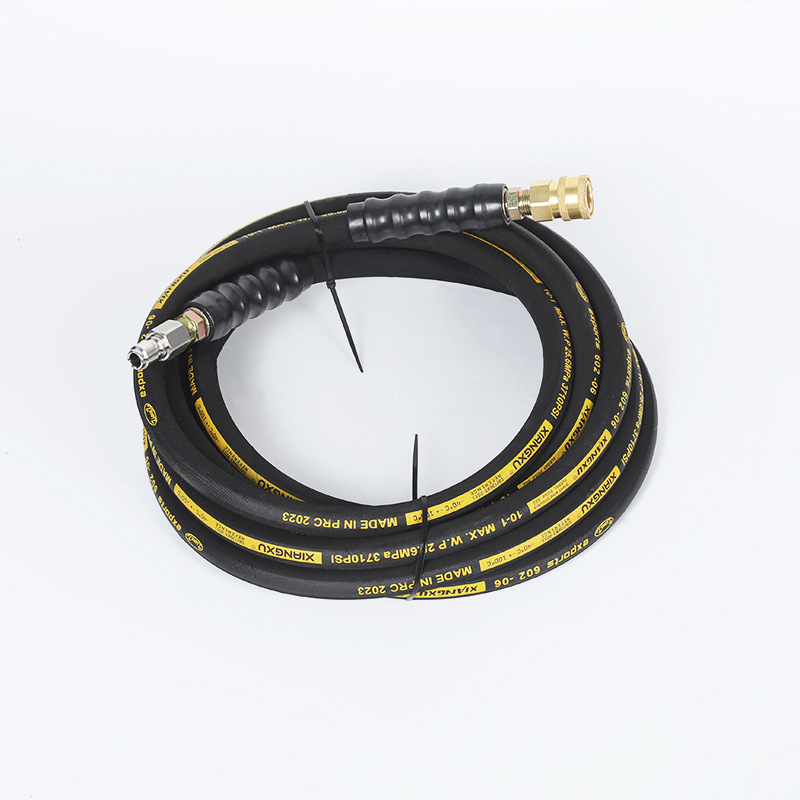
Garden watering high-pressure hose is more suitable for garden irrigation. The high-pressure water flow can fully cover the range of green plants you ...
See Details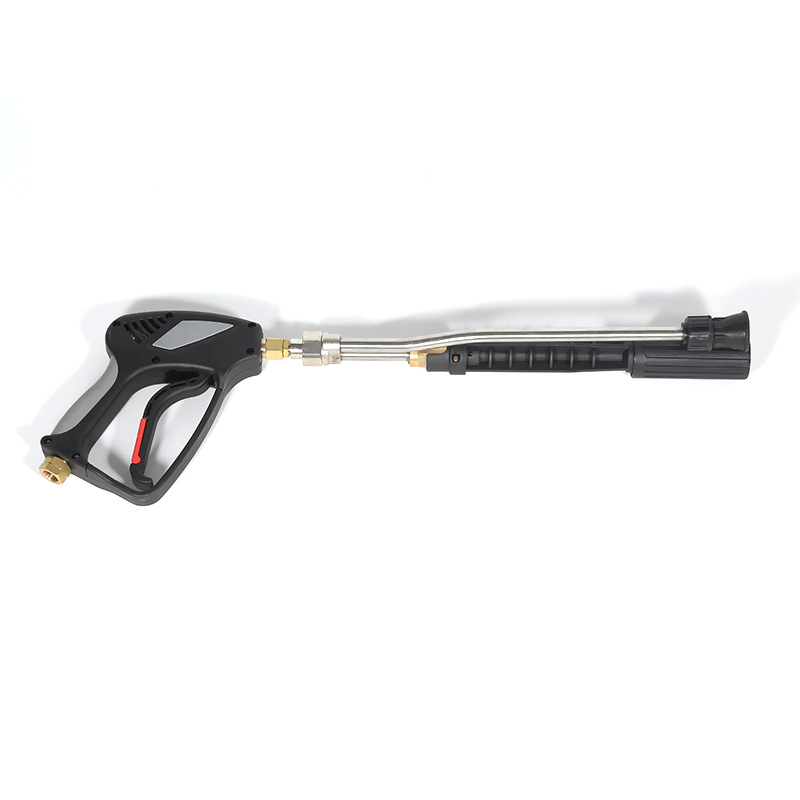
Household high-pressure boosted long pole nozzle brush car high-pressure water gun's long pole design allows users to easily spray water to high or di...
See Details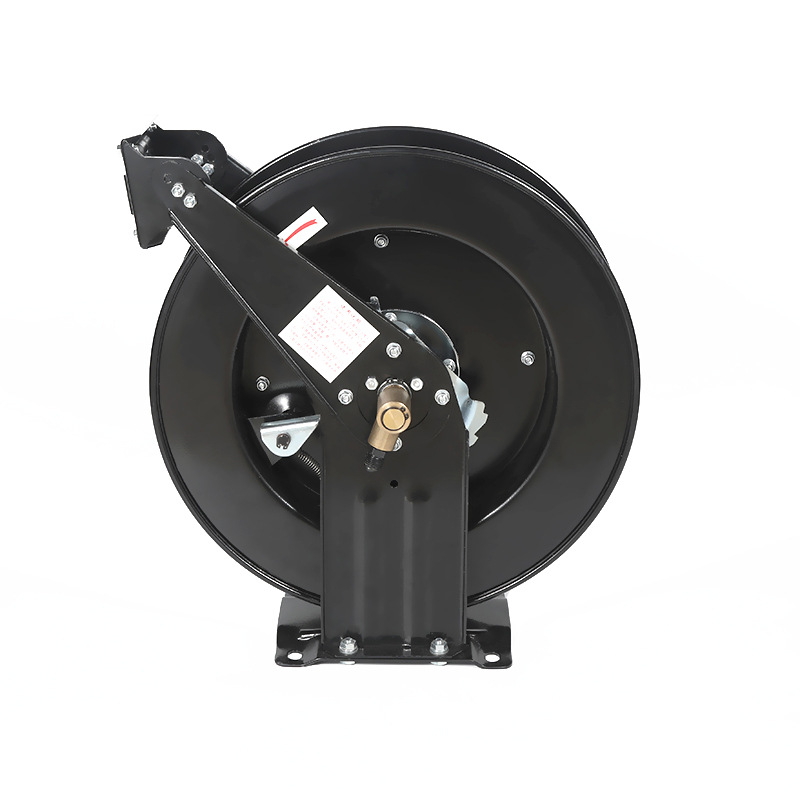
Industrial high-pressure automatic shrink tube reel has an automatic shrinking function and can automatically retract the water gun cable, making the ...
See Details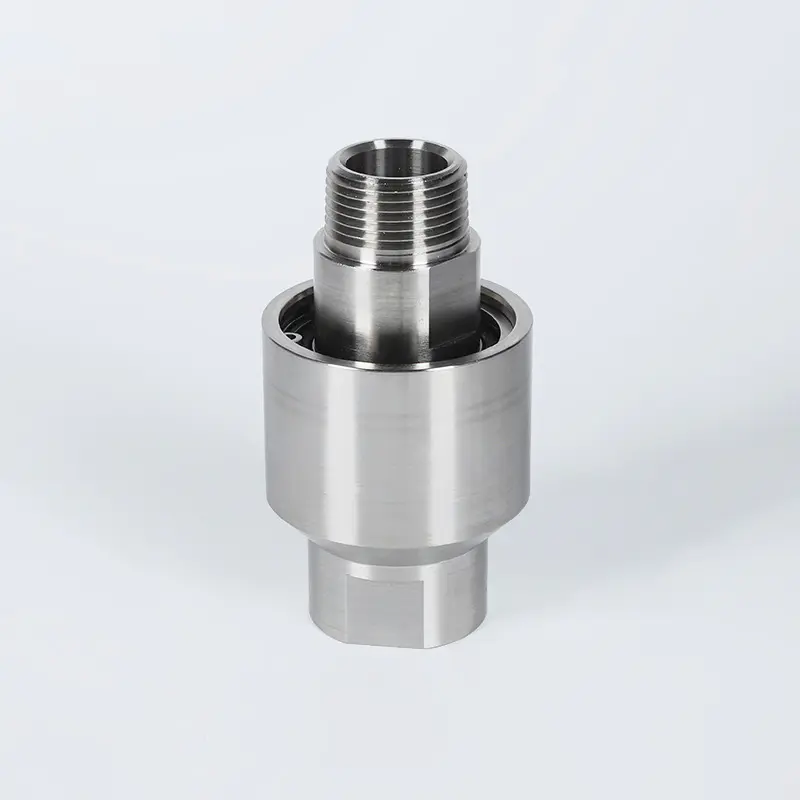
The hydraulic rotary joint 360-degree universal rotary joint can achieve a full range of rotation in both horizontal and vertical directions. It is ma...
See Details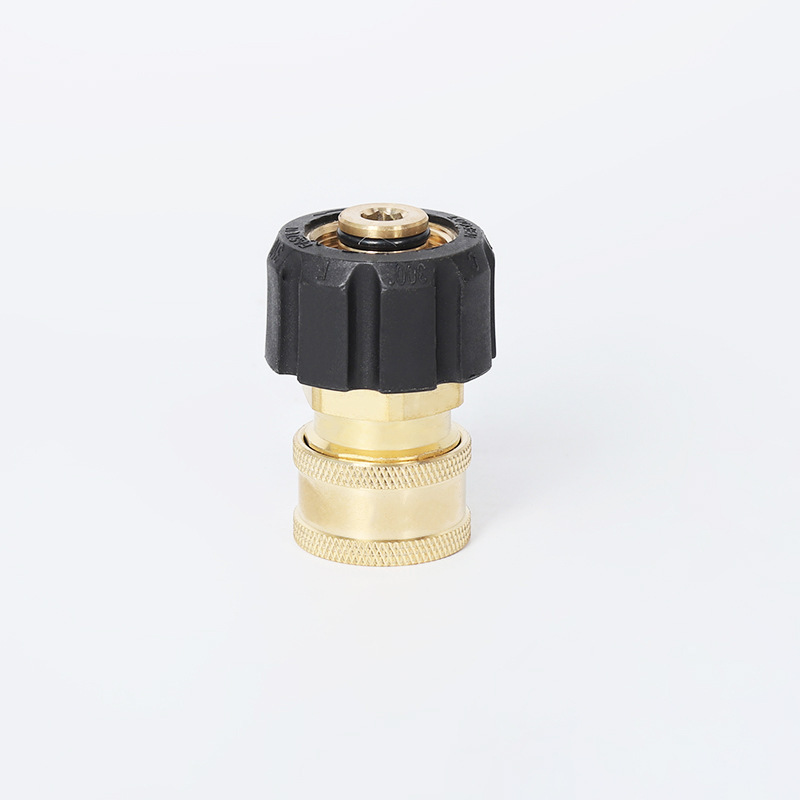
The Pressure washer black hat female quick connector has good pressure resistance and can withstand the high-pressure water flow generated by the high...
See DetailsCopyright © Yuyao Fuhua Machinery Equipment Co., Ltd. Rights Reserved.
Wholesale High Pressure Cleaning Tools/Accessories Manufacturers


