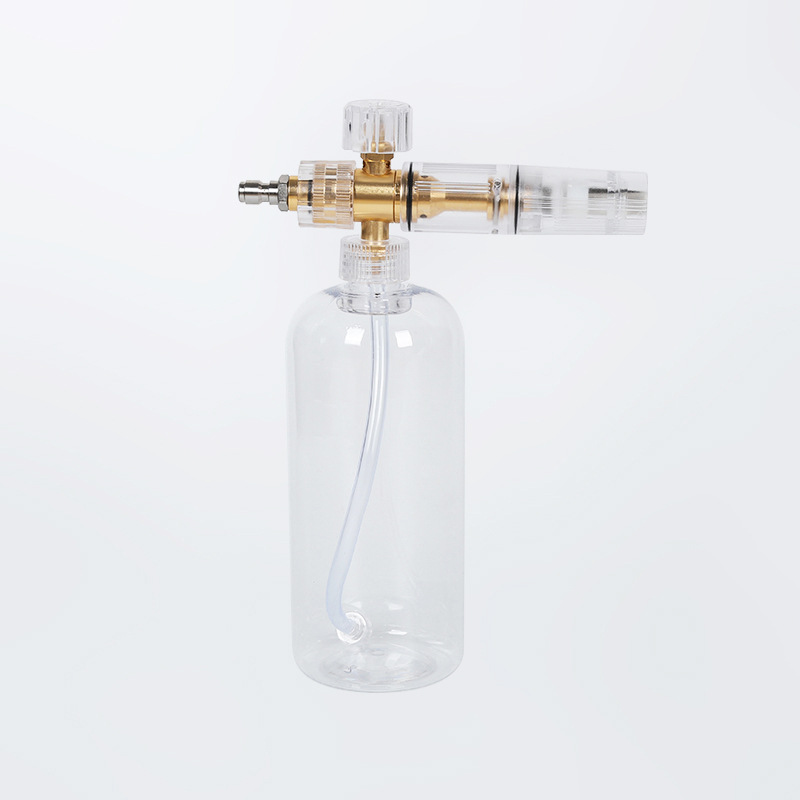
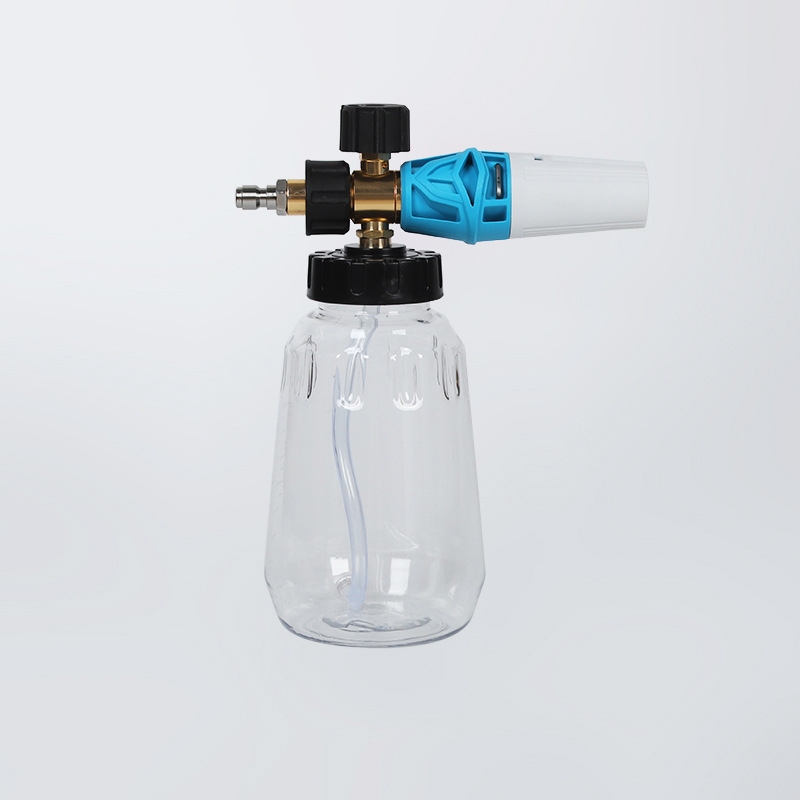
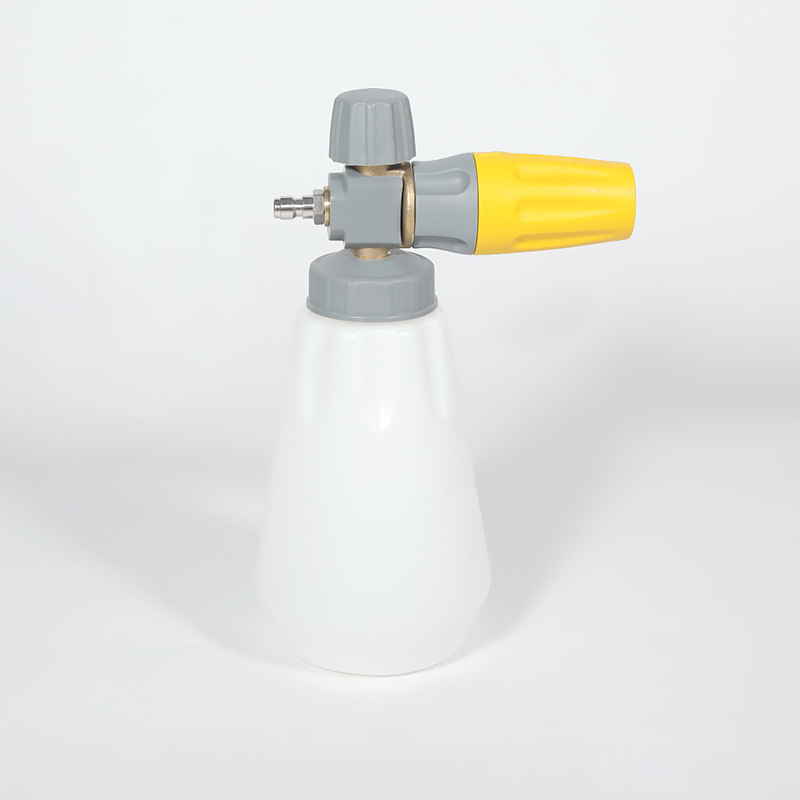
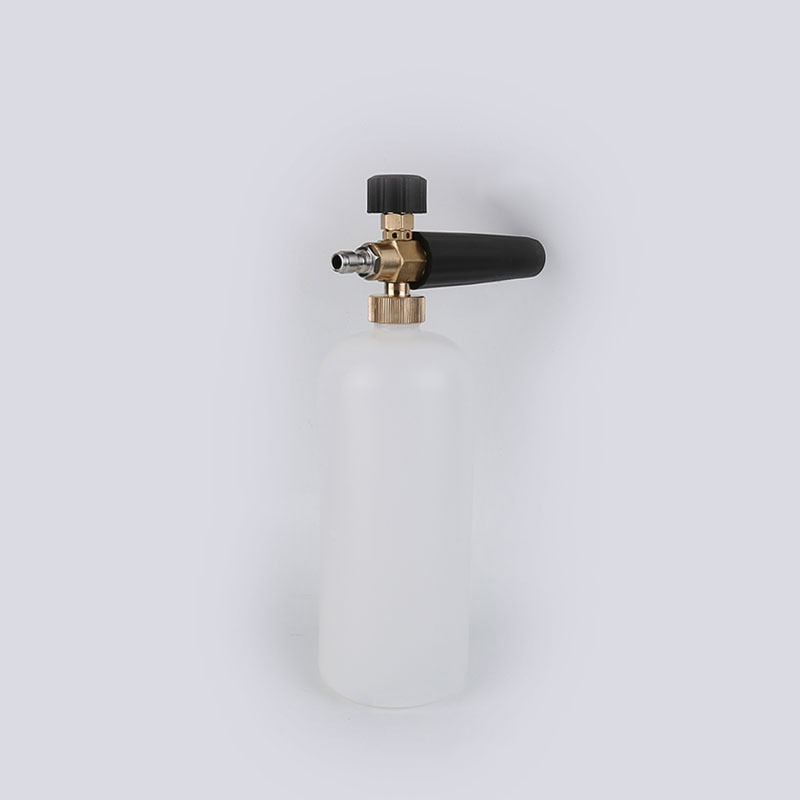
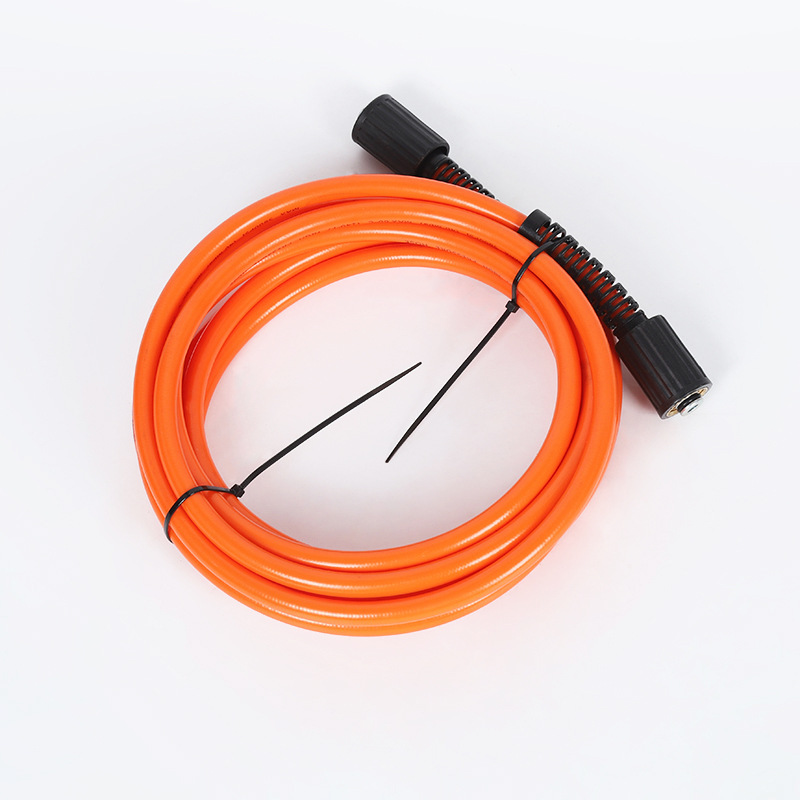
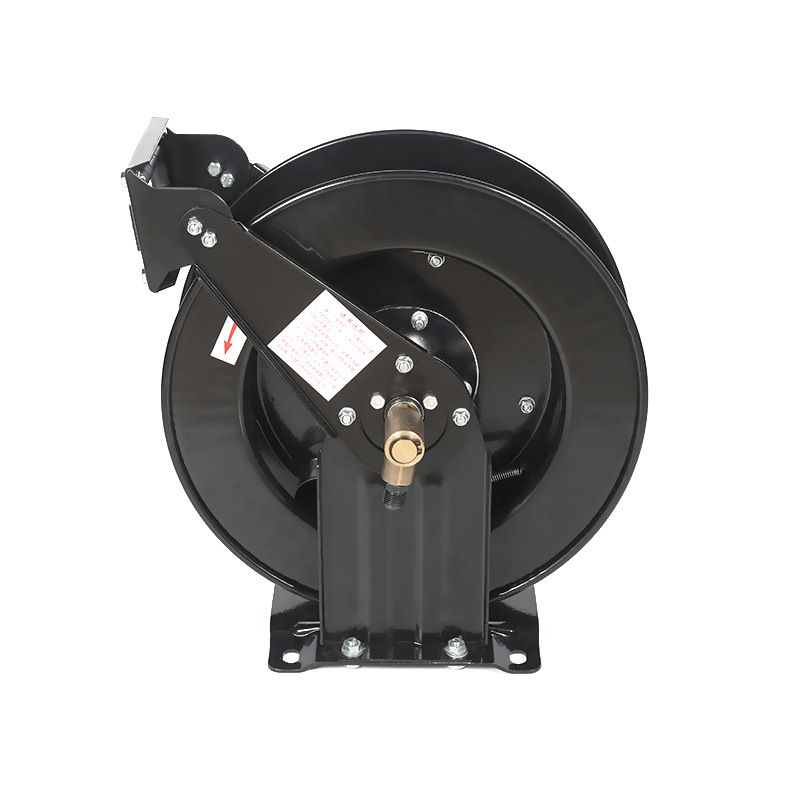
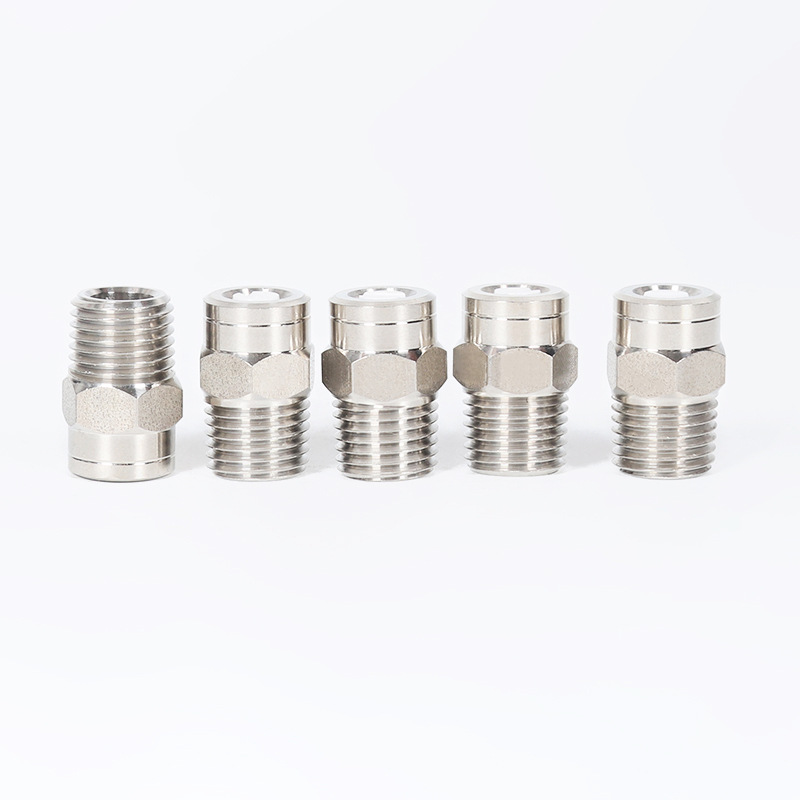
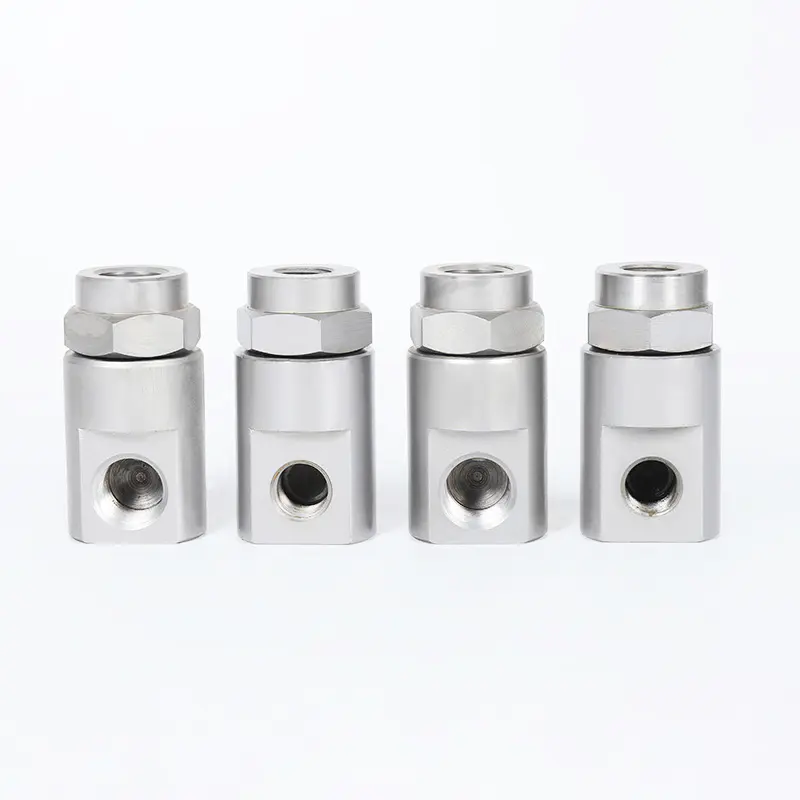
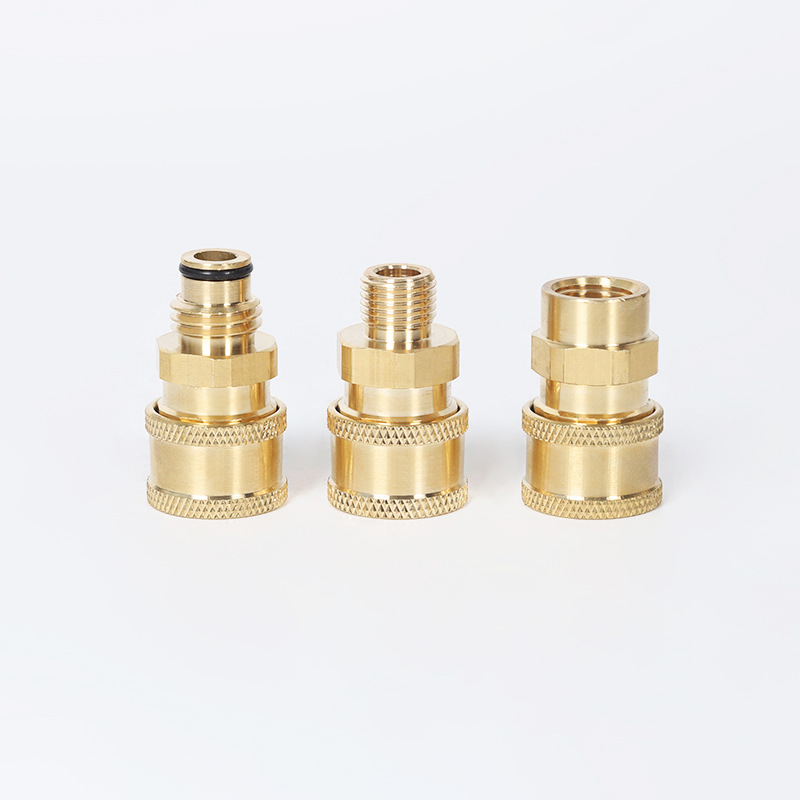
Introduction to pressure washer connectors
Pressure washer connectors are crucial components that link hoses, nozzles, and other accessories to the main unit. Proper sealing is essential to ensure that water flows efficiently without leakage. Leakage can reduce cleaning performance, waste water, and potentially damage equipment. Assessing the sealing properties of a pressure washer connector involves examining material selection, design precision, connection mechanisms, and maintenance practices.
Material selection and durability
Pressure washer connectors are commonly made from metals such as brass or stainless steel, and high-strength polymers. The choice of material directly influences the sealing performance. Metal connectors provide rigidity and resistance to deformation, which helps maintain a consistent seal under high pressure. Polymer connectors, when manufactured with precision, offer flexibility and corrosion resistance. Selecting materials compatible with water and pressure conditions ensures long-term sealing reliability.
Design features supporting sealing
Connector design plays a major role in preventing water leakage. Features such as O-rings, gaskets, and tapered threads provide additional sealing surfaces. O-rings are usually made from rubber or synthetic elastomers that can compress to form a watertight seal. Tapered threads allow the connector to tighten progressively, enhancing contact and reducing gaps. These design elements work together to maintain a reliable seal under varying pressure and flow conditions.
Thread and tolerance precision
Precision in thread manufacturing ensures that the male and female components of the connector fit tightly. Thread pitch, diameter, and alignment must meet stringent standards to prevent gaps that could cause leaks. Tolerances that are too loose may allow water to escape, while excessively tight tolerances could damage threads during assembly. High-quality connectors are manufactured to maintain consistent thread accuracy, supporting reliable sealing in daily use.
O-ring and gasket performance
O-rings and gaskets are integral to preventing leakage at joints and transitions. Their material properties, such as hardness, elasticity, and chemical resistance, determine how effectively they form a seal. Proper installation is also important; misaligned or damaged O-rings can compromise sealing. Maintenance includes inspecting these components regularly and replacing them if they show wear, cracks, or deformation. Well-maintained O-rings ensure continuous leak prevention.
Pressure and temperature considerations
Sealing performance is influenced by the pressure and temperature of the water flowing through the connector. High-pressure water can strain seals and threads, while elevated temperatures may reduce the elasticity of polymer O-rings. Connectors designed for pressure washer applications typically account for these factors by selecting materials and designs capable of withstanding operational conditions. Understanding the maximum pressure and temperature ratings helps ensure that the connector maintains its sealing properties.
Connection mechanisms and ease of assembly
Quick-connect and threaded connectors provide different approaches to achieving a seal. Quick-connect systems often use internal O-rings and locking mechanisms that secure the connection while forming a watertight seal. Threaded connectors rely on the proper engagement of male and female threads, often supplemented with sealing tape or gaskets. The ease of assembly and disassembly is balanced with the need for reliable sealing to prevent leaks during operation.
Impact of repeated use and wear
Repeated connection and disconnection can affect the sealing integrity of pressure washer connectors. O-rings may compress, deform, or wear over time, reducing their ability to maintain a tight seal. Threads can experience minor abrasion or rounding, which may create gaps. High-quality connectors and periodic maintenance, including replacing worn components, mitigate the risk of leakage. Monitoring connectors after repeated cycles helps maintain optimal sealing performance.
Environmental factors affecting sealing
Exposure to dirt, debris, and water contaminants can affect the sealing performance. Particles trapped in the O-ring groove or between threads can prevent a tight seal and cause leakage. Temperature fluctuations, UV exposure, and chemical residues from detergents or cleaning solutions may also impact the elasticity and durability of sealing materials. Proper cleaning, storage, and material selection help preserve sealing properties over time.
Compatibility with hoses and accessories
The connector must match the size and type of hoses and accessories used with the pressure washer. Misalignment or mismatched diameters can prevent proper engagement and compromise the seal. Standardized sizing and manufacturer guidelines ensure that connectors form a secure and leak-resistant connection with compatible components. Testing compatibility prior to installation reduces the risk of water leakage during operation.
Testing and quality assurance
Manufacturers often perform rigorous testing to verify the sealing properties of pressure washer connectors. These tests may include high-pressure flow, temperature cycling, and repeated connection/disconnection cycles. Connectors that meet performance standards demonstrate consistent sealing and durability. Quality control measures, such as inspection of thread precision and O-ring installation, further ensure that connectors perform reliably in real-world applications.
| Factor |
Impact on Sealing |
Recommended Practices |
| Material selection |
Metal and high-quality polymers maintain shape and resist wear |
Choose corrosion-resistant materials suited for water pressure |
| O-ring and gasket condition |
Proper sealing depends on elasticity and placement |
Inspect and replace worn or damaged seals |
| Thread precision |
Accurate threads prevent leakage at joints |
Ensure compatibility with mating components and avoid over-tightening |
| Pressure and temperature |
High pressure and heat can strain seals |
Use connectors rated for operational conditions |
| Environmental exposure |
Dirt, debris, and chemicals can degrade sealing |
Clean and store connectors properly; avoid harsh chemicals |
Maintenance tips to prevent leakage
Regular inspection of connectors, including checking for cracks, worn threads, and O-ring integrity, is essential for maintaining sealing performance. Proper lubrication of O-rings with compatible grease can enhance seal compression and longevity. Ensuring that connectors are installed with the correct torque prevents overtightening that could damage threads or seals. Additionally, cleaning connectors after use helps remove debris that could compromise sealing.



 中文简体
中文简体