Overview of Pressure Washer Hoses
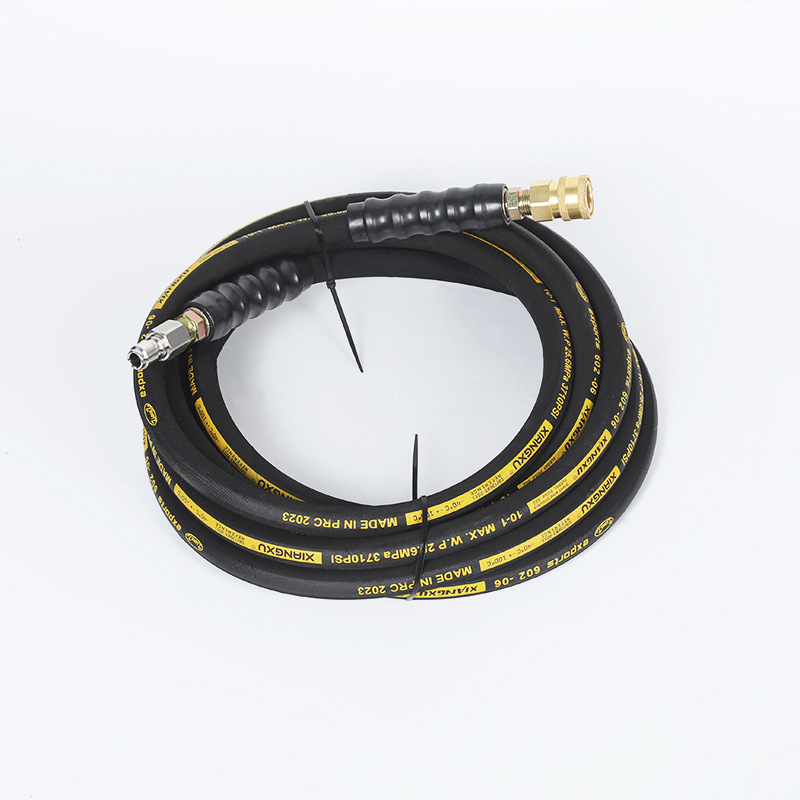
Pressure washer hoses are essential components in high-pressure cleaning systems, designed to convey water from the pump to the cleaning nozzle. Their performance directly affects the efficiency, safety, and consistency of the cleaning process. Hoses must withstand high pressures, varying temperatures, and repetitive use without compromising structural integrity or water flow. For prolonged use under high pressure, understanding the materials, construction, and design characteristics of the hose is critical in evaluating its stability and reliability.
Materials and Construction of High-Pressure Hoses
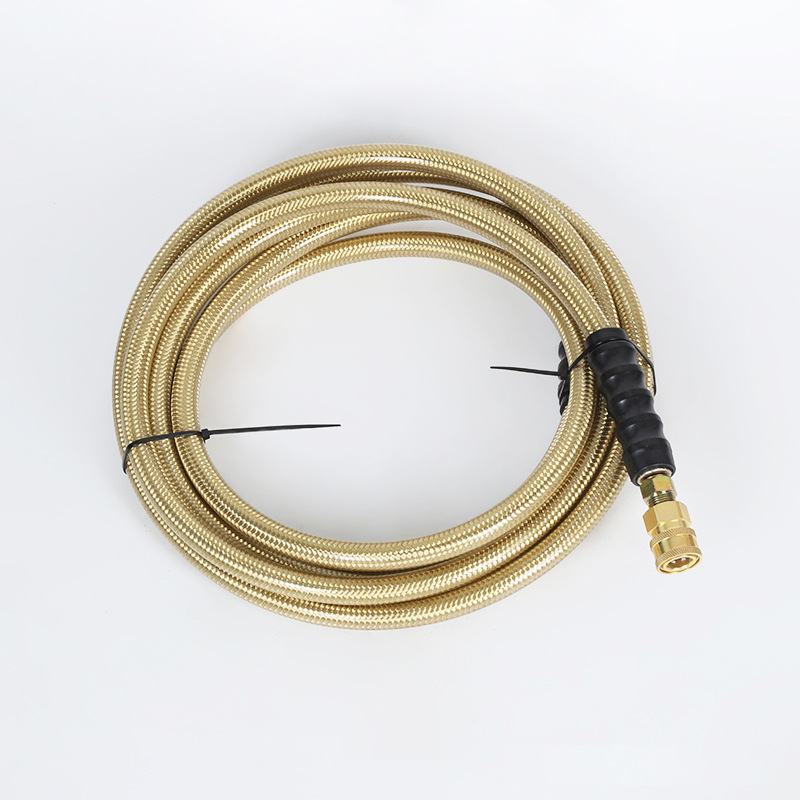
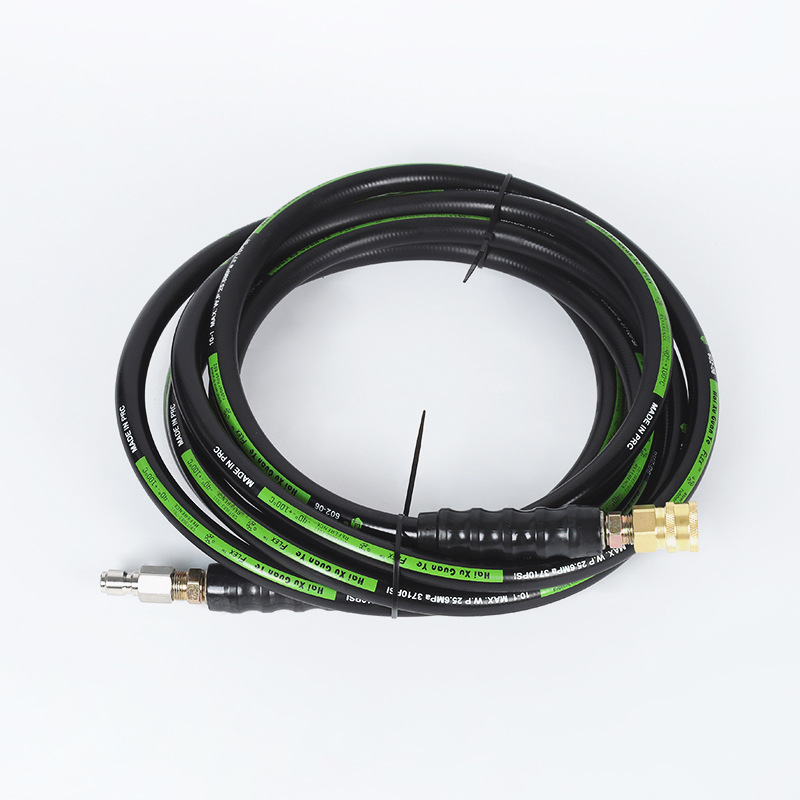
High-pressure hoses are typically constructed from multiple layers of materials, including inner tubing, reinforcement braids, and outer protective jackets. The inner tubing is usually made from synthetic rubber or thermoplastic compounds resistant to water, detergents, and high temperatures. Reinforcement layers, often woven or spiraled steel wire, synthetic fibers, or a combination of both, provide structural strength to resist expansion and bursting under high pressure. The outer jacket protects the hose from abrasion, UV exposure, chemical contact, and mechanical impacts. The combination of these layers determines the hose’s capacity to maintain stable performance during extended use.
Resistance to High Pressure and Continuous Flow
The stability of a pressure washer hose under prolonged high-pressure operation depends on its burst pressure rating and reinforcement quality. Hoses designed for commercial or industrial use often include multiple reinforcement layers that allow the hose to maintain its shape and avoid elongation or bulging during continuous flow. The inner tubing must resist water hammer effects, which can occur when the pump cycles on and off, potentially causing spikes in internal pressure. Hoses with high-quality reinforcement and consistent wall thickness tend to exhibit minimal deformation and provide uniform water flow even under prolonged high-pressure conditions.
Temperature and Environmental Considerations
Pressure washer hoses are often exposed to varying temperatures, which can impact their performance. High-pressure water, hot cleaning solutions, and ambient environmental conditions may cause the hose material to soften, expand, or lose elasticity over time. Hoses made from thermally stable materials can maintain consistent performance despite temperature fluctuations. Additionally, exposure to outdoor conditions, sunlight, or chemical agents may degrade the hose jacket, leading to potential weaknesses. Selecting hoses designed to resist environmental factors is essential for maintaining stable performance in long-term use.
Typical Pressure Washer Hose Specifications
| Hose Type |
Maximum Pressure |
Temperature Range |
Reinforcement |
Material |
| Residential Duty |
2000 PSI |
40–140°F (4–60°C) |
Single synthetic braid |
Thermoplastic rubber |
| Commercial Duty |
3000 PSI |
40–180°F (4–82°C) |
Double synthetic braid |
EPDM rubber with protective jacket |
| Industrial Duty |
4000 PSI |
40–200°F (4–93°C) |
Steel wire spiral + synthetic braids |
Thermoplastic reinforced rubber |
Flexibility and Kink Resistance
Maintaining stable performance under prolonged use also involves the hose’s flexibility and resistance to kinking. Hoses that become rigid or develop kinks under repeated bending can restrict water flow, causing pressure drops and uneven cleaning. High-quality pressure washer hoses are engineered to remain flexible while retaining structural integrity. Proper coiling, storage, and handling practices further reduce the risk of internal damage and preserve consistent flow rates and pressure levels over time.
Maintenance and Longevity
Regular inspection and maintenance are critical to ensuring the long-term stability of pressure washer hoses. Checking for signs of abrasion, cracking, leaks, or bulges can prevent sudden failure during operation. Cleaning the hose after use to remove dirt, chemicals, or residue reduces degradation of the inner tubing and outer jacket. Additionally, avoiding sharp bends, dragging over rough surfaces, and exposure to high heat or corrosive chemicals can extend the operational life of the hose. Following manufacturer guidelines for pressure and temperature limits helps maintain stable performance.
Pressure Stability During Continuous Use
During prolonged high-pressure operation, the hose must provide consistent water flow and pressure to the nozzle. Variations in hose diameter, material fatigue, or micro-damage can lead to pressure drops or surges. Well-constructed hoses with multiple reinforcement layers are designed to minimize such variations. Industrial-grade hoses undergo testing to ensure they maintain structural integrity and pressure capacity over extended periods. This reliability is essential for commercial cleaning tasks, where uniform pressure directly impacts cleaning efficiency and safety.
Factors Affecting Hose Stability During Prolonged Use
| Factor |
Impact on Performance |
Mitigation |
| High Pressure |
Potential expansion or bursting |
Use hose rated for maximum PSI with reinforced layers |
| Temperature Fluctuations |
Material softening or hardening affecting flow |
Select temperature-stable materials, avoid extremes |
| Mechanical Abrasion |
Outer jacket wear leading to inner tubing damage |
Inspect regularly and avoid dragging on rough surfaces |
| Kinking or Twisting |
Flow restriction and pressure variation |
Use flexible hoses and proper storage techniques |



 中文简体
中文简体