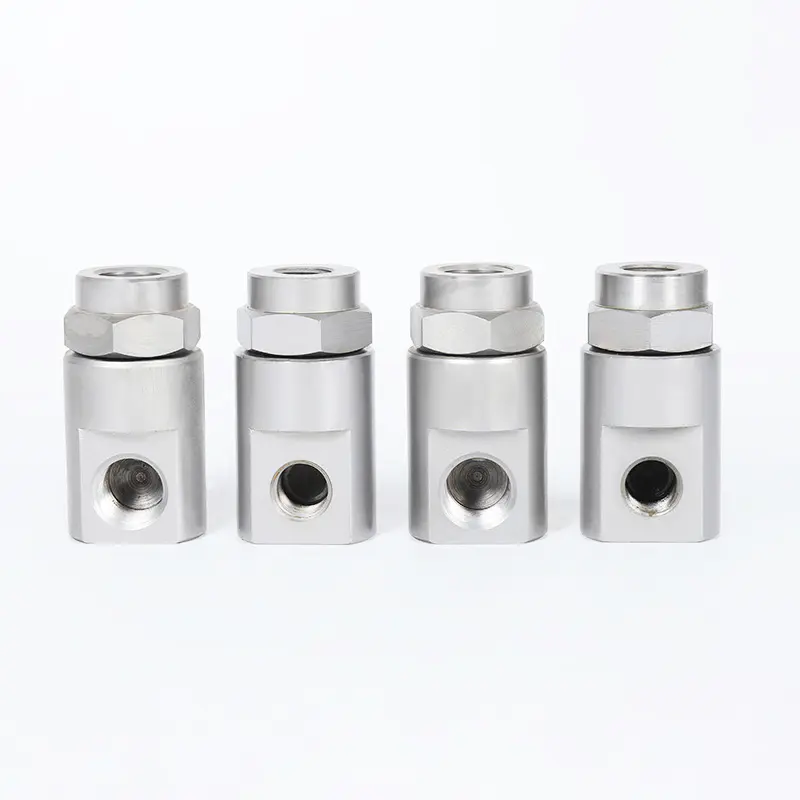
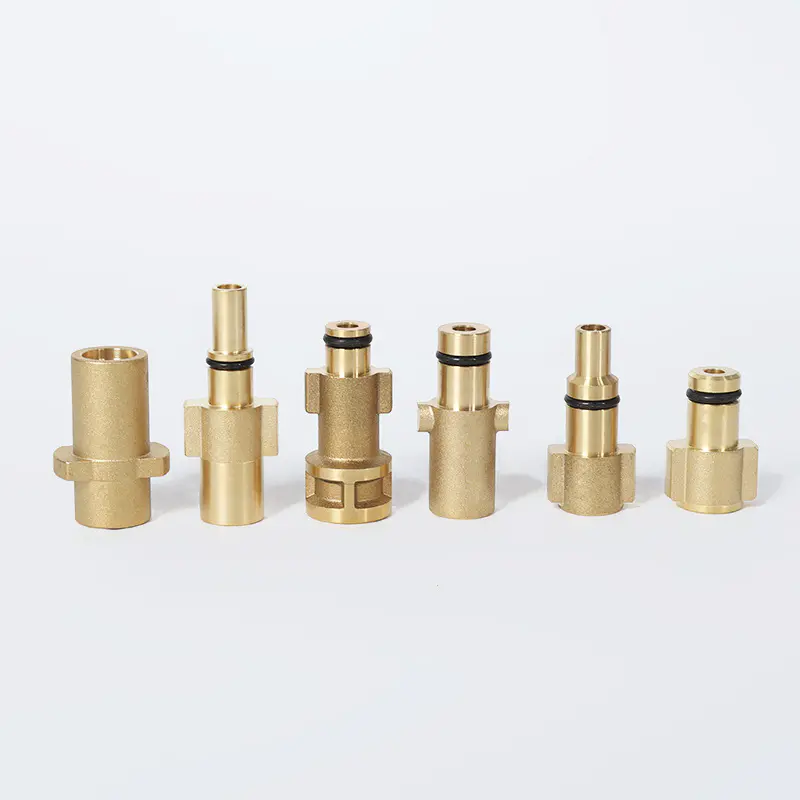
Pressure washers are pretty simple machines—until the connector fails.
One moment you’re cleaning a driveway or a vehicle, the next moment the hose pops off, leaks, or loses pressure. And suddenly you realize the connector isn’t just a tiny accessory—it’s the link that holds the whole system together.
For manufacturers, pressure washer connectors are more than a commodity. They’re a reliability decision. Because when customers complain, it’s usually not about the washer itself—it’s about the connection.
So What Exactly Is a Pressure Washer Connector?
In the simplest terms, a pressure washer connector is a fitting that joins hoses, guns, lances, or accessories to the pressure washer system.
They can be quick-connect couplers, threaded fittings, adapters, or even specialty connectors designed for specific brands.
The core job is to maintain a high-pressure seal without leaking, slipping, or failing under vibration.
That’s why even though they look small, connectors are critical components.
Why Does This Matter So Much?
Because connectors are where pressure meets reality.
Pressure washers operate at high pressure, often hundreds or thousands of PSI. Any weak link in the chain can lead to leaks, reduced cleaning power, or dangerous blow-offs.
For end users, the most common complaints are:
- - Hose disconnects under pressure
- - Water leaks at the joint
- - Connection gets stuck or hard to release
- - Connector wears out quickly
For manufacturers, these issues translate into warranty claims, returns, and negative reviews. In a market where many products look similar, reliability is a key differentiator.
When Are Pressure Washer Connectors Used?
Pressure washer connectors are used anytime you join two components in the system, including:
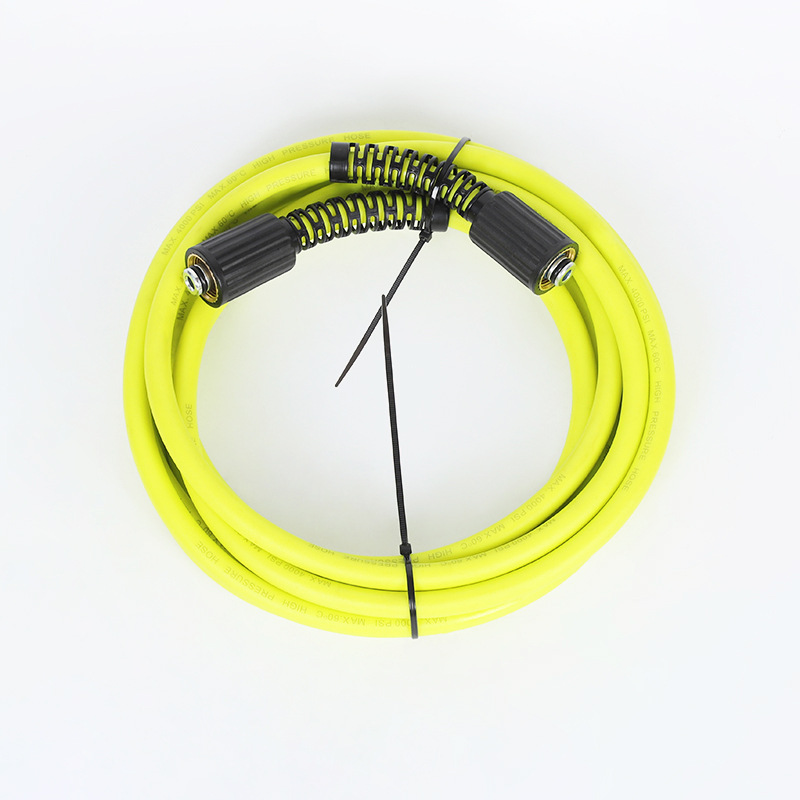
- - Connecting hose to the pump
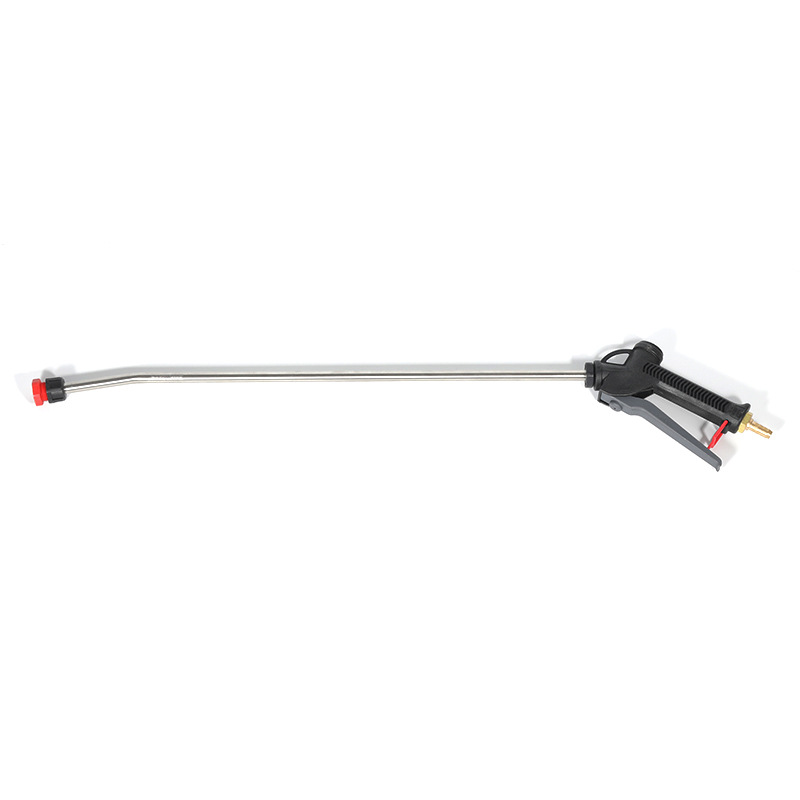
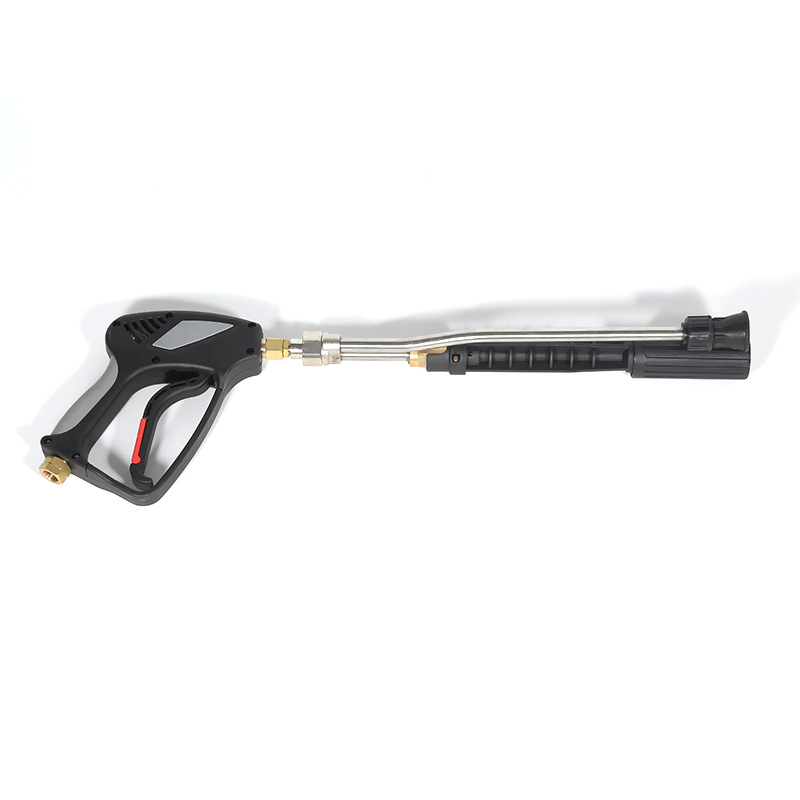
- - Connecting hose to the spray gun
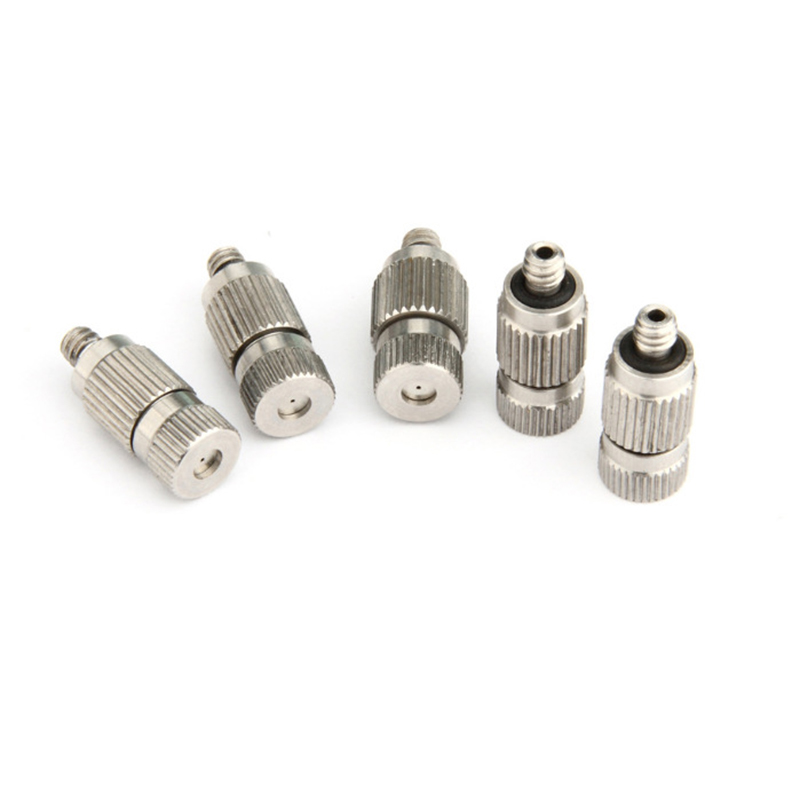
- - Attaching a lance or nozzle
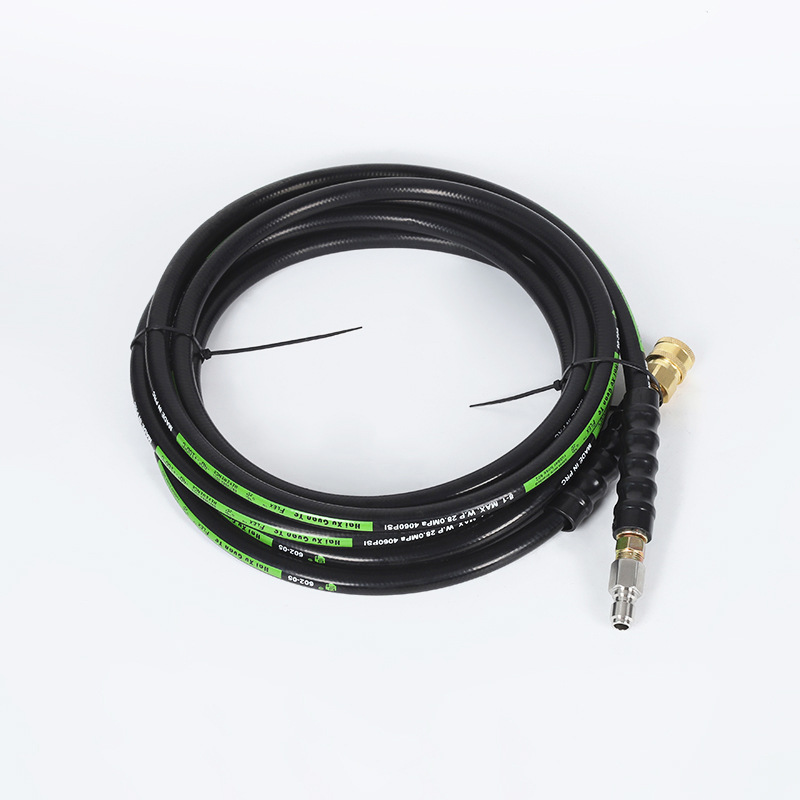
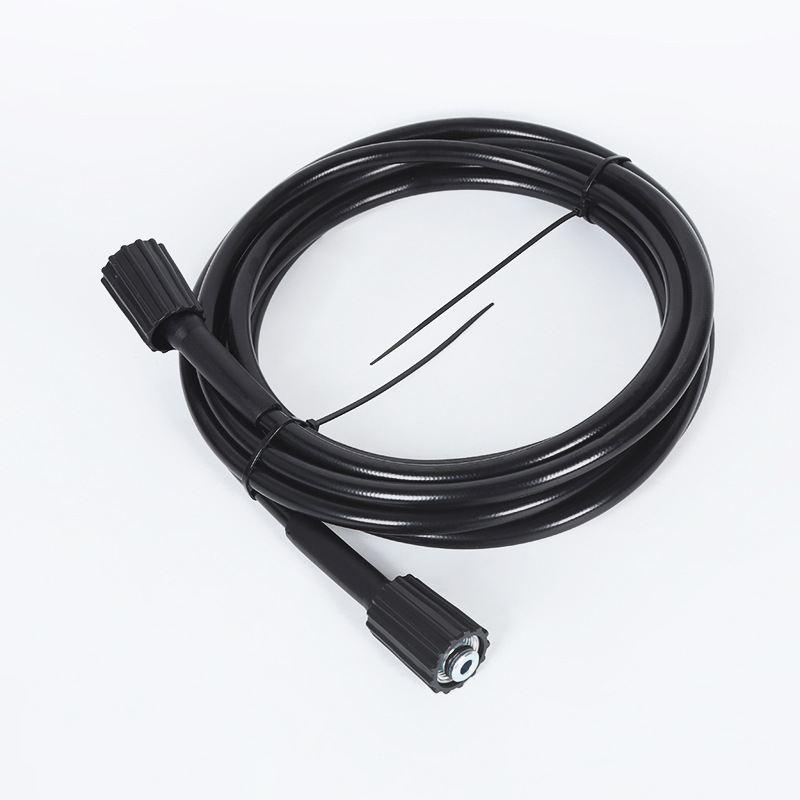
- - Using extension hoses
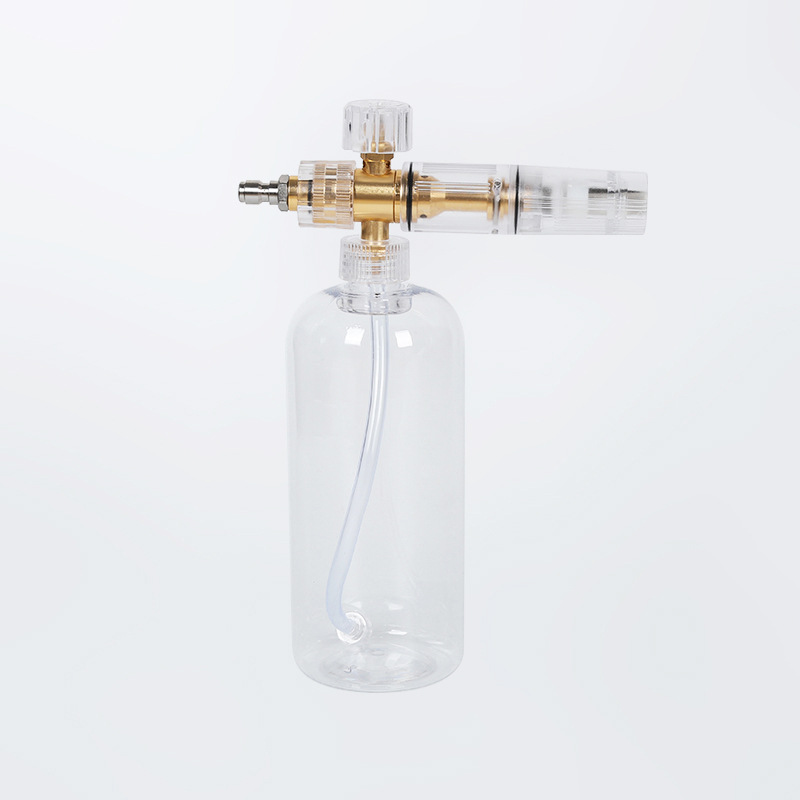
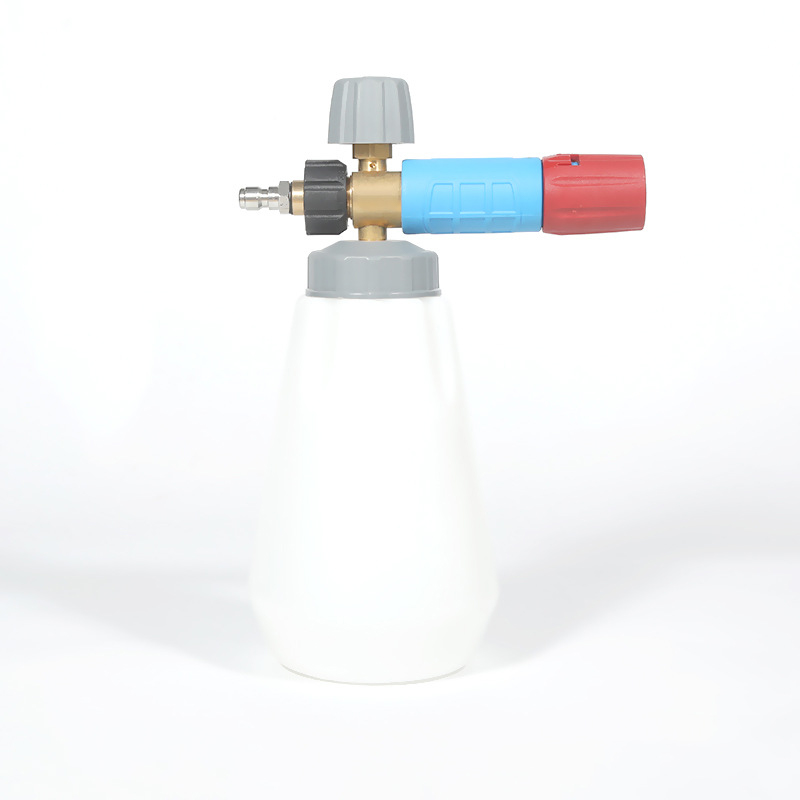
- - Switching between accessories like foam cannons or surface cleaners
They’re not just used once—they’re used repeatedly. Every time a user sets up, changes accessories, or stores the washer, connectors are involved.
That means durability matters more than people realize.
How Do Pressure Washer Connectors Work?
Most pressure washer connectors work using one of two mechanisms: threads or quick-connect couplers.
Threaded Connectors
Threaded fittings rely on tight threads and often a sealing ring (like an O-ring) to prevent leaks.
They are reliable but require proper tightening and can be harder to connect under pressure.
Quick-Connect Couplers
Quick-connect connectors use a locking sleeve that snaps into place. They are fast and convenient, but they need good internal seals and precise manufacturing tolerances.
In high-pressure systems, a weak quick-connect can cause leaks or blow-offs, which is why quality matters.
Material Choices Matter
Connectors can be made from brass, stainless steel, or high-strength plastics.
Each material has its pros and cons depending on pressure, temperature, and the cleaning fluid used.
What Are the Trade-Offs?
Pressure washer connectors are a classic case of “you get what you pay for.”
Pros of High-Quality Connectors
- - Better seal performance
- - Longer life under high pressure
- - Less leakage and better cleaning power
- - Safer operation
Cons of Cheap Connectors
- - Higher chance of leaks
- - More frequent replacement
- - Lower pressure output
- - Higher risk of blow-off
In short, connectors are not the place to cut costs if you want a reliable pressure washer.
What Should Manufacturers Pay Attention To?
Based on real customer feedback, these are the most common reasons connectors fail:
Incorrect Thread Standards
Different brands use different thread types. If the connector doesn’t match, the system will leak or won’t connect at all.
Manufacturers should clearly label thread types and compatibility to reduce returns.
Poor Sealing Design
O-rings and sealing surfaces must be precise. Even a small defect can cause a leak under high pressure.
Material and Corrosion Resistance
Many users use pressure washers outdoors and expose connectors to water, chemicals, and sunlight.
Low-quality materials quickly degrade.
Wear and Tear from Frequent Use
Connectors are repeatedly connected and disconnected, often with wet hands and under pressure.
Wear-resistant materials and robust locking mechanisms make a big difference.
How Is the Market Changing?
Pressure washer connectors are becoming more standardized, but the market still has many incompatible fittings.
Manufacturers who provide reliable, easy-to-use connectors and clear compatibility information are winning customer trust.
Additionally, the rise of accessory-based pressure washing (foam cannons, surface cleaners, extension hoses) means connectors need to be more versatile than ever.
Final Thoughts
Pressure washer connectors may be small, but they’re responsible for the system’s performance and safety.
For manufacturers, the key is to treat connectors as a core component—not a low-cost add-on.
When connectors work smoothly, users don’t notice them. But when they fail, they’re the first thing customers blame.
That’s why reliable pressure washer connectors are essential for a strong product reputation and long-term customer satisfaction.



 中文简体
中文简体