


 中文简体
中文简体

Large Mouth Pressure Washer Foam Generator
Cat:Pressure Washer Foam Pot
The Large Mouth Pressure Washer Foam Generator has a simple design and is easy to operate. When used in conjunction with a high-pressure water gun, it...
See Details2026-01-22
Pressure washers are essential tools for cleaning large surfaces, whether it's for residential, commercial, or industrial purposes. One of the key components of a pressure washer system is the connector, which links the hose to the pressure washer itself, allowing water to flow from the source to the nozzle. The design and functionality of these connectors are critical for ensuring that the pressure washer performs effectively and safely. A common question many users have is whether the pressure washer connector is easy to install and remove. Understanding the design, materials, and potential challenges can provide clarity on how these connectors function and how to manage their installation and removal.
Pressure washer connectors come in several types, each designed to accommodate different systems and provide specific benefits. The most common types include quick-connect fittings, threaded connectors, and bayonet-style connectors. Each type of connector has its own installation and removal process, as well as different levels of ease in terms of user interaction.
Quick-connect fittings are perhaps the most widely used type of pressure washer connectors. These connectors are designed to allow users to quickly and easily attach and detach hoses from the pressure washer unit. The quick-connect system typically involves a male and female connector, which, when pressed together, form a secure bond that prevents water from leaking out. The process of attaching a quick-connect fitting usually involves simply sliding the connector onto the pressure washer nozzle or hose end and securing it with a click or snap.
One of the primary advantages of quick-connect fittings is their user-friendliness. The ability to connect and disconnect the hose from the pressure washer without requiring additional tools or excessive force is a key feature. For most users, this makes installation and removal straightforward and efficient. Additionally, quick-connect fittings are designed to withstand high pressure, ensuring that water flows effectively through the hose when the connector is properly installed. While these fittings are generally easy to use, wear and tear over time, such as corrosion or damage to the internal spring mechanism, can affect their performance and make them harder to disconnect.
Threaded connectors are another type commonly used in pressure washers. These connectors are threaded onto the hose or pressure washer unit, much like screwing a cap onto a bottle. The threads ensure a tight, leak-proof seal, which is important for high-pressure systems. Threaded connectors are often preferred for more permanent installations where a secure, long-lasting bond is required. They are also useful in situations where the pressure washer will not need to be frequently connected and disconnected, such as in industrial settings or outdoor cleaning stations.
While threaded connectors are reliable and provide a secure fit, they can be less convenient for users who need to frequently attach or detach the hose. The process of screwing and unscrewing the connector can be time-consuming and may require some force, especially if the connector is tightly sealed or has accumulated debris. Additionally, over-tightening the connector can lead to damage to the threads or cause difficulty in removal, which may result in water leakage or the inability to detach the hose easily.
Bayonet-style connectors are less common but are used in some pressure washer systems. This type of connector involves a twist-lock mechanism, where the user inserts the male connector into the female counterpart and twists it to lock it into place. The bayonet-style connector provides a secure fit and ensures that the hose stays connected during use. This type of connector is typically found on high-end or specialty pressure washers.
While bayonet-style connectors are secure and durable, their installation and removal process can be more challenging compared to quick-connect fittings. The twisting action required for installation and removal may be difficult for individuals with limited hand strength, and improper twisting can sometimes cause damage to the connector or the hose. However, when used properly, bayonet-style connectors provide a tight, leak-free connection that is resistant to accidental disconnections during operation.
The material of the connector plays an important role in both the ease of installation and removal. Most pressure washer connectors are made from materials like brass, stainless steel, or durable plastics, each offering distinct advantages and potential challenges. Brass and stainless steel connectors are highly resistant to corrosion, which is especially important for pressure washers that are exposed to water and environmental elements.
Plastic connectors, while lighter and less expensive, may not be as durable as metal counterparts. They can wear out more quickly, particularly in harsh environments where the pressure washer is used frequently or exposed to the elements. Over time, plastic connectors may become brittle, making installation and removal more difficult. Additionally, cheap plastic connectors may warp or crack under high pressure, leading to leaks or safety concerns. On the other hand, brass and stainless steel connectors provide superior longevity and corrosion resistance, though they can be more challenging to install and remove due to their heavier construction and more rigid designs.
In general, the ease of installation of a pressure washer connector depends on the type of connector and the user’s familiarity with the system. Quick-connect fittings are the easiest to install and remove due to their straightforward design. To install a quick-connect fitting, all a user needs to do is slide the male end into the female end and push until it clicks into place. This simplicity is ideal for individuals who need to connect and disconnect the pressure washer quickly and efficiently, especially for frequent use in residential cleaning tasks.
Threaded connectors, while secure, require more time and effort to install. The user must ensure the threads are properly aligned before twisting them together, and over-tightening can cause difficulty in removal later. While the installation process itself is not overly complicated, it can be more time-consuming, especially for people who are not familiar with the system or who have limited dexterity.
Bayonet-style connectors are generally not as easy to install as quick-connect fittings due to the twisting motion required to lock them into place. This mechanism can be challenging for individuals with limited hand strength or those unfamiliar with how the connector works. Despite this, once the bayonet connector is in place, it provides a very secure fit that prevents accidental disconnections.
Removing pressure washer connectors can sometimes present challenges, particularly when the connectors are subjected to frequent use or have been exposed to extreme weather conditions. With quick-connect fittings, removal is usually just as easy as installation, as most systems are designed to allow for quick and simple detachment. However, over time, dirt and debris can accumulate inside the connector, causing it to stick. In such cases, applying gentle force or cleaning the connectors may be necessary to free them.
Threaded connectors, by contrast, can be much more difficult to remove. If the connector has been tightened too much, it may be challenging to unscrew, especially if the user does not have the appropriate tools or if the threads have become damaged. Additionally, water pressure may cause the connector to become tightly sealed, making it hard to release. In these situations, using a wrench or other tool to loosen the connector may be necessary, though care should be taken to avoid damaging the threads or causing water leaks.
Bayonet-style connectors can also be challenging to remove if they have been twisted too tightly. While the twisting action provides a secure connection, it can also make removal more difficult. Users may need to exert significant force to twist the connector in the opposite direction, which can be challenging for those with limited hand strength or for connectors that have become corroded over time.
To ensure that pressure washer connectors remain easy to install and remove, regular maintenance is essential. For quick-connect fittings, users should clean the connectors regularly to prevent the buildup of debris, which can cause sticking or leakage. It is also important to inspect the connectors for signs of wear or damage, such as cracks or corrosion, which could affect their ability to connect properly.
For threaded connectors, lubrication can help ensure smooth installation and removal. Applying a small amount of grease or thread sealant to the threads can reduce friction and prevent the connectors from becoming stuck. Additionally, inspecting the threads for damage and replacing worn-out connectors can help maintain ease of use.
Bayonet-style connectors require less frequent maintenance, but it is important to check the twisting mechanism for signs of wear or buildup. Over time, the internal locking mechanism may become less effective, making installation and removal more difficult. Cleaning the connector and applying lubrication may help maintain its functionality.
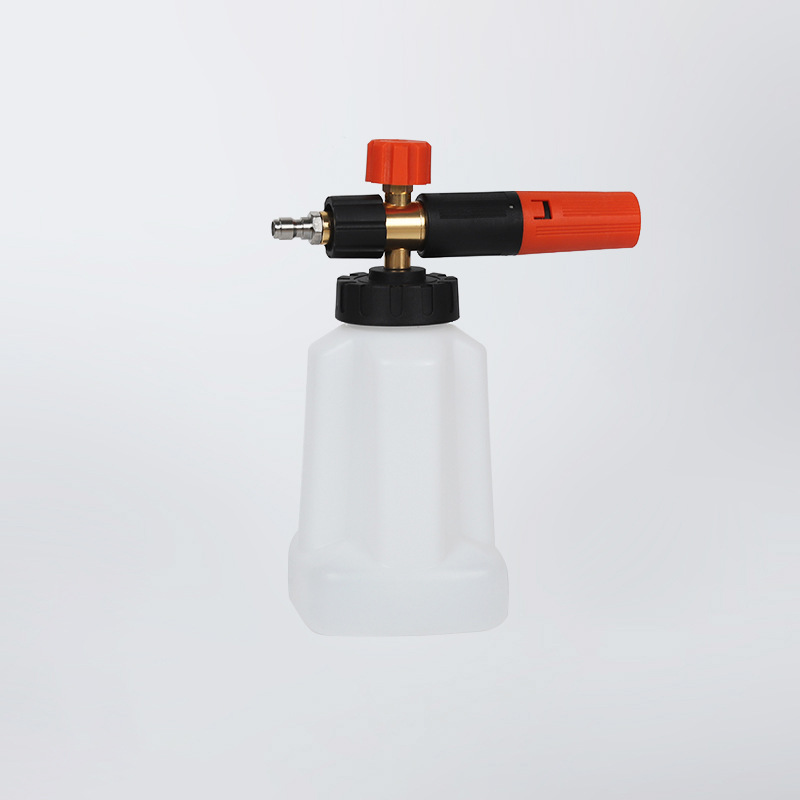
The Large Mouth Pressure Washer Foam Generator has a simple design and is easy to operate. When used in conjunction with a high-pressure water gun, it...
See Details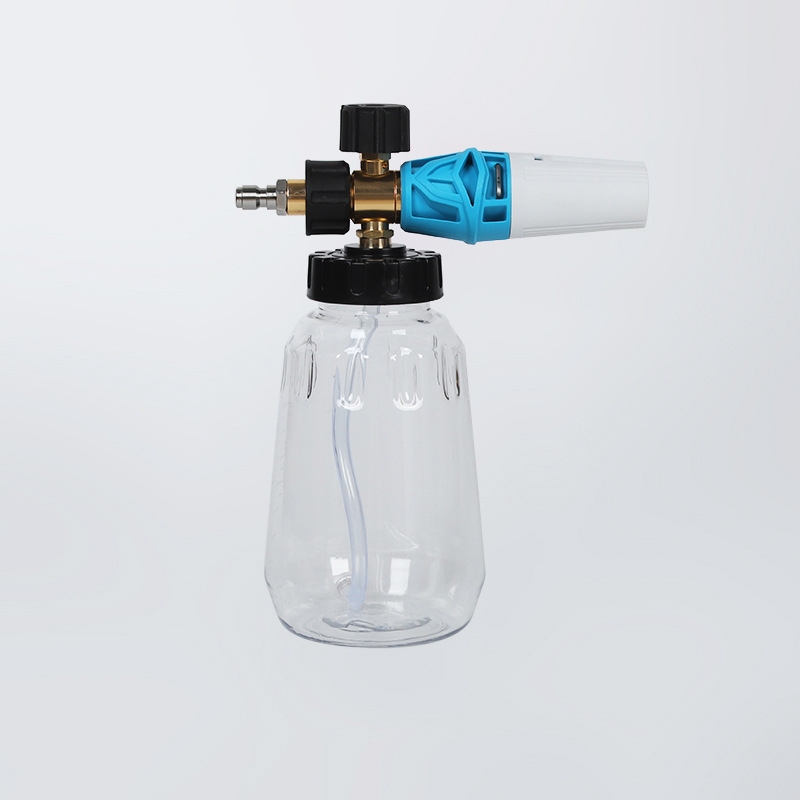
The main materials of High-pressure car wash guns and foam pots are engineering plastics and aluminum. Both materials have good corrosion resistance. ...
See Details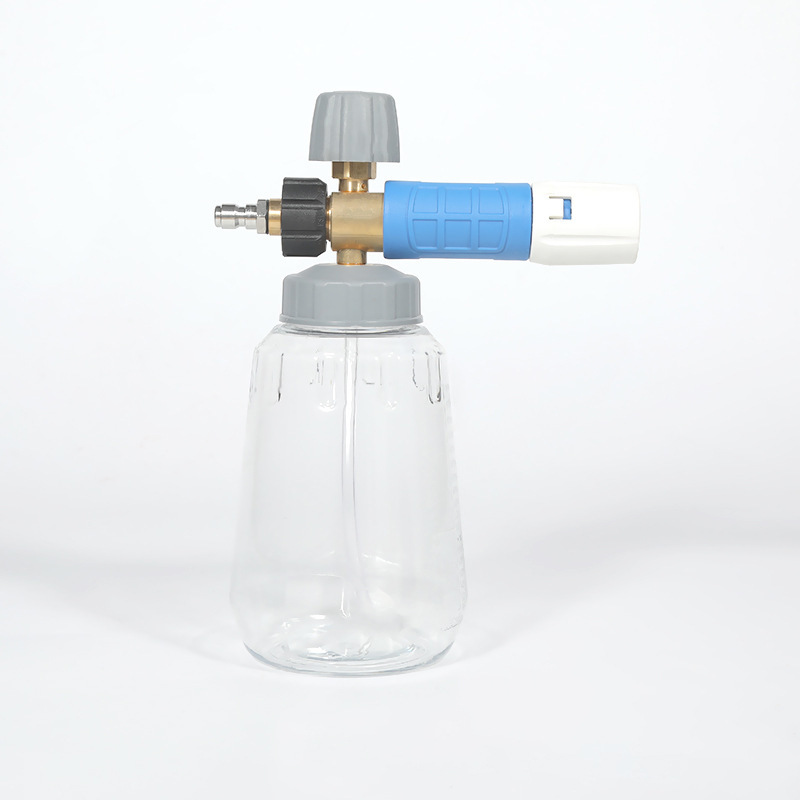
The installation of the Sector-shaped high-pressure car wash PA foam pot is relatively simple and can be easily installed on cleaning machines and oth...
See Details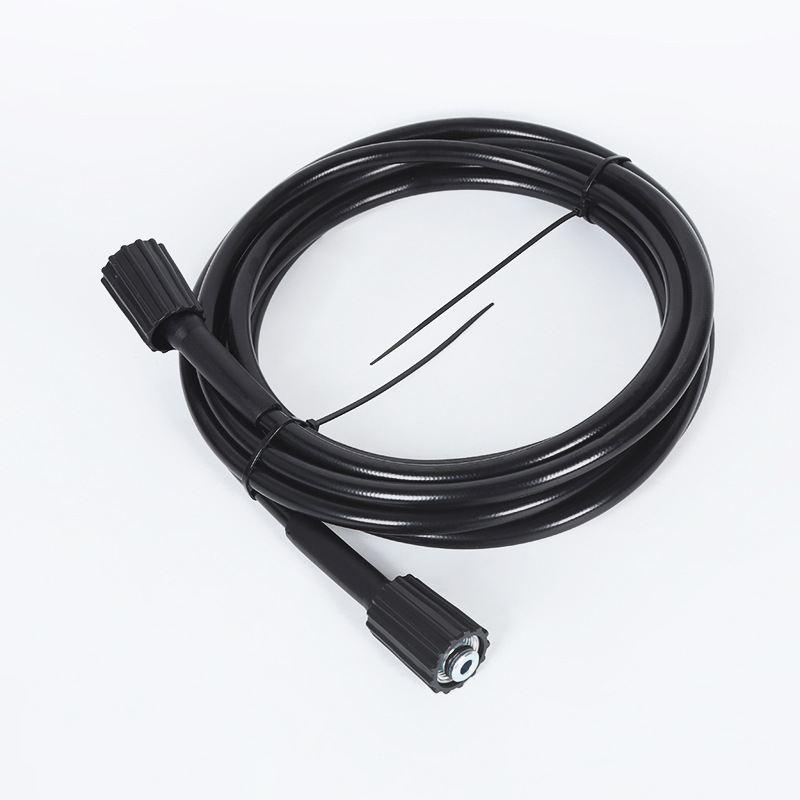
When not in use, the Cleaning machine adapter high-pressure hose can be easily rolled up for easy storage without taking up much storage space. This p...
See Details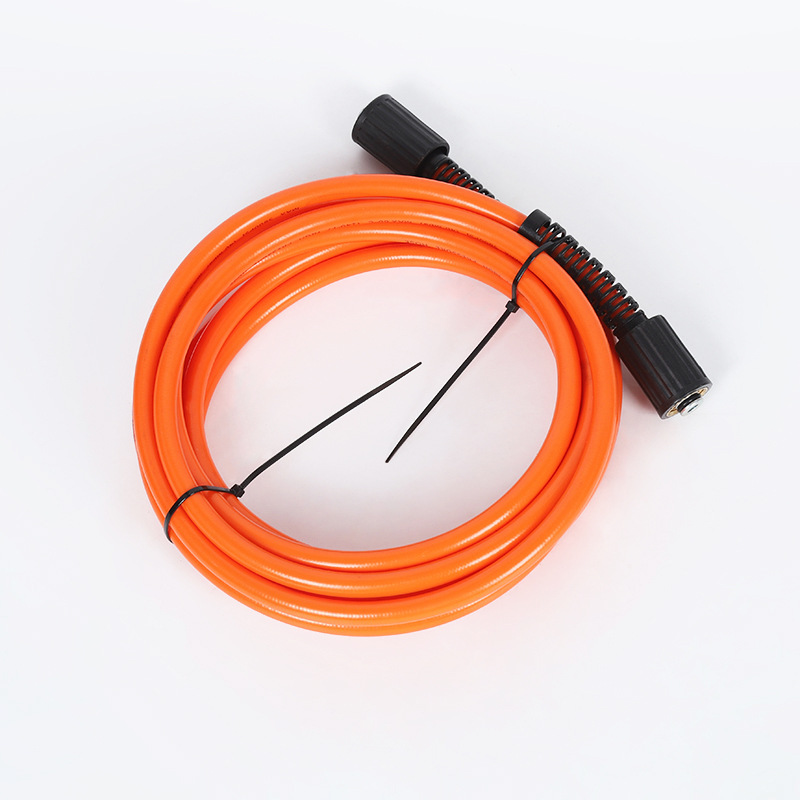
Car washing machine high-pressure wear-resistant water pipe The hose has outstanding wear resistance, which means that when washing the car, there is ...
See Details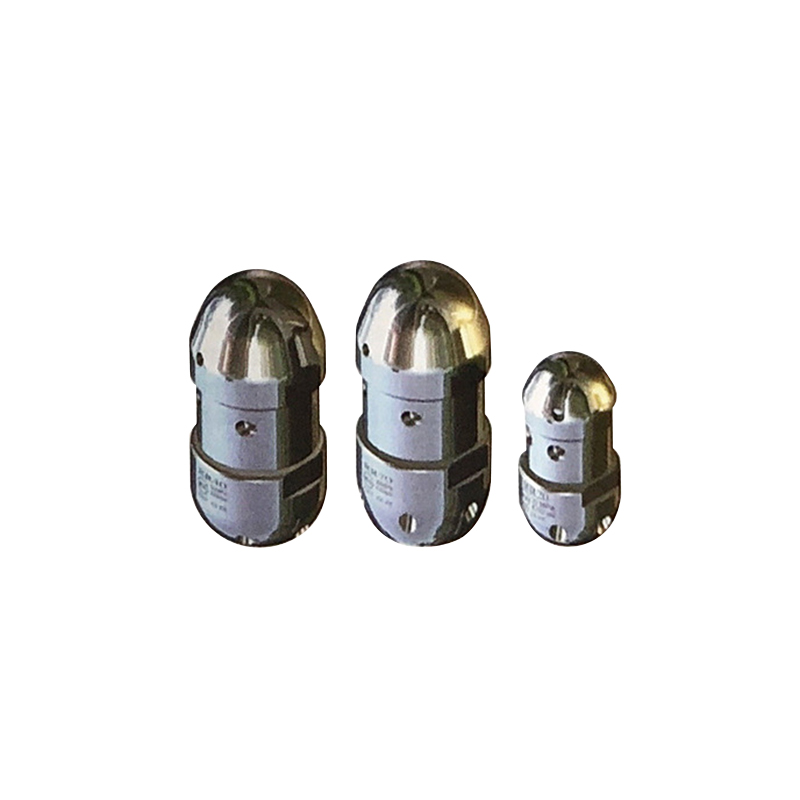
Small construction site car washing machine professional high-pressure atomizing nozzle can provide atomized water flow, making the water flow distrib...
See Details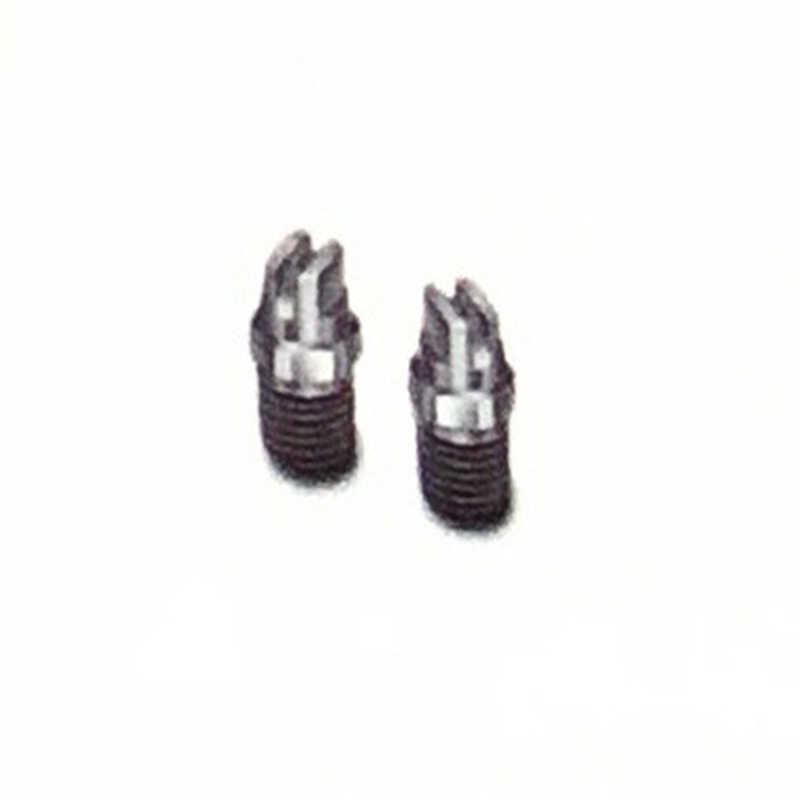
Special nozzle for washing machine car wash station is a nozzle product specially designed for car washing machines. It can effectively clean dirt, se...
See Details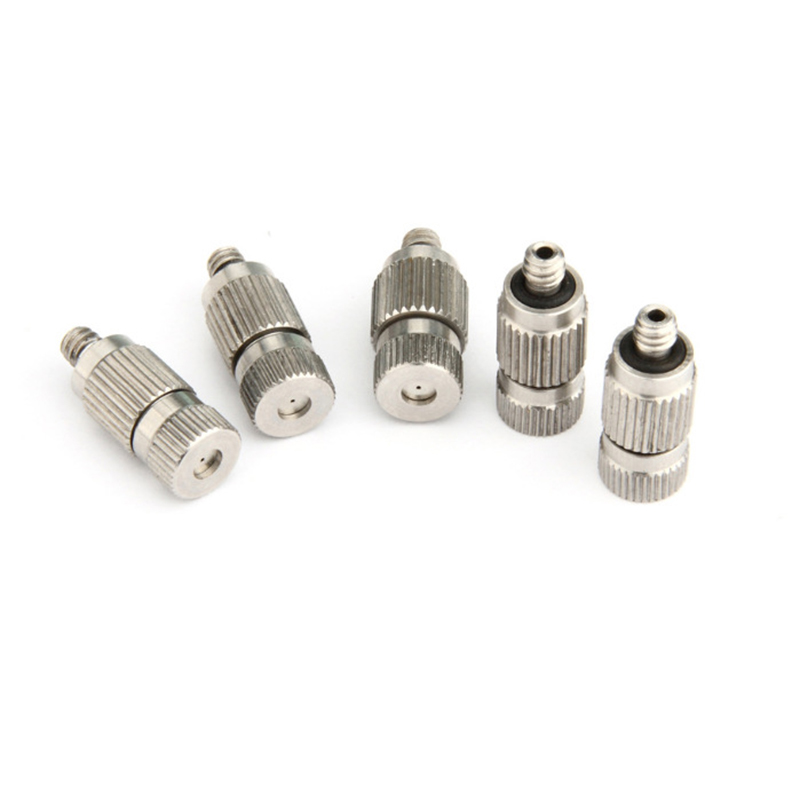
A stainless steel solid cone fine atomizing nozzle is designed to atomize water flow into very fine water droplets, creating a uniform and fine atomiz...
See Details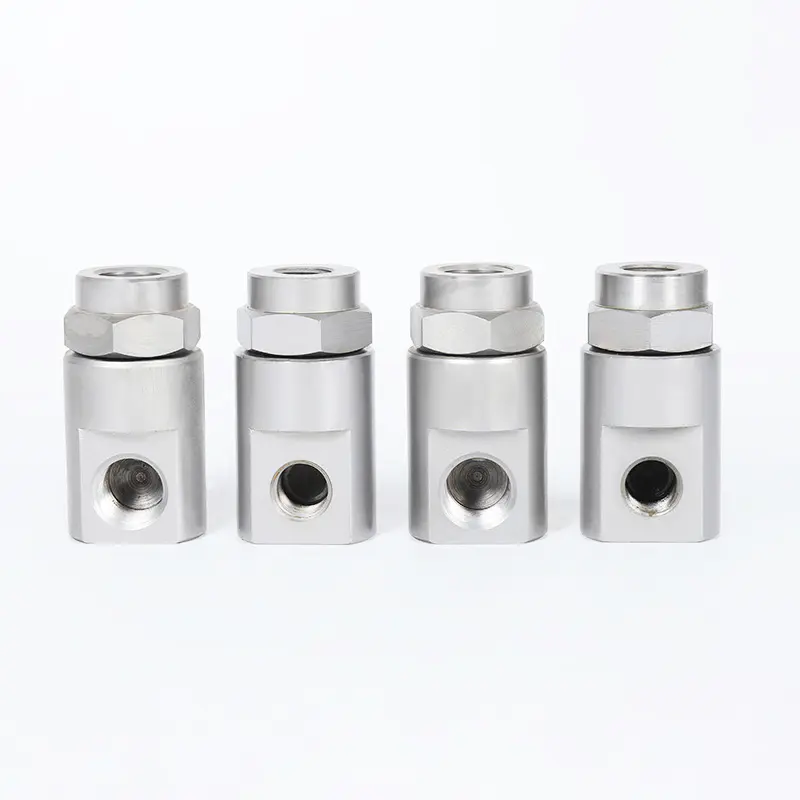
High pressure stainless steel rotary joint is a device used to transfer media in high-pressure liquid systems. The rotary joint can realize the transm...
See Details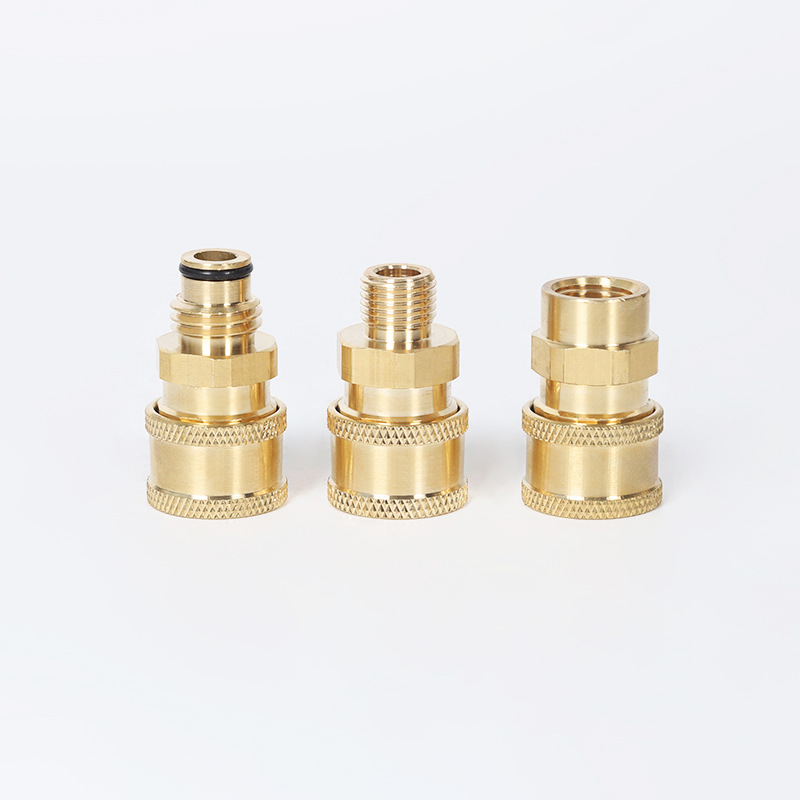
Car wash water nozzle head conversion 1/4 union quick plug is suitable for various types of car wash water guns and car wash equipment, providing more...
See DetailsCopyright © Yuyao Fuhua Machinery Equipment Co., Ltd. Rights Reserved.
Wholesale High Pressure Cleaning Tools/Accessories Manufacturers


