Introduction
Choosing the right pressure washer foam pot is crucial to achieving optimal cleaning results and ensuring the longevity of your pressure washer. Foam pots, also known as foam cannons, are used to apply a layer of foam onto surfaces, helping to break down dirt, grease, and grime more effectively. The right foam pot can make a significant difference in terms of cleaning efficiency, ease of use, and compatibility with your pressure washer.
Understanding the Basics of Pressure Washer Foam Pots
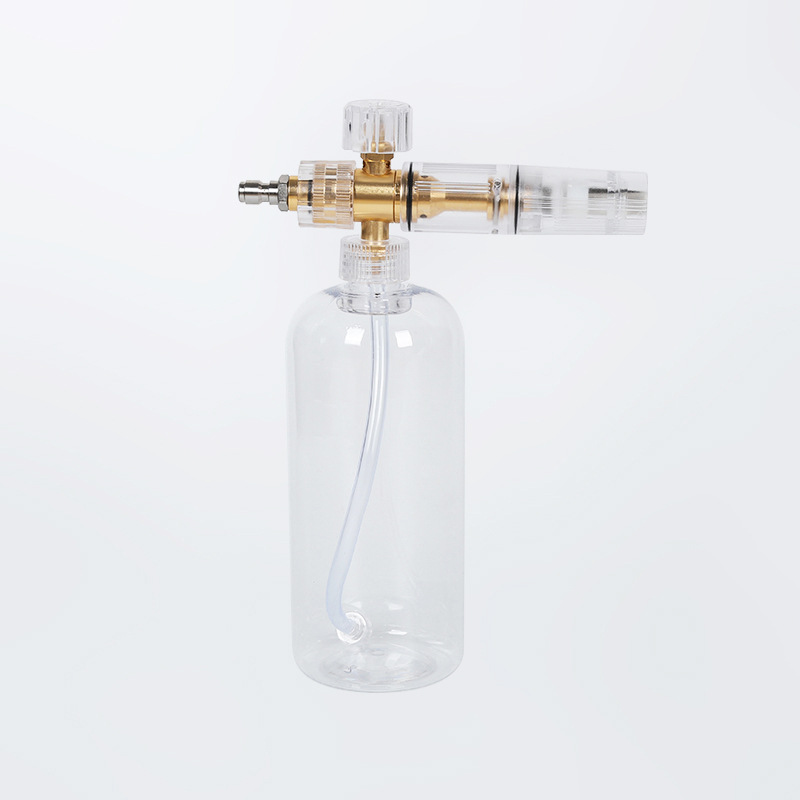
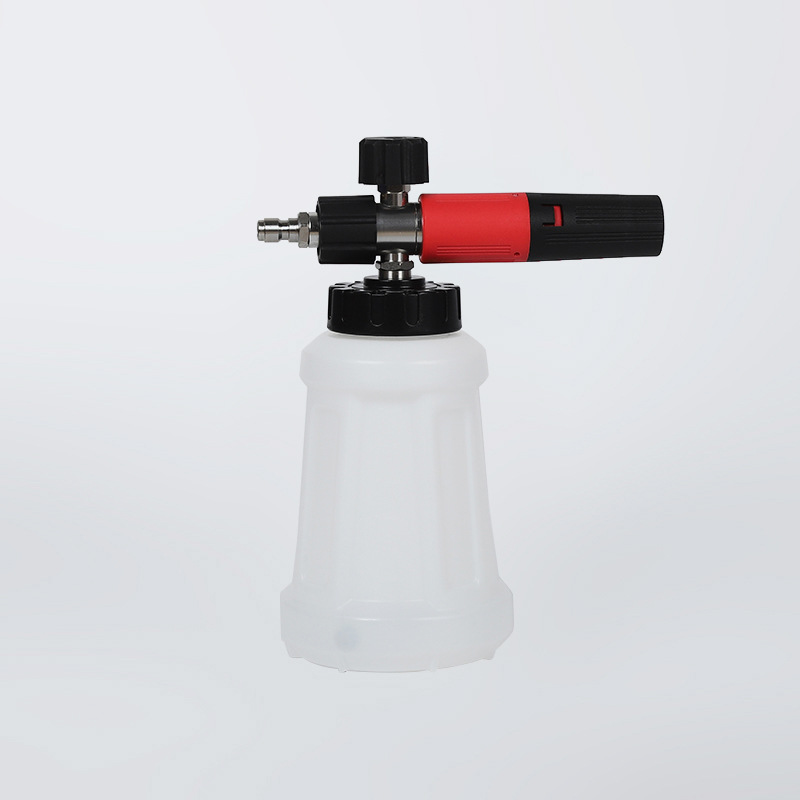
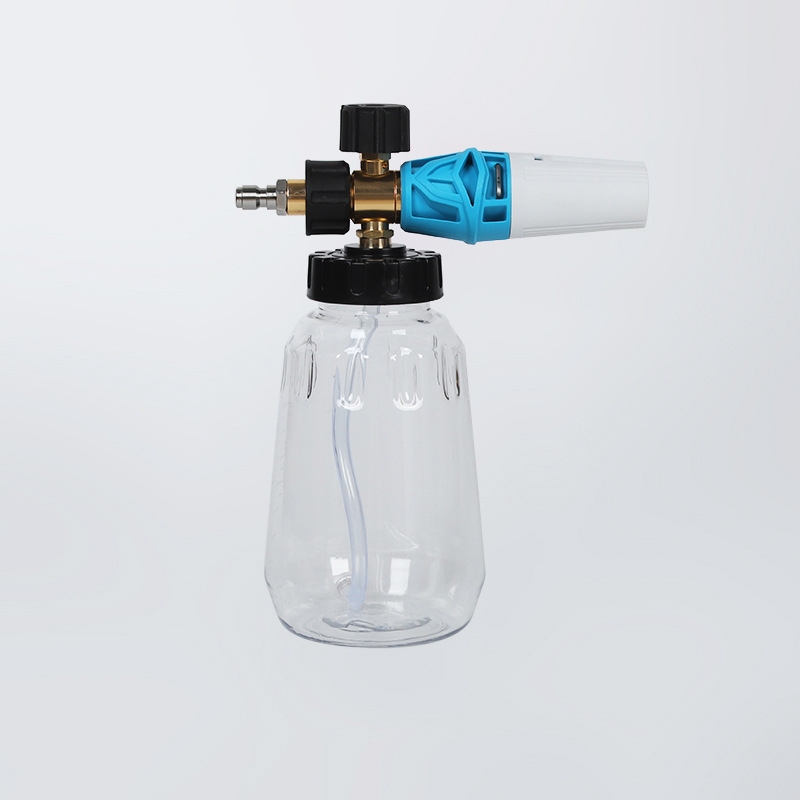
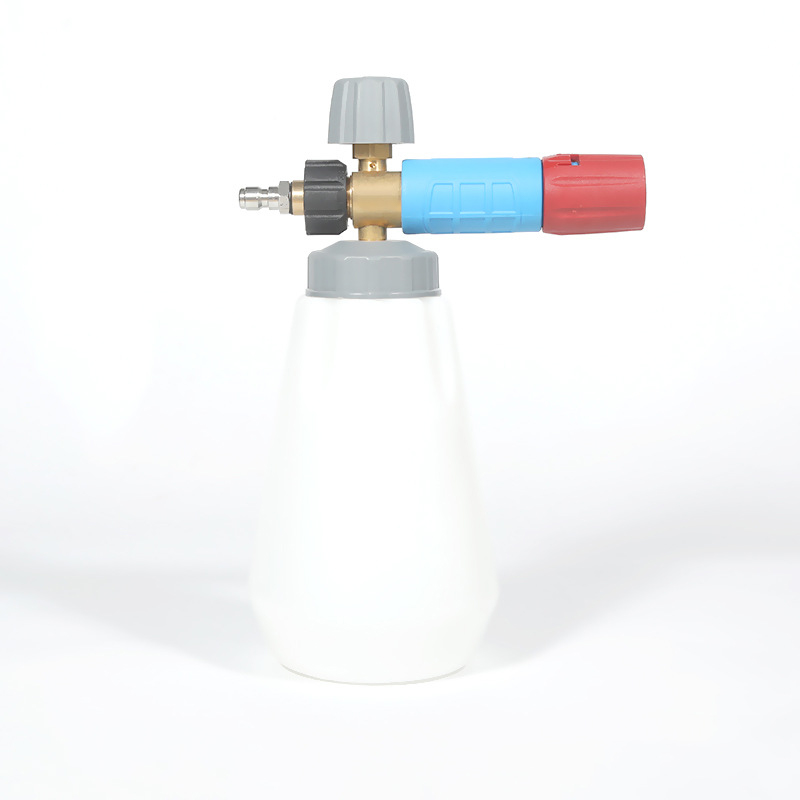
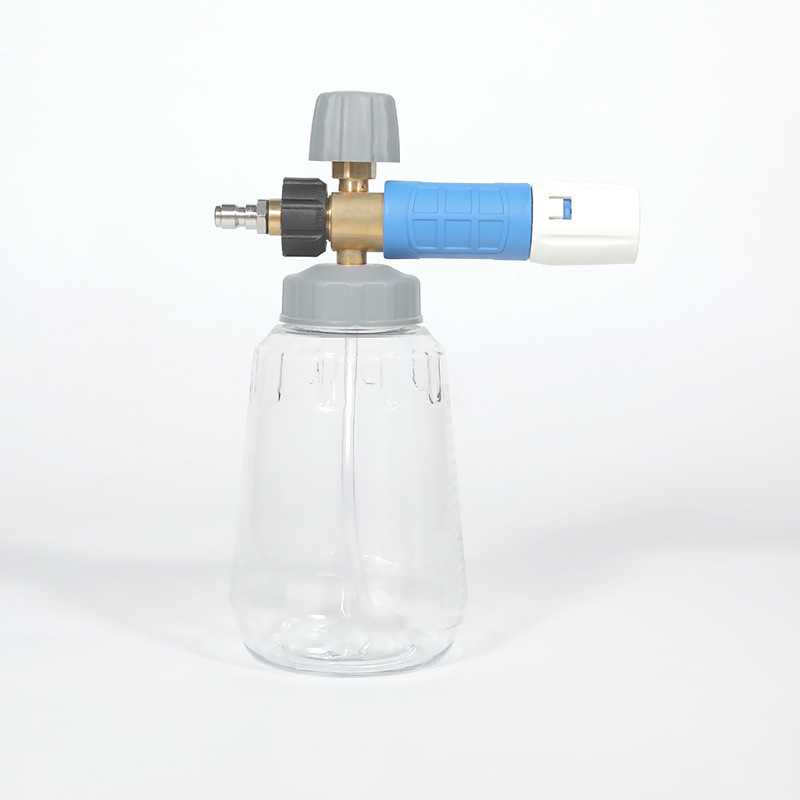
Before diving into the selection process, it's essential to understand what a pressure washer foam pot is and how it works. A foam pot is an attachment for pressure washers that allows you to apply foam detergents or soaps to surfaces. This foam acts as a lubricant that helps loosen dirt and contaminants, making it easier to wash them away. The foam also helps protect delicate surfaces from damage by providing a buffer between the pressure washer nozzle and the surface being cleaned. Foam pots come in different types, each designed for specific cleaning applications.
Compatibility with Your Pressure Washer
The first step in choosing the right foam pot is ensuring that it is compatible with your pressure washer. Foam pots are designed to fit different pressure washer models and types, so it is important to check the specifications before making a purchase. Most foam pots have a connection that fits the standard quick-connect fitting found on many pressure washers, but there may be some variations. For instance, some foam pots are designed for use with electric pressure washers, while others are better suited for gas-powered models. Be sure to check the connection type and flow rate requirements to ensure compatibility with your equipment.
Types of Foam Pots
There are various types of foam pots available on the market, each designed for different cleaning tasks. The most common types include adjustable foam pots, high-flow foam pots, and specialized foam pots. Adjustable foam pots allow you to control the amount of foam applied, giving you flexibility for different surfaces and cleaning tasks. High-flow foam pots are designed for pressure washers with higher flow rates, providing more foam coverage for larger surfaces. Specialized foam pots are tailored for specific applications, such as car detailing or industrial cleaning, and may offer additional features or design elements to enhance performance.
Foam Density and Application
The density of the foam is another critical factor to consider when choosing a foam pot. Foam density refers to the thickness and consistency of the foam applied to the surface. Thicker foam provides better coverage and cling, which helps it stay on the surface longer, allowing more time for the detergent to break down dirt and grime. Some foam pots allow you to adjust the foam density, while others provide a fixed foam output. For heavier-duty cleaning tasks, such as removing oil stains or cleaning large vehicles, a foam pot that produces thicker foam may be more effective. For lighter tasks, such as cleaning windows or washing cars, a foam pot that produces lighter foam may be sufficient.
Durability and Material
Durability is an important consideration when selecting a foam pot. Foam pots are typically made from plastic or metal, with each material offering distinct advantages. Plastic foam pots are lightweight and resistant to rust, making them a good choice for general use. However, plastic foam pots may not be as durable as their metal counterparts, especially when exposed to harsh chemicals or rough handling. Metal foam pots, on the other hand, offer superior durability and can withstand heavy use and exposure to harsh environments. Stainless steel foam pots are particularly resistant to corrosion and can handle a wider range of chemicals, making them ideal for industrial or commercial applications. When choosing a foam pot, consider the material that best suits your cleaning needs and the environment in which the foam pot will be used.
Adjustable Features
Some foam pots come with adjustable features that allow you to customize the foam output to suit your specific cleaning needs. Adjustable pressure and foam nozzle settings can help you achieve the desired foam consistency and coverage. For example, some foam pots have adjustable nozzles that allow you to switch between a wide spray pattern and a more focused stream of foam. This flexibility can be especially useful when cleaning different types of surfaces or tackling various cleaning tasks. Be sure to look for foam pots with adjustable features if you want more control over the foam application process.
Ease of Use and Maintenance
When choosing a foam pot, it is important to consider ease of use and maintenance. Foam pots that are easy to assemble, operate, and clean can save you time and effort during the cleaning process. Look for foam pots with simple designs and user-friendly features, such as quick-connect fittings and easy-to-adjust knobs. Additionally, choose a foam pot that is easy to disassemble and clean after each use to prevent clogging and buildup of detergent residue. Some foam pots are designed with self-cleaning mechanisms, which can help reduce maintenance time and ensure that the foam pot performs at its best over time.
Cost Considerations
Price is another factor that will influence your choice of foam pot. While high-end foam pots often come with additional features and better build quality, they may not always be necessary for basic cleaning tasks. On the other hand, low-cost foam pots may lack durability or adjustable features, limiting their effectiveness for certain cleaning jobs. It's important to balance cost with the features and performance you need. For light-duty tasks, a budget-friendly foam pot may suffice, but for more demanding applications, investing in a higher-quality foam pot could provide better long-term value.
Foam Pot Comparison
| Feature |
Plastic Foam Pot |
Metal Foam Pot |
| Weight |
Lightweight |
Heavy |
| Durability |
Moderate |
High |
| Corrosion Resistance |
Moderate |
Excellent |
| Price |
Affordable |
Expensive |
| Maintenance |
Easy |
Moderate |



 中文简体
中文简体