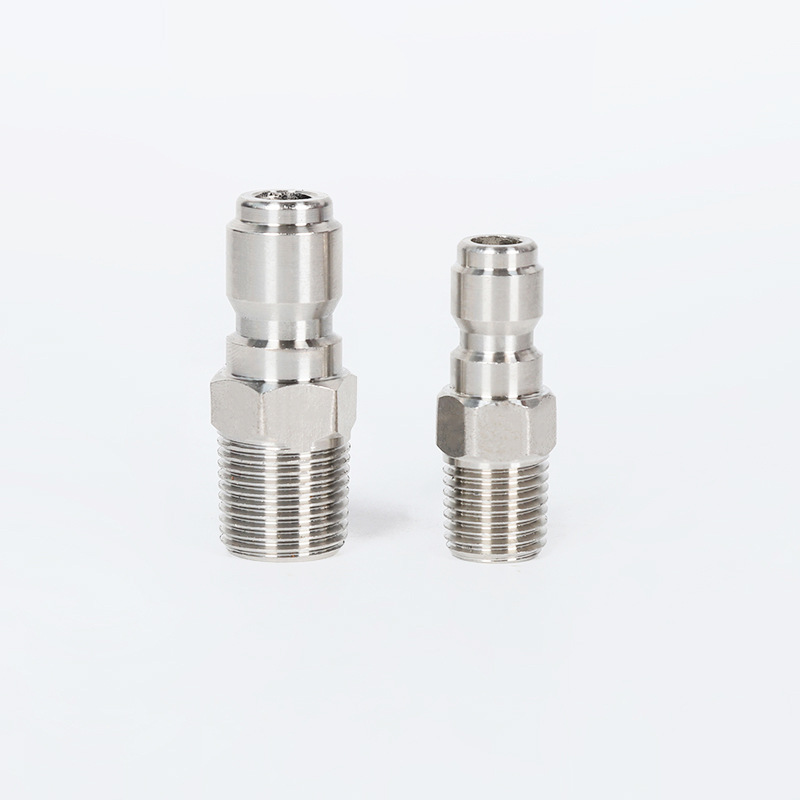
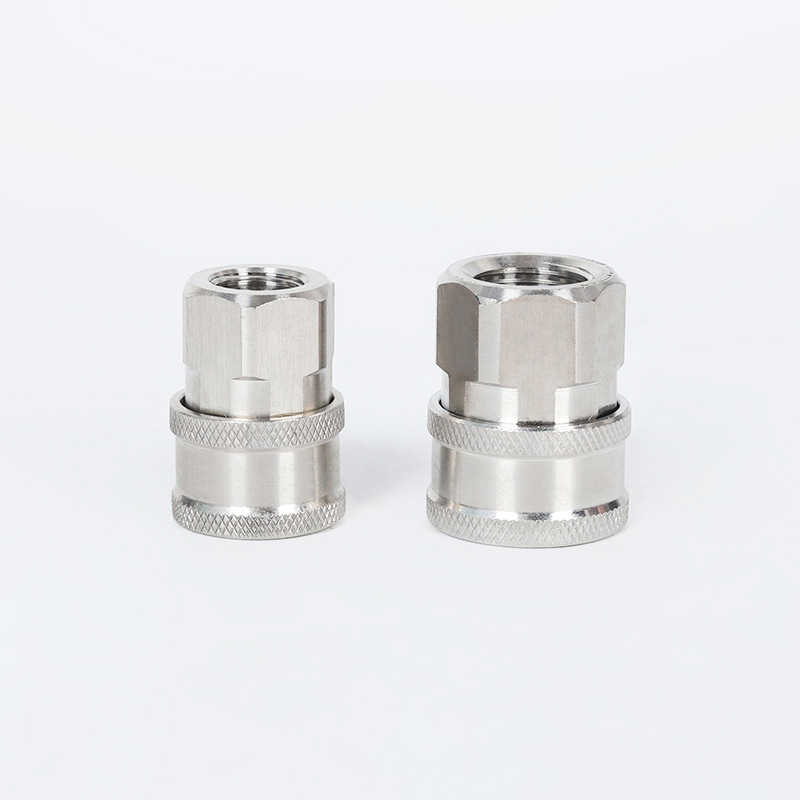
Introduction to Pressure Washer Foam Pots
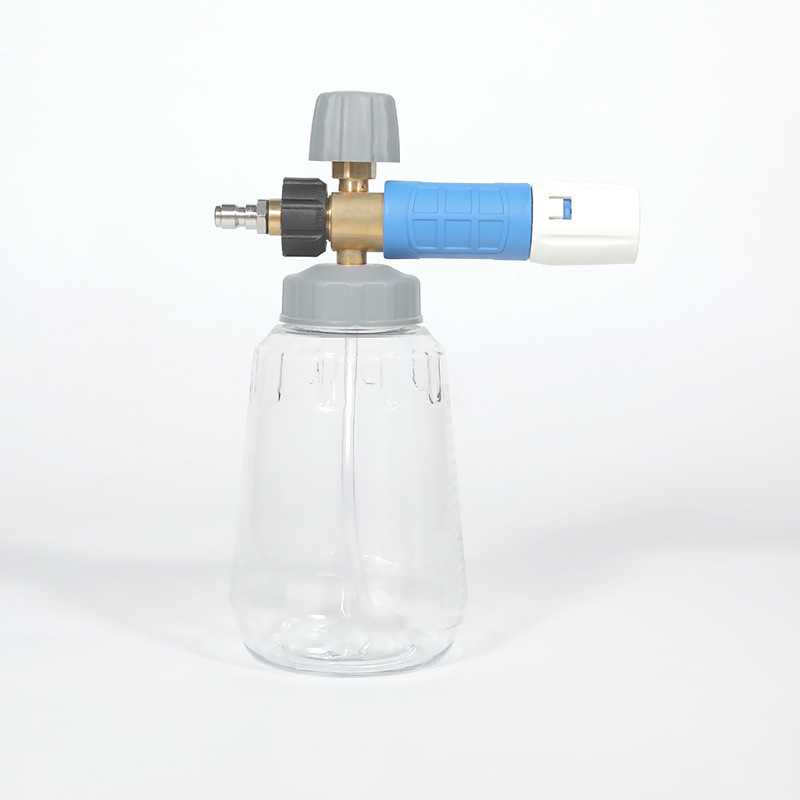
Pressure washer foam pots, often referred to as foam cannons or foam sprayers, are used to apply a layer of foam on surfaces before pressure washing. The foam helps lift dirt, grime, and contaminants from surfaces, allowing for a more effective and efficient cleaning process. Foam pots are typically used in combination with pressure washers, and they rely on a nozzle and filter to disperse the foam correctly. However, over time, these components can become clogged, leading to a reduction in performance and potential damage to the pressure washer.
Understanding the Role of the Nozzle and Filter
The nozzle and filter in a pressure washer foam pot are essential for ensuring that foam is dispensed correctly. The nozzle is responsible for controlling the flow and distribution of foam onto the surface being cleaned, while the filter ensures that debris and other particles do not enter the foam pot, which could damage the nozzle or interfere with foam production. Both parts need to remain clear of blockages in order for the foam pot to function as intended. A clogged nozzle can cause foam to come out unevenly, while a clogged filter can restrict the flow of foam, reducing the cleaning efficiency. Understanding the causes of clogs and how to maintain these components is key to keeping the foam pot working well over time.
Common Causes of Clogging in Foam Pot Components
Several factors can contribute to clogging in the nozzle and filter of a foam pot. The most common causes are residue buildup, the use of improper detergent, and poor maintenance practices. Residue from soap or detergent can build up inside the nozzle, especially if the foam is left to dry and harden. Detergents with a high viscosity or those containing thicker additives can also contribute to blockages. Additionally, if the water supply is not filtered or contains high amounts of minerals, debris, or sediment, these particles can clog the filter and affect the overall performance of the foam pot. Finally, improper maintenance, such as neglecting to clean the nozzle or filter after each use, can lead to clogs over time.
The Impact of Clogged Nozzles and Filters
A clogged nozzle or filter can severely affect the performance of a pressure washer foam pot. A clogged nozzle typically leads to an inconsistent foam spray, either reducing the foam output or causing it to be uneven, which in turn affects the cleaning efficiency. In some cases, the foam may come out in large clumps or fail to produce foam entirely, making it difficult to clean surfaces effectively. A clogged filter, on the other hand, can restrict the flow of foam and reduce the amount of detergent reaching the nozzle. This can result in insufficient foam production, making it harder to lift dirt and grime from surfaces. In extreme cases, persistent clogging can lead to damage to the foam pot or pressure washer, as the motor may strain under increased pressure caused by blocked components.
Proper Cleaning and Maintenance Practices
The best way to prevent clogs in the nozzle and filter is through proper cleaning and maintenance. After each use, it is important to flush out the foam pot with clean water to remove any residual detergent or foam that may have dried inside. This helps to prevent buildup that can lead to clogs. Additionally, the nozzle and filter should be inspected regularly to ensure they are free from any blockages. If you notice reduced foam output or uneven foam distribution, it is a sign that one or both components may be clogged and should be cleaned or replaced. Regularly cleaning the foam pot after each use will help extend its lifespan and keep it functioning effectively.
Cleaning the Nozzle
Cleaning the nozzle is an essential part of maintaining your foam pot. Over time, soap residue, detergent, and mineral deposits from the water supply can build up inside the nozzle, leading to blockages. To clean the nozzle, remove it from the foam pot and soak it in a mixture of warm water and a mild cleaning solution. Use a soft brush or toothbrush to gently scrub the inside of the nozzle, being careful not to damage the delicate components. If there is a stubborn clog, you can use a pin or needle to carefully dislodge it. Be sure to rinse the nozzle thoroughly with clean water before reattaching it to the foam pot to ensure no cleaning solution or debris remains inside.
Cleaning the Filter
The filter is another crucial component of the foam pot that requires regular cleaning. The filter helps keep debris and impurities from entering the foam system, which can cause blockages and affect foam production. To clean the filter, remove it from the foam pot and rinse it under warm water to remove any visible dirt or debris. If the filter appears to be clogged with soap residue or other buildup, soak it in a mixture of water and vinegar or a mild cleaning solution for about 15-20 minutes. After soaking, gently scrub the filter with a soft brush to remove any stubborn residue. Be sure to dry the filter completely before reassembling it into the foam pot.
Using the Correct Detergent
The type of detergent used in the foam pot can have a significant impact on whether clogs occur in the nozzle or filter. High-viscosity detergents or those with thicker additives can easily cause blockages in the nozzle, as they may not flow smoothly through the foam pot. It is essential to use a detergent that is designed for use with pressure washers and foam pots. These detergents are typically formulated to produce the right amount of foam without being too thick or sticky. If you use a detergent that is not designed for pressure washers, it could cause buildup inside the nozzle and filter, leading to clogs. Always check the manufacturer’s recommendations for the best detergent to use with your foam pot.
Filtering the Water Supply
The quality of the water used in the pressure washer can also affect the performance of the foam pot. Hard water, which contains high levels of minerals like calcium and magnesium, can cause mineral buildup in the nozzle and filter, leading to clogs. To prevent this, it is advisable to use a water filter or softener to remove excess minerals before the water enters the foam pot. A basic water filter can help remove sediment and other impurities that could clog the components of the foam pot, while a more advanced water softener can help reduce mineral buildup. Filtering the water supply can go a long way in preventing clogs and ensuring the foam pot performs at its best.
Proper Storage of the Foam Pot
When not in use, it is essential to store the foam pot properly to prevent clogging issues. Always ensure that the foam pot is cleaned thoroughly after each use, as leaving detergent or foam residue inside the pot can cause it to dry and harden, leading to blockages. Store the foam pot in a cool, dry place where it will not be exposed to excessive heat, which could damage the components. Additionally, it is a good idea to keep the foam pot covered or in a protective case to prevent dust and debris from entering the nozzle or filter during storage. By following these simple storage practices, you can help prevent clogs and maintain the foam pot’s performance over time.
Using a Pressure Washer with the Correct Settings
Another factor that can contribute to clogging in the nozzle or filter is the pressure setting of the washer. If the pressure is set too high, it can force foam through the nozzle too quickly, causing uneven distribution or pushing detergent particles into the filter, leading to blockages. On the other hand, if the pressure is set too low, the foam may not be dispensed properly. It is important to follow the manufacturer’s guidelines for pressure settings when using a foam pot, as this will ensure that the foam is applied efficiently and without causing clogs. Adjusting the pressure to the correct level can help prevent issues with the nozzle and filter while ensuring optimal cleaning performance.
Regular Maintenance Schedule
Establishing a regular maintenance schedule for your foam pot is one of the most effective ways to prevent clogging issues. Cleaning the nozzle and filter after every few uses, inspecting for any buildup, and checking the water supply for contaminants are important steps in maintaining your equipment. You can also periodically disassemble the foam pot and perform a thorough cleaning to ensure that all parts are free from debris. Keeping track of when the foam pot was last cleaned and when it is due for maintenance will help prevent problems from arising and keep the foam pot working efficiently. Regular maintenance can prolong the life of the foam pot and ensure that it continues to deliver consistent, high-quality foam for your cleaning needs.



 中文简体
中文简体