Pressure Washer Foam Pot: Direct Conclusion
A pressure washer foam pot is essential for producing thick, uniform foam that enhances cleaning efficiency for vehicles, equipment, and surfaces. It allows detergents to adhere longer to surfaces, reducing scrubbing effort and improving overall washing results.
Selecting the correct foam pot involves considering pressure washer PSI, detergent type, nozzle compatibility, and desired foam thickness. High-quality foam pots can reduce detergent usage by up to 30% while improving cleaning performance.
Principle of Operation
A foam pot mixes cleaning detergent with water under pressure and injects air to create a thick foam. This foam clings to surfaces longer than liquid spray, allowing chemical action to break down dirt, grease, and grime.
Components of a Foam Pot
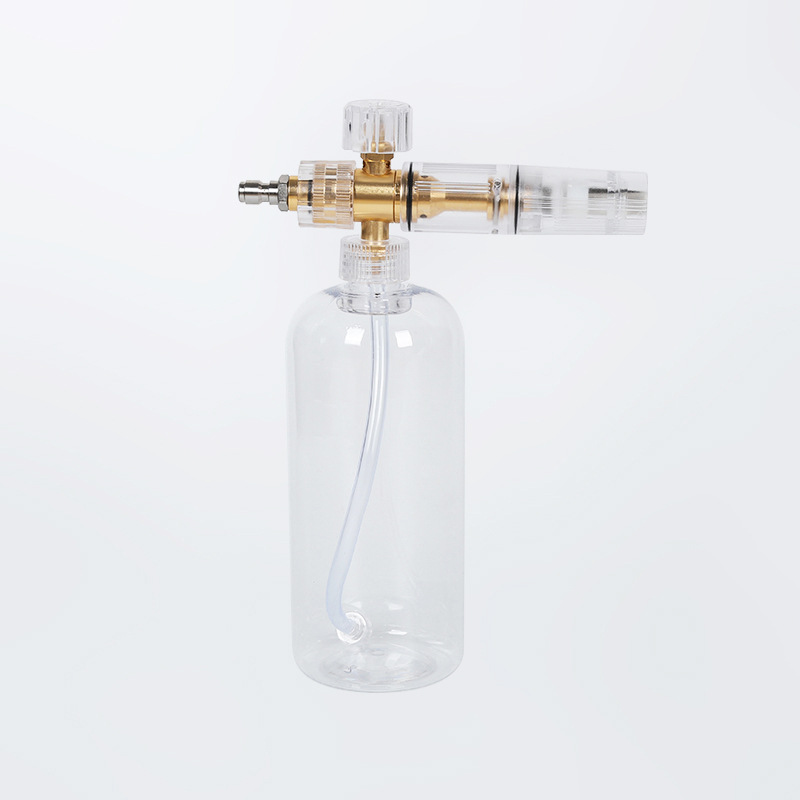
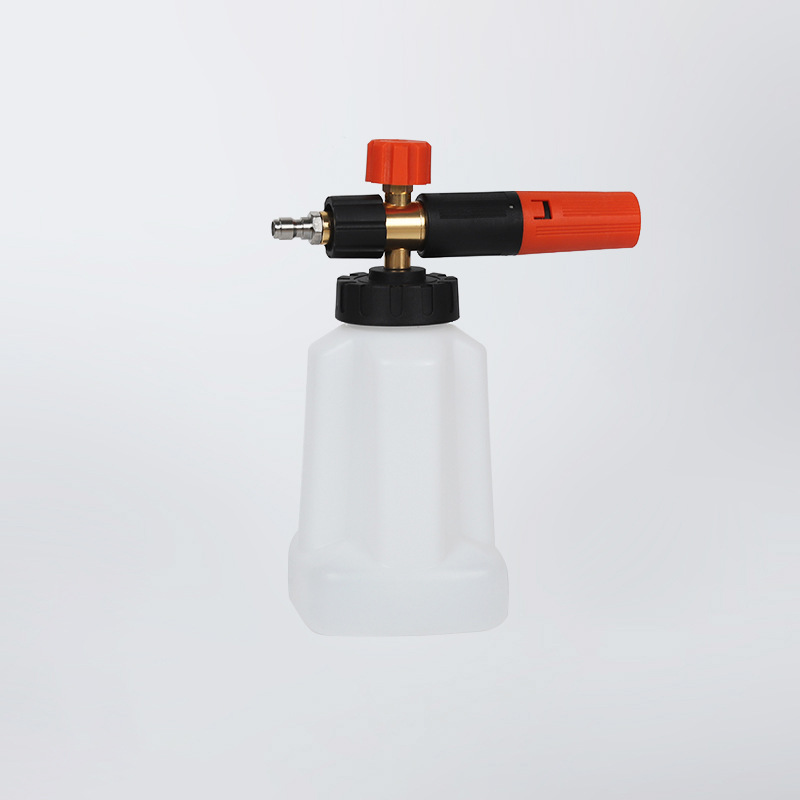
Key components include the detergent container, suction tube, air injection system, and nozzle adapter. Each part must be compatible with the washer’s pressure and flow rate to produce optimal foam density.
Foam Pot Types
There are mainly three types: low-pressure foam pots for gentle washing, high-pressure foam pots for professional cleaning, and adjustable foam pots with variable nozzle settings. Choosing the correct type ensures maximum detergent efficiency and surface coverage.
Applications of Pressure Washer Foam Pots
Automotive Detailing
Foam pots are widely used in car washing to apply soap evenly, minimizing scratches and improving finish quality. Foam clings to vertical surfaces longer than water spray, allowing detergents to work effectively.
Industrial Equipment Cleaning
Factories and workshops use foam pots to clean machinery, floors, and tools. Foam application ensures chemical contact with grease or oil residues, reducing manual scrubbing time.
Residential Cleaning
For patios, driveways, and outdoor furniture, foam pots increase detergent efficiency and ensure even cleaning. Users report up to 40% faster cleaning times compared with water-only pressure washing.
Optimizing Foam Pot Performance
Detergent Selection
Use detergents formulated for foam application. Foam-enhancing agents increase bubble stability and cleaning effectiveness, allowing less product to achieve full coverage.
Adjusting Flow and Pressure
Correct pressure and nozzle settings are essential. Too high pressure may break foam, while too low reduces cleaning efficiency. Many adjustable foam pots allow tuning for optimal performance.
Application Techniques
Apply foam from top to bottom for vertical surfaces, allow dwell time for heavy dirt, and rinse thoroughly. Combining foam pot use with microfiber brushes or mitts enhances cleaning results.
Maintenance and Longevity
Cleaning the Foam Pot
Flush the container and suction tube with clean water after use. Preventing detergent buildup avoids clogs and ensures consistent foam production.
Storage Considerations
Store in a cool, dry location away from direct sunlight to prevent plastic degradation. Proper storage extends foam pot lifespan by several years.
Replacement and Upgrades
Nozzles and seals wear over time. Regular inspection and timely replacement maintain performance and prevent leaks. Upgrading to adjustable or high-pressure foam pots improves versatility.
Comparison of Popular Foam Pot Models
| Model |
Pressure Range (PSI) |
Foam Adjustment |
Recommended Use |
| Basic Low-Pressure |
1000–1500 |
Fixed |
Residential car wash |
| High-Pressure Adjustable |
2000–3000 |
Variable |
Professional detailing and industrial cleaning |
| Foam Cannon Attachment |
1000–2500 |
Adjustable |
Versatile home and commercial use |
Comparison of common pressure washer foam pot models with pressure range, foam adjustability, and recommended uses



 中文简体
中文简体