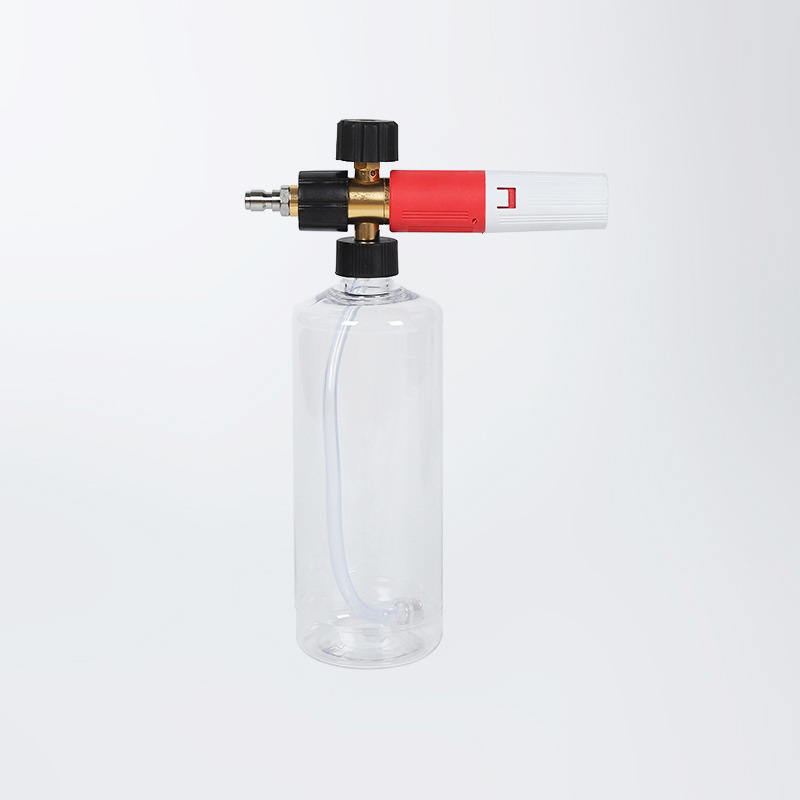
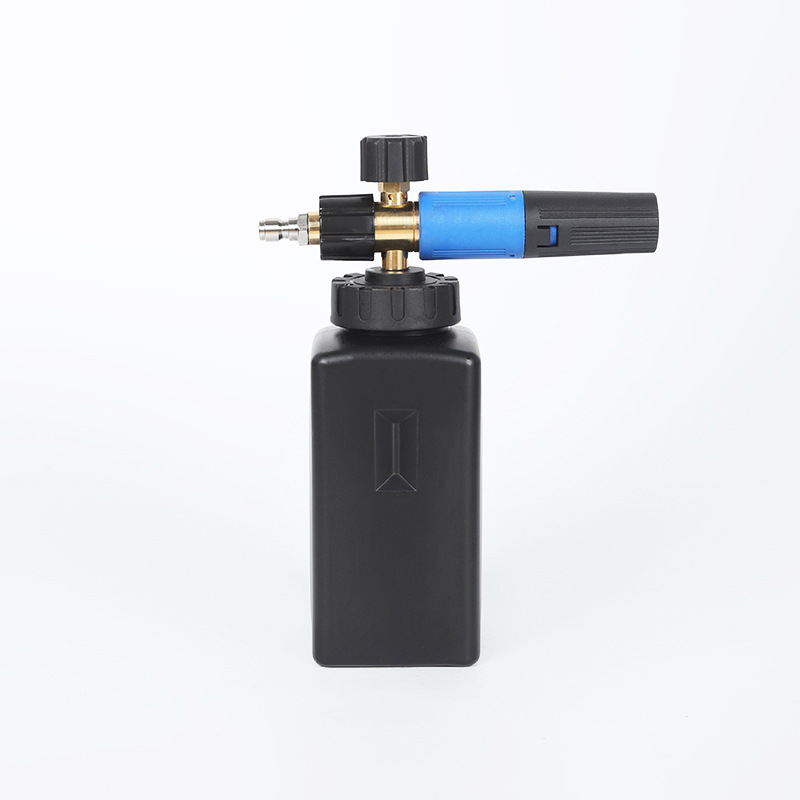
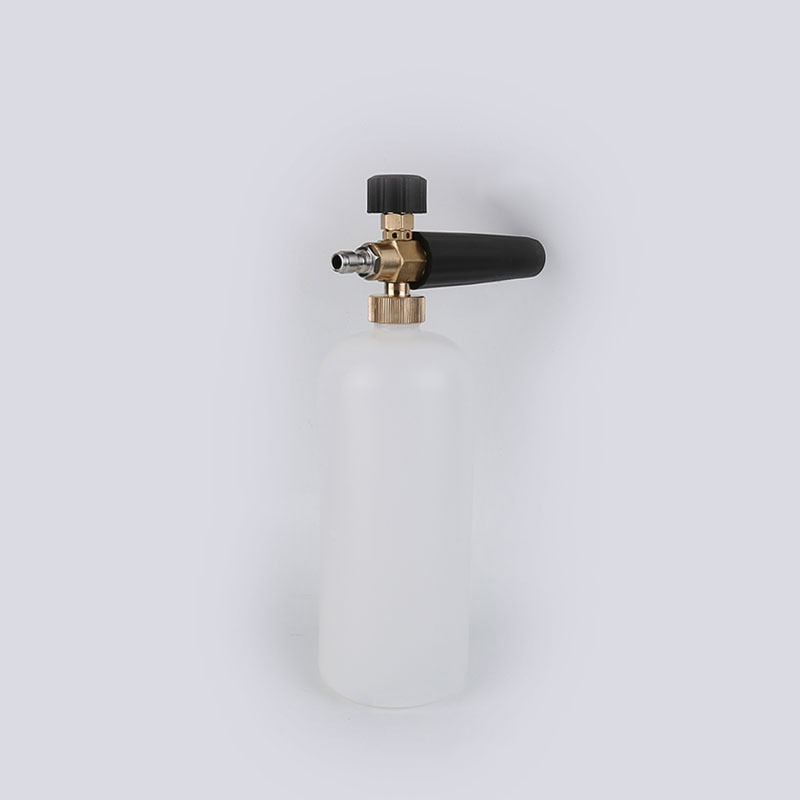
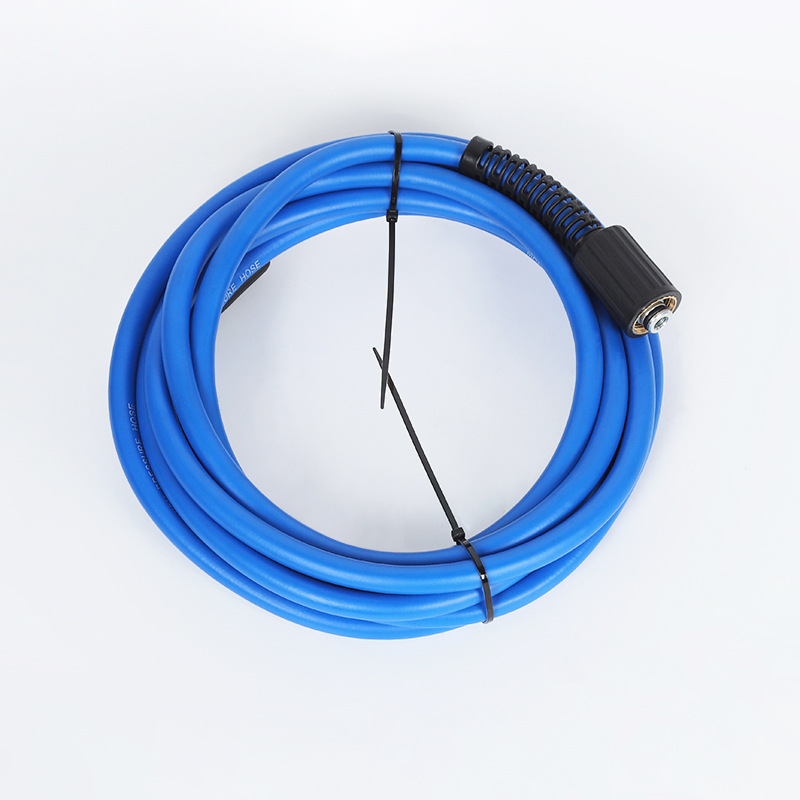
High Pressure Cleaner: Powerful and Efficient Cleaning
High pressure cleaners deliver a concentrated water jet capable of removing dirt, grease, and grime effectively from a variety of surfaces. These machines are essential tools for households, industries, and commercial cleaning operations, offering both time efficiency and superior cleaning performance compared to conventional methods.
From cleaning driveways, vehicles, and patios to maintaining industrial machinery, high pressure cleaners are versatile, eco-friendly, and cost-effective solutions for modern cleaning needs.
Types of High Pressure Cleaners
High pressure cleaners are categorized based on power source, pressure rating, and intended use:
Electric High Pressure Cleaners
Ideal for domestic and light commercial use, electric models provide sufficient pressure to clean cars, windows, and outdoor furniture. They are quieter, energy-efficient, and require minimal maintenance.
Gas-Powered High Pressure Cleaners
Designed for heavy-duty applications, gas-powered cleaners offer higher pressure and flow rates, making them suitable for industrial cleaning, construction sites, and large outdoor areas where portability and power are critical.
Hot Water High Pressure Cleaners
These units combine high pressure with hot water jets, effectively removing grease, oil, and stubborn residues in industrial and commercial environments such as kitchens, factories, and vehicle service stations.
Key Features and Technical Specifications
Selecting the right high pressure cleaner depends on understanding its features and specifications:
- Pressure (PSI/BAR): Determines the cleaning force; residential models range from 1000-2000 PSI, while commercial models exceed 3000 PSI.
- Flow Rate (L/min or GPM): Measures the volume of water delivered; higher flow rates enable faster cleaning.
- Nozzle Variety: Adjustable or interchangeable nozzles allow for targeted cleaning, from delicate surfaces to tough stains.
- Portability: Wheel-based designs and lightweight models improve maneuverability for different work environments.
- Durability: Stainless steel or reinforced pumps extend lifespan under continuous use.
Applications Across Industries
High pressure cleaners serve diverse cleaning purposes across multiple sectors:
Residential Use
Perfect for cleaning driveways, patios, cars, garden tools, and exterior walls. Electric units provide safe and convenient solutions for household cleaning tasks.
Industrial and Commercial Use
Industries such as manufacturing, food processing, and automotive rely on high pressure cleaners for maintenance, degreasing, and surface preparation, where efficiency and effectiveness are critical.
Specialized Cleaning Applications
Hot water and steam high pressure cleaners are used to sanitize equipment, remove stubborn residues, and comply with hygiene regulations in sensitive environments.
Safety Guidelines and Best Practices
Operating high pressure cleaners safely is essential to prevent accidents and equipment damage:
- Protective Gear: Always wear goggles, gloves, and appropriate footwear.
- Proper Surface Distance: Maintain a safe distance to avoid damaging surfaces or injuring operators.
- Secure Connections: Ensure hoses, nozzles, and power supplies are correctly connected before operation.
- Regular Maintenance: Check pumps, filters, and nozzles for wear to maintain performance and safety.
- Water Supply: Ensure sufficient water flow to prevent pump damage.
Performance Comparison of Popular Models
| Model |
Pressure (PSI) |
Flow Rate (GPM) |
Power Source |
| EcoClean 1500 |
1500 |
1.2 |
Electric |
| ProJet 3000 |
3000 |
2.5 |
Gas |
| HotBlast 2500 |
2500 |
2.0 |
Electric / Hot Water |
Comparison of high pressure cleaner models based on power, flow rate, and source
Environmental and Economic Advantages
High pressure cleaners reduce water usage by delivering water more efficiently than hoses or buckets. By concentrating the flow, they achieve the same cleaning results with significantly less water, conserving resources and reducing utility costs.
In industrial and commercial settings, high pressure cleaners minimize the need for harsh chemicals. The mechanical force of the water jet can often remove residues that would otherwise require detergents, lowering chemical consumption and environmental impact.
Maintenance Tips for Longevity
Regular maintenance ensures high pressure cleaners deliver consistent performance and extend operational lifespan. Key practices include:
- Rinsing hoses and nozzles after each use to prevent blockages.
- Checking pump oil levels in gas-powered models to prevent wear.
- Replacing worn nozzles or seals promptly to maintain pressure.
- Storing the unit in a dry environment to avoid corrosion or electrical damage.
- Inspecting power cords and connections for safety compliance.
Conclusion: Choosing the Right High Pressure Cleaner
Selecting the appropriate high pressure cleaner depends on pressure, flow rate, power source, and intended application. Residential users benefit from electric units for light tasks, while industrial applications often require gas-powered or hot water models for heavy-duty cleaning. Careful evaluation of these factors ensures efficiency, safety, and durability in cleaning operations.
Ultimately, high pressure cleaners provide a reliable, eco-friendly, and versatile solution, transforming cleaning workflows across domestic, commercial, and industrial sectors.



 中文简体
中文简体