Why Pressure Washer Foam Pot Equipment Improves Cleaning Performance
Pressure washer foam pot systems have become an essential tool for vehicle washing, industrial cleaning, agricultural maintenance, and residential surface care because they deliver thick, consistent foam that improves detergent contact time and cleaning efficiency. A properly designed pressure washer foam pot can reduce manual scrubbing effort, improve detergent distribution, and help minimize surface damage during cleaning operations.
Traditional pressure washing methods often rely heavily on direct water pressure alone. While high-pressure water removes loose debris effectively, stubborn grease, road film, oil residues, and fine dust particles may require longer chemical dwell time for complete removal. Foam pot systems solve this problem by producing dense foam that clings to surfaces instead of running off immediately.
The increasing demand for faster cleaning cycles, lower water consumption, and better surface protection has accelerated the use of foam-based cleaning technology across commercial and residential applications. Modern foam pot designs now focus on adjustable foam density, chemical efficiency, corrosion resistance, and compatibility with different pressure washer systems.
How a Pressure Washer Foam Pot Works
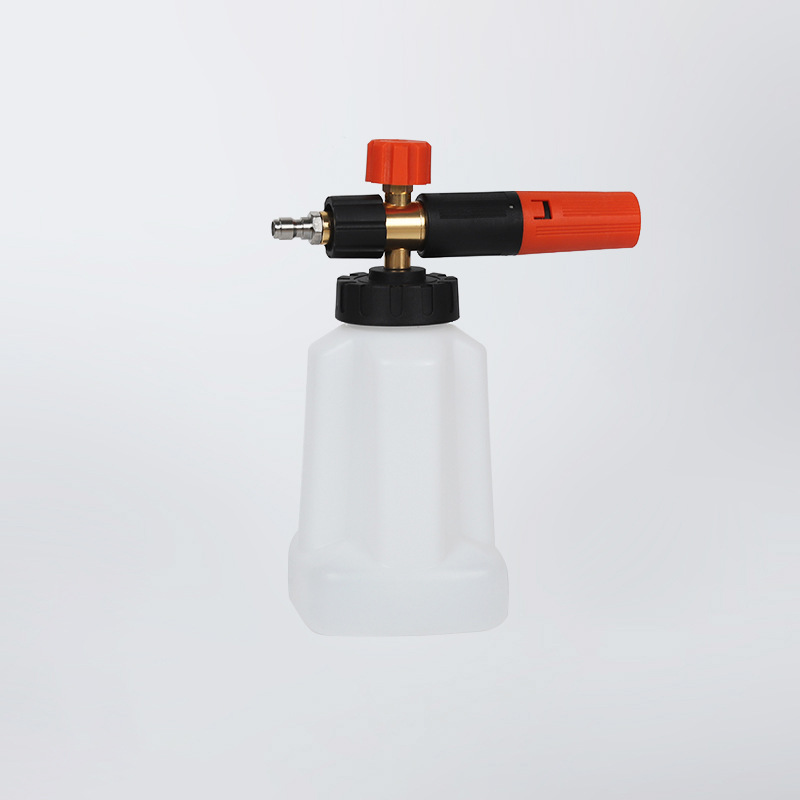
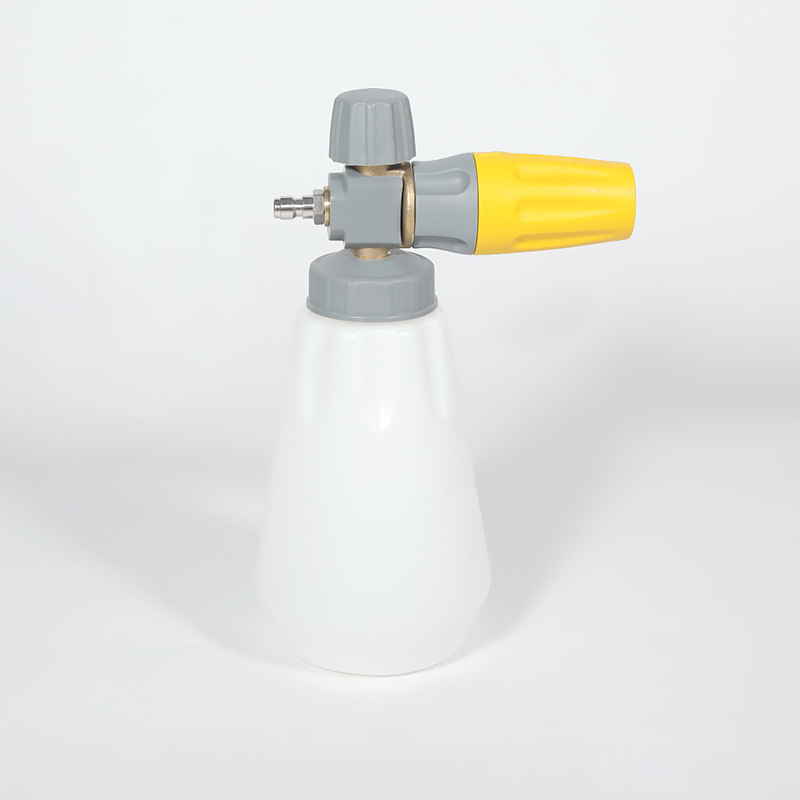
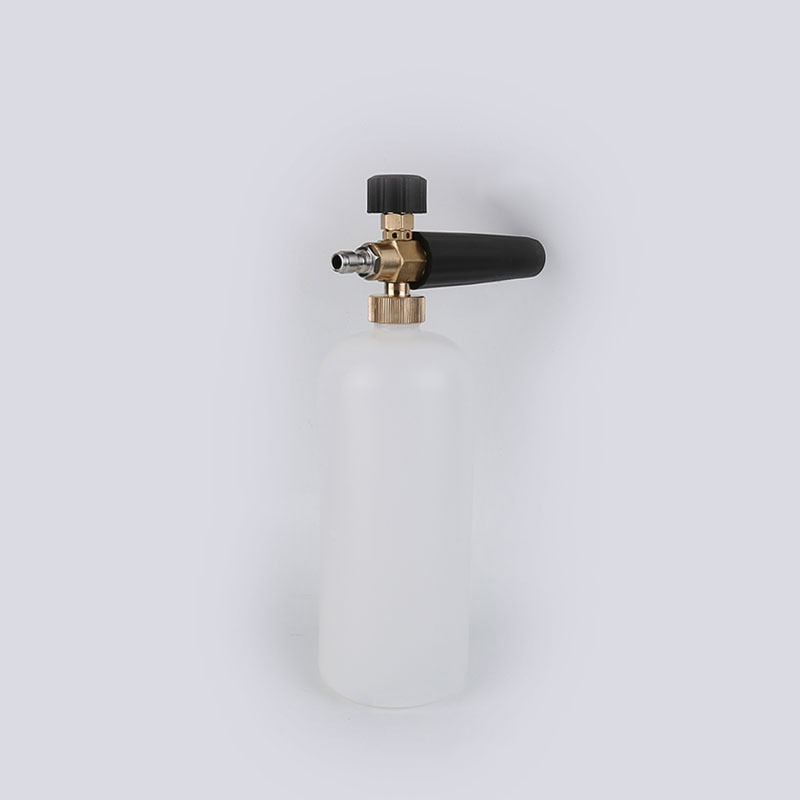
A pressure washer foam pot mixes water, compressed flow, and detergent solution to create thick foam that can be sprayed evenly onto surfaces. The system operates through pressure-driven chemical injection combined with internal air mixing mechanisms.
Chemical Solution Storage
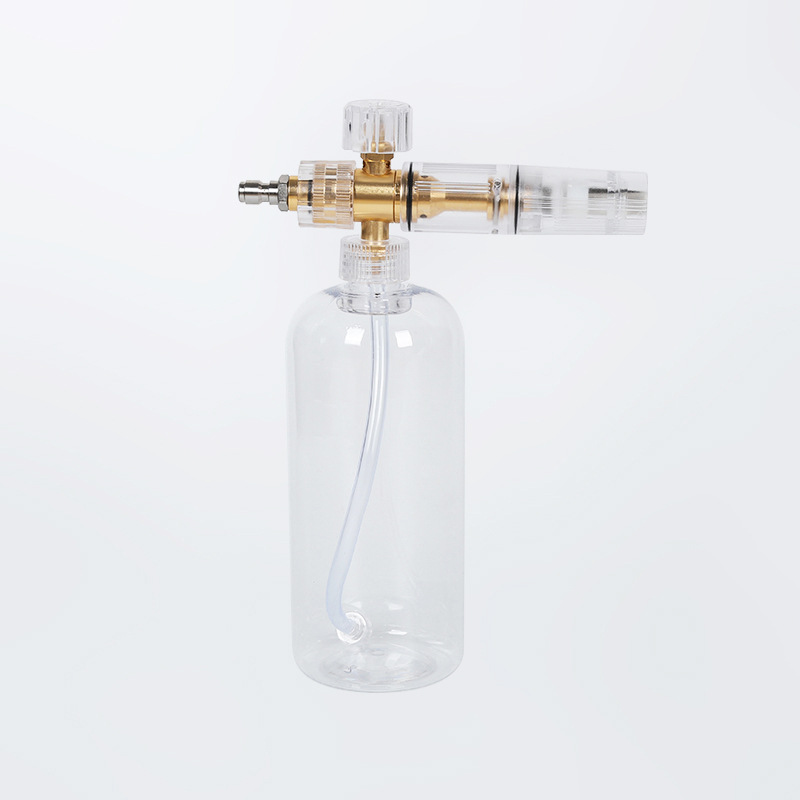
The foam pot container stores diluted cleaning solution before application. Most foam pots are designed with transparent or semi-transparent reservoirs that allow users to monitor detergent levels during operation.
Container capacity varies depending on intended use. Smaller residential foam pots may hold less than one liter, while industrial cleaning systems can use significantly larger reservoirs for extended cleaning cycles.
Internal Foam Generation Mechanism
Inside the foam pot, detergent solution combines with pressurized water and air to generate foam. Many systems use mesh filters or foam-generating inserts that help create finer bubbles and thicker foam consistency.
Foam thickness depends on several factors, including water pressure, detergent concentration, nozzle size, and internal mixing structure.
Spray Nozzle Distribution
The nozzle controls spray angle and foam coverage. Adjustable nozzles allow users to switch between narrow concentrated spray patterns and wide-area foam distribution.
Pressure Regulation
Consistent pressure is necessary for stable foam generation. Foam pots designed for high-pressure systems must withstand repeated pressure cycles without leakage or material fatigue.
Main components commonly found in pressure washer foam pot systems.
| Component |
Primary Function |
Performance Benefit |
| Chemical Reservoir |
Stores detergent solution |
Continuous cleaning supply |
| Foam Generator |
Creates foam texture |
Improved foam density |
| Nozzle Assembly |
Controls spray pattern |
Uniform coverage |
| Pressure Connector |
Links to pressure washer |
Stable operation |
Major Benefits of Using a Pressure Washer Foam Pot
Foam-based cleaning systems provide several important advantages compared with direct high-pressure water cleaning alone.
Improved Cleaning Efficiency
Dense foam remains on surfaces longer than water spray, allowing detergents to break down grease, dirt, and contaminants more effectively. This extended dwell time often reduces the amount of manual brushing required.
In vehicle washing applications, foam pre-treatment can help loosen road film and dust before contact washing begins.
Reduced Surface Abrasion
Foam acts as a lubricating layer between contaminants and cleaning tools. This may help reduce micro-scratches on painted or polished surfaces.
Using foam-assisted cleaning methods can significantly lower the risk of surface swirl marks compared with dry-contact cleaning methods.
Better Chemical Distribution
Foam covers surfaces more evenly than liquid spray alone, ensuring detergents remain consistent across large cleaning areas.
Water Conservation Potential
Efficient foam cleaning may reduce repeated rinsing cycles and lower overall water consumption during some cleaning operations.
Common Applications for Pressure Washer Foam Pot Systems
Pressure washer foam pot systems are widely used across residential, commercial, agricultural, and industrial environments because of their versatility and cleaning effectiveness.
Vehicle Washing and Detailing
Vehicle cleaning remains one of the most common applications for foam pot systems. Thick foam helps loosen contaminants while reducing direct friction against painted surfaces.
Foam cleaning is commonly used for cars, trucks, buses, motorcycles, and commercial fleets.
Industrial Equipment Cleaning
Factories and workshops often use foam systems to remove oil residues, dust accumulation, and production contaminants from machinery surfaces.
Agricultural Sanitation
Agricultural facilities may use foam cleaning systems for livestock areas, farming equipment, and sanitation procedures where broad surface coverage is important.
Residential Exterior Cleaning
Foam pots are increasingly used for cleaning driveways, patios, siding, fences, and outdoor furniture. Foam helps soften dirt before pressure rinsing begins.
Examples of industries and environments using pressure washer foam pot systems.
| Application Area |
Primary Cleaning Goal |
Foam Cleaning Advantage |
| Vehicle Washing |
Remove road contaminants |
Reduced surface abrasion |
| Industrial Cleaning |
Remove grease and dust |
Longer detergent contact |
| Agriculture |
Sanitation and maintenance |
Wide-area coverage |
| Residential Surfaces |
Remove outdoor dirt buildup |
Improved cleaning efficiency |
Material Construction and Durability Factors
Foam pot durability is strongly influenced by material quality, chemical resistance, and pressure tolerance.
Chemical-Resistant Reservoir Materials
Cleaning detergents may contain alkaline or acidic ingredients that gradually degrade lower-quality plastics. High-durability foam pots use chemical-resistant materials capable of handling repeated detergent exposure.
Corrosion-Resistant Metal Components
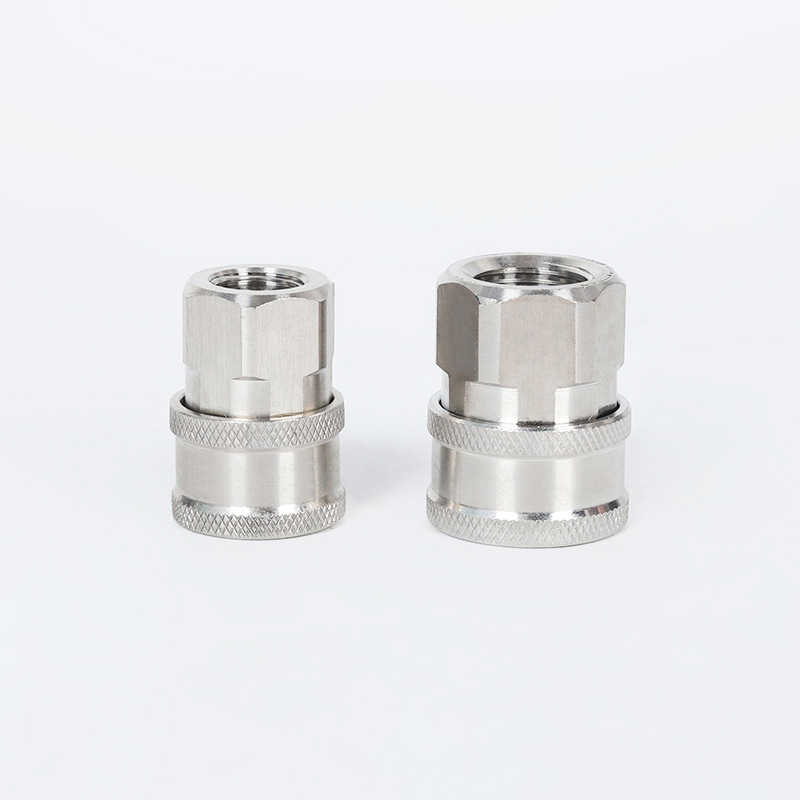
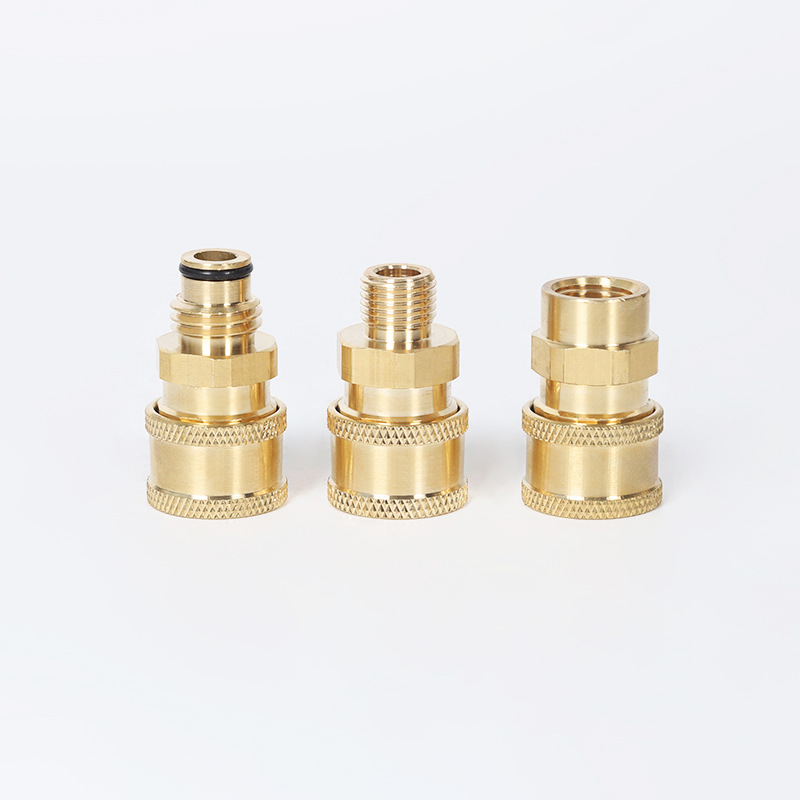
Connectors, valves, and internal fittings are frequently exposed to moisture and chemicals. Corrosion-resistant metals improve long-term operational reliability.
Pressure Resistance Performance
Pressure washer systems may operate at several thousand PSI depending on the application. Foam pots must maintain structural stability under repeated pressure fluctuations.
High-pressure cleaning systems place continuous stress on fittings, seals, and spray components, making material quality a major factor in operational lifespan.
Seal and O-Ring Quality
Leak-resistant seals are critical for maintaining pressure consistency and preventing detergent loss during operation.
How Foam Density Affects Cleaning Results
Foam density plays a major role in cleaning performance because it affects detergent dwell time, surface coverage, and rinsing efficiency.
Thin Foam Versus Thick Foam
Thin foam spreads quickly but may slide off vertical surfaces faster. Thick foam adheres longer and is often preferred for heavy contamination removal.
Detergent Concentration Influence
The ratio between detergent and water strongly influences foam structure. Excessive dilution may reduce cleaning power, while overly concentrated mixtures can waste chemicals.
Water Hardness Effects
Mineral content in water can affect foam stability and detergent activation. Hard water may reduce foam performance in some cleaning environments.
Nozzle and Orifice Design
Nozzle diameter influences foam thickness and spray velocity. Adjustable nozzles help users optimize foam consistency for different cleaning tasks.
Factors that influence foam quality in pressure washer foam pot systems.
| Factor |
Effect on Foam |
Cleaning Impact |
| Detergent Ratio |
Changes foam density |
Affects cleaning strength |
| Water Hardness |
Impacts foam stability |
May reduce effectiveness |
| Nozzle Size |
Controls spray consistency |
Influences coverage area |
| Pressure Level |
Determines foam generation |
Affects cleaning speed |
Maintenance Practices for Longer Foam Pot Lifespan
Regular maintenance helps preserve foam quality, prevent clogging, and extend equipment durability.
Rinsing After Use
Residual detergent left inside the foam pot may harden or block internal components over time. Flushing the system with clean water after use helps prevent buildup.
Cleaning Internal Filters
Foam-generating mesh inserts and filters may collect residue during repeated use. Periodic cleaning helps maintain consistent foam performance.
Inspecting Seals and Fittings
Leaks reduce pressure efficiency and foam quality. Regular inspection of connectors and seals helps identify wear before operational problems occur.
Preventing Chemical Damage
Using incompatible chemicals may shorten foam pot lifespan. Operators should follow recommended detergent compatibility guidelines whenever possible.
- Flush the system with clean water after every use
- Inspect nozzle openings regularly
- Replace worn seals before leakage occurs
- Store equipment away from direct sunlight
- Avoid harsh chemicals not designed for foam systems
Important Factors to Consider Before Choosing a Pressure Washer Foam Pot
Selecting the right foam pot depends on pressure washer compatibility, cleaning frequency, foam requirements, and operational environment.
Pressure Washer Compatibility
Foam pots must match the pressure and flow characteristics of the pressure washer system. Incorrect sizing may reduce foam quality or damage components.
Reservoir Capacity Requirements
Large-scale cleaning operations often benefit from larger reservoirs that reduce refill interruptions during extended use.
Adjustability Features
Adjustable spray angle and foam density controls improve versatility across different cleaning applications.
Build Quality and Longevity
High-frequency users often prioritize reinforced fittings, durable seals, and corrosion-resistant construction for long-term operational reliability.
The continued advancement of foam generation technology, chemical efficiency systems, corrosion-resistant materials, and adjustable spray engineering is helping pressure washer foam pot equipment deliver faster, safer, and more consistent cleaning performance across residential, commercial, and industrial environments.



 中文简体
中文简体