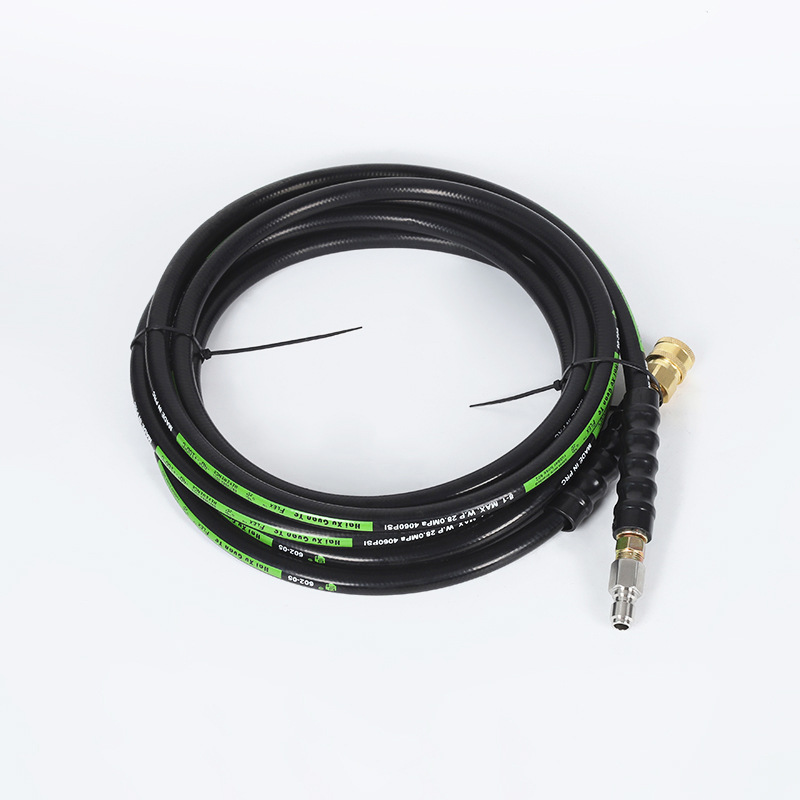
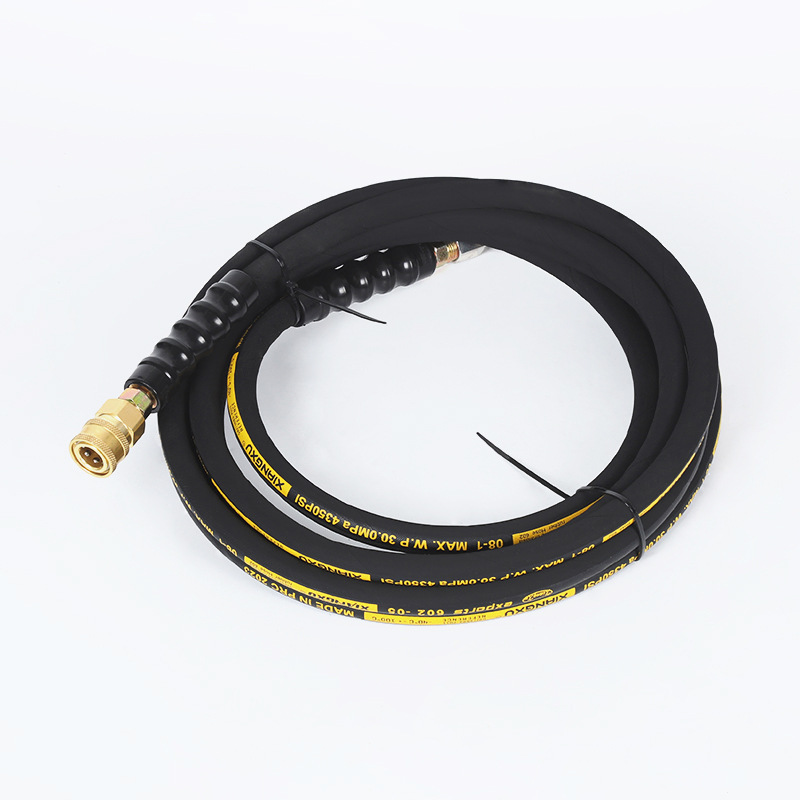
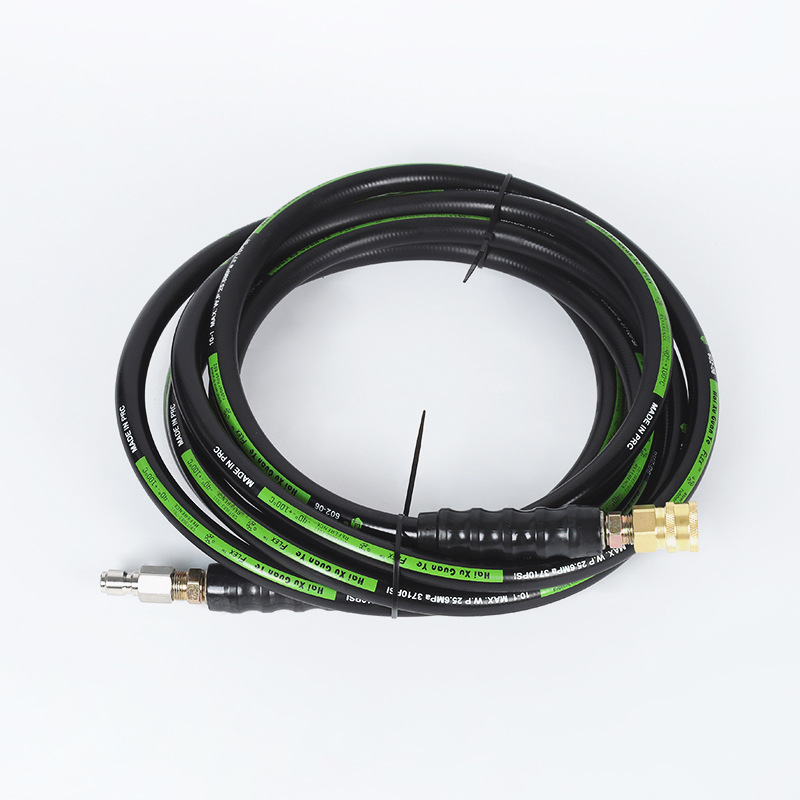
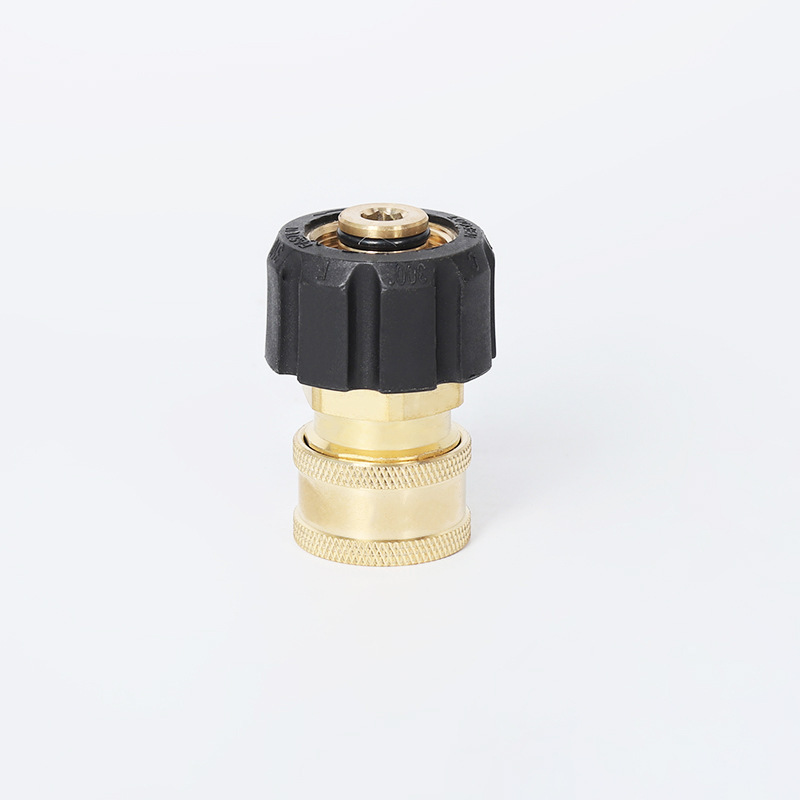
The operational boundary, safety threshold, and hydraulic efficiency of industrial surface preparation networks depend on the mechanical integrity of the flexible conduit linking the pump to the discharge gun. A high-performance pressure washer hose serves as this vital structural arterial line, carrying high-velocity water under extreme hydrostatic stress. To contain these forces safely without rupture, a pressure hose must combine high tensile reinforcement layers with flexible, chemically resilient polymer linings, effectively handling severe pressure surges and structural scraping from rough concrete job sites.
Structural Layering and Composite Wall Anatomy
A commercial pressure washer hose is engineered as a complex multi-layer structural cylinder. Each layer handles specific physical stresses, turning a basic fluid path into a rugged high-pressure asset.
The innermost layer, or core tube, is extruded from smooth polymers like synthetic nitrile rubber, thermoplastic polyurethane (TPU), or specialized polyester. This inner lining must feature a low friction coefficient to minimize pressure drop along the line, and it must resist blistering or cracking when exposed to hot water temperatures and aggressive chemical detergents.
High-Tensile Steel Wire Braiding Dynamics
Directly wrapping the inner core tube is the structural reinforcement matrix, which determines the maximum safe operating pressure of the hose assembly. Heavy-duty hoses use high-tensile steel wire woven into a tight, interlocking mesh pattern. A single-wire braid configuration provides a strong, flexible layout suitable for standard commercial use. For extreme applications exceeding 4,000 PSI, manufacturers add a double-wire braid matrix configuration. This second layer of steel wire provides excellent resistance to bursting under sudden pressure spikes, though it increases the overall weight and stiffness of the hose line.
External Protective Jackets and Abrasion Resistances
The outermost layer, or cover jacket, protects the internal steel braiding from mechanical damage, moisture, and chemical exposure. This layer is commonly made from synthetic rubber blends or smooth non-marking polyurethane. Polyurethane jackets are highly valued in indoor commercial settings, such as food processing facilities or hospitals, because they slide smoothly across surfaces without leaving dark scuff marks. Additionally, these synthetic outer materials are specifically treated to resist oil degradation and ultraviolet (UV) weathering, which prevents the outer wall from drying out and cracking during long outdoor exposures.
Fluid Flow Dynamics and Internal Friction Losses
Selecting the correct internal diameter (ID) for a high-pressure hose requires balancing required fluid flow rates against the pressure losses caused by internal surface friction. Passing large volumes of water through a narrow opening causes turbulence, which turns pressure energy into wasted heat and drops the output performance at the spray nozzle.
The pressure drop per linear foot of hose is governed by the Darcy-Weisbach equation, demonstrating that fluid pressure loss increases with velocity and hose length, but decreases significantly as internal diameter expands. For example, forcing a water flow rate of 5.0 Gallons Per Minute (GPM) through a 1/4-inch ID hose line will generate a substantial pressure drop of roughly 120 PSI for every 50 feet of length. Swapping that line for a wider 3/8-inch ID hose drops fluid velocity and turbulence, reducing the pressure loss to under 30 PSI per 50 feet. This ensures maximum cleaning energy reaches the working surface.
Performance Specifications and Mechanical Tier Matrix
Industrial facility engineers must match the pressure rating, reinforcement type, and maximum temperature limits of the hose to the output capabilities of the system pump. Deploying a low-tier thermoplastic hose on a high-temperature diesel-fired heating coil unit can lead to quick structural softening and hazardous hose failures.
The table below provides an technical engineering comparison of common pressure washer hose classifications used across commercial, industrial, and specialized cleaning operations:
| Hose Structural Class |
Max Safe Working Pressure |
Ultimate Burst Pressure Limit |
Reinforcement Architecture |
Max Fluid Temp Threshold |
| Heavy Industrial Rubber |
6,000 PSI |
24,000 PSI |
Double-wire braided high-tensile steel |
121°C (250°F) |
| Standard Commercial Rubber |
4,000 PSI |
16,000 PSI |
Single-wire braided high-tensile steel |
100°C (212°F) |
| Non-Marking Polyurethane |
3,000 to 4,500 PSI |
12,000 to 18,000 PSI |
Single-wire steel or high-density textile |
60°C (140°F) |
| Lightweight Thermoplastic |
2,000 to 3,100 PSI |
8,000 to 12,400 PSI |
Synthetic polyester fiber braid mesh |
50°C (122°F) |
Table 1: Fluid capacity tolerances, burst pressure thresholds, and structural core reinforcement styles determined under standard hydrostatic safety testing.
Safety Factors and Cyclic Hydrostatic Impulse Loadings
Industrial high-pressure hoses are engineered with a strict 4:1 structural safety design margin, following global hydraulic standards like SAE J517. This means a hose rated for a 4,000 PSI working limit must reach a minimum internal burst threshold of 16,000 PSI before suffering physical wall failure. This wide cushion is necessary to safely handle structural fatigue from repeated impulse spikes.
Every time a spray gun trigger is released, the moving column of water stops instantly, transferring its kinetic energy back into the hose line. This creates a severe pressure wave, or water hammer, that can momentarily spike internal pressures far beyond the pump's normal output. The wire braid layer must expand and flex slightly to absorb these cyclic impulse shocks thousands of times per day without fraying or weakening.
Bend Radius Limits and Kink Resistance Geometry
Every hose has a minimum bend radius specification that dictates how tightly the line can curve without folding over or kinking. Forcing a steel-braided hose past its bend limit stresses the wire mesh, causing individual steel strands to rub together and snap prematurely. Using bend restrictors—thick plastic sleeves molded over the ends near the connections—helps prevent sharp bends at the high-stress coupling points.
Field Deployment Protocol and Mechanical Handling Blueprint
Maximizing the operational lifespan of a high-pressure hose requires following structured field deployment guidelines. Poor handling habits, like dragging kinked lines or pulling hoses around sharp metal obstructions, can compromise the outer jacket and lead to premature failure.
- Execute Pre-Operation Damage Inspections: Unroll the hose fully along the ground and check the entire length of the outer jacket. Look closely for exposed steel wire braiding, deep surface gouges, localized bubbling, or leaks near the end fittings, replacing any compromised sections immediately before starting the system.
- Utilize the Figure-Eight Uncoiling Method: Always uncoil the hose using a figure-eight or loop-by-loop method to relieve internal twisting stresses. Avoid pulling the hose straight out from a tightly wound reel, as this can twist the line along its axis, creating kinks that can burst under full pressure.
- Verify Minimum Edge Clearances and Corner Shielding: Lay out the line to bypass sharp concrete steps, iron beams, or building corners. If the hose must cross a sharp edge, wrap that section in a heavy rubber abrasion sleeve or split PVC conduit pipe to protect the cover jacket from friction damage during operation.
- Manage Thermal Hose Purging Sequences: When using gas or diesel water heaters, start up the water flow before turning on the burner system. When shutting down, turn off the burner first and continue spraying cold water for at least 2 minutes to cool the internal lines, preventing trapped heat from weakening the core tube polymer.
- Depressurize and Drain Prior to Storage: Turn off the pressure engine and squeeze the spray gun trigger to bleed off all trapped hydrostatic pressure before disconnecting any fittings. Drain any remaining water from the hose line and wrap it loosely on a dedicated storage reel, keeping it out of direct sunlight.
Root Cause Failure Analysis and Field Troubleshooting
When a high-pressure washer hose fails during a job, examining the damaged section can help maintenance teams identify the root cause of the failure and adjust their operational setup.
A common failure mode is a burst slice located within a few inches of the end coupling. This issue is typically caused by operators pulling hard on the hose to drag the heavy pressure washer unit across the site. This pulling action creates severe bending forces right where the flexible hose meets the rigid metal fitting, overloading the internal steel braiding. To prevent this, operators should use the machine's handles to move the unit, and add longer, heavy-duty rubber bend restrictors to protect these critical transition zones.
Another subtle failure is internal core tube blistering, which leads to pinhole leaks through the outer jacket. This problem usually points to chemical degradation, occurring when harsh bleach solutions or solvents are left sitting inside the hose for days after a job. The trapped chemicals attack and soften the inner polymer lining, allowing high-pressure water to seep through to the wire mesh layer. To prevent this chemical damage, operators must flush the system with clean water for at least 5 minutes after using detergents, clearing out any chemical residues before storing the equipment.



 中文简体
中文简体